Diseases in Rabbits: Complete Guide to Common Conditions
Essential information on common rabbit diseases, symptoms, and treatments for pet owners.
Understanding Common Diseases in Pet Rabbits
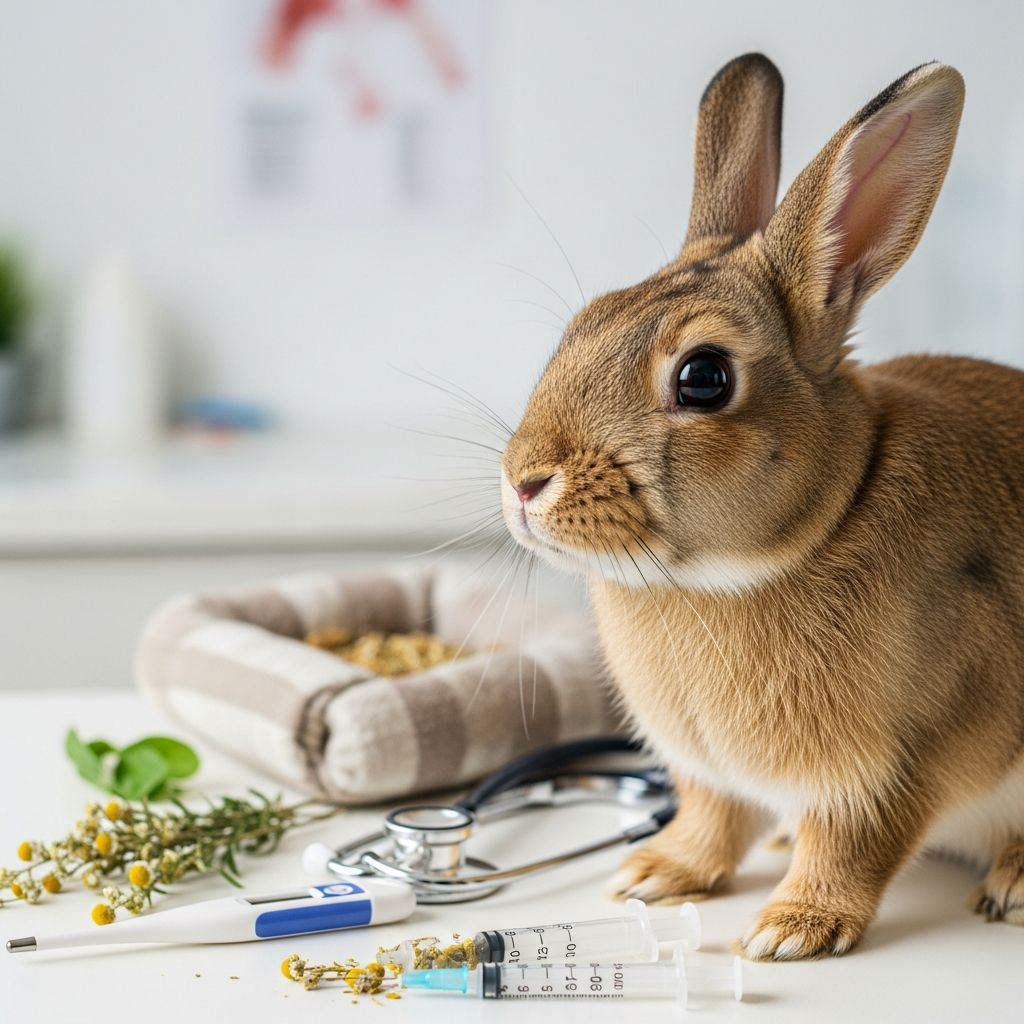
Pet rabbits are susceptible to a variety of health conditions that require prompt recognition and veterinary treatment. Understanding the most common diseases affecting rabbits, their signs, and available treatments is essential for responsible rabbit ownership. Many conditions that affect rabbits can become serious or life-threatening if left untreated, making early detection and intervention critical to maintaining your pet’s health and quality of life.
Common Diseases of Pet Rabbits and Their Signs
Domestic rabbits are prone to several conditions that require immediate veterinary attention. The most frequently encountered diseases include upper respiratory tract infections, internal and external parasites, dental disease, gastrointestinal stasis, Encephalitozoon cuniculi, uterine problems including infections and cancer, and pododermatitis. Each of these conditions presents distinct symptoms and requires specific treatment approaches to ensure the best possible outcome for your rabbit.
Upper Respiratory Tract Infections (Snuffles)
Upper respiratory tract infections, commonly known as snuffles, are among the most prevalent respiratory diseases in rabbits. These infections are typically caused by bacteria such as Pasteurella multocida or Bordetella species. Rabbits with upper respiratory infections often show signs including nasal discharge, watery or weepy eyes, sneezing, and noisy breathing. The infection can progress to more severe conditions if left untreated, and some rabbits may develop conjunctivitis (eye inflammation) or secondary pneumonia.
The condition is highly contagious among rabbits and can spread through direct contact or respiratory droplets. Affected rabbits may also display decreased appetite, lethargy, and reduced stool production. Treatment typically involves prescribed antibiotics administered for a minimum of two to four weeks, combined with anti-inflammatory medications. In cases where the rabbit is not eating adequately on its own, syringe feeding may be necessary to maintain nutrition. Ensuring good sanitation practices, maintaining proper ventilation, and isolating affected rabbits can help prevent transmission to other animals.
Gastrointestinal Stasis
Gastrointestinal stasis is a serious and potentially life-threatening condition in rabbits that occurs when the normal movement of the digestive system slows or stops completely. This condition can result from various factors including poor diet, stress, inadequate exercise, or underlying medical conditions. Rabbits with GI stasis display characteristic symptoms including decreased or complete loss of appetite, reduced or absent fecal output, visible bloating, and lethargy or depression.
GI stasis requires immediate medical attention and aggressive treatment for the best chance of recovery. Treatment protocols include fluid therapy administered either subcutaneously or intravenously to maintain hydration, medications to stimulate gut motility, pain management with analgesics, and syringe feeding to maintain proper nutrition and hydration levels. Once fecal production resumes, gastrointestinal motility-enhancing drugs are continued. With prompt and aggressive treatment, many rabbits can make a complete recovery from this serious condition.
Dental Disease
Dental disease is extremely common in pet rabbits and can range from mild overgrowth to severe malocclusion affecting the rabbit’s ability to eat and maintain quality of life. Rabbits have continuously growing teeth throughout their lives, and without proper diet and care, these teeth can become overgrown or misaligned. Signs of dental problems include reduced appetite, difficulty eating, drooling, weight loss, and sometimes visible tooth overgrowth.
Prevention of dental disease is far more effective than treatment. A diet rich in hay and fibrous vegetables promotes natural tooth wear and maintains proper dental health. Some rabbits with dental disease may require regular veterinary dental procedures to trim or file down overgrown teeth. In severe cases where malocclusion prevents normal eating, ongoing veterinary dental care becomes necessary to maintain the rabbit’s health and comfort.
Encephalitozoon Cuniculi
Encephalitozoon cuniculi is a parasitic disease that can affect the nervous system and other organs in rabbits. This parasite is impossible for veterinarians to distinguish from inner ear infections without diagnostic imaging such as x-rays and blood tests. Rabbits with E. cuniculi often present with a characteristic head tilt, balance problems, loss of appetite, and neurological signs. The condition can also affect the kidneys and other internal organs.
Treatment involves long-term anti-parasitic medications such as fenbendazole combined with anti-inflammatory drugs. Supportive care is crucial, including assisted feeding when necessary. While some rabbits respond well to treatment and the head tilt resolves completely, others may experience persistent symptoms. Many rabbits with permanent head tilt can adapt to their condition and continue living a good quality of life with proper care and monitoring.
Uterine Problems in Female Rabbits
Uterine disease is a significant health concern in unspayed female rabbits, with both infections and cancer being common presentations. Signs of uterine problems include decreased appetite, gastrointestinal stasis, blood in the urine, weight loss, and a visibly swollen or distended abdomen from fluid accumulation in the diseased uterus.
Uterine cancer and infections can be effectively prevented through spaying, which is recommended when female rabbits reach five to six months of age. If tumors are caught and treated surgically before they become cancerous and spread to other organs (metastasize), they are generally treatable. However, once cancer has spread beyond the uterus, the condition typically becomes fatal. The best approach to preventing uterine disease is preventative spaying before reproductive disease develops.
Pododermatitis (Sore Hocks)
Pododermatitis, commonly called sore hocks or sore feet, refers to inflammation and infection of the foot pads and the area around the hocks in rabbits. This condition results from pressure sores developing on areas of the foot that bear weight, often exacerbated by poor cage conditions, inadequate bedding, or obesity. Affected rabbits may show reluctance to move, lameness, visible swelling and redness on the foot pads, and sometimes difficulty eating due to pain.
Prevention focuses on providing appropriate housing with soft, clean bedding, maintaining proper weight through appropriate diet and exercise, and regular cage cleaning. Treatment may involve antibiotics if bacterial infection is present, pain management, improved housing conditions, and in some cases, topical medications applied to affected areas.
Parasitic Diseases
Both internal and external parasites can significantly impact rabbit health and require specific treatment approaches.
External Parasites
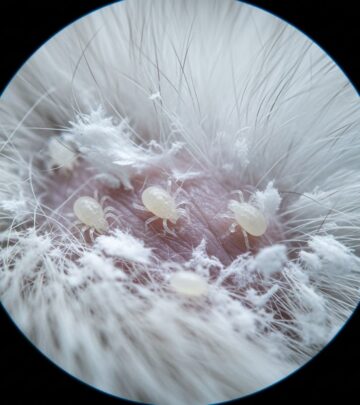
Rabbits are prone to various external parasites including ear mites, fur mites, and fleas, which can lead to significant health problems if left untreated. Ear mites (Psoroptes cuniculi) are particularly common and cause intense irritation of the ear canal lining. Affected rabbits display head shaking, ear flapping, vigorous scratching at the ears, and may develop crusting on the ear pinnae and in the ear canal.
The recommended treatment for ear mites typically involves Ivermectin injections administered once every ten to fourteen days for three treatments, though veterinarians may recommend alternative protocols based on individual circumstances. Fur mites and fleas cause itching, hair loss, scabs, and secondary skin infections if untreated. Appropriate parasite prevention and treatment prevent these uncomfortable and potentially serious conditions.
Internal Parasites
Internal parasitic infections can affect rabbit health significantly and may go unnoticed until symptoms become severe. These parasites can cause various clinical signs depending on the specific organism and the organs affected. Regular veterinary check-ups and appropriate parasite prevention help identify and treat internal parasites before they cause serious health consequences.
Viral Diseases
Several serious viral diseases affect rabbits, particularly those without protective vaccination.
Myxomatosis
Myxomatosis is one of the most serious infectious diseases affecting both wild and domestic rabbits. This viral disease is typically transmitted by biting insects including flies and fleas. The symptoms are distinctive and include swelling of the lips, eyelids, nose, and genital areas. Affected rabbits also show signs including skin lesions, loss of appetite, and general illness. Death typically occurs within twelve to fourteen days of infection if the disease progresses untreated.
Fortunately, myxomatosis is entirely preventable through vaccination. A single annual vaccination provides reliable protection against infection. Additionally, screening hutches to exclude insects and implementing flea prevention measures contribute to disease prevention. Vaccination of baby rabbits can begin as early as five weeks of age, providing lifelong protection against this deadly disease.
Rabbit Viral Haemorrhagic Disease (RVHD)
Rabbit Viral Haemorrhagic Disease is a highly infectious and potentially fatal disease affecting rabbits. There are now two recognized strains: RVHD1 and the newer variant RVHD2. With RVHD1, affected rabbits have nearly a 100% mortality rate, typically dying within less than 48 hours of showing signs. RVHD2 has a lower mortality rate of seven to twenty percent but can still be fatal, with death occurring over several days.
The disease causes acute liver damage with associated blood clotting abnormalities that can be rapidly fatal. Most infected rabbits show no external symptoms before sudden death occurs, making vaccination the essential preventive measure. Clinical signs when they do appear include poor appetite, restlessness, lethargy, and fever. Vaccination is essential to protect rabbits against both strains of this devastating disease.
Bacterial Infections
Various bacterial pathogens can affect rabbits, causing respiratory, skin, reproductive, and systemic infections.
Pasteurellosis
Pasteurella multocida is a common bacterial pathogen in domestic rabbits that causes pasteurellosis, a highly contagious infection. This bacterium is transmitted primarily through direct contact but can also spread through respiratory droplets from coughing or sneezing. In rabbit colonies, thirty to ninety percent of apparently healthy rabbits may be carriers showing no outward signs of disease.
Pasteurellosis can cause multiple conditions including rhinitis (runny nose), pneumonia, abscesses, reproductive tract infections, head tilt, and blood infections. Treatment involves extended courses of antibiotics, anti-inflammatory medications, and supportive care. In some cases, treatment may be necessary for months depending on the rabbit’s response to therapy.
Pneumonia
Pneumonia is common in domestic rabbits and typically results from Pasteurella bacteria, though other bacterial species may also be involved. This infection causes inflammation of the lungs and the membranes surrounding the lungs. Upper respiratory disease often precedes the development of pneumonia. Rabbits susceptible to pneumonia include those exposed to inadequate ventilation, poor sanitation, and dirty nesting materials.
Affected rabbits display lack of appetite, reduced energy, and may have fever. Diagnosis is based on clinical signs and laboratory test results. Treatment is challenging and generally requires several weeks of antibiotic therapy. Unfortunately, antibiotic treatment may not completely cure the infection, and some rabbits experience recurrent episodes.
Prevention and Maintenance Care
Maintaining your rabbit’s health requires attention to multiple factors beyond immediate disease treatment. Ensure your rabbit receives a healthy, appropriate diet consisting primarily of high-quality hay supplemented with fresh vegetables and limited pellets. Provide adequate space for exercise and movement, as obesity and lack of activity contribute to multiple disease conditions.
Regular veterinary check-ups allow early detection of developing health problems. Keep your rabbit’s living space clean, maintaining appropriate sanitation to prevent bacterial and parasitic disease transmission. Provide clean, dry bedding and ensure proper ventilation to reduce respiratory disease risk. Protect your rabbit from stress through quiet handling and a stable environment.
Implement appropriate vaccination protocols based on your veterinarian’s recommendations for your specific geographic location and risk factors. Practice quarantine procedures when introducing new rabbits to prevent disease transmission. Monitor your rabbit’s behavior, appetite, fecal output, and general condition daily, seeking veterinary attention promptly if you notice any changes.
Frequently Asked Questions
Q: How often should I take my rabbit to the veterinarian?
A: Rabbits should have annual wellness examinations with a veterinarian experienced in rabbit care. Older rabbits or those with chronic conditions may benefit from more frequent check-ups.
Q: At what age should I spay my female rabbit?
A: Female rabbits should be spayed at five to six months of age to prevent uterine disease and cancer, which are extremely common in unspayed females.
Q: Can respiratory infections in rabbits be cured?
A: Many respiratory infections can be managed with appropriate antibiotics and supportive care, though some rabbits may become chronic carriers of bacteria like Pasteurella.
Q: What should I do if my rabbit suddenly stops eating?
A: Sudden loss of appetite in rabbits is a sign of a serious condition like GI stasis and requires immediate veterinary attention. Do not delay seeking treatment.
Q: Are there vaccines available for rabbits?
A: Yes, vaccines are available for myxomatosis and rabbit viral haemorrhagic disease. Discuss appropriate vaccination protocols with your rabbit veterinarian based on your location and risk factors.
References
- Common Rabbit Diseases and Illnesses & How to Treat Them — Mixlab. 2024. https://mixlab.com/blog/common-rabbit-diseases-and-illnesses
- 10 Common Rabbit Diseases And Illnesses | Cloud 9 Vets — Cloud 9 Vets. 2024. https://cloud9vets.co.uk/10-common-rabbit-diseases-and-illnesses-every-owner-should-know-about/
- 10 Common Rabbit Illnesses and Symptoms — Everypaw. 2024. https://www.everypaw.com/all-things-pet/10-common-rabbit-illnesses-and-symptoms
- Diseases in Rabbits — VCA Animal Hospitals. 2024. https://vcahospitals.com/know-your-pet/diseases-in-rabbits
- 10 of the Most Common Pet Rabbit Ailments, Illnesses and Emergencies — Vets Now. 2024. https://www.vets-now.com/pet-care-advice/rabbit-ailments-illnesses/
- Disorders and Diseases of Rabbits – All Other Pets — Merck Veterinary Manual. 2024. https://www.merckvetmanual.com/all-other-pets/rabbits/disorders-and-diseases-of-rabbits
- Five Common Diseases That Affect Rabbits — PetMD. 2024. https://www.petmd.com/rabbit/conditions/five-common-diseases-affect-rabbits
Similar Articles






Read full bio of medha deb