

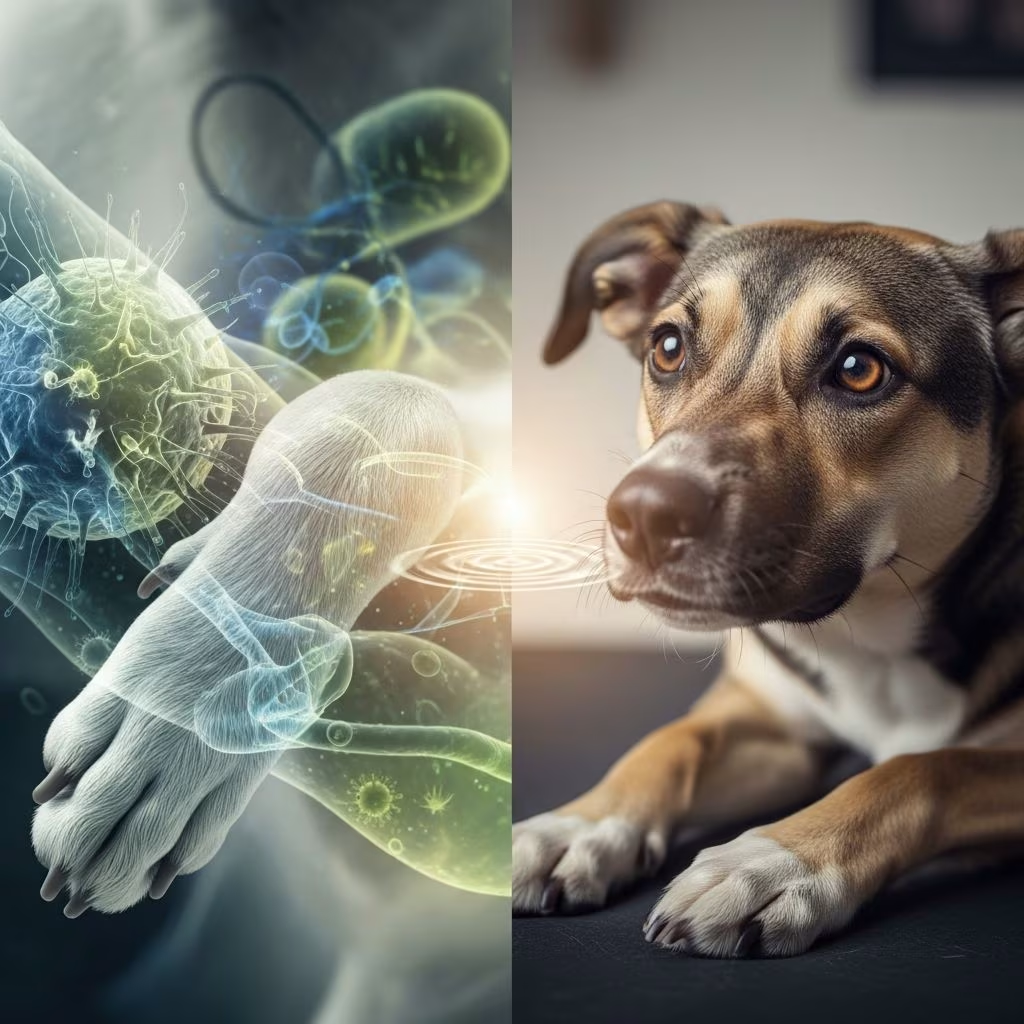
Pet owners frequently encounter a perplexing challenge: determining whether their dog’s troubling conduct stems from a medical condition or a behavioral concern requiring training and management. This distinction carries profound implications for treatment approaches, timelines, and ultimately, the dog’s quality of life. The intersection of disease and behavior in canines represents one of the most critical yet frequently overlooked areas in veterinary medicine, requiring careful evaluation and a comprehensive understanding of how physical health influences psychological well-being.
The Critical Connection Between Physical Health and Behavioral Manifestation
The relationship between a dog’s physical health and its behavioral expression is far more interconnected than many pet owners realize. When evaluating behavioral problems, veterinarians emphasize that physical discomfort and systemic illness frequently present themselves through behavioral changes rather than obvious physical symptoms. This phenomenon occurs because dogs cannot articulate pain or illness in human terms; instead, their bodies communicate distress through alterations in conduct, energy levels, and social responsiveness.
Research in veterinary behavioral medicine demonstrates that between 28% and 82% of dogs presenting with behavioral issues show signs of underlying pain or medical conditions. This striking statistic underscores the importance of thorough medical evaluation before assuming a behavioral disorder requires training intervention alone. Understanding this connection allows owners to approach their dog’s conduct with appropriate diagnostic rigor rather than immediately pursuing behavioral modification techniques.
How Pain Manifests as Behavioral Change
Pain represents one of the most underrecognized triggers for behavioral problems in dogs. A dog experiencing chronic discomfort may exhibit aggression, anxiety, destructive behaviors, or withdrawal from social interaction. The aggression, in particular, often emerges not from inherent temperament issues but from a dog’s attempt to protect itself or communicate distress. Similarly, a dog with joint pain may become increasingly irritable, snap at family members during handling, or refuse to engage in activities previously enjoyed.
Gastrointestinal discomfort deserves special attention, as digestive distress frequently produces anxiety-related behaviors. A dog suffering from intestinal upset might exhibit excessive barking, destructive chewing, or attempts to escape confinement. These behavioral expressions are the animal’s way of managing internal distress, making medical evaluation essential before attributing such conduct to anxiety disorders or inadequate training.
Systemic Diseases That Influence Canine Conduct
Endocrine System Dysfunction
The endocrine system orchestrates numerous physiological processes, and when this complex network falters, behavioral consequences often follow. Thyroid dysfunction, for instance, can precipitate mood changes, lethargy, or unexpected aggression. Hormonal imbalances affect neurotransmitter production and regulation, directly influencing a dog’s emotional state, impulse control, and social behavior. Dogs with undiagnosed hormonal conditions may appear unmotivated, anxious, or unusually aggressive despite receiving appropriate training and exercise.
Kidney and Urinary System Disorders
Kidney disease, particularly prevalent in middle-aged and older dogs, generates behavioral shifts that many owners might misinterpret. As the kidneys lose function, toxins accumulate in the bloodstream and circulate throughout the body, affecting brain chemistry and behavior. Dogs with kidney dysfunction often become lethargic, withdraw from family activities, and experience appetite changes. The lethargy accompanying kidney disease can be mistaken for laziness or depression, when in fact the dog’s body is struggling to manage systemic toxicity.
Neurological and Cognitive Conditions
Canine cognitive disorder, analogous to dementia in humans, affects senior dogs and produces distinct behavioral and personality transformations. Dogs experiencing cognitive decline may become confused, disoriented, or unusually anxious. They might vocalize excessively, lose previously established house-training, or struggle to recognize familiar family members. These changes represent fundamental neurological changes rather than willful misbehavior or training regression.
The Gut-Brain Axis and Behavioral Disorders
Recent scientific understanding has revealed a sophisticated communication network between a dog’s gastrointestinal tract and central nervous system. The gut microbiome, the immune system, and the nervous system engage in continuous dialogue that profoundly influences behavioral expression. Dysbiosis, or imbalance in the gut microbiota, can trigger behavioral changes through multiple pathways including altered neurotransmitter production and immune system activation.
Dogs with aggressive behavioral patterns demonstrate distinctly different gut microbiome compositions compared to behaviorally normal dogs, with specific enrichment in certain bacterial genera. Conversely, dogs exhibiting phobic behaviors show enrichment in Lactobacillus species, bacteria with recognized probiotic properties. This relationship suggests that gut health represents a modifiable factor in behavioral treatment, opening therapeutic avenues beyond traditional training approaches.
Microbiota dysbiosis can impair dopamine production, and research indicates that lower urinary dopamine and serotonin ratios correlate with impulsive behaviors in dogs. Dogs demonstrating ADHD-like symptoms often present with lower serum concentrations of both serotonin and dopamine. These neurochemical imbalances originating from compromised gut health directly influence behavioral control and emotional regulation.
Nutritional Status as a Foundation for Behavioral Stability
A dog’s dietary intake profoundly influences behavioral capacity and emotional resilience. Nutritional imbalances can manifest as behavioral disturbances before producing obvious physical signs. Deficiencies in omega-3 fatty acids, for example, compromise cognitive function and emotional stability. Calcium and phosphorus imbalances, particularly critical during large breed puppy development, can create skeletal problems that generate chronic pain and associated behavioral changes.
Vitamin and mineral toxicities also produce behavioral effects. Excessive supplementation can lead to neurological symptoms, altered mood, and behavioral dysregulation. A dog consuming nutritionally imbalanced food may demonstrate excessive barking, obsessive-compulsive behaviors like tail chasing, or heightened fearfulness and aggression. These behavioral problems often resolve once nutritional balance is restored, confirming the dietary foundation of the conduct.
Immune System Dysfunction and Behavioral Expression
The immune system’s role in behavioral regulation extends beyond simple infection response. An overactive immune response can trigger allergic reactions that produce systemic inflammation, affecting brain chemistry and behavioral control. An inadequate immune response increases susceptibility to chronic infections that generate behavioral changes through persistent inflammation and malaise. An inappropriate immune response leading to autoimmune conditions creates chronic inflammatory states that profoundly affect mood, anxiety levels, and behavioral expression.
A balanced, appropriately responsive immune system supports overall behavioral stability. Dogs with compromised immune function often display anxiety, irritability, and reduced social engagement as their body allocates resources toward managing immune challenges rather than maintaining psychological equilibrium.
Diagnostic Protocols for Distinguishing Disease from Behavior
Veterinary behaviorists emphasize that accurate diagnosis requires systematic elimination of medical causes before attributing behavioral problems to psychological or training factors. A thorough medical evaluation forms the essential foundation for any behavioral assessment. This evaluation should include:
- Comprehensive physical examination assessing for pain, discomfort, and physical abnormalities
- Complete blood work detecting nutritional deficiencies, organ dysfunction, and systemic disease
- Urinalysis revealing kidney function, urinary tract infections, and metabolic imbalances
- Specialized testing based on clinical suspicion, including thyroid panels, hormone assessments, or imaging studies
- Detailed behavioral history documenting when behavioral changes began, environmental triggers, and progression patterns
Treatment Approaches When Medical and Behavioral Factors Coexist
Many dogs present with both underlying medical conditions and learned behavioral responses to their illness. A dog experiencing chronic pain may develop both pain-related aggression and learned fear-based behavioral patterns. Treatment must address both the medical foundation and the behavioral manifestations that may persist even after physical recovery.
Medical interventions form the necessary first step, addressing hormonal imbalances through medication, resolving nutritional deficiencies through dietary modification, or treating infectious or inflammatory conditions. Simultaneously, dietary modifications tailored to support systemic health and behavioral stability provide crucial support. Rotational feeding with high-quality foods ensures balanced nutritional intake and prevents deficiency-related behavioral problems.
Behavioral modification can proceed once medical foundations are addressed. However, the timeline for behavioral improvement may extend beyond the medical treatment period. A dog recovering from chronic pain may require additional time to overcome learned behavioral responses even after pain resolution. Patience and recognition of this recovery process are essential for successful outcomes.
Preventive Strategies Addressing Both Disease and Behavioral Health
Proactive health management significantly reduces the likelihood of disease-driven behavioral problems. Regular veterinary check-ups, particularly in senior dogs, enable early detection of conditions before behavioral manifestations emerge. Routine blood work and urinalysis provide windows into systemic health, revealing imbalances before they generate behavioral consequences.
Balanced nutrition forms the foundation of both physical and behavioral health. Dogs receiving appropriate nutrients for their age, size, and activity level demonstrate improved behavioral stability and reduced anxiety. Incorporating preventive measures such as regular exercise, appropriate stress management, and environmental enrichment supports both immune function and behavioral regulation.
Common Behavioral-Medical Masquerades
| Apparent Behavioral Problem | Potential Medical Cause | Diagnostic Indicator |
|---|---|---|
| Aggression or irritability | Chronic pain, hormonal imbalance, kidney disease | Physical examination findings, blood work abnormalities |
| Excessive vocalization | Cognitive dysfunction, systemic discomfort, neurological disease | Age, progression pattern, associated physical signs |
| Destructive behavior | Gastrointestinal discomfort, anxiety from medical illness | Association with feeding times, digestive symptoms |
| Withdrawal or lethargy | Depression from chronic illness, kidney disease, endocrine dysfunction | Appetite changes, urination patterns, blood work results |
| House-training regression | Urinary tract infection, cognitive dysfunction, intestinal parasites | Urinalysis results, age considerations |
Frequently Asked Questions
How can I determine if my dog’s behavior problem is medical or psychological?
The most reliable approach involves comprehensive veterinary evaluation before assuming a behavioral origin. If the behavior emerged suddenly or has progressively worsened, medical causes become more likely. Blood work, urinalysis, and physical examination findings often reveal underlying conditions. Behavioral problems with psychological origins typically have clear environmental triggers, while medical-based problems often lack obvious external factors.
Can nutritional problems really cause behavioral issues?
Yes, nutritional imbalances directly affect brain chemistry and emotional regulation. Deficiencies in omega-3 fatty acids, B vitamins, and minerals can produce behavioral changes ranging from anxiety to aggression. Dogs consuming low-quality diets frequently demonstrate behavioral instability that resolves when nutrition improves.
What role does the gut microbiome play in dog behavior?
The gut microbiome influences neurotransmitter production and communicates with the brain through multiple pathways. Dysbiosis can alter serotonin and dopamine levels, directly affecting impulse control, emotional regulation, and behavioral expression. Dietary modifications and probiotic interventions can reshape the microbiome and improve behavior.
Should I pursue training if my dog has a medical problem?
Medical conditions should be addressed first, but behavioral training may still be beneficial. After resolving underlying medical issues, a dog may retain learned behavioral patterns that require specific training to overcome. A collaborative approach addressing both medical foundations and behavioral manifestations produces optimal outcomes.
How often should senior dogs receive medical evaluations?
Senior dogs benefit from veterinary evaluations at least twice yearly, with blood work and urinalysis performed annually or as recommended by your veterinarian. Early detection of age-related conditions like cognitive dysfunction and kidney disease enables intervention before severe behavioral changes emerge.
Integrating Medical and Behavioral Perspectives
The most effective approach to canine behavioral problems integrates medical and behavioral perspectives rather than treating them as mutually exclusive categories. Dogs are complex organisms where physical health and psychological well-being cannot be separated. A dog experiencing pain behaves differently not from choice or lack of training but from genuine physiological distress. Recognizing this fundamental truth allows owners and veterinarians to provide comprehensive care addressing root causes rather than managing symptoms.
Moving forward in your dog’s care, commit to thorough medical evaluation when behavioral concerns emerge. Work collaboratively with your veterinarian and, if appropriate, a certified behavioral specialist to develop treatment plans addressing both medical foundations and behavioral expressions. This integrated approach honors your dog’s complexity and provides the greatest opportunity for genuine improvement in both health and conduct.
References
- Balancing Act: How Nutrition Impacts Your Dog’s Behavior — San Antonio Dog Trainers. 2024. https://sanantoniodogtrainers.com/balancing-act-how-nutrition-impacts-your-dogs-behavior/
- Health Problems That Can Cause Behavior Changes in Dogs — Animal Wellness Magazine. 2024. https://animalwellnessmagazine.com/health-problems-dogs-behavior/
- The Relationship Between Canine Behavioral Disorders and Gut Microbiota — PubMed Central/National Center for Biotechnology Information. 2024. https://pmc.ncbi.nlm.nih.gov/articles/PMC11273744/
- Assess Your Dog’s State of Balance – Sama Dog Wellbeing — Sama Dog. 2024. https://www.samadog.com/blog/assessing-balance
- Exploring and Decoding Hormonal Influence on Dog Behavior — K9 Magazine. 2024. https://www.k9magazine.com/hormonal-influence-on-dog-behavior/
- Behavior Problems of Dogs — Merck Veterinary Manual. 2024. https://www.merckvetmanual.com/behavior/behavior-of-dogs/behavior-problems-of-dogs



