

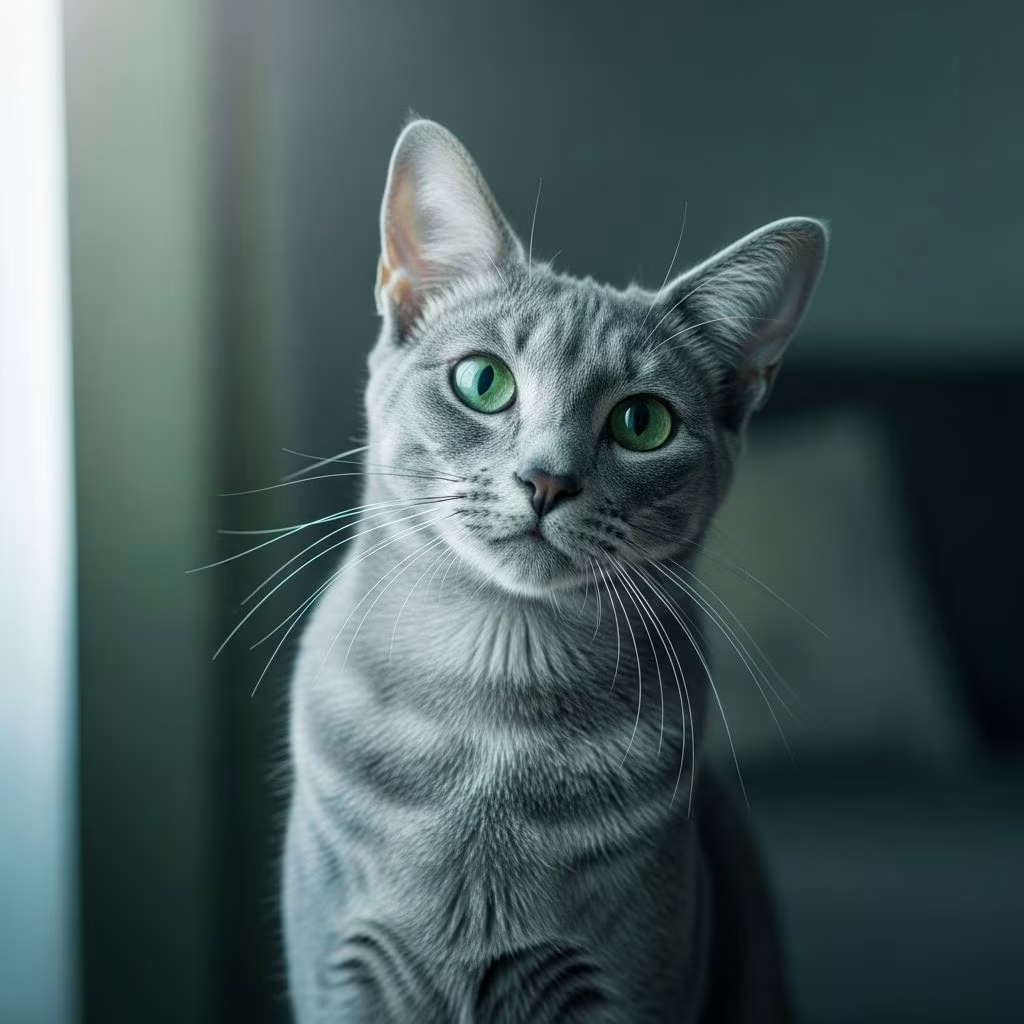
The Korat cat stands out as one of the most distinctive and ancient breeds, originating from Thailand with a legacy spanning centuries. Known for its unique silver-tipped blue-grey coat that shimmers like sea foam, this medium-sized feline combines elegance, intelligence, and deep loyalty in a compact, muscular frame.
Ancient Roots in Thai Tradition
The Korat’s history traces back to Thailand, where it has been cherished for over 800 years as a symbol of good fortune and prosperity. In Thai culture, these cats were often gifted to brides as tokens of luck and fertility, reflecting their revered status. Unlike many modern breeds, the Korat remains relatively unchanged, preserving its natural form without extensive crossbreeding.
Records from ancient Thai manuscripts, such as the Tamra Maew (Cat-Book Poems), describe the Korat—referred to locally as ‘Si Sawat’ or ‘Malet’—as a cat with a blue coat that brings wealth and happiness to its owners. This breed’s purity is strictly maintained, with only the classic blue-silver color recognized by major cat registries like the Cat Fanciers’ Association.
Distinctive Physical Traits
Korats possess a semi-cobby body that appears slender but carries surprising heft due to low body fat and dense muscle. Females typically weigh 6-8 pounds, while males reach 9-11 pounds, giving them a solid, balanced build. Their short, single-layered coat is glossy and fine, rooted in light silver-blue that darkens to slate grey and ends in shimmering silver tips, creating a luminous effect especially visible in sunlight.
The head is one of the breed’s hallmarks: broad and heart-shaped when viewed head-on, with a rounded top forming another heart outline from above, and a heart-like nose profile. Large, rounded ears sit high on the skull, framing oversized, luminous eyes that start blue at birth, shift to amber, and mature to brilliant peridot green by 2-4 years old. Shorter front legs compared to the hind provide a distinctive silhouette, enhancing their graceful, alert posture.
| Physical Feature | Description |
|---|---|
| Body Size | Small to medium, muscular, 6-11 lbs |
| Coat Color | Silver-tipped blue-grey only |
| Eyes | Large, peridot green in adults |
| Head Shape | Heart-shaped with rounded contours |
| Legs | Front shorter than hind |
While the ideal Korat is marking-free, kittens may show faint ‘ghost tabby’ patterns or rare lilac/white variations that fade with age. These non-standard colors do not qualify for breed registration but retain the Korat’s characteristic temperament.
Vibrant Personality and Behavior
Korats are intelligent, playful, and highly social cats that forge unbreakable bonds with their humans. They thrive on interaction, often climbing into laps or perching on shoulders to stay close, displaying affection through gentle head-butts and purring. Moderately active, they love interactive toys, puzzle feeders, and games mimicking hunting to satisfy their curious minds.
- Loyal Companion: Forms deep attachments, preferring to be the center of attention.
- Playful Explorer: Inquisitive and agile, excels in agility games and learning tricks.
- Vocal Communicator: Makes unique chirps and meows, less loud than Siamese but expressive when needy.
- Sensitive Soul: Can become withdrawn if isolated; dislikes being left alone for long periods.
Though good with gentle children and compatible cats or dogs, Korats may show jealousy toward attention rivals, making them best for experienced owners in calm, enriched homes. They adapt to indoor life with ample vertical spaces and not ideal for chaotic family settings.
Health and Wellness Insights
Generally robust due to their natural origins, Korats have few breed-specific issues but benefit from regular veterinary care. Their single coat suits warm climates but may need monitoring in cold weather. Common concerns include:
- Patellar luxation or hip dysplasia in some lines.
- Eye sensitivity during color development.
- Obesity risk if under-exercised, given their hefty build.
Annual check-ups, balanced diet, and dental hygiene support their 12-15 year lifespan. As slow maturers, they reach peak form around 3-5 years.
Grooming and Daily Care
Low-maintenance grooming suits the Korat’s short coat—weekly brushing removes loose hairs and enhances shine without baths needed. Nail trims biweekly, ear cleaning monthly, and dental brushing prevent issues. Provide high-quality protein-rich food to maintain muscle tone, portion-controlled to avoid weight gain.
Enrichment is crucial: scratching posts, cat trees, and daily 20-30 minute play sessions prevent boredom-induced mischief. They appreciate calm environments with access to windows for bird-watching.
Training a Clever Korat
Highly trainable, Korats respond to positive reinforcement, mastering commands like sit, fetch, and even leash walking. Clicker training excels for tricks, leveraging their smarts. Early socialization ensures confidence around strangers and pets.
Avoid punishment; instead, redirect unwanted behaviors like excessive vocalizing with toys. Their sensitivity means consistency builds trust.
Comparing Korat to Similar Breeds
| Feature | Korat | Russian Blue | Siamese |
|---|---|---|---|
| Coat | Short, single, silver-blue | Double, dense blue | Short, pointed cream |
| Head | Heart-shaped | Wedge-shaped | Applehead or wedge |
| Temperament | Playful, loyal, vocal | Reserved, gentle | Extroverted, loud |
| Body | Cobby, muscular | Sleek, athletic | Slim, elegant |
Korats differ from Russian Blues in coat texture and playfulness, and from Siamese in vocal volume and build.
Living with a Korat: Ideal Homes
Best for adults or families with older kids offering time and interaction. Multi-pet homes work if introductions are gradual. Indoor living with enclosures suits their needs, providing security.
Frequently Asked Questions (FAQs)
Are Korat cats good with children?
Yes, with gentle, respectful kids; supervise young ones due to their playful energy.
How do I groom a Korat?
Brush weekly, trim nails, clean ears; minimal shedding.
What color are Korat eyes at birth?
Blue, changing to green over 2-4 years.
Do Korats get along with dogs?
Often yes, with proper introductions; they bond well but may compete for attention.
Is the Korat a rare breed?
Yes, due to strict breeding standards and limited outcrossing.
Bringing Home Your Korat
Adopt from reputable breeders adhering to health testing. Prepare with essentials: litter box, toys, tree. Patience during maturity yields a devoted friend.
References
- Korat – Wikipedia — Wikipedia. 2023-10-15. https://en.wikipedia.org/wiki/Korat
- Korat Cat Breed Information | Purina UK — Purina. 2024-05-20. https://www.purina.co.uk/find-a-pet/cat-breeds/korat
- Korat Cat Breed | Chewy — Chewy. 2024-08-12. https://www.chewy.com/education/cat/general/behavior-breeds-korat-cat-breed
- What Is a Korat Cat? Personality and Lifestyle – ASPCA Pet Insurance — ASPCA Pet Insurance. 2024-03-10. https://www.aspcapetinsurance.com/resources/korat-cat-facts/
- What to Know About a Korat — WebMD. 2023-11-05. https://www.webmd.com/pets/cats/what-to-know-about-korat
- Korat – The Cat Fanciers’ Association — CFA. 2024-01-22. https://cfa.org/breed/korat/



