

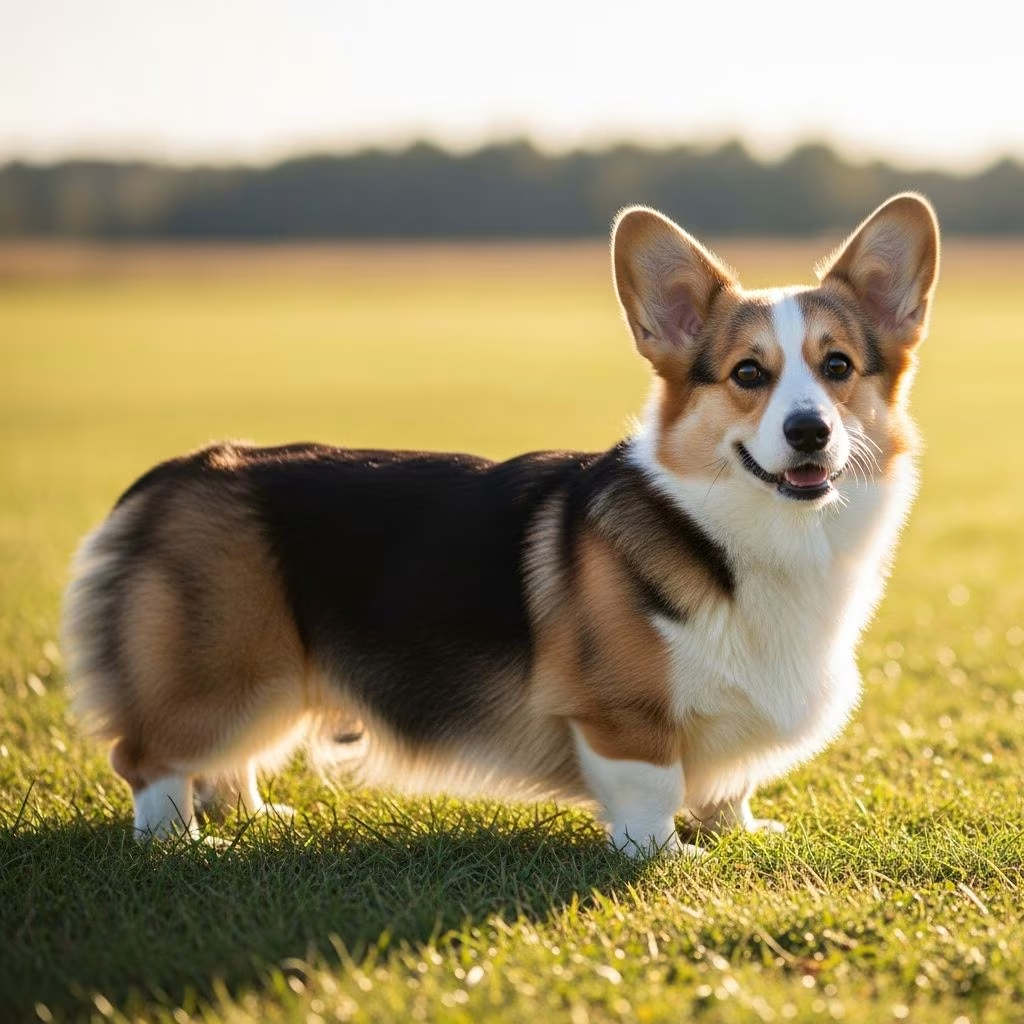
The Corgi, with its distinctive short legs, expressive face, and boundless energy, has captured hearts worldwide. These small yet sturdy dogs originated as hardworking herders in Wales and have evolved into cherished companions. This comprehensive guide delves into their ancient lineage, unique physical and behavioral attributes, essential care requirements, and practical advice for prospective owners. Whether you’re drawn to the Pembroke’s sleek form or the Cardigan’s rugged build, understanding these breeds helps ensure a harmonious life together.
Ancient Roots in Welsh Farmlands
Corgis trace their ancestry back over 3,000 years to the Celtic tribes who migrated from Central Europe to Wales. The Cardigan Welsh Corgi, the elder of the two varieties, descends from Teckel-type dogs akin to Dachshunds, brought by these early settlers. These canines cleared paths for cattle herds by driving off predators and later herded livestock behind their masters, showcasing remarkable versatility as drovers transporting cattle to English markets.
Historical records indicate Corgis were driving Welsh herds around 1,000 years ago, thriving in the rugged terrain where smaller stature proved advantageous against kicks from livestock. The Pembroke Welsh Corgi emerged later, influenced by Spitz-type dogs introduced during Viking invasions and by Flemish weavers in the 12th century. This crossbreeding in southern Wales produced the Pembroke’s naturally shorter tail and lighter frame, distinguishing it from the northern Cardigan’s longer tail.
By the 10th century, both types served as multi-purpose farm dogs: herding cattle, controlling vermin, guarding homesteads, and providing companionship. Their low center of gravity allowed them to nip at heels and evade retaliation effectively. As Welsh agriculture shifted to sheep farming in fenced pastures, longer-legged breeds like Border Collies supplanted Corgis for primary herding, relegating them to companion roles—though some UK farmers still employ them today.
Recognition came in the early 20th century. Initially lumped as one breed by the UK Kennel Club from 1925, disputes over type led to separation in 1934, with the American Kennel Club following suit. The first Cardigans arrived in the US in 1932, while Pembrokes gained fame through British royalty, starting with Queen Elizabeth II’s Dookie in 1933.
Two Distinct Varieties: Pembroke vs. Cardigan
While sharing herding heritage, Pembroke and Cardigan Welsh Corgis differ noticeably. Use this table for a clear comparison:
| Feature | Pembroke Welsh Corgi | Cardigan Welsh Corgi |
|---|---|---|
| Size & Build | Smaller, athletic; 10-14 inches tall, 25-30 lbs | Slightly larger; 10-13 inches tall, 25-38 lbs |
| Tail | Naturally bobbed or docked | Long, fox-like |
| Coat | Short, dense; red, sable, fawn, black/tan | Medium-length; merle patterns common, brindle |
| Ears | Pointed, upright | Rounded, slightly larger |
| Temperament | Outgoing, alert | More reserved, watchful |
Pembrokes boast a fox-like face and vibrant coat, exuding playfulness, while Cardigans appear more ancient and steady.
Vibrant Personality and Temperament
Corgis embody ‘big dog’ energy in compact bodies. Intelligent and trainable, they adapt well to families, children, and other pets, displaying loyalty and obedience. Their herding instinct fuels endurance for activities like chasing and mental challenges; they’re vocal guardians with a deep bark despite their size.
Highly affectionate, Pembrokes shine as outgoing family dogs, thriving on interaction. Both varieties possess tenacity and determination, ideal for jobs but prone to stubbornness without firm, consistent training. Early socialization curbs bossiness toward other dogs or nipping at heels during play, especially with kids.
- Strengths: Smart, loyal, energetic, protective.
- Challenges: Vocal, herding-driven chasing, potential stubbornness.
They excel as exercise partners, loving hikes and agility, but demand mental stimulation to prevent boredom-induced mischief.
Daily Care and Nutrition Essentials
Maintaining a Corgi’s health starts with balanced nutrition tailored to their active lifestyle. Feed high-quality dog food supporting muscle maintenance and joint health, portioned to prevent obesity—a risk given their love of food and short legs. Puppies need three meals daily until six months, transitioning to twice-daily for adults; seniors may require senior formulas.
Grooming suits their double coats: weekly brushing reduces shedding, more during seasonal blows. Bath monthly, check ears weekly, and trim nails bi-monthly. Dental care via brushing and chews prevents issues common in small breeds.
Exercise demands 30-60 minutes daily: walks, fetch, herding games. Mental enrichment like puzzle toys or obedience training keeps them sharp.
Health Considerations and Lifespan
Corgis typically live 12-15 years but face breed-specific issues:
- Back Problems: Intervertebral disc disease from short legs/long back; maintain ideal weight, avoid stairs/jumping.
- Hip Dysplasia: Common in Cardigans; screen breeding stock.
- Obesity: Monitor calories; herding energy burns efficiently.
- Eye Disorders: Progressive retinal atrophy; regular vet checks.
- Epilepsy: Manageable with medication.
Annual vet visits, vaccinations, and parasite prevention are crucial. Choose breeders with health-tested parents from reputable clubs like the AKC or PWCCA.
Training Strategies for Success
Leverage their intelligence with positive reinforcement from 8 weeks. Focus on:
- Socialization: Expose to people, pets, environments.
- Herding Control:
- Redirect nipping with toys/commands.
- Leash Manners: Prevent pulling via consistent practice.
- Barking Management: Teach ‘quiet’ cue.
- Advanced Skills: Agility, obedience for job satisfaction.
Consistency curbs stubbornness; short, fun sessions yield best results.
Ideal Homes and Lifestyle Fit
Corgis suit active households with yards, but adapt to apartments with ample exercise. Not ideal for sedentary owners or unsupervised toddlers due to herding play. Families, couples, or singles committed to training thrive with them. Their watchdog prowess adds security without excessive size.
Frequently Asked Questions (FAQs)
Are Corgis good with children?
Yes, their gentle nature suits kids, but supervise to prevent herding nips. Train early for best harmony.
How much exercise do Corgis need?
At least 30-60 minutes daily, plus mental stimulation to match their herding drive.
Do Corgis shed a lot?
Moderate shedders; brush weekly to manage double coat.
What’s the difference between Pembroke and Cardigan?
Pembrokes are sleeker with bobbed tails; Cardigans sturdier with long tails and merle coats.
Are Corgis easy to train?
Highly intelligent but can be stubborn; positive, consistent methods work wonders.
Bringing a Corgi into Your Life
Adopt from rescues or ethical breeders prioritizing health. Prepare with supplies: crate, toys, food. Corgis reward dedication with unwavering loyalty, joy, and herding spirit—perfect for enriching lives.
References
- Learn about characteristics & care – Corgi — Purina Canada. Accessed 2026. https://www.purina.ca/dogs/dog-breeds/corgi
- History of the Cardigan Welsh Corgi — Cardigan Welsh Corgi Club of America. Accessed 2026. https://cardigancorgis.com/cwcca/breed/history/
- Breed of the Month: Corgi — Bark Busters. Accessed 2026. https://www.barkbusters.com/breed-of-the-month/corgi
- Corgi Breed Guide: History, Characteristics & Care Tips — Pawlicy Advisor. Accessed 2026. https://www.pawlicy.com/blog/corgi-dog-breed/
- Pembroke Welsh Corgi History: Where the Breed Originated — American Kennel Club. 2023-05-15. https://www.akc.org/expert-advice/dog-breeds/pembroke-welsh-corgi-history/
- Pembroke Welsh Corgi Dog Breed – Facts and Traits — Hill’s Pet. Accessed 2026. https://www.hillspet.ca/en-ca/dog-care/dog-breeds/welsh-corgi-pembroke
- Pembroke Welsh Corgi Dog Breed Health and Care — PetMD. Accessed 2026. https://www.petmd.com/dog/breeds/pembroke-welsh-corgi
- Pembroke Welsh Corgi Dog Breed Information — American Kennel Club. Accessed 2026. https://www.akc.org/dog-breeds/pembroke-welsh-corgi/



