

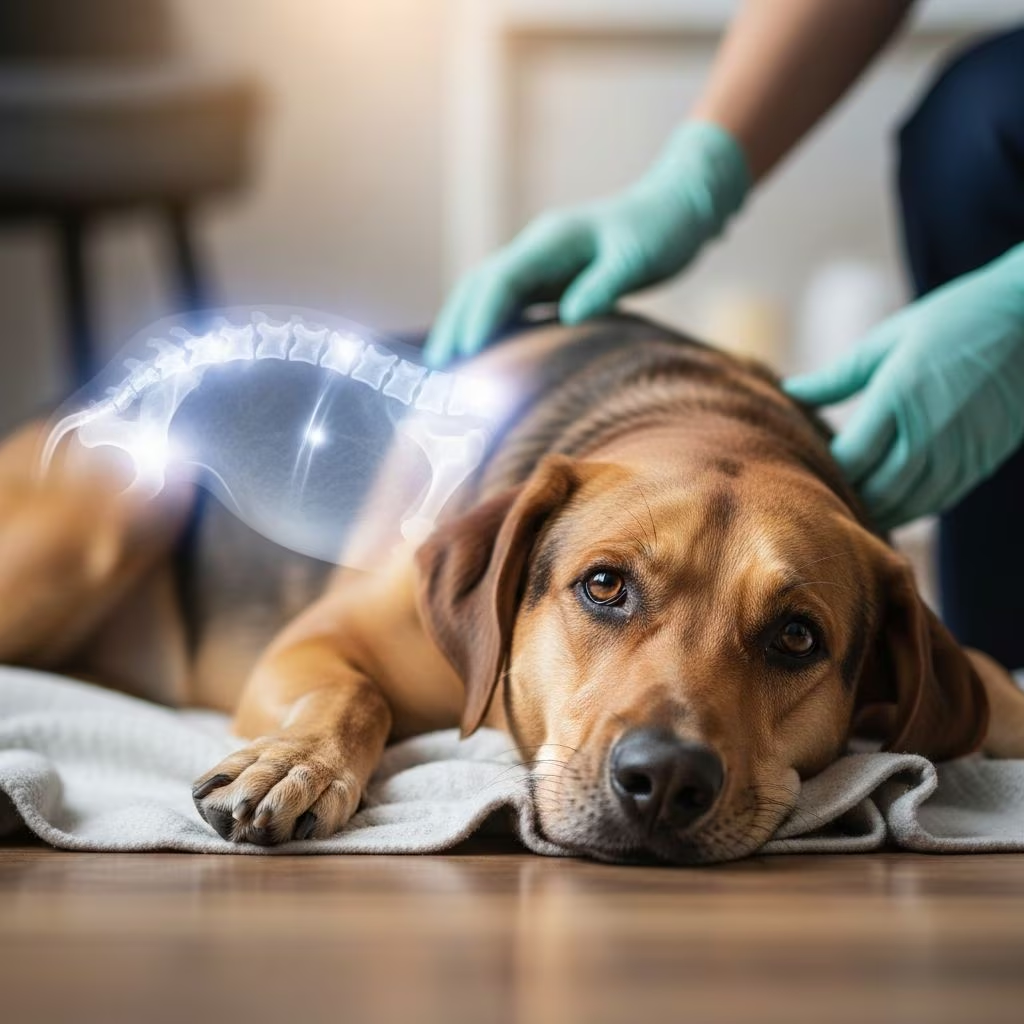
Understanding Discospondylitis in Dogs
Discospondylitis, also known as diskospondylitis, is a serious infectious condition affecting the intervertebral discs and vertebral bodies in dogs. This spinal infection can significantly impact your dog’s quality of life and requires prompt veterinary intervention. Understanding the nature of this condition, its causes, symptoms, and available treatment options is essential for dog owners whose pets may be affected.
What is Discospondylitis?
Discospondylitis refers to infection and inflammation of the intervertebral discs and the bones surrounding them in the spine. This condition can affect dogs of any age or breed, though certain factors may increase susceptibility. The infection can be bacterial, fungal, or occasionally parasitic in nature, making proper diagnosis critical for determining the appropriate treatment approach.
Causes of Discospondylitis in Dogs
Several factors can lead to the development of discospondylitis in dogs. Understanding these causes helps veterinarians identify risk factors and prevent future occurrences.
Bacterial Infections
Bacterial discospondylitis is the most common form of the disease. Staphylococcus species are the primary culprits, though Streptococcus and other bacteria can also cause infection. Bacteria can reach the spinal discs through several pathways, including bloodstream dissemination from urinary tract infections, skin infections, or other systemic infections. In some cases, trauma or surgical procedures may provide an entry point for bacterial contamination.
Fungal Infections
Fungal discospondylitis, while less common than bacterial infections, can occur in dogs and is often more challenging to treat. Fungal spores can be inhaled or ingested, and certain geographic regions have higher prevalence of specific fungal organisms that can cause spinal infections.
Other Contributing Factors
Certain conditions predispose dogs to discospondylitis, including immune system compromise, recent infections elsewhere in the body, urinary tract infections, and spinal trauma. Brucellosis, a bacterial infection spread through infected animals, can also cause discospondylitis in dogs.
Clinical Signs of Discospondylitis
Recognizing the symptoms of discospondylitis is crucial for early detection and treatment. Clinical presentation can vary depending on the severity of infection and location of the affected disc.
Early Signs
The first and most common sign of discospondylitis is back pain. Your dog may exhibit stiffness, reluctance to jump on or off furniture, or demonstrate pain when turning a certain way or being touched in specific locations. Dogs with spinal pain often carry their head low and may show reluctance to move normally. Fever occurs in approximately 30 percent of cases and may be accompanied by depression and reduced appetite.
Progressive Symptoms
As the condition advances, additional clinical signs emerge. Progressive stiffness and muscle weakness in the limbs become apparent. In severe cases where spinal cord compression occurs, dogs may develop partial or complete paralysis. The severity of neurological deficits depends on the extent of disc space infection and resulting spinal cord compression. Some dogs experience difficulty with hind limb function, while others may show forelimb involvement if cervical spine discs are affected.
Severity Spectrum
Discospondylitis can present along a spectrum of severity. In early or mild cases, dogs may show only subtle signs of discomfort. In moderate cases, significant pain and stiffness restrict normal movement and activity. In severe cases, neurological deficits can be profound, making it essential to seek veterinary care promptly when concerning symptoms develop.
Diagnosing Discospondylitis
Accurate diagnosis requires a combination of clinical evaluation and diagnostic imaging techniques. Your veterinarian will perform a thorough physical examination and may recommend various imaging and laboratory tests.
Physical Examination
During the physical examination, the veterinarian will assess your dog’s gait, muscle strength, and spinal alignment. They will perform neurological testing to evaluate for any deficits. Palpation of the spine may reveal areas of pain or sensitivity. Your dog’s general health status and any signs of systemic infection will be evaluated.
Imaging Studies
Radiographs (X-rays) are typically the first imaging modality used to identify discospondylitis. Characteristic findings include narrowing of the disc space, lytic lesions (bone loss), and sclerosis (bone thickening) of adjacent vertebral bodies. However, early discospondylitis may not show clearly on radiographs.
CT (computed tomography) and MRI (magnetic resonance imaging) provide superior visualization of the spinal cord and disc spaces. These advanced imaging techniques are particularly valuable for identifying early disease, determining the extent of spinal cord compression, and assessing multiple disc involvement. More than 40 percent of dogs with discospondylitis have multiple lesions, making comprehensive imaging important.
Laboratory Testing
Blood cultures, urine cultures, cerebrospinal fluid (CSF) analysis, and disc space cultures are critical for identifying the causative organism. Culture results guide antibiotic or antifungal selection. In some cases, CT-guided needle aspiration or surgical sampling may be necessary to obtain specimens from the affected disc space. These diagnostic procedures help identify whether bacterial or fungal organisms are responsible and provide sensitivity information to guide medication choice.
Treatment Approaches for Discospondylitis
Comprehensive treatment of discospondylitis addresses the infection, manages pain, supports spinal stability, and monitors response to therapy. Treatment protocols are individualized based on the causative organism, severity of disease, and neurological status.
Antimicrobial Therapy
The foundation of discospondylitis treatment is long-term antibiotic or antifungal medication. Treatment duration typically ranges from 6 to 12 months, with studies showing an average treatment duration of approximately 53 weeks. Bactericidal antibiotics (those that kill bacteria) are preferred over bacteriostatic agents, particularly since affected dogs may have immunosuppression.
For bacterial discospondylitis caused by Staphylococcus or Streptococcus, first-generation cephalosporins such as cefazolin or cephalexin are commonly used initially. These antibiotics have good bone penetration, which is essential for reaching the infection site within the vertebral bodies and discs. Amoxicillin-clavulanic acid may also be effective. The specific antibiotic choice is refined based on culture and sensitivity results.
For brucellosis, which cannot be completely cured, long-term or lifelong antibiotic therapy is typically required to manage the infection and maintain quality of life. Dogs with fungal discospondylitis require extended antifungal medication courses, and many require lifelong therapy to prevent infection recurrence or progression.
Pain Management
Since discospondylitis is generally very painful, pain management is a crucial component of treatment. Nonsteroidal anti-inflammatory drugs (NSAIDs) such as carprofen effectively reduce pain and inflammation. Additional pain medications including tramadol, gabapentin, and amantadine may be prescribed depending on your dog’s pain level and overall health status. Analgesics are typically used initially, though some dogs benefit from continued pain management throughout the treatment course.
Activity Restriction
Rest is essential for spinal healing and preventing further damage. For severe cases with osteomyelitis or significant spinal cord compression, cage rest is recommended to minimize movement and reduce stress on the infected discs. Cage rest protects dogs at risk for pathologic fractures of weakened vertebral bodies. For less severe cases, exercise restriction such as short leash walks without running or playing may be sufficient during the early treatment phase.
Rehabilitation and Physical Therapy
Some dogs benefit significantly from rehabilitation therapy with a certified rehabilitation practitioner. Physical therapy helps strengthen weakened muscles, maintains joint range of motion, and provides pain relief through therapeutic modalities. Rehabilitation may include controlled exercise protocols designed specifically for spinal recovery.
Appetite Support
Dogs experiencing discospondylitis may have reduced appetite due to pain, fever, or systemic illness. If poor appetite develops, veterinarians may recommend appetite stimulants to ensure adequate nutritional intake necessary for immune function and healing.
Surgical Intervention
If dogs fail to improve with medical management or develop progressive neurological deficits, surgical consultation is recommended. Specialists can perform surgery to thoroughly explore and flush the affected disc space, remove any debris or foreign material, and decompress the spinal cord if compression is significant. Surgery also allows collection of tissue samples for additional cultures, which can refine antimicrobial therapy if initial treatment was unsuccessful. While surgery is not the first-line treatment, it becomes necessary when medical management fails or neurological deterioration occurs.
Monitoring Your Dog’s Progress
During treatment, regular monitoring is essential to ensure the disease is responding appropriately to therapy.
Clinical Improvement Timeline
Clinical signs may begin to improve within 1 to 2 weeks of starting treatment, with dogs showing reduced pain and increased mobility. However, complete resolution of discospondylitis requires continuation of full antibiotic or antifungal courses as prescribed. Premature discontinuation of medications can allow signs to recur, even in dogs showing dramatic improvement.
Imaging Follow-up
Veterinarians typically perform radiographs every 4 to 6 weeks to monitor response to therapy. Radiographic evidence of improvement includes absence of progressive lytic lesions, smoothening of bone margins, and remodeling of affected vertebral bodies. Serial radiographs help confirm that the infection is resolving and allow adjustment of treatment if needed.
Ongoing Veterinary Care
Regular veterinary check-ups throughout the treatment course are necessary to assess clinical progress, adjust medications if needed, and plan for eventual discontinuation of therapy. Periodic blood tests and other diagnostics may be recommended based on individual case circumstances.
Prognosis for Discospondylitis
Prognosis varies depending on the type of infection and response to treatment.
Bacterial Discospondylitis Prognosis
Bacterial discospondylitis typically carries a good prognosis, particularly when diagnosed early and treated aggressively. Most cases resolve with prolonged antibiotic therapy, though 6 to 12 months of treatment may be required. Relapses can occasionally occur even after successful initial treatment. The exception is brucellosis infection, which cannot be completely cured but can often be successfully managed with long-term antibiotics, allowing dogs to maintain good quality of life.
Fungal Discospondylitis Prognosis
Fungal discospondylitis has a more guarded to fair prognosis compared to bacterial infections. Not all dogs respond adequately to antifungal medications. Even dogs who do respond often require lifelong antifungal therapy to prevent infection recurrence or progression. Long-term antifungal use helps minimize symptoms and slow disease advancement.
Frequently Asked Questions About Discospondylitis
Q: How long does discospondylitis treatment typically last?
A: Treatment usually lasts 6 to 12 months for bacterial discospondylitis, with an average of approximately 53 weeks. Fungal cases and brucellosis may require significantly longer or lifelong therapy. It is critical to continue antibiotics or antifungals for the full prescribed duration to prevent recurrence.
Q: Can discospondylitis be cured?
A: Bacterial discospondylitis often can be cured with appropriate long-term antibiotic therapy, especially when diagnosed early. Fungal discospondylitis is more difficult to cure and may require lifelong management. Brucellosis cannot be completely cured but can be managed with long-term antibiotics.
Q: What are the main symptoms I should watch for?
A: Early signs include back pain, stiffness, reluctance to jump or turn, and reluctance to move. As the condition progresses, muscle weakness, limb stiffness, and in severe cases, partial or complete paralysis may develop. Fever and loss of appetite may also occur.
Q: Is surgery necessary for treating discospondylitis?
A: Surgery is not the first-line treatment. Medical management with antibiotics or antifungals is typically attempted first. However, if your dog fails to improve with medication or develops progressive neurological deficits, surgical consultation with a specialist is recommended.
Q: Can my dog have multiple disc infections?
A: Yes, more than 40 percent of dogs with discospondylitis have multiple disc lesions. This is why comprehensive imaging is important for identifying all affected areas.
Q: What causes discospondylitis in dogs?
A: Discospondylitis is usually caused by bacterial or fungal infections that reach the spinal discs through the bloodstream from infections elsewhere in the body, such as urinary tract infections or skin infections. Trauma and spinal procedures can also create entry points for infection.
References
- Discospondylitis/Diskospondylitis — VCA Animal Hospitals. 2024. https://vcahospitals.com/know-your-pet/discospondylitisdiskospondylitis
- Clinical features, comparative imaging findings, treatment, and outcomes of discospondylitis in dogs — National Institutes of Health/PubMed Central. 2023. https://pmc.ncbi.nlm.nih.gov/articles/PMC10365064/
- DISCOSPONDYLITIS IN THE DOG — Mississippi State University College of Veterinary Medicine. 2016. https://www.vetmed.msstate.edu
- Discospondylitis in Dogs: Causes, Symptoms, and Prognosis — Toe Grips. 2024. https://toegrips.com/discospondylitis-in-dogs/
- Discospondylitis — MSPCA-Angell. 2024. https://www.mspca.org/angell_services/discospondylitis/



