

Understanding Discoid Lupus Erythematosus (DLE) in Dogs
Discoid lupus erythematosus, commonly known as DLE, is an autoimmune skin condition that affects dogs of various breeds and ages. This chronic condition occurs when a dog’s immune system mistakenly attacks the cells in the skin, leading to inflammation and tissue damage. Unlike its systemic counterpart (systemic lupus erythematosus or SLE), DLE is localized primarily to the skin and does not typically affect internal organs. Understanding this condition is essential for dog owners, as early recognition and appropriate management can significantly improve their pet’s quality of life and comfort.
DLE is characterized by an abnormal immune response that targets the basal layer of the epidermis. This targeted attack results in the destruction of healthy skin cells and the development of various dermatological symptoms. While the exact cause of DLE remains not completely understood, environmental factors, genetic predisposition, and ultraviolet light exposure are believed to play important roles in the development and progression of the disease.
What Causes Discoid Lupus Erythematosus in Dogs?
The etiology of DLE in dogs involves a complex interplay of genetic and environmental factors. While researchers have not identified a single causative agent, several factors are associated with the development of this autoimmune condition. Certain dog breeds appear to have a higher predisposition to developing DLE, suggesting a genetic component to the disease.
Environmental triggers play a crucial role in the manifestation of DLE symptoms. Ultraviolet (UV) radiation from sunlight is one of the most significant environmental factors known to exacerbate and potentially trigger DLE in susceptible dogs. Exposure to UV light can activate the immune system and cause flare-ups of skin lesions. Additionally, infections, stress, and certain medications may contribute to the development or worsening of the condition. The combination of genetic susceptibility and environmental exposure typically results in the clinical presentation of DLE.
Recognizing the Signs and Symptoms
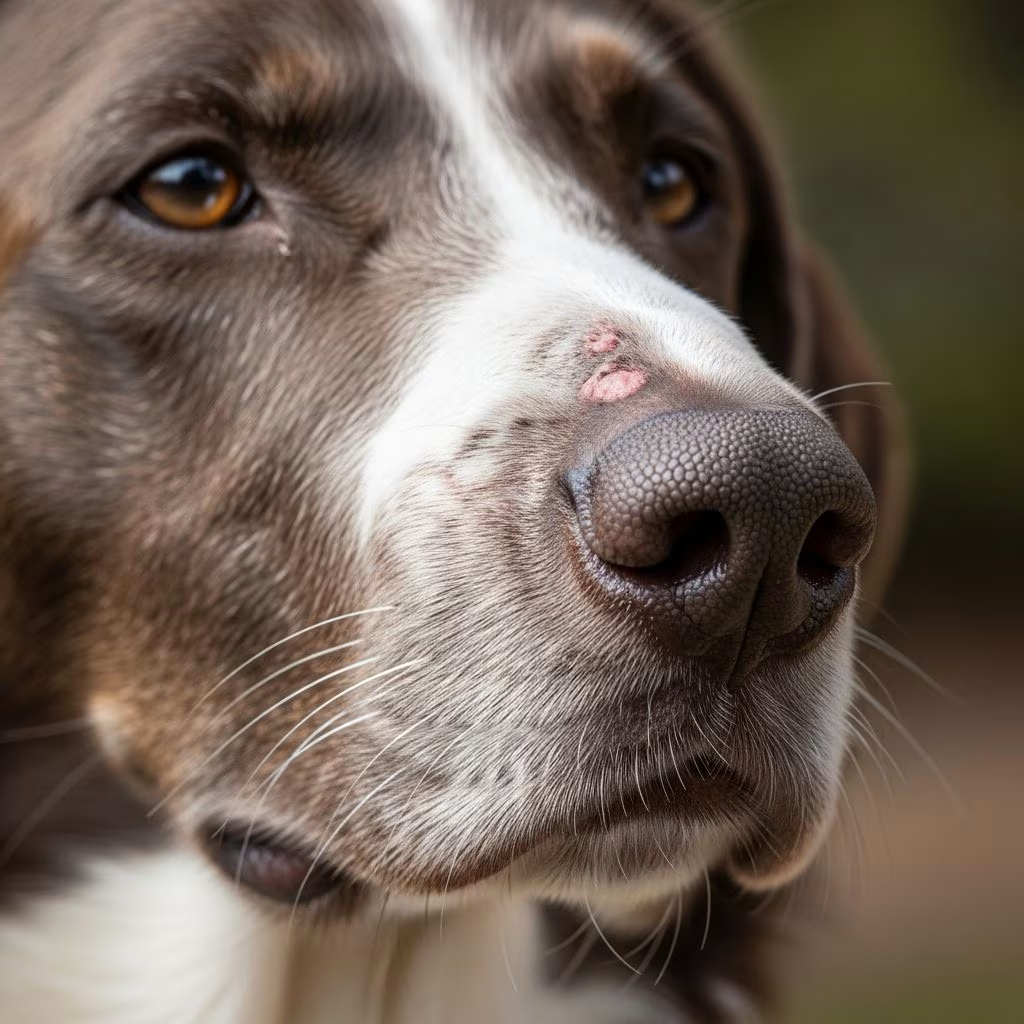
Dogs affected by DLE typically present with distinctive clinical signs that primarily affect the facial region, particularly around the nose. Recognizing these symptoms early is crucial for prompt veterinary intervention and management. The most common locations for lesions include the nasal planum (the hairless area surrounding the nostrils), the bridge of the nose, and the lips.
The characteristic skin changes associated with DLE include:
– Crusting and scabbing of the skin- Erosions or ulcers in affected areas- Loss of skin pigmentation (depigmentation) resulting in a lighter appearance- Thickening of the skin- Hair loss in affected regions- Loss of the normal cobblestone-like texture of the nasal planum, which becomes smooth- Secondary bacterial infections in affected areas- Flaky, dry skin
While DLE is typically considered a cosmetic condition and is not usually painful or uncomfortable for the dog, the appearance of these lesions can be distressing to pet owners. However, in some cases, secondary infections may develop, which could cause discomfort or itching. Additionally, if left untreated, DLE can potentially progress to involve other areas of the body, such as the ears, eyelids, genitals, or footpads.
Diagnostic Procedures and Testing
Obtaining an accurate diagnosis of DLE is essential for implementing appropriate treatment strategies. While the characteristic appearance of the lesions around the nose often suggests DLE, a definitive diagnosis requires histopathological examination of affected skin tissue.
The diagnostic process typically involves the following steps:
– Clinical examination: Your veterinarian will perform a thorough physical examination, noting the location, appearance, and distribution of skin lesions.- Skin biopsy: A small sample of affected skin is collected and sent to a laboratory for microscopic examination. This procedure involves removing a small section of skin under local anesthesia.- Histopathology: The tissue sample is examined under a microscope to identify characteristic changes associated with DLE, including inflammation at the dermoepidermal junction and immune cell infiltration.
In some cases, particularly when the clinical appearance is highly characteristic, veterinarians may initiate treatment without performing a biopsy. However, a skin biopsy remains the gold standard for confirming the diagnosis and ruling out other potential skin conditions that may present similarly.
Treatment Options for DLE
While DLE cannot be cured, various treatment approaches can effectively manage symptoms and improve the skin’s appearance. It is important to note that this condition requires lifelong management, and treatment plans should be individualized based on the severity of the disease and the dog’s response to specific medications.
Topical Treatments
For mild cases or as adjunctive therapy, topical treatments can be effective in managing DLE symptoms. These include:
– Topical steroids: Steroid creams and ointments, particularly tacrolimus topical 0.1%, are commonly prescribed to reduce inflammation and promote healing of affected skin areas.- Tacrolimus: This immunosuppressive agent applied topically can help manage skin lesions without the systemic side effects associated with oral steroids.- Moisturizing ointments: Products containing vitamin E oil, honey, or aloe vera can help soothe affected areas and maintain skin moisture. Some owners apply vitamin E oil directly to lesions by opening capsules.
Application of topical treatments typically requires 10 minutes of contact with the affected area, and it is essential to prevent the dog from licking off the medication. While topical treatments can provide some relief, they often do not address the underlying abnormal immune response driving the condition.
Systemic Medications
For more significant cases or when topical treatments prove insufficient, oral medications are necessary to control the underlying immune dysfunction.
Doxycycline and Niacinamide: This combination is often used as a first-line systemic treatment despite DLE not being an infection or vitamin deficiency. These substances work synergistically to produce a potent anti-inflammatory effect on the skin and often resolve the problem with minimal side effects. The typical approach involves a combination therapy that can be maintained for extended periods.
Tetracycline and Niacinamide: Similar to doxycycline, tetracycline combined with niacinamide can help manage DLE symptoms. These medications can be used for up to 60 days, and treatment is discontinued if no improvement is observed. Potential side effects include anorexia, vomiting, and diarrhea.
Oclacitinib: Recent research demonstrates the remarkable efficacy of oclacitinib, a JAK inhibitor, in treating various forms of canine cutaneous lupus. In studies, complete remission of lesions was achieved in the majority of dogs, with visible improvement occurring within 2-3 weeks of starting treatment and complete remission typically achieved within approximately 2 months. Clinical adverse effects were minimal, and haematological parameters remained within normal ranges.
Corticosteroids: Prednisone and other systemic corticosteroids are highly effective at managing DLE symptoms and will almost always resolve the condition. However, these medications can have significant side effects with long-term use, including lethargy, increased infection risk, metabolic disorders, and bone marrow suppression. Corticosteroids are typically reserved for cases that do not respond to milder treatments.
Other Immunosuppressive Agents: When conventional treatments are ineffective, other immunosuppressive medications such as cyclosporine, azathioprine, and mycophenolate may be considered. These drugs require careful monitoring to ensure they do not overly suppress the immune system. They are generally more expensive than other options and necessitate regular laboratory monitoring.
Supportive Care and Management
Beyond pharmaceutical interventions, several management strategies are essential for controlling DLE:
– Sun protection: Minimizing UV exposure is critical, as sunlight is a significant trigger for DLE flare-ups. This includes limiting outdoor time during peak UV hours, using dog-safe sunscreen on affected areas, and considering protective clothing.- Nutritional support: A diet rich in omega-3 fatty acids and vitamins (particularly vitamin E) can help reduce inflammation and support skin health.- Gentle grooming: Regular grooming with mild, hypoallergenic shampoos and conditioners helps keep lesions clean, reduces secondary infections, and minimizes inflammation.- Infection management: Bacterial infections commonly occur in affected areas and must be treated promptly. Antibiotics such as cephalexin may be prescribed for 30 days to address secondary infections.- Natural supplements: Herbal remedies with anti-inflammatory properties, such as chamomile or burdock root, may provide additional benefit. Aloe vera and honey may help soothe affected skin areas.
Response to Treatment and Timeline
The response to DLE treatment varies among individual dogs and depends on the specific medication regimen employed. With appropriate treatment, symptoms may improve within days to months. Recent evidence suggests that newer treatments like oclacitinib provide particularly rapid results, with visible improvement often observed within 2-3 weeks of initiating therapy.
Most dogs with DLE can achieve significant symptom improvement and enjoy an improved quality of life with proper management. Complete resolution of lesions is possible, though the condition typically requires ongoing, lifelong management to prevent recurrence.
Prognosis and Long-Term Management
The long-term prognosis for dogs with DLE is generally favorable when appropriately managed. While the condition cannot be cured, it can be effectively controlled to minimize clinical signs and allow the dog to lead a normal, comfortable life. The key to successful long-term management includes:
– Consistent adherence to prescribed medications and preventive measures- Regular veterinary follow-up appointments to monitor disease progression and adjust treatment as needed- Maintaining strict sun protection year-round- Ongoing nutritional support with appropriate dietary supplements- Prompt treatment of any secondary infections- Communication with a veterinary dermatologist for optimal disease management
Most dogs with DLE respond well to treatment and can experience significant improvement in their skin condition. The success of management depends on the severity of the disease at presentation, the dog’s individual response to specific medications, and the consistency of the owner in implementing preventive measures and administering prescribed treatments.
Frequently Asked Questions
Q: Is discoid lupus erythematosus painful for dogs?
A: DLE is typically considered a cosmetic condition and is not usually painful or uncomfortable for affected dogs. However, secondary bacterial infections or severe cases may cause some discomfort or itching. The condition is more distressing to pet owners than to the dogs themselves.
Q: Can discoid lupus erythematosus be cured?
A: No, DLE cannot be cured. It is a chronic condition requiring lifelong management. However, with appropriate treatment and preventive measures, symptoms can be effectively controlled, and many dogs experience significant improvement in their skin condition.
Q: Will my dog need treatment for the rest of their life?
A: Yes, dogs with DLE typically require lifelong treatment and management since the underlying cause remains unknown. However, the type and intensity of treatment may change over time based on your dog’s response and disease progression.
Q: How can I protect my dog from UV exposure?
A: Limit outdoor time during peak UV hours (typically 10 AM to 4 PM), use dog-safe sunscreen on affected areas, consider protective clothing or hats, and provide shaded areas in your yard. Consistent sun protection is essential for managing DLE.
Q: Can DLE spread to other parts of my dog’s body?
A: While DLE typically begins around the nose, it can potentially progress to involve other areas such as the ears, eyelids, genitals, or footpads if left untreated. Prompt treatment helps prevent this progression.
Q: What dietary changes might help my dog with DLE?
A: A diet rich in omega-3 fatty acids and vitamin E can help reduce inflammation and support skin health. Discuss specific dietary recommendations with your veterinarian, who may recommend supplements or prescription diets designed for skin health.
References
- Natural Treatments for Discoid Lupus Erythematosus (DLE) in Dogs — Riverside Animal Clinic. 2023-04-12. https://riversideanimalclinic.net/2023/04/12/797/
- Effective treatment of canine chronic cutaneous lupus erythematosus with oclacitinib — National Center for Biotechnology Information (NIH/PubMed Central). 2023. https://pmc.ncbi.nlm.nih.gov/articles/PMC10092348/
- Lupus in Dogs, Causes and Treatments — WebMD Pets. https://www.webmd.com/pets/dogs/what-to-know-about-lupus-in-dogs
- Discoid Lupus Erythematosus in Dogs — Animal Friends Dermatology. 2024-04-30. https://www.animalfriendsdermatology.com/site/blog/2024/04/30/discoid-lupus-erythematosus-dogs
- Discoid Lupus — Village Center Veterinary Care. https://www.villagecentervet.com/resources/materials/dog-health/discoid-lupus
- Lupus in Dogs — PetMD. https://www.petmd.com/dog/conditions/immune/lupus-dogs
- Discoid (Cutaneous) Lupus Erythematosus — VCA Animal Hospitals. https://vcahospitals.com/know-your-pet/discoid-cutaneous-lupus-erythematosus



