

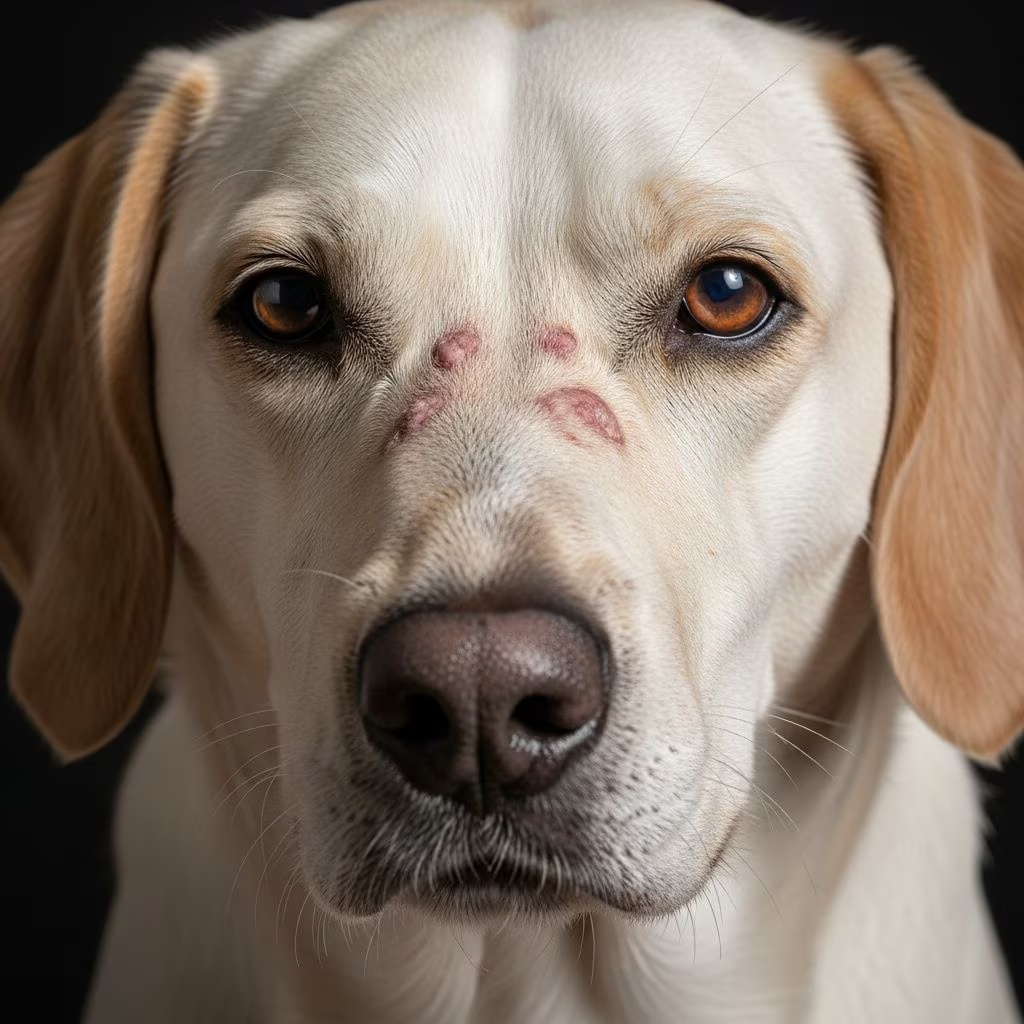
Understanding Discoid Cutaneous Lupus Erythematosus in Dogs
Discoid Cutaneous Lupus Erythematosus (DLE) is a chronic autoimmune skin disease that affects dogs of various breeds and ages. This condition is characterized by the body’s immune system attacking the skin cells, leading to progressive tissue damage and visible skin changes. Unlike systemic lupus erythematosus (SLE), which affects multiple organ systems, DLE is primarily localized to the skin, making it a more manageable condition for most affected dogs. Understanding this disease is essential for dog owners to recognize early symptoms and seek appropriate veterinary care.
DLE is a non-contagious condition that cannot be transmitted from one dog to another. However, it is a lifelong condition that requires ongoing management and veterinary oversight. The condition typically affects the nasal area first, but can progressively spread to other hairless regions of the body if left untreated. Early detection and intervention are crucial for maintaining the quality of life in affected dogs.
Clinical Signs and Symptoms
Dogs with DLE typically exhibit distinctive skin lesions and changes that develop progressively. The clinical presentation varies depending on the stage of disease and individual factors, but certain hallmark signs are commonly observed.
Primary Nasal Involvement
The nasal planum, which is the leather-like surface of the nose, is the most commonly affected area in dogs with DLE. In healthy dogs, this area normally has a dark pigmentation and a distinctive cobblestone texture. As DLE progresses, the nasal planum undergoes significant changes. The surface becomes eroded, ulcerated, and loses its characteristic texture, becoming smooth and shiny. This transformation is often one of the first visible signs that a dog owner notices.
Depigmentation
One of the most distinctive features of DLE is depigmentation, or loss of skin color. The normally dark pigmented areas, particularly the nose and surrounding muzzle, gradually lose their color and become lighter or completely pink. This depigmentation occurs because the autoimmune attack damages melanocyte-containing areas and the basement membrane of the skin. The color changes typically start at the nasal planum and may gradually spread to the lips, muzzle, and surrounding facial areas.
Crusting and Scaling
Affected areas develop marked crusting, with the nasal planum becoming thickened and covered with dry, flaky, crusty growths. The skin develops a scaly appearance, similar to dandruff, and the affected regions become very dry. In many cases, the crusts can extend from the nasal area to the surrounding skin and may occasionally spread to the muzzle and lips. The hyperkeratosis caused by cellular basement membrane thickening creates these characteristic crusty lesions.
Erosions and Ulcerations
As the disease progresses, the affected skin develops erosions and ulcerations. These are areas where the skin barrier has been damaged and the underlying tissue is exposed. While these lesions may occasionally extend to the mouth and face, the condition remains primarily localized to the nasal and perinasal regions in most dogs.
Hair Loss
Alopecia, or hair loss, commonly occurs in areas surrounding the nasal planum, including the muzzle and lips. The hairless regions become even more affected, with the condition occasionally extending to other naturally hairless areas such as the scrotum and eyelids, where erosive dermatitis may develop.
Secondary Complications
Dogs with DLE are susceptible to secondary bacterial and fungal infections due to the compromised skin barrier. These secondary infections, known as pyoderma, can cause additional inflammation, odor, and discomfort. In some cases, dogs may also experience eye problems such as conjunctivitis or keratitis if the eyelid area becomes involved.
Diagnosis of Discoid Cutaneous Lupus Erythematosus
Proper diagnosis of DLE requires a combination of clinical evaluation and laboratory testing. A veterinarian will begin with a thorough physical examination, looking for the characteristic clinical signs described above.
Diagnostic Methods
The primary diagnostic method involves histopathological examination of affected tissue. A skin biopsy is taken from the affected area and examined under a microscope. The characteristic histopathological findings include a lymphocyte-rich interface dermatitis, apoptosis (programmed cell death), and hydropic changes of basal keratinocytes. These microscopic findings are diagnostic for DLE and help differentiate it from other skin conditions.
Additional laboratory tests may be performed to rule out other autoimmune conditions and to assess the overall health of the dog. These may include complete blood counts, biochemical panels, and other immunological tests as needed.
Treatment Options for DLE
While DLE cannot be cured, it is manageable with appropriate treatment and lifestyle modifications. The goal of treatment is to control inflammation, prevent secondary infections, minimize sun exposure, and maintain the dog’s quality of life. Treatment approaches are often multi-faceted and may need to be adjusted based on individual response.
Topical Treatments
Topical treatments are typically the first-line therapy for localized DLE. Topical tacrolimus ointment (0.1%) is the steroid cream most commonly prescribed and is highly effective in reducing focal inflammation. This medication helps to suppress the local immune response without causing systemic side effects. Potent glucocorticoid ointments are also used as first-line topical therapy in many cases.
When using topical steroids, it is important to note that excessively strong formulations can cause scarring, so careful selection is necessary. Dogs typically need to be gradually weaned off topical steroid medications to prevent rebound inflammation.
Systemic Immunosuppressive Therapy
For more extensive lesions or when topical therapy alone is insufficient, systemic treatment may be necessary. Remission can be achieved with immunosuppressive doses of prednisolone, and maintenance therapy can be conducted using the lowest possible dose and frequency. Other systemic immunosuppressive medications include:
- Cyclosporine – provides immunosuppression with varying efficacy
- Azathioprine – used as an alternative immunosuppressive agent
- Chlorambucil – a non-steroidal immunosuppressive drug
- Mycophenolate mofetil – an alternative for dogs who do not respond to other medications
Tetracycline and Niacinamide Combination
Tetracycline and niacinamide are medications that can be used together to manage DLE symptoms. This combination has both anti-inflammatory and immunomodulatory properties. Treatment with this combination is typically continued for up to 60 days, and if there is no improvement in symptoms, it may be discontinued and replaced with an alternative anti-inflammatory medication. Potential side effects include anorexia, vomiting, and diarrhea.
Antibiotic Therapy
Secondary bacterial infections are common in dogs with DLE due to the compromised skin barrier and chronic inflammation. When pyoderma develops, antibiotic treatment is necessary. Commonly used antibiotics include cephalexin (typically prescribed at 10-15 milligrams daily for 30 days), co-amoxiclav, and clindamycin. For non-healing or recurrent pyoderma, bacterial culture and sensitivity testing should be performed to identify the most appropriate antibiotic for the individual dog.
Medicated Bathing
Medicated baths containing antibacterial and antifungal medications are an important component of managing secondary infections. Dogs should be soaked in medicated baths for a few minutes at regular intervals to help soothe the affected skin, reduce inflammation, and treat deep pyoderma. These baths help maintain skin health and reduce bacterial colonization.
Nutritional Support and Supplements
Prescription diets specifically formulated to support skin health are beneficial for dogs with DLE. These diets work to restore normal skin function and promote healing. Supplements containing omega-3 and omega-6 fatty acids (EPAs and DHAs) are particularly beneficial for supporting skin and coat health. These supplements have natural anti-inflammatory properties and help strengthen the skin barrier. Vitamin E is also recommended to support skin health and immune function.
Sun Protection
Sun exposure is a significant factor that can exacerbate DLE symptoms, making sun avoidance crucial for long-term management. Dogs with DLE should be kept indoors during peak daylight hours and provided with protective clothing when outdoors. Topical sunscreens should be applied to affected areas and other exposed skin. Sunblocks containing titanium dioxide are particularly effective for managing skin lesions as they provide physical barriers against UV penetration.
Disease Prognosis and Long-Term Management
DLE has no known cure, meaning an exact cure is impossible. The condition is caused by an autoimmune process that cannot be reversed, but it can be effectively managed with appropriate treatment and lifestyle modifications. Dogs with DLE require lifelong management and medication to control symptoms and prevent complications.
The good news is that properly managed dogs with DLE can live full, comfortable lives without significant pain or discomfort associated with the lesions themselves. While DLE is considered a cosmetic condition in many cases, the lesions can become uncomfortable if secondary infections develop or if the condition is left untreated.
With consistent treatment prescribed by a veterinary dermatologist, dogs’ symptoms may disappear within a few days to several months. Recovery depends on the dog’s individual response to treatment, the severity of the condition, and the dog’s overall quality of life. Regular veterinary check-ups are essential to monitor disease progression, adjust medications as needed, and address any complications early.
Monitoring and Follow-Up Care
Dogs with DLE require regular monitoring to ensure that treatment remains effective and complications are identified early. Veterinary dermatologists will determine the appropriate schedule for follow-up examinations based on the individual dog’s response to treatment and disease severity.
During follow-up visits, the veterinarian will assess the healing of affected skin areas, monitor for secondary infections, and adjust medications as necessary. Some dogs may eventually achieve remission with minimal or no visible lesions, while others may require ongoing maintenance therapy to keep symptoms under control.
Frequently Asked Questions About DLE in Dogs
Q: Is discoid lupus erythematosus contagious to other dogs or humans?
A: No, DLE is not contagious. It is an autoimmune disease that cannot be transmitted from one dog to another or to humans. It is a non-contagious condition specific to the affected individual dog.
Q: Can DLE be cured?
A: No, DLE cannot be cured because the exact cause is unknown. However, it is highly manageable with appropriate lifelong treatment, sun protection, and veterinary care. Many dogs with DLE can live normal, comfortable lives with proper management.
Q: What breeds are most susceptible to DLE?
A: DLE can affect dogs of any breed and age, though certain breeds may have a higher predisposition. German Shepherds, Siberian Huskies, and Collies are among the breeds that appear to have increased susceptibility to this condition.
Q: How long does treatment take to show results?
A: With appropriate treatment, dogs’ symptoms may improve within a few days to several months. The timeline varies depending on the severity of the condition, the dog’s individual response to medication, and the consistency of treatment adherence.
Q: Are there any natural treatments for DLE?
A: While some herbal supplements such as chamomile and burdock root have anti-inflammatory properties, and aloe vera or honey may help soothe affected areas, these should not replace prescribed medications. These natural remedies can be used as complementary treatments alongside veterinary-prescribed medications for optimal results.
Q: What is the difference between DLE and systemic lupus erythematosus (SLE)?
A: DLE affects only the skin, while SLE is a systemic autoimmune disease that can affect multiple organ systems including the skin, joints, kidneys, and heart. DLE is generally more manageable and has a better prognosis than SLE.
Q: How often should a dog with DLE visit the veterinarian?
A: Dogs with DLE should have regular veterinary check-ups as recommended by their veterinary dermatologist. The frequency may vary based on disease severity and treatment response, but regular monitoring is essential for optimal management.
References
- Discoid Lupus Erythematosus in Dogs: Symptoms and Management — Total Veterinary Care. 2024. https://total.vet/discoid-lupus-erythematosus-in-dogs/
- Discoid (Cutaneous) Lupus Erythematosus in Dogs — VCA Animal Hospitals. https://vcahospitals.com/know-your-pet/discoid-cutaneous-lupus-erythematosus
- Cutaneous Lupus Erythematosus: Diagnosis and Treatment — Veterinary Practice. 2024. https://www.veterinary-practice.com/article/cutaneous-lupus-erythematosus
- Discoid Lupus Erythematosus in Dogs: Signs, Symptoms, and Treatment — Animal Friends Dermatology. 2024. https://www.animalfriendsdermatology.com/site/blog/2024/04/30/discoid-lupus-erythematosus-dogs
- Lupus in Dogs: Comprehensive Management Guide — PetMD. https://www.petmd.com/dog/conditions/immune/lupus-dogs
- Natural Treatments for Discoid Lupus Erythematosus in Dogs — Riverside Animal Clinic. 2023. https://riversideanimalclinic.net/2023/04/12/797/



