

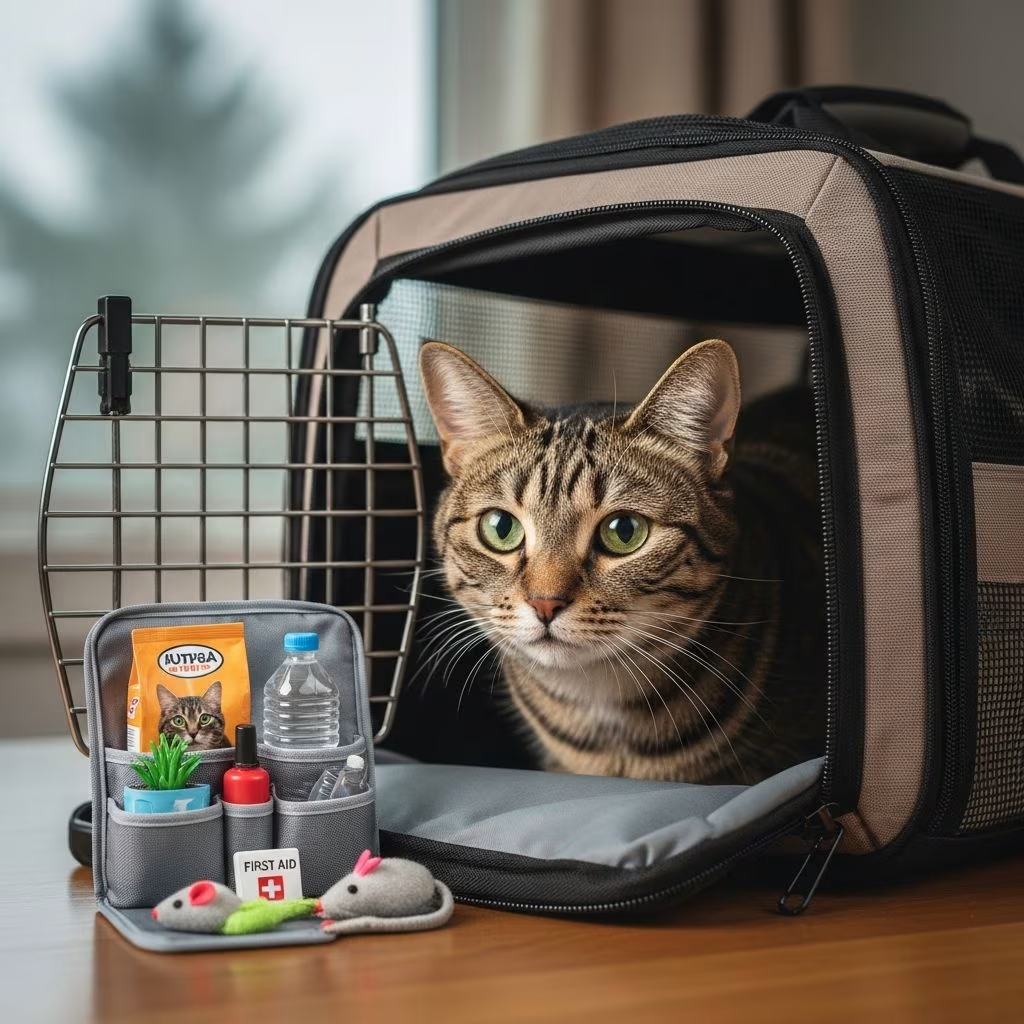
Cats are beloved family members, but disasters like hurricanes, floods, wildfires, earthquakes, and tornadoes can strike unexpectedly, putting their safety at risk. Proper preparation ensures you can protect your feline companion during crises. This guide covers creating emergency kits, planning evacuations, identifying safe zones, and more, drawing from veterinary and animal welfare experts to help you keep your cat safe.
Why Disaster Preparedness Matters for Cat Owners
Emergencies disrupt normal routines, potentially separating you from your cat or exposing them to dangers like flooding or power outages. Cats’ independent nature makes them vulnerable if not prepared—many get lost, injured, or stressed without a plan. According to the ASPCA, pet-friendly shelters are limited, so planning ahead is crucial. Cornell Feline Health Center emphasizes having supplies for at least two weeks, as rescue efforts may take time. Preparation reduces stress, prevents escapes, and increases survival chances.
Step 1: Create a Feline Disaster Kit
A well-stocked emergency kit is the foundation of cat preparedness. Store it in a waterproof, portable container like a backpack or plastic bin near an exit for quick access. Rotate food and water every 2-3 months to keep them fresh.
- Food and Water: 7-14 days’ supply of canned (pop-top) or dry food in waterproof containers; 2-week water supply per cat (store in plastic in a dark place); non-spill bowls; manual can opener.
- Litter Supplies: Disposable litter trays (aluminum pans), litter or paper toweling, scooper, plastic bags for waste, liquid dish soap, disinfectant.
- Medications and Health: 2-week supply of prescriptions, flea/tick/heartworm preventatives; pet first-aid kit (gauze pads, bandages, antiseptic wipes, tweezers, scissors, antibiotic ointment, gloves, cold pack).
- Identification and Comfort: Extra breakaway collar with ID tags, microchip info, recent photos, toys, blanket, pillowcase (carrier alternative).
- Carrying and Security: Sturdy crate/carrier (escape-proof with zip ties/bolts), harness, leash, flashlight, batteries.
- Documents: Waterproof copies of vet records, rabies certificate, vaccinations, medical summary, FeLV/FIV test, ownership proof, contact info, boarding instructions.
Label the crate with your cat’s name and your contact info using duct tape. Train your cat to enter the carrier with treats for stress-free loading.
Step 2: Identify Pet-Friendly Evacuation Zones and Safe Havens
Know where to go before disaster hits. Research pet-friendly hotels, shelters, and vet clinics in advance—many standard shelters don’t accept pets.
- Home Safe Zones: Utility rooms, bathrooms, basements without windows or hazards; high shelves for floods; fill bathtubs/sinks with water pre-power outage.
- Evacuation Sites: Contact vets for boarding lists; ask shelters for emergency fostering; map routes avoiding flood-prone areas.
In floods, head to the highest point; cover carriers with towels to calm cats. For fires, have an escape plan with two exits per room.
Step 3: Update Identification and Train Your Cat
Ensure your cat is always identifiable and carrier-trained.
| Identification Method | Details | Why It Matters |
|---|---|---|
| Breakaway Collar & Tags | Current phone/address; extra collar in kit | Immediate visual ID if lost |
| Microchip | Update registry info; record number | Permanent ID, scannable even if collar lost |
| Photos & Descriptions | Recent hard copies/digital backups | Proof of ownership for reunification |
Train carrier use weekly: place treats inside, gradually close door. License your cat if required locally.
Step 4: Make a Family and Pet Evacuation Plan
Discuss roles: who grabs the kit, who handles cats? Practice drills. Assign backups if you’re away.
- Locate temporary caregivers (neighbors, friends) with keys and supply access.
- Post “Rescue Alert” stickers on windows: “Pets Inside” with count/species.
- Include human kit: batteries, radio, cash, meds.
Never leave cats behind—evacuate early. In vehicles, secure carriers; avoid leaving alone.
Step 5: Special Considerations for Multi-Cat Homes or Special Needs Cats
For multiple cats, have one secure carrier per cat plus extras. Label each. Special needs (seniors, medical issues): extra meds, comfy bedding, familiar scents. Kittens need more frequent feeding/water checks.
Common Disasters and Cat-Specific Tips
- Hurricanes/Floods: Evacuate early; elevate supplies.
- Wildfires: Wet towels over carriers; go-to zone upwind.
- Earthquakes: Drop/cover/hold; secure heavy furniture.
- Tornadoes: Basement safe room with kit.
- Power Outages: Battery radio for updates; manual litter.
Frequently Asked Questions (FAQs)
What should be in a cat disaster kit?
A cat disaster kit includes 7-14 days of food/water, litter supplies, meds, first-aid, carrier, ID docs, and comfort items like toys/blankets.
How do I train my cat for a carrier?
Feed meals inside, use treats, gradually increase time closed; make it a positive space.
Is microchipping enough ID?
No—combine with collar/tags and photos for best results.
What if I can’t evacuate with my cat?
Pre-arrange caregivers; leave kit, water, instructions; post alert stickers.
How much water does my cat need daily?
About 1 cup per 10 lbs body weight; store 2 weeks’ worth.
Final Checklist for Cat Owners
- Kit assembled and rotated?
- Carrier labeled/trained?
- ID updated (microchip/tags/license)?
- Evac routes/safe havens mapped?
- Family plan practiced?
- Backup caregivers assigned?
Review annually or after moves. Preparedness saves lives—start today.
References
- Disaster Preparedness for Cats — Cornell University College of Veterinary Medicine. Accessed 2026. https://www.vet.cornell.edu/departments-centers-and-institutes/cornell-feline-health-center/health-information/feline-health-topics/disaster-preparedness
- Disaster Planning for Cat Owners — ASPCA. Accessed 2026. https://www.aspcapro.org/sites/default/files/aspca_disasterplanning_catsfinal.pdf
- Emergency Preparedness Checklist for Cats — FieldHaven Feline High Rescue. 2021-06. https://fieldhaven.com/wp-content/uploads/2021/06/fieldhaven-animal-sheltering-team-evacuating-with-cats.pdf
- Disaster Preparedness — ASPCA. Accessed 2026. https://www.aspca.org/pet-care/general-pet-care/disaster-preparedness
- Disaster Preparedness: Keeping Cats Safe — Cat Adoption Team. Accessed 2026. https://catadoptionteam.org/resources/disaster-preparedness-keeping-cats-safe/
- Build a Pet Disaster Preparedness Kit — Centers for Disease Control and Prevention (CDC). Accessed 2026. https://www.cdc.gov/healthy-pets/emergency-preparedness/preparedness-kit.html



