

What is Diphenoxylate + Atropine?
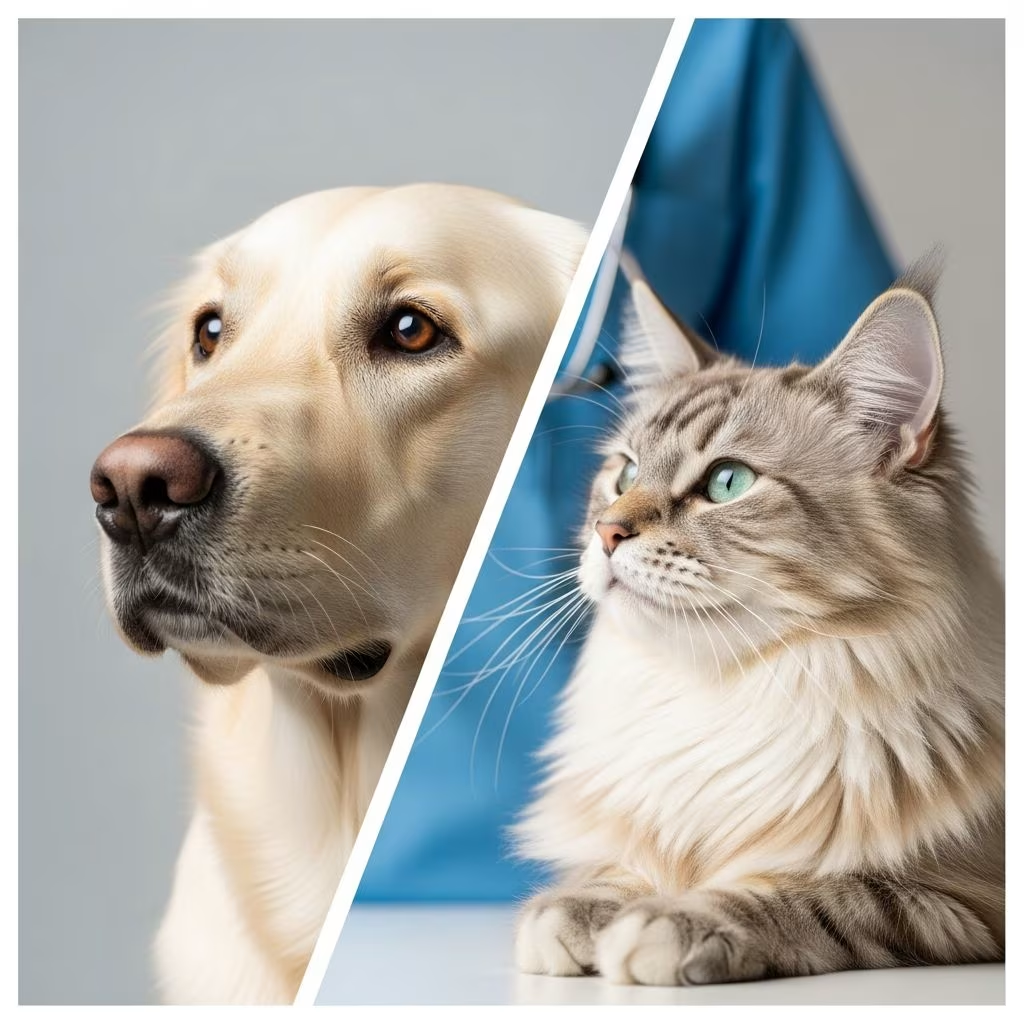
Diphenoxylate + atropine, commonly known by its brand name Lomotil®, is an opioid combination medication prescribed by veterinarians to treat diarrhea in both dogs and cats, as well as coughing in dogs. This medication represents an important therapeutic option in veterinary medicine for managing gastrointestinal and respiratory conditions that can significantly impact your pet’s quality of life.
The medication combines two active ingredients that work synergistically: diphenoxylate, which is an opioid agonist similar to morphine, and atropine, an anticholinergic agent that blocks certain nerve junctions. Together, these components address both the underlying cause and symptoms of diarrhea while also providing cough suppression capabilities.
It’s important to note that the use of diphenoxylate + atropine in dogs and cats is classified as “off-label” or “extra-label” use. This means the medication is not officially approved by regulatory agencies for veterinary use, though it is commonly and legally prescribed by veterinarians under the prescribing cascade. Many drugs are routinely prescribed off-label in veterinary medicine when their therapeutic benefits justify their use, but you must follow your veterinarian’s directions and cautions carefully, as they may differ significantly from the human medication label.
How Diphenoxylate + Atropine Works
Understanding the mechanism of action helps pet owners appreciate why this medication is effective for specific conditions. Diphenoxylate works through multiple pathways to reduce diarrhea. In dogs, diphenoxylate has a direct effect on the circular smooth muscle of the bowel, resulting in segmentation and prolongation of gastrointestinal transit time. This enhanced segmentation allows increased contact between intestinal contents and the intestinal mucosa, improving fluid absorption.
The medication also slows the gastrointestinal tract, decreases intestinal secretions, and enhances the absorption of liquids, all of which contribute to its antidiarrheal effects. Additionally, diphenoxylate exhibits opioid properties that can help suppress coughing in dogs through central nervous system effects.
The atropine component, present in the combination formulation, functions as an anticholinergic agent that blocks certain types of nerve junctions. This results in relaxation of intestinal muscle and a reduction in intestinal motility, further supporting the antidiarrheal effects. At therapeutic doses used in veterinary medicine, the atropine is considered to have minimal independent effect but serves an important secondary role in the medication’s efficacy.
Administration and Dosage Guidelines
Proper administration of diphenoxylate + atropine is crucial for achieving therapeutic benefits while minimizing the risk of adverse effects. This medication should be administered by mouth in the form of a tablet or liquid formulation. Pet owners should follow their veterinarian’s specific instructions regarding dosing frequency and amount, as these may vary based on the individual pet’s condition and response to treatment.
General dosing guidelines for dogs include 0.05 to 0.1 milligram per pound (0.1 to 0.2 milligram/kilogram) administered two to three times daily for diarrhea management. For coughing, the typical dose ranges from 0.1 milligram to 0.2 milligram per pound (0.2 to 0.4 milligram/kilogram) every 8 to 12 hours. Liquid diphenoxylate formulations are dosed at 2 to 15 milliliters four times daily for diarrhea, and these liquid forms must be measured carefully to ensure accurate dosing.
The medication can be given with or without food; however, if your pet experiences vomiting when dosed on an empty stomach, you should administer future doses with food to improve tolerance. This simple adjustment can significantly improve your pet’s acceptance of the medication and reduce gastrointestinal upset.
One of the advantages of this medication is its rapid onset of action. Diphenoxylate + atropine typically takes effect quickly, within approximately 1 to 2 hours of administration, and your pet’s clinical signs should show improvement after this timeframe. The duration of administration depends on the specific condition being treated, your pet’s response to the medication, and the development of any adverse effects. It is essential to complete the entire prescription as directed by your veterinarian unless specifically instructed otherwise, even if your pet appears to feel better.
Potential Side Effects and Adverse Reactions
While diphenoxylate + atropine is generally well-tolerated when prescribed appropriately by a veterinarian, pet owners should be aware of potential side effects. Understanding these possible reactions helps you monitor your pet closely and report concerning symptoms to your veterinary team promptly.
Common side effects include constipation, bloating, and sleepiness. These mild effects often resolve as your pet’s body adjusts to the medication or may be managed through dietary adjustments and activity modification recommended by your veterinarian.
However, rare but serious adverse reactions can occur without warning and require immediate veterinary attention. These include:
- Pancreatitis (inflammation of the pancreas)
- Vomiting
- Worsening diarrhea despite treatment
- Loss of appetite
- Extreme lethargy or unusual tiredness
- Jaundice (yellowing of skin, eyes, and gums)
- Hyperexcitability in cats
- Overdose symptoms including fever and elevated heart rate (tachycardia)
Additionally, this medication may interact with other drugs your pet is receiving. Medications that can potentially interact with diphenoxylate include certain antihistamines, tranquilizers, barbiturates, and monoamine oxidase inhibitors, so inform your veterinarian about all medications and supplements your pet is currently taking.
Since this is a short-acting medication, it should stop working within 24 hours if discontinued, which is reassuring if any adverse effects occur.
Critical Safety Contraindications
Certain conditions make diphenoxylate + atropine inappropriate or potentially dangerous for your pet. Diphenoxylate + atropine should NOT be used in pets with:
- Known allergies to either diphenoxylate or atropine
- Diarrhea caused by toxins or infections, including parvovirus
- Liver failure or obstructive jaundice
- Intestinal obstruction
In cases of infectious diarrhea or toxin-induced diarrhea, using this medication could worsen the condition by trapping harmful pathogens or toxins within the gastrointestinal tract. Similarly, using this medication in animals with intestinal obstruction can create life-threatening complications by further reducing intestinal motility.
Conditions Requiring Cautious Use
Certain medical conditions warrant careful consideration and close monitoring when using diphenoxylate + atropine. This medication should be used with caution in:
- Older or debilitated pets with compromised overall health status
- Pets with Addison’s disease (hypoadrenocorticism), hypothyroidism, liver disease, or severe kidney failure
- Pets with respiratory disease or other breathing difficulties
- Pets with central nervous system depression, such as those with head injury or hepatic encephalopathy
- Pets with acute abdominal conditions
- Cats in general
The use of this medication in cats is particularly controversial and generally not recommended, as cats may be more susceptible to certain adverse effects and their use requires especially careful veterinary consideration. If your cat has been prescribed this medication, follow your veterinarian’s instructions closely and monitor closely for any signs of adverse reactions.
Brand Names and Formulations
Diphenoxylate + atropine is available under several brand names in human formulations, including Lomotil® (the most commonly referenced brand), Logen®, and Lonox®. The medication comes in tablet form at 2.5 milligram strength or as a liquid formulation. Importantly, there are no FDA-approved veterinary formulations; all veterinary use represents off-label prescribing of human formulations under the prescribing cascade.
Frequently Asked Questions
Q: Why is diphenoxylate + atropine used off-label in veterinary medicine?
A: Off-label use is common in veterinary medicine when a medication has proven therapeutic benefits for a specific condition. Veterinarians can legally prescribe human-approved medications for animals under the prescribing cascade when they believe the benefits justify the use and no approved veterinary alternative exists. Always follow your veterinarian’s specific instructions for off-label medications.
Q: How quickly does diphenoxylate + atropine work?
A: This medication typically takes effect within 1 to 2 hours of administration, and you should notice improvement in your pet’s clinical signs after this period. The short-acting nature means if side effects occur, the medication should stop working within 24 hours.
Q: Can I give this medication with food?
A: Yes, you can give diphenoxylate + atropine with or without food. However, if your pet experiences vomiting on an empty stomach, administer future doses with food to improve tolerance and reduce gastrointestinal upset.
Q: What should I do if my pet shows signs of serious side effects?
A: Contact your veterinarian immediately if your pet experiences vomiting, worsening diarrhea, loss of appetite, extreme lethargy, jaundice, or any other concerning symptoms. Do not continue the medication without veterinary guidance if serious adverse reactions occur.
Q: Why is this medication not recommended for cats?
A: The use of diphenoxylate + atropine in cats is controversial because cats may be more susceptible to adverse effects, particularly hyperexcitability. If a veterinarian prescribes this medication for your cat, careful monitoring is essential, and alternative treatments should be discussed.
Q: Can diphenoxylate + atropine treat all types of diarrhea?
A: No, this medication should not be used for diarrhea caused by infections (like parvovirus) or toxins, as it could trap harmful agents in the gastrointestinal tract and worsen the condition. Your veterinarian will determine if this medication is appropriate for your pet’s specific type of diarrhea.
Q: What is the difference between common and serious side effects?
A: Common side effects like constipation, bloating, and mild sleepiness typically occur with normal use and often resolve as your pet adjusts. Serious side effects like pancreatitis, jaundice, or extreme lethargy require immediate veterinary attention and may necessitate discontinuing the medication.
Important Storage and Administration Notes
Diphenoxylate does not require special storage conditions; however, store all medications in a cool, dry place away from direct sunlight and out of reach of children and pets. Always measure liquid formulations carefully to ensure accurate dosing, and never administer this medication without first consulting your veterinarian. Even if your pet appears to feel better, complete the entire treatment course as prescribed unless specifically directed otherwise by your veterinarian to prevent relapse or development of medication resistance.
References
- Diphenoxylate + atropine (Lomotil) — VCA Animal Hospitals. 2024. https://vcahospitals.com/know-your-pet/diphenoxylate–atropine
- Diphenoxylate – AURA Veterinary Information Sheet — AURA Veterinary. 2023. https://www.auravet.com/wp-content/uploads/2023/08/Diphenoxylate.pdf
- LOMOTIL (diphenoxylate hydrochloride and atropine sulfate) Prescribing Information — Pfizer. 2024. https://labeling.pfizer.com/showlabeling.aspx?id=629
- Diphenoxylate (Logen, Lomotil, Lonox) for Dogs and Cats — PetPlace. 2024. https://www.petplace.com/article/drug-library/drug-library/library/diphenoxylate-logen-lomotil-lonox-for-dogs-and-cats
- Drugs Used to Treat Diarrhea in Monogastric Animals — Merck Veterinary Manual Pharmacology. 2024. https://www.merckvetmanual.com/pharmacology/systemic-pharmacotherapeutics-of-the-digestive-system/drugs-used-to-treat-diarrhea-in-monogastric-animals



