

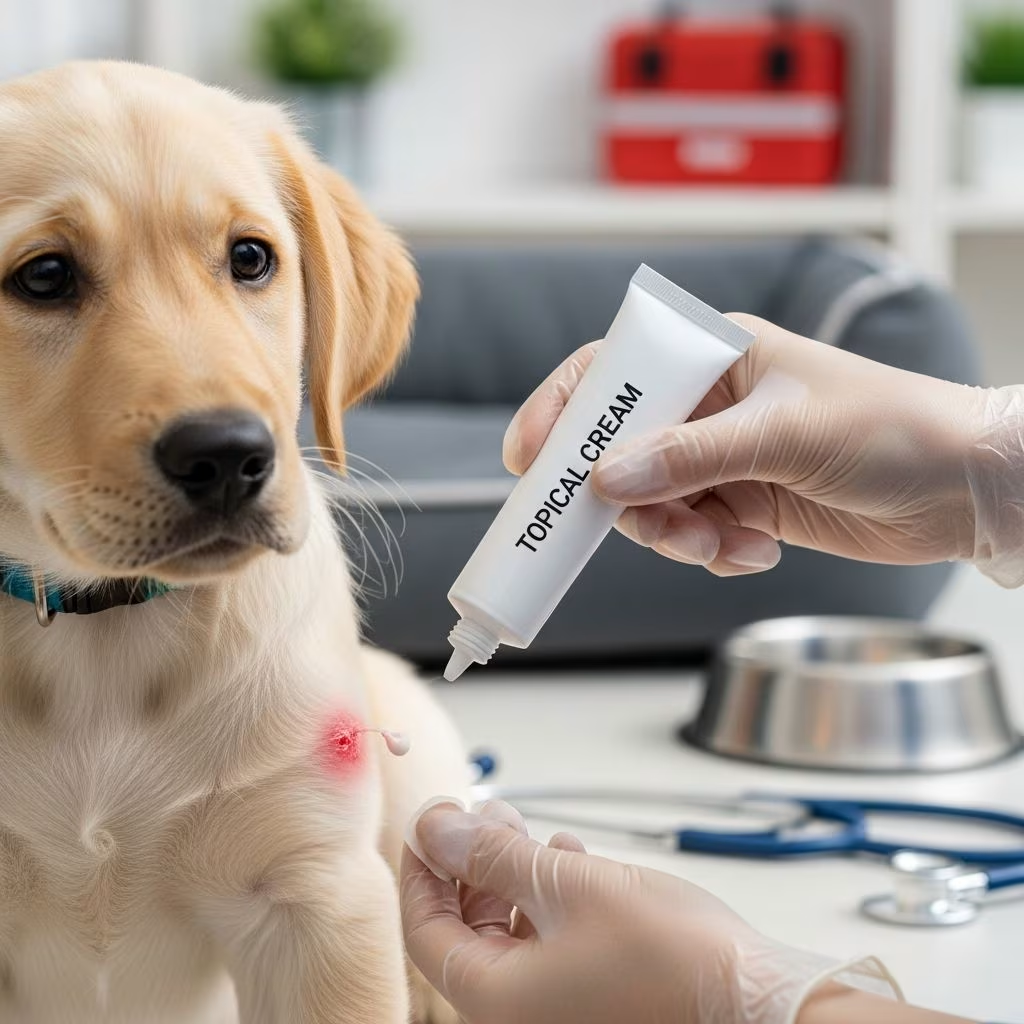
Diphenhydramine Topical for Pets: A Complete Guide
Diphenhydramine topical is a specialized formulation of the antihistamine medication commonly known as Benadryl, designed specifically for external application on pet skin. This topical preparation combines the therapeutic benefits of diphenhydramine with the convenience of direct application to affected areas, making it an effective treatment option for various allergic skin conditions and localized irritations in dogs, cats, and other small animals. Understanding how topical diphenhydramine works, when to use it, and how to apply it safely is essential for pet owners who want to provide optimal care for their companions’ skin health.
What is Topical Diphenhydramine?
Topical diphenhydramine is an external antihistamine medication that comes in cream, gel, spray, or ointment formulations designed for application directly to the skin surface. Unlike oral diphenhydramine, which is absorbed systemically throughout the body, topical formulations work locally at the site of application, providing targeted relief to specific areas of concern. The medication is available under various brand names including specialized pet formulations and veterinary-approved products, though some pet owners use human over-the-counter topical antihistamines under veterinary guidance.
The topical form is particularly useful for pets who have difficulty swallowing oral medications or for those requiring localized treatment. The formulation often includes additional soothing ingredients such as lidocaine, aloe vera, or other moisturizing agents that enhance the therapeutic effect and provide additional comfort to irritated skin.
How Topical Diphenhydramine Works on Pet Skin
Diphenhydramine functions as a first-generation antihistamine by blocking histamine receptors in the skin tissue. When pets experience allergic reactions or skin irritation, their immune system releases histamine, a chemical mediator that causes inflammation, itching, redness, and swelling. By blocking these H1-histamine receptors, topical diphenhydramine interrupts the inflammatory cascade and reduces the uncomfortable symptoms associated with allergic skin responses.
When applied topically, the medication penetrates the outer layers of the epidermis to reach affected tissue without requiring absorption through the gastrointestinal system. This localized action means that the therapeutic effects are concentrated where they’re needed most, while systemic side effects are typically minimized compared to oral administration. The onset of action is usually relatively quick, with many pets experiencing noticeable relief within 15 to 30 minutes of application, though individual responses may vary depending on skin thickness, degree of inflammation, and the specific formulation used.
Common Uses and Benefits of Topical Diphenhydramine
Topical diphenhydramine serves multiple therapeutic purposes in veterinary medicine, addressing various skin conditions and providing relief from discomfort caused by different types of irritants and allergic reactions.
Allergic Skin Reactions
One of the primary uses of topical diphenhydramine is treating localized allergic skin reactions. This includes reactions to environmental allergens, food allergens that manifest as skin symptoms, and hypersensitivity responses to various substances. Pets with atopic dermatitis, also known as environmental allergies, often develop red, inflamed patches of skin that benefit from topical antihistamine treatment alongside systemic therapy.
Insect Bite and Sting Relief
Topical diphenhydramine is highly effective for treating reactions to insect bites and stings, including mosquito bites, flea bites, tick bites, wasp stings, and bee stings. The antihistamine reduces the histamine response that causes welts, excessive itching, and localized swelling. This application is particularly valuable during seasons when insects are active, or for pets that frequently encounter arthropods in their environment.
Contact Dermatitis
Contact dermatitis occurs when a pet’s skin reacts to direct contact with an irritating substance. This might include reactions to certain plants, chemicals, materials, or grooming products. Topical diphenhydramine effectively reduces the inflammatory response and itching associated with contact dermatitis, providing rapid relief once the irritant has been removed.
Minor Skin Irritations and Hot Spots
Beyond allergic reactions, topical diphenhydramine can be used to treat various minor skin irritations, including hot spots (acute moist dermatitis), minor abrasions, small cuts, and general skin irritation. The soothing properties of the formulation, combined with the antihistamine effect, help reduce discomfort and prevent excessive licking or scratching that could worsen the condition.
Vaccination Reaction Relief
Some pets experience localized allergic reactions at vaccination sites, characterized by mild swelling or itching. Topical diphenhydramine can be applied to these areas to minimize local inflammatory responses and pet discomfort.
Application Methods and Proper Usage
Proper application of topical diphenhydramine is essential to maximize effectiveness while minimizing the risk of adverse effects or accidental ingestion.
Preparation Before Application
Before applying topical diphenhydramine, gently clean the affected area with lukewarm water and mild soap to remove dirt, debris, or dried discharge. Pat the skin dry completely with a clean cloth, as moisture can interfere with the medication’s adherence and effectiveness. Trim long hair around the affected area if necessary to allow better contact between the medication and the skin.
Application Techniques
The specific application technique depends on the formulation type:
Cream or Ointment: Apply a thin layer directly to the affected area using a clean finger or applicator. Gently massage the medication into the skin without rubbing excessively, which could increase irritation. Use only the amount necessary to cover the affected area.
Gel Formulations: Squeeze an appropriate amount onto the affected area and gently massage in. Gel formulations often spread more easily than creams and may be preferable for larger areas.
Spray Formulations: Hold the container at the appropriate distance (usually 3-4 inches) from the skin and spray a light coating over the affected area. Multiple thin applications are preferable to one heavy application.
Frequency and Duration
Topical diphenhydramine is typically applied two to three times daily, though specific instructions depend on the product formulation and your veterinarian’s recommendations. Most topical formulations are designed for short-term use, usually up to 7 days unless otherwise directed by your veterinarian. Extended use should only occur under veterinary supervision.
Preventing Ingestion
A critical consideration with topical medications is preventing pets from licking or ingesting the applied product. After application, consider using an Elizabethan collar (cone) if your pet tends to lick treated areas. This prevents ingestion of the medication and allows the treatment to remain in contact with the skin for optimal effectiveness. Keep the pet calm and distracted for at least 10-15 minutes after application to allow the medication to set.
Dosage Considerations
While topical diphenhydramine doesn’t involve the same dosage calculations as oral medications, the amount applied should be appropriate to the size of the affected area. Generally, apply only enough medication to create a light coating without excess that could drip or be easily ingested. For larger affected areas, multiple small applications spaced throughout the day are typically more effective than one large application.
For products containing diphenhydramine in combination with other active ingredients like lidocaine, follow the product instructions carefully to ensure you’re not exceeding the maximum recommended amounts of any component.
Safety, Side Effects, and Precautions
Common Side Effects
While topical diphenhydramine is generally well-tolerated when used as directed, some pets may experience mild side effects. These can include localized irritation, redness, or a slight burning sensation upon application. Some animals may experience temporary drowsiness if they ingest small amounts of the medication, though this is less common with topical versus oral administration.
Risk Factors and Contraindications
Topical diphenhydramine should not be used on pets with known hypersensitivity to diphenhydramine or related antihistamines. Additionally, it should be avoided in pets with open wounds, severe skin infections, or compromised skin barriers, as this may increase systemic absorption to harmful levels.
Topical diphenhydramine should be used with caution in pets that:
– Have severe skin infections or wounds requiring veterinary treatment- Are receiving other medications, particularly those with antihistamine properties- Are very young, elderly, or have compromised health status- Have a history of sensitivity to topical medications
Drug Interactions
If your pet is taking other medications, inform your veterinarian before using topical diphenhydramine, particularly if they’re on other antihistamines, sedatives, or medications that depress the central nervous system. Combining multiple antihistamines can increase the risk of adverse effects.
When to Use Topical Diphenhydramine vs. When to See a Veterinarian
Appropriate Home Use Scenarios
You may consider using topical diphenhydramine at home for:
– Minor localized skin irritations or itching- Insect bite reactions without systemic symptoms- Small areas of allergic dermatitis affecting limited regions- Known, recurring minor allergic skin responses previously evaluated by a veterinarian- Mild contact dermatitis from known irritants
When to Contact Your Veterinarian
Seek veterinary care before using topical diphenhydramine or immediately during treatment if your pet experiences:
– Widespread skin reactions affecting large body areas- Signs of systemic allergic reaction including facial swelling, difficulty breathing, or vomiting- Severe itching that persists despite topical treatment- Signs of infection including pus, foul odor, or heat radiating from the affected area- Skin conditions that worsen despite appropriate home treatment- Symptoms lasting longer than 7-10 days- Any signs of allergic reaction to the medication itself
Special Considerations for Different Pet Species
Dogs: Dogs tolerate topical diphenhydramine well due to their thicker skin and relatively robust tolerance of topical medications. However, long-haired breeds require careful hair management to ensure proper medication contact with affected skin.
Cats: Feline patients require special attention due to their tendency to groom themselves extensively. Using an Elizabethan collar is particularly important for cats to prevent ingestion of topical medications. Additionally, cats may be more sensitive to certain ingredients, so only use formulations specifically approved for feline use.
Small Mammals and Rabbits: These delicate species require careful application of topical medications to avoid over-medicating due to their small size. Consult with an exotic veterinarian before using topical diphenhydramine on rabbits, guinea pigs, or other small pets.
Frequently Asked Questions
Q: How quickly does topical diphenhydramine work?
A: Most pets experience noticeable relief within 15 to 30 minutes of application, though this timeline can vary based on skin thickness, the severity of the condition, and individual response to the medication. Maximum benefit is often achieved within 1-2 hours.
Q: Can I use human topical Benadryl on my pet?
A: While some veterinarians may recommend using human formulations under specific circumstances, pet-specific formulations are preferable as they’re designed with pets’ unique physiology in mind. Always consult your veterinarian before using any human medication on your pet.
Q: What should I do if my pet licks the topical diphenhydramine?
A: Small amounts are usually not harmful, but prevent further ingestion by using an Elizabethan collar and monitoring your pet. Contact your veterinarian if your pet ingests large amounts or shows signs of systemic effects like excessive drowsiness.
Q: How long can I safely use topical diphenhydramine?
A: Most topical formulations are appropriate for short-term use, typically up to 7 days. Longer use should be under veterinary supervision to ensure the underlying cause is being adequately addressed.
Q: Can topical diphenhydramine be combined with other treatments?
A: Yes, topical diphenhydramine often complements other treatments like oral antihistamines or antibiotics for bacterial skin infections. Your veterinarian can recommend appropriate treatment combinations for your pet’s specific condition.
Q: Is topical diphenhydramine safe for puppies and kittens?
A: Topical application is generally safer for young animals than oral forms since systemic absorption is minimal. However, young animals under 8 weeks should not receive this medication without veterinary approval. Supervise young pets carefully to prevent ingestion.
Alternatives and Complementary Treatments
While topical diphenhydramine is effective for many conditions, several alternative approaches may be considered:
– Oral antihistamines for more widespread or severe allergic reactions- Topical corticosteroids for inflammation that doesn’t respond to antihistamines alone- Moisturizing sprays or oatmeal baths for general skin soothing- Prescription allergy medications like oclacitinib or apoquel for chronic allergic dermatitis- Antibiotic ointments if bacterial infection is present- Cool water compresses for immediate relief from itching
Conclusion
Topical diphenhydramine represents a valuable tool in managing various allergic skin conditions and minor irritations in pets. Its localized action, rapid onset, and generally safe profile make it an excellent first-line treatment for mild to moderate skin issues when used according to veterinary guidance. However, recognizing when professional veterinary care is necessary ensures that more serious underlying conditions receive appropriate treatment. By understanding proper application techniques, safety considerations, and limitations of topical diphenhydramine, pet owners can provide effective symptom relief while supporting their pets’ overall skin health and comfort.
References
- Diphenhydramine — VCA Animal Hospitals. 2025. https://vcahospitals.com/know-your-pet/diphenhydramine
- Diphenhydramine (Benadryl) for Dogs — PetMD. 2025. https://www.petmd.com/pet-medication/benadryl-vetadryl-diphenhydramine
- Rationale for the topical use of a combination of diphenhydramine and lidocaine in histamine-dependent allergic and inflammatory skin reactions — PubMed Central. 2024. https://pmc.ncbi.nlm.nih.gov/articles/PMC11404102/
- Diphenhydramine for Dogs & Cats: Complete Safety Guide — The Pet Vet. 2025. https://thepetvet.com/diphenhydramine-for-dogs-cats-complete-safety-guide/
- Diphenhydramine — Veterinary Wellness Center of Boerum Hill. 2024. https://boerumhillvet.com/wp-content/uploads/2024/06/Diphenhydramine.pdf



