

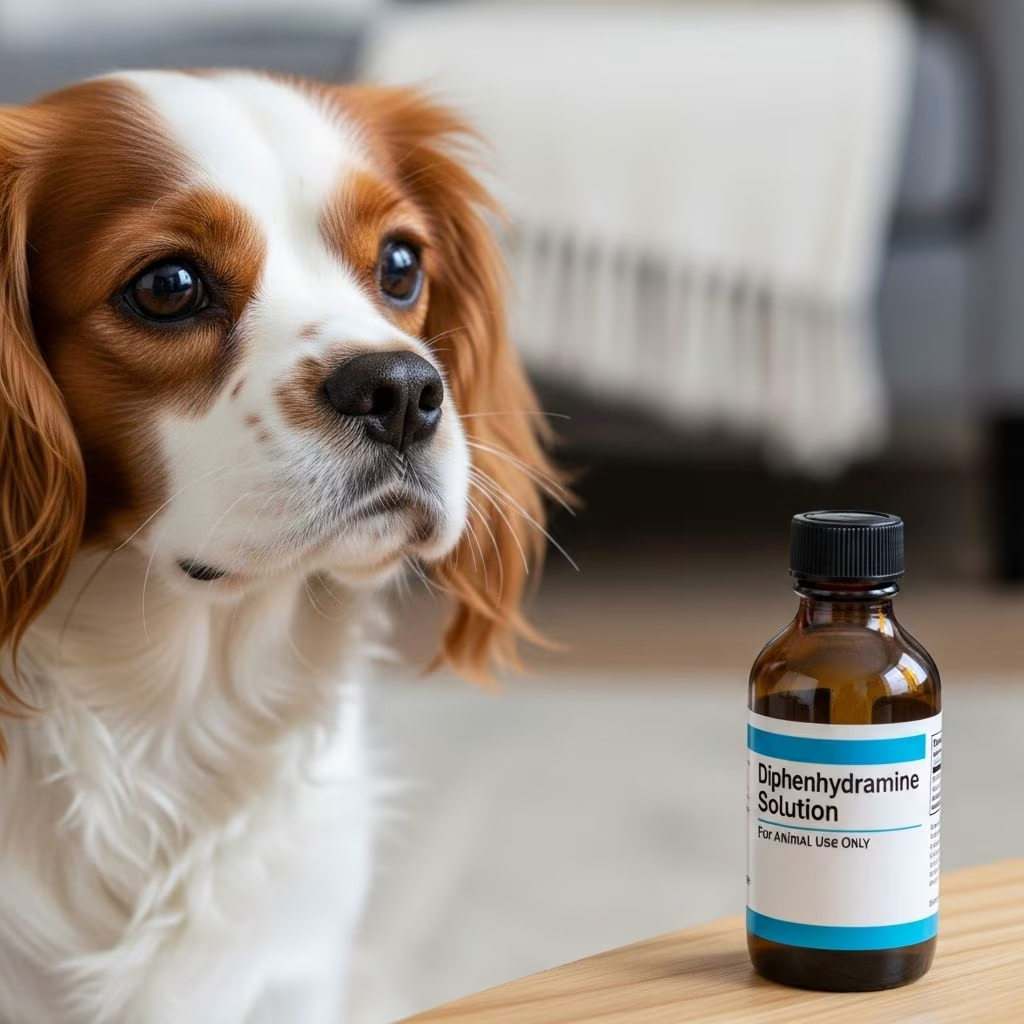
Diphenhydramine for Pets: Complete Guide to Uses and Administration
Diphenhydramine is a first-generation antihistamine commonly used in veterinary medicine to treat various conditions in pets. Known by brand names such as Benadryl and Vetadryl, this medication is prescribed by veterinarians to manage allergic reactions, motion sickness, vomiting, and other conditions across multiple species. Understanding how diphenhydramine works, proper dosing, potential side effects, and safety considerations is essential for pet owners seeking to provide optimal care for their animals.
What is Diphenhydramine?
Diphenhydramine is an antihistamine that blocks histamine receptors in the body, reducing allergic responses and providing sedative effects. This medication is available in multiple formulations, making it accessible for various administration methods and pet species. Veterinarians have used diphenhydramine for decades as a safe and effective treatment option when administered properly according to individual pet needs and health status.
Approved Uses in Veterinary Medicine
Diphenhydramine serves multiple therapeutic purposes in veterinary practice across different animal species:
– Allergic reactions: Treats mild to moderate allergic responses including environmental allergies and food sensitivities- Anaphylaxis: Provides emergency support for severe allergic reactions, often used alongside epinephrine- Allergic skin disease: Helps manage itching and inflammation associated with dermatitis and other skin conditions- Motion sickness: Reduces nausea and vomiting in pets during travel or transportation- Vomiting prevention: Acts as an antiemetic to help control nausea in various conditions
Beyond these common uses, diphenhydramine is prescribed for cats, dogs, ferrets, small mammals, birds, horses, and cattle, demonstrating its versatility across multiple species in veterinary medicine.
Available Formulations
Diphenhydramine is available in several formulations to accommodate different administration preferences and animal sizes:
– Tablets: Typically available in 25 mg or 50 mg doses, with some 12.5 mg options for smaller pets- Capsules: Provide an alternative oral delivery method- Oral solutions: Liquid formulations useful for animals that cannot tolerate tablets or for precise dosing in small animals- Injectable formulations: Used when direct veterinary administration is necessary or when oral administration is not feasible
Pet owners should verify that any diphenhydramine product contains only diphenhydramine as the active ingredient, as combination products may include other substances inappropriate for pets.
Dosage Guidelines for Dogs and Cats
Proper dosing is critical for diphenhydramine safety and efficacy. Dosing differs significantly between species and individual animals, so pet owners should never assume their personal dosage applies to their pets.
Standard Dosage
According to the Merck Veterinary Manual, the standard recommended dosage for diphenhydramine in dogs and cats is 2 to 4 milligrams per kilogram of body weight, administered every 8 to 12 hours as needed. A practical and commonly used dosing approach is approximately 1 milligram per pound of body weight, given 2 to 3 times daily.
| Dog’s Weight | Recommended Single Dose | Maximum Daily Dose |
|---|---|---|
| 5 pounds | 5 mg | 10 mg (if given twice daily) |
| 10 pounds | 10 mg | 20 mg (if given twice daily) |
| 20 pounds | 20 mg | 40 mg (if given twice daily) |
| 30 pounds | 30 mg | 60 mg (if given twice daily) |
| 50 pounds | 50 mg | 100 mg (if given twice daily) |
| 60 pounds | 60 mg | 120 mg (if given twice daily) |
Injectable Diphenhydramine
When a veterinarian administers diphenhydramine via injection into muscle tissue (intramuscularly), the dose is typically lower, ranging from 0.5 mg to 2 mg per kilogram of body weight. Injectable formulations provide faster action compared to oral administration and are particularly useful in emergency situations involving severe allergic reactions or when oral medication is not feasible.
Liquid Formulation Dosing
Liquid diphenhydramine products vary in concentration. A common formulation contains 12.5 mg per 5 milliliters (ml), meaning each milliliter contains 2.5 mg. For example, an 8-pound dog requiring 8 mg would need approximately 1.5 ml of this liquid concentration. Always check your specific product’s concentration and calculate accordingly.
Administration Methods
Diphenhydramine can be administered through multiple routes depending on the formulation, clinical situation, and individual animal tolerance:
– Oral administration: Tablets, capsules, or liquid given by mouth are the most common methods for home use- Intramuscular injection: Direct injection into muscle for faster onset or when oral administration is problematic- Subcutaneous injection: Injection under the skin, useful in certain clinical situations- Intravenous administration: Reserved for emergency situations requiring immediate effects
Dosing for Specific Conditions
Diphenhydramine dosing may vary based on the condition being treated and the individual pet’s response:
Bee, wasp, or hornet stings: Administer at the time of the event or at the first sign of swelling. Repeat the dose 4 to 6 hours later, then continue dosing every 8 hours for 2 to 3 days.
Seasonal allergies: Dosing is administered every 8 to 12 hours, with frequency varying based on individual pet response and allergy severity.
Skin itching: Relief varies considerably among individual pets. Dosing typically ranges from every 8 to 24 hours depending on symptom severity and response.
Motion sickness and travel anxiety: Diphenhydramine may help reduce anxiety during car travel and motion-related nausea. Typical administration is 1 to 2 hours prior to travel, with possible repetition 8 hours later. Note that effectiveness varies significantly among individual pets.
Antiemetic effects: When used to help control nausea and vomiting, diphenhydramine is typically dosed every 8 hours as needed.
Potential Side Effects
While generally considered safe when used appropriately, diphenhydramine can produce side effects in some animals:
– Lethargy: Sedation and reduced activity levels are common effects due to the medication’s central nervous system activity- Sedation: Drowsiness and reduced alertness may occur, particularly with higher doses- Constipation: Anticholinergic effects can reduce gastrointestinal motility- Dry mouth: Reduced salivation may be observed- Urinary retention: Difficulty urinating can occur due to anticholinergic properties
Most side effects are mild and temporary, resolving after the medication is discontinued. However, pet owners should contact their veterinarian if side effects are severe or persistent.
Important Precautions and Contraindications
Certain animals should not receive diphenhydramine or require special monitoring:
– Age and weight considerations: Dosing must be carefully adjusted for very young, elderly, or very small animals- Existing health conditions: Animals with heart disease, high blood pressure, urinary retention issues, or thyroid problems may require dose adjustments or alternative medications- Medication interactions: Diphenhydramine can interact with other medications, so inform your veterinarian of all current treatments- Pregnancy: Use during pregnancy should be evaluated by your veterinarian
Always consult your veterinarian before administering diphenhydramine to ensure it is appropriate for your specific pet’s situation and health status.
Product Selection and Safety
When selecting a diphenhydramine product for your pet, careful attention to ingredients is essential. Many over-the-counter Benadryl products contain additional ingredients such as decongestants, acetaminophen, or other medications that can be harmful or even toxic to pets. Only products containing diphenhydramine as the sole active ingredient should be used, unless specifically directed otherwise by your veterinarian.
When to Consult Your Veterinarian
While diphenhydramine is available over-the-counter in human formulations, determining the appropriate dose and confirming that the medication is suitable for your individual pet requires professional guidance. Your veterinarian can:
– Calculate the precise dose based on your pet’s weight and condition- Identify potential contraindications or drug interactions- Recommend appropriate formulations and administration methods- Monitor for adverse effects or lack of response- Suggest alternative treatments if diphenhydramine is not suitable
Frequently Asked Questions
Q: Can I give my dog the same Benadryl I take?
A: You can use human Benadryl containing only diphenhydramine as the active ingredient, but the dose must be calculated for your dog’s weight and should be approved by your veterinarian. Never use combination products containing other ingredients.
Q: How quickly does diphenhydramine work?
A: Oral diphenhydramine typically takes 30 minutes to 1 hour to reach peak effectiveness, while injectable forms work more rapidly. The onset varies based on individual animal metabolism and the specific condition being treated.
Q: Is diphenhydramine safe for long-term use in pets?
A: Diphenhydramine is generally considered safe for both short-term and long-term use when dosed appropriately and monitored by a veterinarian. However, long-term use should be discussed with your veterinarian to ensure ongoing appropriateness for your pet’s condition.
Q: What should I do if I accidentally give my pet too much diphenhydramine?
A: Contact your veterinarian or emergency veterinary clinic immediately. While diphenhydramine has a wide safety margin, overdoses can cause excessive sedation or other complications requiring professional evaluation.
Q: Can cats take diphenhydramine?
A: Yes, diphenhydramine is used in cats for similar purposes as in dogs, following the same 2 to 4 mg per kilogram dosing guidelines. However, individual dosing must be determined by your veterinarian based on your cat’s specific needs.
Q: Does diphenhydramine work for all types of allergies in pets?
A: Diphenhydramine is effective for many allergies but may not work for all allergic conditions. Food allergies, in particular, often require different treatment approaches. Your veterinarian can recommend the most appropriate therapy for your pet’s specific allergy type.
References
- Benadryl for Dogs: Uses, Dosage, and Side Effects — GoodRx. 2025. https://www.goodrx.com/pet-health/dog/benadryl-for-dogs
- Benadryl for Dogs: Is Diphenhydramine Safe for Dogs? — Pet Place. 2025. https://www.petplace.com/article/drug-library/drug-library/library/diphenhydramine-benadryl-for-dogs
- Can I Give My Dog Benadryl? And if So, How Much? — PetMD. 2025. https://www.petmd.com/dog/care/can-i-give-my-dog-benadryl-and-if-so-how-much
- Benadryl For Dogs: Uses, Side Effects, and Dosage Information — American Kennel Club. 2025. https://www.akc.org/expert-advice/health/benadryl-for-dogs/
- Antihistamine Dosages for Integumentary Disease in Animals — MSD Veterinary Manual. 2025. https://www.msdvetmanual.com/multimedia/table/antihistamine-dosages-for-integumentary-disease-in-animals
- Antihistamine Dosages for Integumentary Disease in Animals — Merck Veterinary Manual. 2025. https://www.merckvetmanual.com/multimedia/table/antihistamine-dosages-for-integumentary-disease-in-animals
- How to Calculate Benadryl Doses for Your Dog or Cat — Preventive Vet. 2025. https://www.preventivevet.com/pet-antihistamine-diphenhydramine-dosage-calculator
- Diphenhydramine — VCA Animal Hospitals. 2025. https://vcahospitals.com/know-your-pet/diphenhydramine



