

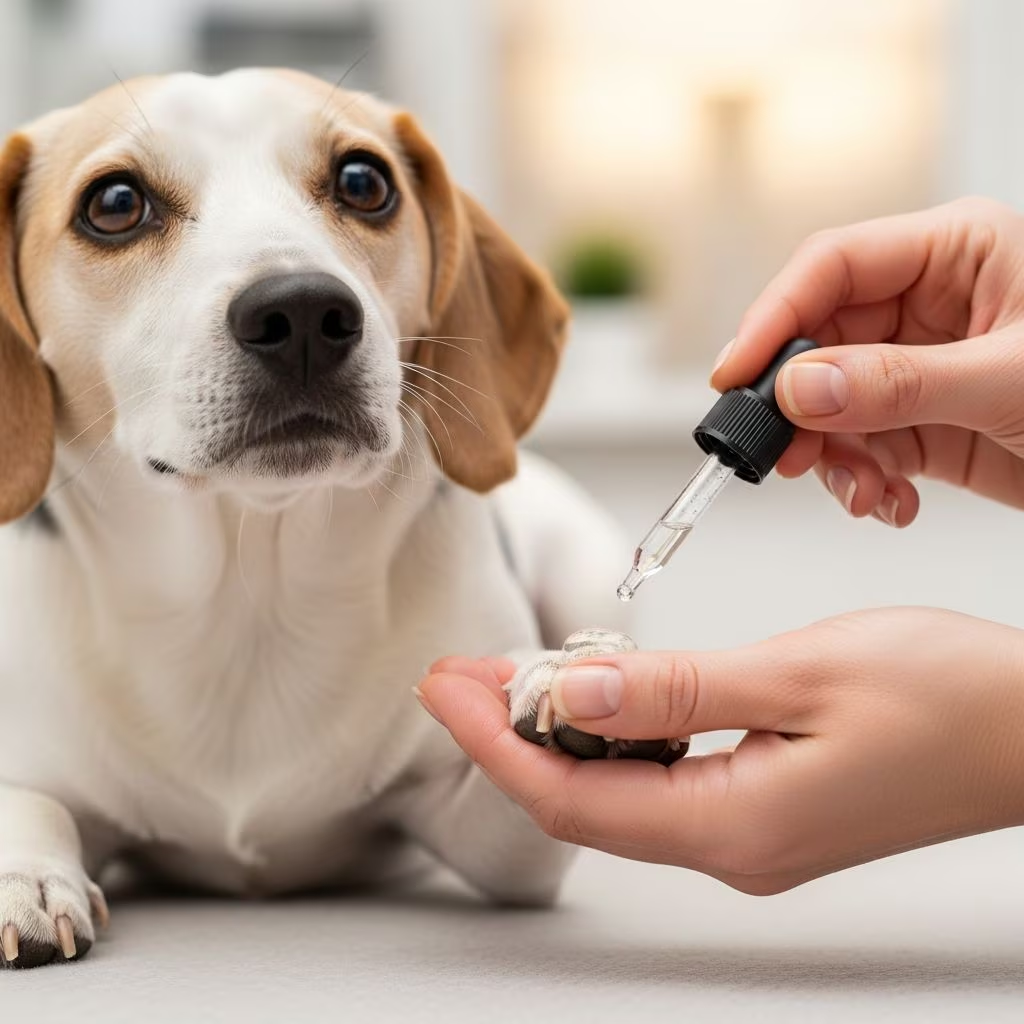
Understanding Dimethyl Sulfoxide (DMSO) Topical
Dimethyl sulfoxide (DMSO) topical, commonly known by the brand name Domoso®, is a specialized veterinary medication classified as a free-radical scavenger agent. This medication has been formulated specifically to address certain skin conditions in dogs and various types of inflammation in horses. The compound works by reducing oxidative stress and inflammation at the site of application, making it a valuable therapeutic option for veterinarians treating specific dermatological and inflammatory conditions.
DMSO topical represents an important tool in veterinary medicine, particularly for treating acute swelling and inflammation resulting from traumatic injuries. The medication has received approval from regulatory authorities for use in both dogs and horses, though veterinarians may prescribe it off-label for other conditions when they determine it medically appropriate.
Primary Uses of DMSO Topical
DMSO topical has demonstrated effectiveness in treating a range of conditions across different animal species. Understanding these applications helps pet owners recognize when their veterinarian might recommend this medication.
Uses in Dogs
In canine patients, DMSO topical has proven beneficial for several skin-related conditions. One primary use involves treating acral lick dermatitis, a condition where dogs repeatedly lick a specific area of skin, causing inflammation and damage. The medication helps reduce the inflammatory response and promote healing in these affected areas.
Another significant application involves calcinosis cutis, a condition characterized by calcium deposits forming in the skin and subcutaneous tissues. DMSO topical can help address inflammation associated with this condition and may improve the overall skin condition of affected dogs.
Additionally, DMSO has been employed to treat skin damage resulting from chemotherapy. Cancer-fighting drugs can sometimes damage healthy skin tissue, and DMSO’s anti-inflammatory properties may help minimize these adverse effects and promote recovery of damaged tissue.
Uses in Horses
Equine veterinarians have found DMSO topical particularly useful for managing various conditions. The medication has been applied topically to treat local inflammation, providing relief for horses with localized inflammatory responses. Additionally, DMSO has been used in treating acute rhabdomyolysis, a condition involving sudden breakdown of muscle tissue, and laminitis, commonly referred to as “founder,” which causes severe inflammation in the horse’s hooves.
Approval Status and Off-Label Use
The U.S. Food and Drug Administration (FDA) has officially approved DMSO topical for use in horses and dogs specifically for treating acute swelling resulting from trauma. However, veterinarians frequently prescribe this medication off-label, meaning it is used in ways not reviewed or approved by the FDA or Health Canada. This off-label use is common in veterinary medicine and occurs when veterinarians determine that a medication may benefit a patient in a way not covered by the official label approval.
When DMSO is prescribed off-label, pet owners should carefully follow their veterinarian’s specific directions and cautions, as these may differ significantly from information listed on the medication’s label. Veterinarians base off-label prescriptions on clinical experience, research, and their professional judgment regarding what is best for the individual animal.
How to Administer DMSO Topical
Proper administration of DMSO topical is essential for achieving therapeutic results while minimizing potential complications. Pet owners must follow specific protocols when applying this medication to ensure safety and efficacy.
Available Forms
DMSO topical is available in multiple formulations to accommodate different treatment scenarios and veterinarian preferences. These include ointment, gel, and liquid forms, with some products combining DMSO with other therapeutic agents. The choice of formulation depends on the specific condition being treated, the area of the body affected, and the individual animal’s needs.
Application Instructions
All forms of DMSO topical should be applied directly to the skin at the affected area. To ensure safe handling and minimize absorption through human skin, pet owners must wear gloves when administering this medication. This precaution is particularly important because DMSO readily penetrates skin and can carry other substances across the skin barrier.
The medication should be applied using clean or sterile cotton to minimize contamination and reduce the chance of introducing harmful substances along with the medication. Before application, ensure the skin is clean and dry for optimal therapeutic effect.
After applying DMSO topical, prevent your pet from licking or chewing the treated area for at least 20 minutes to allow adequate absorption and prevent ingestion of the medication. This waiting period is crucial for allowing the drug to penetrate the affected tissue.
Pet owners should complete the full course of treatment as prescribed by their veterinarian, even if their pet appears to be recovering. Premature discontinuation may reduce the medication’s effectiveness and delay healing.
Dosing Guidelines
The standard dosing for DMSO topical in dogs involves liberal application up to every six hours, with the total daily dose not exceeding 20 grams. Therapy is typically limited to 14 days, though veterinarians may adjust this based on the individual animal’s response and condition severity.
For horses, liberal application should be administered two to three times daily, with total daily dosage not exceeding 100 grams and treatment duration not exceeding 30 days.
Important Safety Precautions
Understanding when DMSO should not be used and when it requires careful monitoring is essential for safe treatment.
Contraindications: Do Not Use
DMSO topical should not be used in animals that are allergic to any component of the medication formulation. Pet owners should inform their veterinarian of any known allergies or sensitivities their pet has experienced.
Cautions: Use With Care
Several conditions warrant careful consideration before administering DMSO topical. Veterinarians should use caution when treating animals with mast cell tumors (mastocytomas), as DMSO may interact adversely with these tumors. Animals with severe liver and/or kidney disease require careful evaluation, as these organs play important roles in drug metabolism and elimination.
Dehydrated animals and those with low blood pressure should be monitored closely, as DMSO may affect fluid balance and cardiovascular function. Additionally, pregnant animals should generally avoid DMSO exposure due to potential risks to developing fetuses, and pregnant women applying the medication should exercise particular caution to avoid exposure.
Potential Side Effects and Adverse Reactions
While DMSO topical is generally well-tolerated when used on small areas for short periods, pet owners should be aware of potential side effects that may occur.
Common Side Effects
One notable side effect is odor, as DMSO can cause a distinctive garlic- or oyster-like breath odor in treated animals. This odor typically develops because DMSO is metabolized to dimethyl sulfide, which is partially excreted through the lungs and creates characteristic breath odor. This side effect is temporary and not medically serious, though it may be noticeable to pet owners.
Skin effects may include a slight burning sensation at the application site, along with localized skin redness and dryness. These reactions are typically mild and resolve after treatment concludes. When DMSO is used on large areas of skin or in animals with certain pre-existing conditions, the medication may cause the animal to feel unwell for a period during treatment.
Serious Adverse Reactions
Serious side effects are rare when DMSO is used topically on small areas for short durations. However, pet owners should contact their veterinarian immediately if they observe any concerning changes in their pet’s condition during treatment.
Medication Interactions and Important Considerations
DMSO should not be mixed with other drugs or chemicals without explicit veterinary approval. The medication’s unique solvent properties mean it can alter the behavior and effectiveness of other substances, potentially creating safety concerns.
Because DMSO is readily absorbed through the skin, it is crucial that the medication be applied in a well-ventilated area using appropriate protective equipment. Pet owners should continue to wear rubber gloves throughout the application process and handle the medication cautiously to minimize systemic absorption.
For animals receiving long-term DMSO treatment, veterinarians may recommend checking liver and renal function every six months to ensure the medication is not adversely affecting these important organs.
Metabolism and Excretion
When DMSO is applied topically, it is rapidly absorbed and distributed widely throughout bodily tissues. The medication is metabolized to dimethyl sulfone and dimethyl sulfide, which are then excreted through urine, feces, lungs, and skin. This widespread distribution and multiple excretion pathways explain why the medication affects breath odor and why proper ventilation is important during and after application.
Important Handling and Administration Tips
Several best practices ensure safe and effective DMSO topical use:
- Always wear rubber gloves when handling or applying DMSO topical to prevent skin absorption
- Apply the medication only to clean, dry skin for optimal absorption
- Use clean or sterile cotton for application to minimize contamination
- Apply in a well-ventilated area to reduce inhalation of vapors
- Never allow your pet to lick the treated area for at least 20 minutes after application
- Complete the full prescribed course of treatment
- Do not mix DMSO with other medications or chemicals without veterinary approval
- Store the medication according to label instructions
- Keep DMSO away from eyes and mucous membranes
Frequently Asked Questions About DMSO Topical
Q: What does DMSO stand for?
A: DMSO stands for dimethyl sulfoxide, an organic compound that functions as a free-radical scavenger and anti-inflammatory agent when applied topically to treat skin conditions and inflammation in animals.
Q: Why do I need to wear gloves when applying DMSO?
A: DMSO is readily absorbed through human skin and can carry other substances across the skin barrier. Wearing gloves prevents unwanted absorption and protects your skin from direct exposure to the medication.
Q: Is the garlic smell from DMSO dangerous?
A: No, the garlic or oyster-like breath odor is not dangerous. It results from DMSO metabolism and is a temporary, harmless side effect that resolves after treatment ends.
Q: Can DMSO be used on pregnant animals?
A: DMSO should generally not be used in pregnant animals, except under the most compelling circumstances, as its safety in pregnancy has not been demonstrated. Consult your veterinarian about alternatives if your pregnant pet needs treatment.
Q: How long can I use DMSO topical on my pet?
A: For dogs, therapy is typically limited to 14 days, while horses may receive treatment for up to 30 days. Your veterinarian will determine the appropriate duration for your specific pet’s condition.
Q: What should I do if my pet licks the DMSO after application?
A: If your pet licks DMSO immediately after application, contact your veterinarian. While small amounts are unlikely to cause serious problems, your vet may want to monitor your pet for any adverse effects and may recommend washing the area if recent ingestion occurred.
Q: Can DMSO be used with other medications?
A: DMSO should not be mixed with other drugs or chemicals without explicit veterinary approval, as it may alter their effectiveness or create safety concerns. Always inform your veterinarian about all medications your pet is currently receiving.
Q: Is DMSO approved by the FDA?
A: Yes, the FDA has approved DMSO topical for use in dogs and horses to treat acute swelling due to trauma. Veterinarians may also prescribe it off-label for other conditions when they determine it is appropriate.
Q: What are the signs that DMSO is not working for my pet?
A: If you notice no improvement after several days of treatment, or if your pet’s condition worsens, contact your veterinarian. They may adjust the treatment plan or recommend alternative therapies.
References
- Dimethyl Sulfoxide DMSO Topical – VCA Animal Hospitals — VCA Animal Hospitals. 2024. https://vcahospitals.com/know-your-pet/dimethyl-sulfoxide-dmso-topical
- Dimethyl Sulfoxide (DMSO), Topical — Veterinary Medical Guidance. 2020. https://dogcatdoc.com/wp-content/uploads/2021/05/VMG-DMSO-Dimethyl-Sulfoxide-Topical.pdf
- Dimethyl Sulphoxide (DMSO, Domoso) for Dogs — PetPlace.com. https://www.petplace.com/article/drug-library/drug-library/library/dimethyl-sulphoxide-dmso-domoso-for-dogs
- DOMOSO (dimethyl sulfoxide) Gel Prescribing Information — Zoetis. https://www.zoetisus.com/content/_assets/docs/domoso_gel_pi.pdf
- Dimethyl Sulfoxide, DMSO — Horse Side Vet Guide. https://horsesidevetguide.com/drv/Treatment/87/dimethyl-/
- DMSO Gel 99% – Dosing and Administration — Heartland Vet Supply. http://www.heartlandvetsupply.com/p-6845-dmso-gel-99.aspx



