

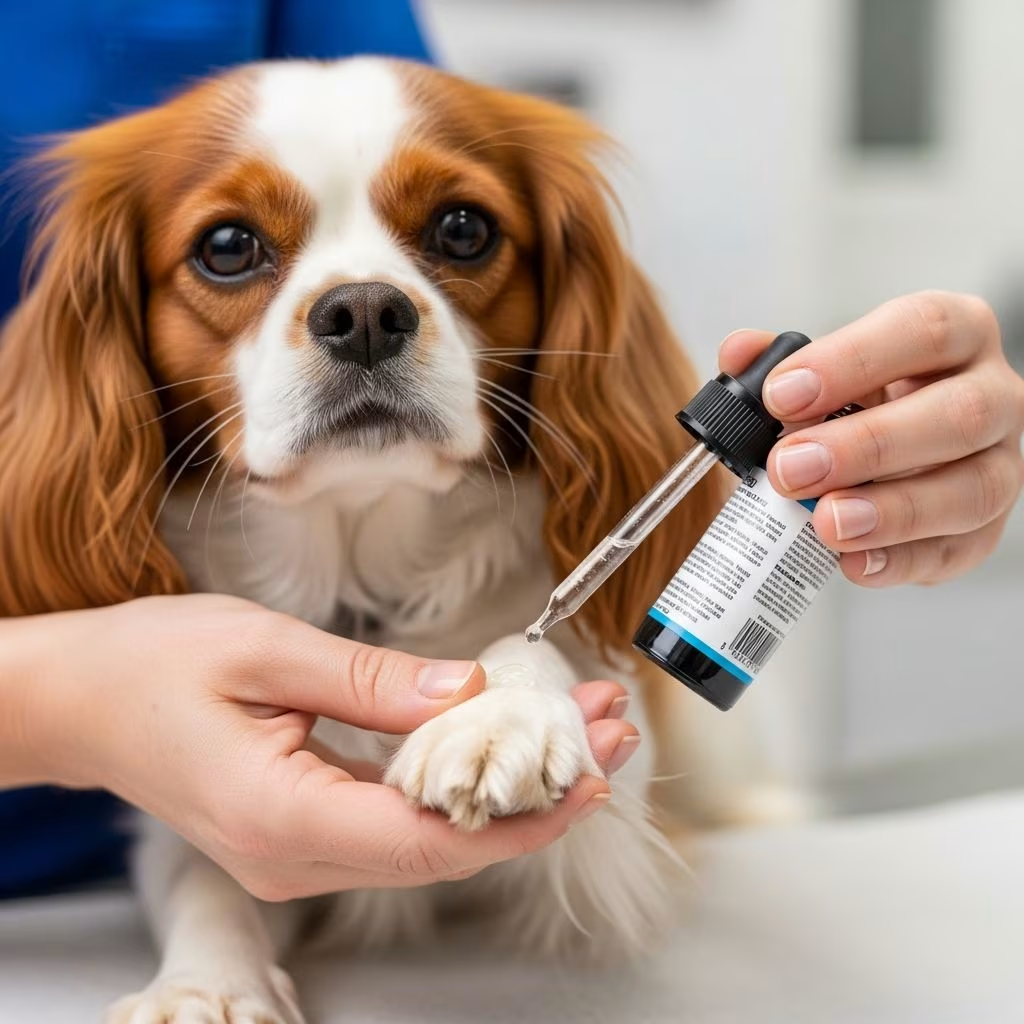
Dimethyl Sulfoxide (DMSO) Topical for Pets
Dimethyl Sulfoxide, commonly abbreviated as DMSO and known by brand names such as Rimso-50® and Domoso®, is a topical medication that has been widely used in veterinary medicine to treat various conditions in dogs and horses. This powerful solvent has gained recognition for its anti-inflammatory properties and its ability to penetrate tissues effectively. Understanding how DMSO works, its proper application, and important safety considerations can help pet owners make informed decisions about their animal’s treatment options.
What Is Dimethyl Sulfoxide (DMSO)?
Dimethyl Sulfoxide is a colorless liquid derived from lignin, a natural material that bonds together the cells of trees. This exceptional solvent possesses unique properties that make it valuable in veterinary medicine. When applied topically to the skin, DMSO is rapidly absorbed and distributed widely throughout bodily tissues. The medication is metabolized to dimethyl sulfone and dimethyl sulfide and is subsequently excreted through urine, feces, lungs, and skin. The FDA (U.S. Food and Drug Administration) has approved this drug for topical use on dogs and horses specifically for treating acute swelling due to trauma.
Uses of DMSO for Pets
DMSO has been utilized in a variety of therapeutic applications for dogs and horses, making it a versatile treatment option for veterinarians. The following are primary uses:
For Dogs
In canine patients, topical treatment using DMSO may be used to address several skin conditions and inflammatory issues:
- Calcinosis cutis (calcium deposits in the skin)
- Acral lick dermatitis (lick granuloma), often used alongside a corticosteroid
- Skin damage caused by chemotherapy
- Topical treatment for prevention of soft tissue injury following extravasation of cytotoxic drugs
- Treatment of interstitial cystitis, where DMSO may be instilled in the bladder for hemorrhagic cystitis (inflamed, painful bladder with bloody urine)
- Reduction of increased intracranial pressure in severe head injury
For Horses
Equine patients benefit from DMSO’s anti-inflammatory properties in several conditions:
- Local inflammation from musculoskeletal disorders
- Acute rhabdomyolysis (sudden breakdown of muscle tissue)
- Laminitis (commonly referred to as “founder”)
- Neurological conditions such as EPM (equine protozoal myeloencephalitis)
- Brain swelling (edema) reduction
- Bruises, strained muscles, and soft tissue injuries
- Tendon and ligament injuries
DMSO is often used to enhance the percutaneous absorption of other drugs, effectively helping medications penetrate through the skin barrier more efficiently.
How to Apply DMSO Topically
Proper application of DMSO is essential for ensuring safety and effectiveness. The following guidelines should be observed when administering this medication:
Application Method
DMSO should be applied with clean or sterile cotton to reduce chances for contaminating the medication with other substances. Apply only to clean, dry skin. Liberal application to the affected area is recommended, and the medication should be administered three to four times daily for dogs and two to three times daily for horses. It is crucial that DMSO not be mixed with other drugs or chemicals without veterinarian approval, as this could compromise the medication’s efficacy or create harmful interactions.
Dosing Guidelines
The usual topical dose for dogs is liberal application up to every 6 hours, with a total daily dose not exceeding 20 g per day. Therapy is often limited to 14 days. For horses, liberal application should be administered two to three times daily, with a total daily dosage not exceeding 100 g, and total duration of therapy not exceeding 30 days. These dosing recommendations are designed to maximize therapeutic benefits while minimizing potential adverse effects. Medication should never be administered without first consulting a veterinarian.
Safety Precautions During Application
Protective measures are absolutely essential when handling DMSO. Wear rubber gloves when applying the medication topically, as DMSO is readily absorbed through the skin and can carry toxic compounds across the skin barrier. Use the medication in a well-ventilated area to minimize inhalation exposure. Pregnant women should be very careful to avoid exposure to this drug, as its safety during pregnancy has not been adequately demonstrated.
Side Effects and Adverse Reactions
When used topically on a small area for a short time, DMSO is usually tolerated well. However, pet owners should be aware of potential side effects that may occur:
Common Side Effects
The following side effects usually are not serious:
- Odor: DMSO can cause an oily garlic- or oyster-like breath odor in treated animals. This distinctive smell occurs because the medication is excreted through the lungs and can persist for several hours or even days.
- Skin effects: Slight burning sensation, skin redness, and dryness may occur at the application site. These reactions are typically mild and resolve without intervention.
- Malaise: Some dogs with calcinosis cutis can act as though they do not feel well for a period of time when DMSO is used. This generally resolves as treatment continues.
When to Contact a Veterinarian
You do not have to be overly concerned if you see any of these signs unless they are severe, worsen, or continue to be a problem. If your pet experiences any concerning symptoms or if side effects persist beyond a reasonable time frame, contact your veterinarian immediately.
When DMSO Should Not Be Used
No drug is 100% safe in all patients, but veterinarians will discuss specific concerns about using this drug in individual animals. DMSO should not be used in certain situations:
Contraindications
This drug should not be used in patients:
- That are allergic to DMSO or any components of the formulation
- That are pregnant, as DMSO’s safety in pregnant animals has not been demonstrated, and injected DMSO is teratogenic in laboratory animals
Use With Caution
This drug should be used with caution in patients:
- That have mast cell tumors (mastocytomas)
- That are dehydrated or have low blood pressure
- With severe kidney or liver disease
If your animal has any of these conditions, discuss with your veterinarian the potential risks versus benefits of using DMSO. Because of the potential for hepatic and renal dysfunction in patients receiving DMSO, it is advisable to check liver and renal function every 6 months during extended treatment protocols.
Duration of Effect and Metabolism
The effects of DMSO are short-lived, meaning they will stop working within 24 hours. However, the benefits may be prolonged if your animal has decreased kidney and/or liver function, as this can slow the medication’s metabolism and excretion. This characteristic makes frequent dosing necessary to maintain therapeutic levels.
Important Drug Interactions and Storage
DMSO should never be mixed with other medications or chemicals without explicit veterinary approval. Combining DMSO with other substances could alter its properties, reduce its effectiveness, or create dangerous interactions. Always store DMSO according to the product label and keep it out of reach of children and animals. As with all medications, use only the product prescribed by your veterinarian and follow all directions carefully to ensure your pet receives the drug correctly.
Frequently Asked Questions About DMSO
Q: Is DMSO approved by the FDA?
A: Yes, DMSO has been approved by the FDA for use in humans, dogs, and horses. The FDA has specifically approved topical DMSO for treating acute swelling due to trauma in dogs and horses. Veterinarians are permitted to prescribe and use products containing DMSO in different species or for other conditions in certain situations.
Q: Why does DMSO cause an odor?
A: The distinctive garlic- or oyster-like breath odor associated with DMSO occurs because the medication is metabolized and excreted through the lungs, as well as through urine and feces. This is a normal side effect and typically resolves once treatment is discontinued.
Q: Can DMSO be used on wounds or open skin?
A: DMSO should only be applied to clean, dry skin. It is important to apply the medication carefully to minimize contamination. Always follow your veterinarian’s specific instructions regarding the condition and location of application.
Q: How long can DMSO treatment continue?
A: For dogs, therapy is often limited to 14 days, with a maximum daily dose of 20 g. For horses, total duration of therapy should not exceed 30 days, with a maximum daily dosage of 100 g. Your veterinarian may adjust these guidelines based on your individual animal’s condition and response to treatment.
Q: What should I do if I accidentally ingest DMSO or get it on my skin?
A: Wash the affected area immediately with soap and water. If you suspect ingestion or significant exposure, contact a poison control center or healthcare provider. Always wear rubber gloves when handling DMSO and work in a well-ventilated area.
Q: Can DMSO be used alongside other treatments?
A: DMSO can be used with other treatments in some cases, such as with corticosteroids for acral lick dermatitis. However, never mix DMSO with other drugs or chemicals without veterinary approval. Always inform your veterinarian of all medications and treatments your pet is receiving.
Conclusion
Dimethyl Sulfoxide (DMSO) represents a valuable therapeutic option for managing inflammation, trauma-related swelling, and various other conditions in dogs and horses. When used as directed by a veterinarian, with proper safety precautions, and within recommended dosing guidelines, DMSO can provide effective relief for affected animals. Pet owners should maintain open communication with their veterinarians regarding their pet’s response to treatment, any side effects observed, and the overall progress of the therapeutic plan. Understanding the proper application, potential side effects, and contraindications ensures that DMSO can be used safely and effectively as part of a comprehensive treatment strategy for your beloved pet.
References
- Dimethyl Sulfoxide (DMSO), Topical — Veterinary Medical Group. Accessed November 28, 2025. https://dogcatdoc.com/wp-content/uploads/2021/05/VMG-DMSO-Dimethyl-Sulfoxide-Topical.pdf
- Dimethyl sulphoxide (DMSO, Domoso) for Dogs — PetPlace. Accessed November 28, 2025. https://www.petplace.com/article/drug-library/drug-library/library/dimethyl-sulphoxide-dmso-domoso-for-dogs
- DOMOSO (Dimethyl Sulfoxide) Gel Product Information — Zoetis. https://www.zoetisus.com/content/_assets/docs/domoso_gel_pi.pdf
- Dimethyl sulfoxide (DMSO) Use Safety Operating Procedure — University of California, Davis School of Veterinary Medicine. https://safety.vetmed.ucdavis.edu/sites/g/files/dgvnsk5206/files/inline-files/DMSO%20SOP.pdf
- Update on DMSO Use in Horses — Kentucky Equine Research. Accessed November 28, 2025. https://ker.com/equinews/update-dmso-use-horses/



