

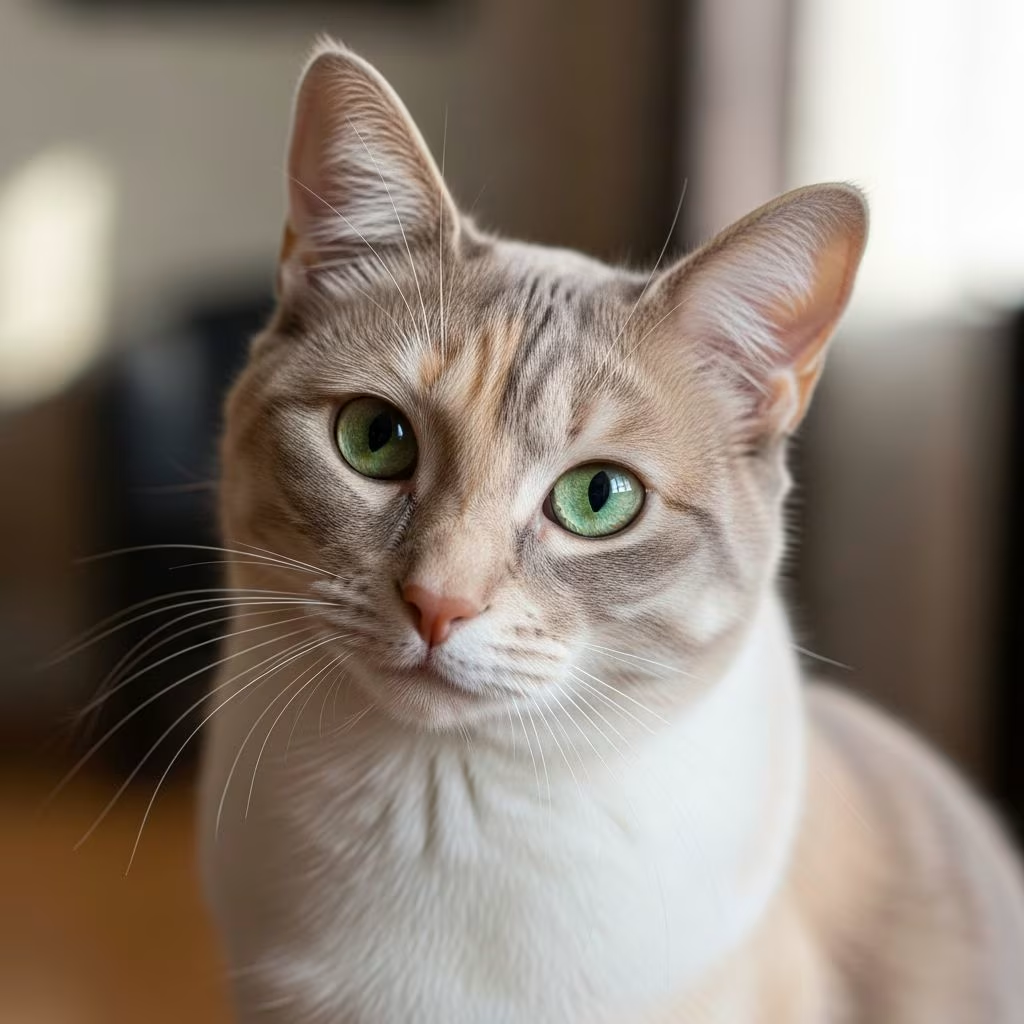
A **dilute tortie**, or dilute tortoiseshell cat, features a captivating coat with a double-colored diluted pattern in soft, muted shades like gray, cream, and peach. This coloration appears across many breeds and is caused by specific genetic factors that lighten standard tortie colors.
What Is a Dilute Tortie Cat?
The **dilute tortie cat** showcases a popular coat pattern defined by diluted pigments, creating a pastel, watercolor-like effect rather than the bold black and orange of traditional torties. Standard tortoiseshell cats display vibrant black and orange patches, but dilute versions soften these to blue-gray (diluted black) and cream or peach (diluted orange), often with minimal white.
This pattern results from the interaction of the orange gene on the X chromosome and the recessive dilute gene (MLPH), which reduces pigment intensity. It’s not a breed but a coloration found in mixed-breed cats, British Shorthairs, Persians, and others.
Dilute Tortie Coat Explained
The unique **dilute tortie coat** arises from genetics: cats inherit two X chromosomes (typically females) carrying different alleles—one for orange, one for black—plus the dilute gene that mutates pigmentation. This produces a mosaic of patches via X-inactivation (lyonization), where random cells express one color or the other.
Key color transformations:
- Black becomes **blue-gray** or smoky gray.
- Orange becomes **cream**, peach, or soft yellow.
- Patches blend or appear brindled, sometimes with tabby stripes (dilute torbie).
Dilute torties have dense, soft fur that’s prone to matting due to the gene’s effect on coat structure, requiring regular grooming. Paw pads and noses often show matching muted tones like pinkish-gray or peach.
Genetics of the Dilute Tortie
**Dilute tortie genetics** involve the O gene (orange) and D/d alleles (dilute is recessive ‘d’). Females (XX) can be heterozygous Oo with dd, expressing both colors diluted. Males (XY) rarely achieve this without XXY Klinefelter syndrome, making them sterile and occurring in 1 in 3,000 cases.
The MLPH gene mutation slows melanin distribution, lightening eumelanin (black to gray) and phaeomelanin (orange to cream). Both parents must carry the dilute gene for kittens to inherit it.
| Gene | Effect | Result in Dilute Tortie |
|---|---|---|
| Orange (O/o) | Controls pigment type on X chromosome | Mosaic black/orange patches |
| Dilute (D/d) | Recessive lightens pigments | Black → gray; Orange → cream |
| MLPH mutation | Alters melanin transport | Muted, pastel coat tones |
Physical Characteristics
Beyond their coat, **dilute tortie cats** have medium builds with muscular frames, elegant faces, large expressive eyes (green, gold, or blue), and high-set pointed ears. Their fur is plush and soft, though dilute genes may weaken strands, increasing breakage risk.
These cats average 8-12 pounds, with semi-longhair or shorthair varieties. Patterns range from large distinct patches to finely brindled fur, each cat uniquely patterned.
Personality and “Tortitude”
**Dilute torties** often exhibit “tortitude”—a feisty, spirited personality marked by independence, curiosity, vocalness, and sass. Owners report strong-willed cats who demand attention on their terms, explore boldly, and meow expressively.
Studies link tortie coat (especially females) to higher aggression or assertiveness, possibly tied to hormones rather than color alone. Environment shapes behavior most, but torties consistently rank as bold “divas”. They bond deeply with owners, enjoy play, but dislike handling by strangers.
Health and Care Tips
**Dilute tortie health** mirrors general cats but includes coat vulnerabilities: dilute genes cause fragile fur needing weekly brushing to prevent mats. Monitor for skin issues or allergies.
Common concerns:
- Obesity from indoor lifestyles—provide interactive toys.
- Dental disease—daily toothbrushing.
- XXY males: infertility, potential heart/kidney issues.
Nutrition: High-quality wet food supports coat health. Vet checkups catch breed-agnostic issues like HCM or diabetes early. Lifespan: 12-15 years with care.
6 Interesting Facts About Dilute Torties
- Almost Exclusively Female: 99.9% are female due to X-linked genes; males are rare and usually sterile.
- Watercolor Coats: Dilution creates a soft, misty blend resembling faded ink.
- Tortitude Myth or Fact? Research shows torties bite/vocalize more, linked to female hormones.
- Not a Breed: Found in 100+ breeds and mixes.
- Calico Cousins: Dilute calicos add white; torties have little/none.
- Grooming Queens: Soft fur mats easily—brush often for shine.
Frequently Asked Questions (FAQs)
Are dilute tortie cats rare?
Not rare among torties, but the combo of genes makes perfect dilution less common. Seen worldwide in shelters.
Can male cats be dilute torties?
Extremely rare (1:3000); requires XXY chromosomes, often sterile.
Do dilute torties have special personalities?
Many show “tortitude”—feisty and vocal—but upbringing matters most.
How do you care for a dilute tortie’s coat?
Brush 2-3 times weekly, use detangler for mats, feed omega-rich diet.
What’s the difference between tortie and dilute tortie?
Standard: black/orange; Dilute: gray/cream—same pattern, lighter tones.
Are dilute torties hypoallergenic?
No, but short coats shed less than longhairs.
References
- Dilute Tortoiseshell Cat: Unique Feline Coat Variation — Bailey’s CBD. 2023. https://baileyscbd.com/blogs/cat-breeds/dilute-tortoiseshell-cat-feline-coat-variation
- Dilute Tortie: Cat Guide & 6 Interesting Facts (With Pictures) — Catster. 2024-10-15. https://www.catster.com/lifestyle/dilute-tortie-cat/
- Dilute Tortoiseshell Cat: Muted Cat Coloring — Adopt a Pet. 2024. https://www.adoptapet.com/blog/breeds/dilute-tortoiseshell-cat
- 7 Facts About Dilute Tortoiseshell Cats That You May Not Know — Cats.com. 2023-05-12. https://cats.com/dilute-tortoiseshell-cats
- Tortoiseshell Cat: Breeds, Personality & Lifespan — Litter-Robot. 2024. https://www.litter-robot.com/blog/tortie-cat-6-facts/



