

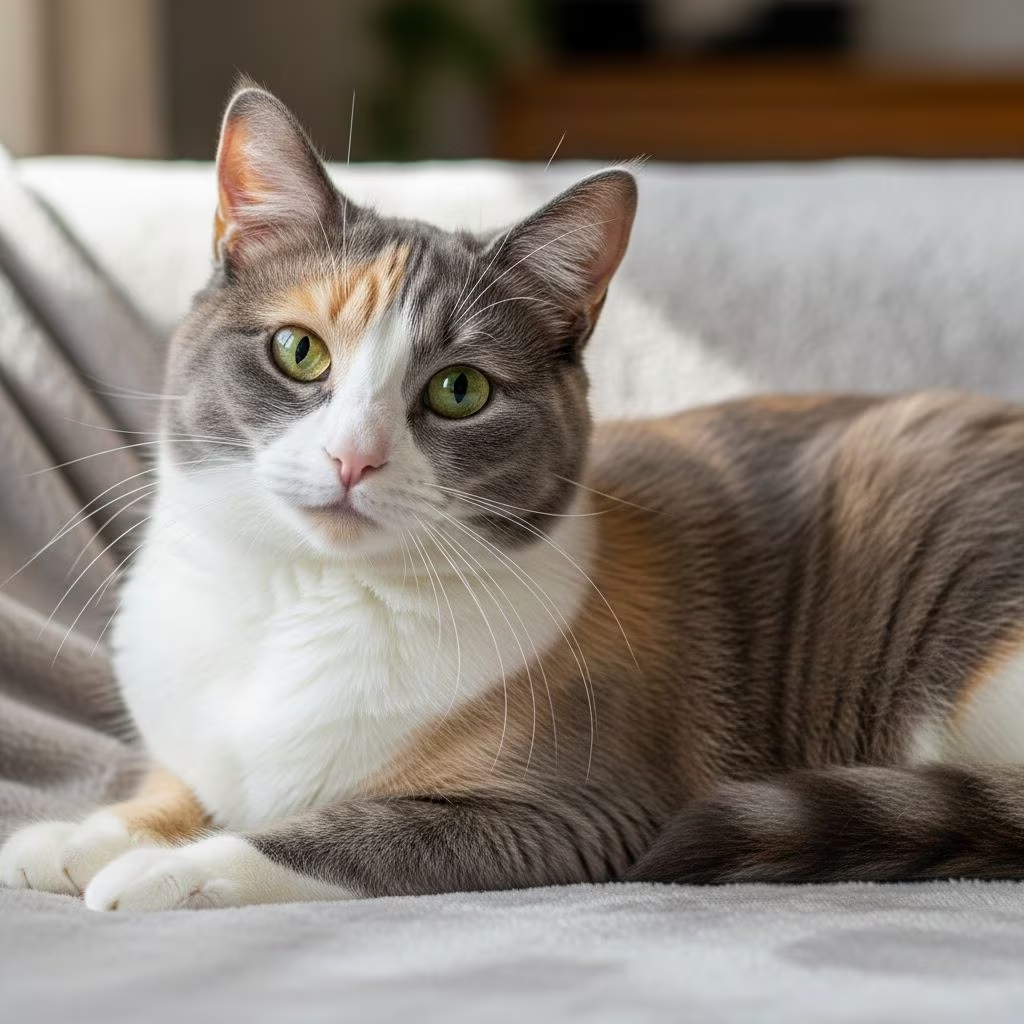
Among the world’s most visually striking felines, the dilute calico cat stands out as a testament to nature’s remarkable genetic artistry. These cats display a uniquely muted version of the traditional calico pattern, featuring soft pastel tones rather than the bold, contrasting colors their standard counterparts showcase. The dilute calico represents not merely a color variation but rather a complex interplay of genetic factors that make these cats exceptionally rare and highly sought after by feline enthusiasts worldwide.
The Foundation: Understanding What Makes a Dilute Calico Distinct
A dilute calico cat possesses the same fundamental tri-colored coat structure as a traditional calico, yet with a crucial genetic modification that fundamentally alters the appearance of these colors. Where standard calicos display vibrant combinations of black, orange, and white, dilute calicos present softer, more ethereal versions of these hues. The dilute gene operates as a modifier that reduces pigment intensity throughout the coat, transforming bold colors into their muted counterparts.
The transformation occurs predictably across the color spectrum. The brilliant orange patches become cream or strawberry-blonde, while the deep black markings shift to silvery gray or blue tones. The white portions of the coat typically remain largely unchanged, though they may appear more prominent against the softer background colors. This genetic alteration creates a cat that appears pastel-like, with a dreamy quality that distinguishes it clearly from its more vibrant relatives.
These remarkable felines are known by several alternative names within the cat fancy community. Some enthusiasts refer to them as calamanco cats or clouded tigers, terminology that reflects their historical recognition and cultural significance across different regions.
The Genetic Blueprint: Why X Chromosomes Matter
Understanding dilute calicos requires diving into the fascinating world of feline genetics, specifically how chromosomal inheritance creates the calico pattern. The calico coloration represents a genetic trait determined by a specific combination of chromosomes, with the X chromosome playing the central role in this colorful narrative.
Each X chromosome carries genes that code for different fur colors. One X chromosome might carry a gene producing black fur, while another carries genes for orange coloration. This chromosomal diversity creates the foundation for calico patterns. Female cats, possessing two X chromosomes, inherit the capacity to display multiple colors simultaneously. One X chromosome may carry the black color gene while the other carries the orange gene, resulting in the characteristic two-color blend. When combined with genes for white patches, the complete tri-color calico emerges.
Male cats, conversely, possess only a single X chromosome, severely limiting their ability to display the calico pattern. This fundamental genetic difference explains why calico cats are predominantly female—roughly 99.9 percent of all calicos are female, making male calicos extraordinarily rare and typically sterile. The rarity of male calicos makes them particularly valuable in the eyes of breeders and collectors.
The dilute variation adds another layer of genetic complexity. The dilute gene, inherited independently from the color genes themselves, acts as a pigment modifier. When present, this gene reduces the concentration of pigmentation in the hair shaft, creating the characteristic softened appearance that distinguishes dilute calicos from their standard cousins.
Visual Characteristics and Color Patterns
Identifying a dilute calico involves recognizing the distinctive distribution and appearance of its softened colors. Unlike calicos with blended or marbled patterns, dilute calicos typically display distinct patches of each color rather than flowing gradients. These patches create irregular, defined splotches across the body, maintaining clear boundaries between color zones.
The color palette of a dilute calico includes:
- Silvery Gray or Blue: The dilute version of traditional black, ranging from pale gray to deeper blue-gray tones
- Cream: A soft, pale version of orange that sometimes carries strawberry-blonde or pale gold undertones
- White: Usually appearing as a base coat or significant patches throughout the body
The white fur often forms a substantial portion of the dilute calico’s coat, creating a lighter overall appearance compared to standard calicos. This prominent white base amplifies the pastel effect, making these cats appear almost watercolor-like in their overall presentation.
One important characteristic of dilute calicos is their remarkable lack of breed specificity. This pattern can manifest in short-haired cats, long-haired varieties, and mixed-breed felines alike. Whether a cat is a domestic shorthair or a purebred Persian, the dilute calico pattern can appear across all coat lengths and breed types, making it a truly universal genetic expression rather than a breed-exclusive trait.
Distinguishing Dilute Calicos from Related Patterns
The feline color palette includes several similar-looking patterns that might be confused with dilute calicos. Understanding these distinctions helps ensure accurate identification and appreciation of each pattern’s unique characteristics.
Calicos versus Tortoiseshells: While dilute calicos and tortoiseshell cats (often called “Torties”) share similar genetic foundations, a crucial difference defines each pattern. The defining characteristic of any calico—dilute or standard—is the presence of white fur. Calicos are inherently tri-colored cats with white as one of their primary colors, often occupying substantial portions of the coat. Tortoiseshell cats, by contrast, lack significant white fur. Their coats present black and orange (or their dilute equivalents) in a marbled or brindled pattern, creating a more blended appearance without the distinct color patches characteristic of calicos.
The Calibby Pattern: Some cats display a fascinating combination of calico coloring with tabby striping, creating what enthusiasts call a calibby cat. These felines exhibit the tri-color scheme of a calico while simultaneously displaying the striped or spotted markings associated with tabby patterns. Interestingly, nearly all cats carry tabby genes genetically, though other patterns often mask these markings. In red or cream-colored patches, tabby striping frequently shows through, which is why many calicos display characteristic “M” shaped markings on their foreheads.
Rarity and Statistical Significance
The prevalence of calico cats in the general population is remarkably low. Approximately one in 1,000 cats exhibits the calico pattern in any form. Dilute calicos prove even rarer still, as they require not only the calico genetic combination but also the presence of the dilute gene. This compounding rarity makes dilute calicos treasured by cat enthusiasts and significantly increases their perceived value as companion animals.
The extreme rarity of dilute calicos has contributed to cultural beliefs in various societies. Many cultures associate calico cats with good fortune and luck. Given their exceptional rarity, this cultural association has merit—finding a dilute calico represents a genuinely uncommon occurrence.
Personality and Temperament Considerations
Folklore and anecdotal accounts from cat owners have cultivated a persistent belief that calico cats—including dilute varieties—possess distinctive personality traits. While scientific research has not definitively established a direct connection between coat color and behavioral characteristics, patterns in owner observations warrant examination.
Calico cat owners frequently describe their feline companions as:
- Affectionate and Friendly: Despite their independence, dilute calicos often form strong bonds with their human families, displaying docility and willingness to negotiate with their owners
- Fiercely Independent: These cats possess strong personalities and clear preferences about their activities, resisting coercion when their desires conflict with their owner’s wishes
- Playful and Spirited: Many dilute calicos display energetic, curious behaviors and enjoy interactive play and mental stimulation
- Intelligent and Trainable: Dilute calicos demonstrate cognitive ability that allows them to learn with patience and positive reinforcement
- Stubborn and Determined: Owners frequently note that their dilute calicos possess remarkable persistence and stubbornness, sometimes persuading humans to accommodate their preferences
It bears emphasis that personality characteristics are more substantially influenced by individual temperament, breed type, and environmental factors than by coat color. A dilute calico Persian might display calm, cuddly traits typical of the breed, while a dilute calico American Shorthair might exhibit the energetic, curious nature associated with that breed. The “calico personality,” while a popular concept, represents a generalization rather than a universal truth.
Breeds Where Dilute Calicos Commonly Appear
While the dilute calico pattern is not breed-specific, certain cat categories more frequently produce these striking felines. Domestic Shorthairs and Domestic Longhairs represent the most common settings for dilute calico expression, as their genetic diversity creates higher probabilities for calico offspring. The varied genetic background of mixed-breed cats increases the likelihood that they will inherit the necessary chromosome combinations for calico patterning.
Purebred cats from color-diverse breeds can also produce dilute calicos, though the breeding focus of most breed registries and the controlled genetics of purebred lines make this less common. When dilute calicos do appear in purebred populations, they often result from unintended breeding outcomes rather than deliberate calico production programs.
Size, Health, and Care Considerations
Dilute calico cats vary considerably in size depending on their genetic background and breed type. These cats typically range from six to sixteen pounds, with significant variation based on whether they inherit genes favoring small or large frame structures. Long-haired dilute calicos may appear larger than short-haired individuals of identical weight due to their voluminous coats.
Health considerations for dilute calicos parallel those of other cats with similar genetic backgrounds. The dilute gene itself does not inherently predispose these cats to specific health conditions. However, individual dilute calicos may inherit breed-specific health concerns from their purebred ancestors or general health vulnerabilities from their genetic lineage.
Care recommendations for dilute calicos include:
- Providing adequate playtime and mental stimulation to satisfy their intelligent, active nature
- Regular grooming, particularly for long-haired varieties, to maintain coat health
- Consistent veterinary care to monitor overall health and address breed-specific concerns
- Environmental enrichment to support their curious, investigative temperaments
- Respectful handling that acknowledges their independent nature while maintaining bonds
Adoption and Finding Dilute Calicos
Those seeking to adopt a dilute calico should understand that breed characteristics significantly influence the cat’s personality, size, and care requirements. Adoption from rescue organizations and shelters provides opportunities to encounter dilute calicos, though their rarity means finding one may require patience and networking within cat enthusiast communities.
When adopting a dilute calico, prospective owners should carefully evaluate whether the individual cat’s temperament and energy level align with their household situation. Individual personality matters more than coat color in determining compatibility.
Frequently Asked Questions
Are all dilute calicos female?
Nearly all dilute calicos are female, approximately 99.9 percent, due to the X-chromosome linkage of calico coloring. Male dilute calicos are extraordinarily rare and typically sterile.
How long do dilute calicos typically live?
Dilute calico lifespan depends primarily on breed and individual health factors rather than coat color. Most domestic cats live 12 to 18 years with proper care.
Can you breed specifically for dilute calicos?
While you can breed for calico patterns in general, achieving the dilute version requires both parents to carry the dilute gene and the appropriate color genes, making deliberate dilute calico breeding complex and unpredictable.
Do dilute calicos require special grooming?
Grooming needs depend on coat length rather than color pattern. Long-haired dilute calicos require regular brushing, while short-haired varieties need less frequent grooming.
What makes dilute calicos so rare?
Dilute calicos require multiple specific genetic factors: the calico color combination, female sex, and the dilute gene. This combination occurs in approximately one in 1,000 cats or rarer.
References
- Understanding the Calico Cat Personality: Traits and Characteristics — BasePaws. https://basepaws.com/blog/calico-cat-personality
- The Complete Guide to Calico Cats: Everything You Need to Know — TheCatSite. https://thecatsite.com/c/calico-cats/
- What is a Dilute Calico Cat? Vet Verified Facts — Catster. https://www.catster.com/cat-breeds/what-is-a-dilute-calico-cat/
- Dilute Calico: Breed Info, Temperament & Adoption — WeRescue. https://www.werescue.pet/breeds/dilute-calico/
- Calico Cats: Everything You Need To Know — Pets Best Insurance. https://www.petsbest.com/blog/calico-cats



