

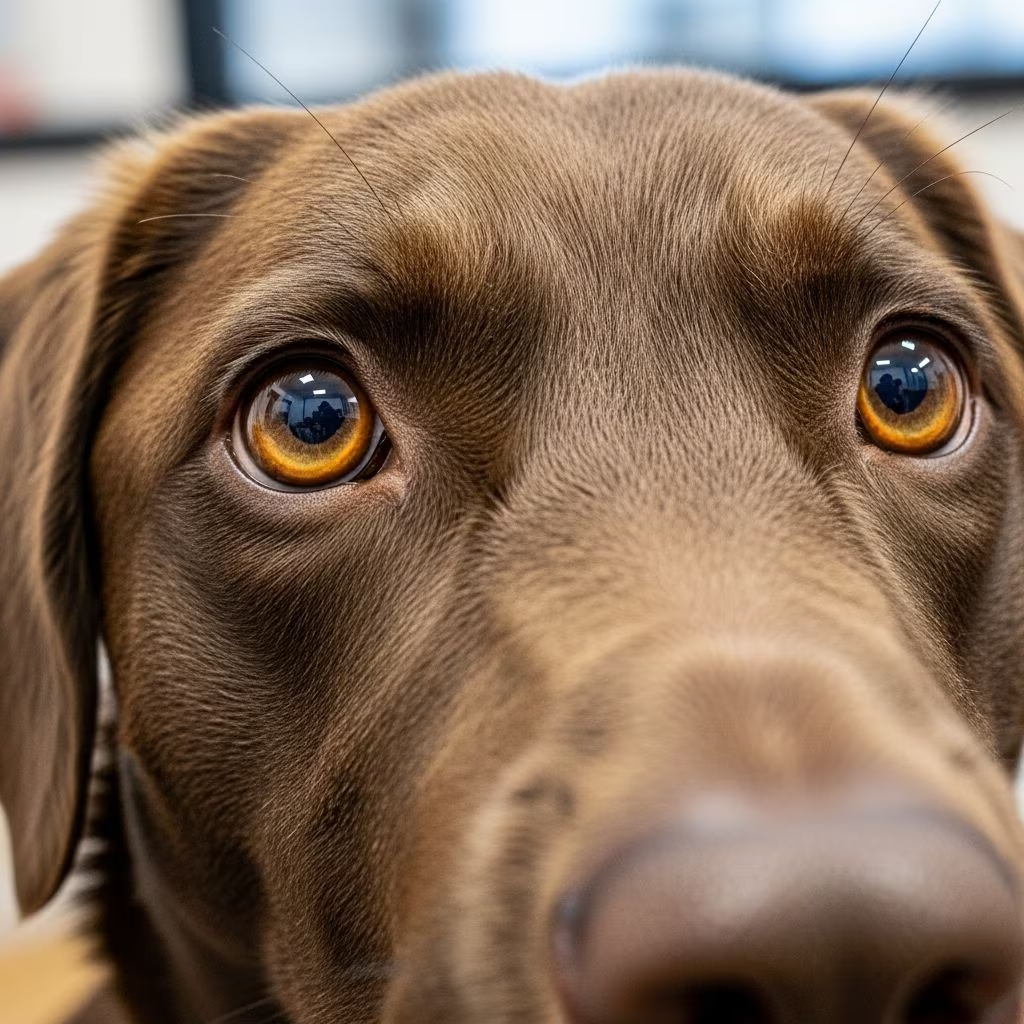
Dilated pupils, known medically as mydriasis, occur when a dog’s pupils expand beyond normal size, often allowing excess light into the eye. While this can be a harmless adaptation to dim environments or emotional states, prolonged or uneven dilation frequently points to underlying health concerns requiring veterinary evaluation.
The Eye’s Natural Response Mechanisms
A dog’s pupil is the central opening in the iris that regulates light entry to the retina. In low-light settings, pupils naturally widen to capture more light, enhancing vision much like in humans. Emotional triggers such as excitement during play or fear from loud noises activate the sympathetic nervous system, prompting adrenaline release that dilates pupils as part of the fight-or-flight mechanism. These changes are temporary and pupils typically constrict in brighter conditions or once the stimulus fades.
Understanding these basics helps distinguish routine occurrences from potential problems. For instance, a dog greeting its owner enthusiastically may show wide pupils briefly, but they should normalize quickly.
Everyday Triggers for Pupil Dilation
- Dim lighting: Pupils enlarge instinctively at dusk or indoors without ample light, a protective reflex shared across mammals.
- Excitement or play: Adrenaline surges during fetch or interactions cause temporary widening to sharpen focus.
- Fear or anxiety: Thunderstorms, car trips, or unfamiliar settings can induce stress-related dilation alongside panting or trembling.
These scenarios rarely warrant concern unless dilation persists after the trigger ends.
Warning Signs of Medical Issues
When pupils remain enlarged in well-lit areas or affect only one eye (anisocoria), it signals possible pathology. Accompanying symptoms amplify urgency:
- Eye redness, cloudiness, or discharge
- Squinting, pawing at the face, or excessive tearing
- Behavioral shifts like lethargy, disorientation, or bumping into objects
- Vomiting, drooling, tremors, or seizures
- Vision impairment, such as hesitation in dark rooms or reluctance outdoors at night
Anisocoria, where one pupil dwarfs the other, often stems from asymmetric nerve damage or eye pressure imbalances. Immediate vet consultation is essential if dilation ignores light changes.
Primary Health Conditions Linked to Mydriasis
Glaucoma: A Vision-Threatening Emergency
Glaucoma arises from elevated intraocular pressure, stretching eye structures and fixing the pupil in a dilated state. This painful buildup damages the optic nerve, risking permanent blindness without swift intervention. Breeds like Cocker Spaniels and Basset Hounds face higher risks due to shallow eye sockets. Symptoms include corneal haze and a steamy eye appearance.
Retinal and Optic Nerve Disorders
Progressive retinal atrophy (PRA) progressively destroys light-sensitive retinal cells, leading to dilated pupils even in light and night blindness. Optic neuritis, an inflammatory optic nerve condition, causes bilateral dilation and vision deficits. These demand specialized diagnostics like electroretinography for PRA confirmation.
| Condition | Key Symptoms | Risk Factors |
|---|---|---|
| Glaucoma | Pain, red eye, cloudy cornea, fixed dilation | Breeds with prominent eyes, older dogs |
| PRA | Night blindness, reflective eyes, gradual vision loss | Hereditary in many breeds |
| Nuclear Sclerosis | Cloudy lens, mild focus issues, age-related | Senior dogs (harmless progression) |
| Optic Neuritis | Sudden vision loss, bilateral dilation | Infections, inflammation |
Neurological Factors
Brain trauma, tumors, or seizures disrupt pupil-regulating nerves, causing unequal or unresponsive dilation. Epilepsy episodes may feature dilated pupils with salivation. Horner’s syndrome, affecting sympathetic nerves, can paradoxically alter pupil size alongside drooping eyelids.
Toxins and Medications as Culprits
Ingestion of poisons like certain plants, rodenticides, or human drugs (e.g., antidepressants) triggers mydriasis via nervous system overstimulation. Symptoms escalate to ataxia or convulsions, necessitating emergency detox. Vet-prescribed eye drops like atropine intentionally dilate pupils for exams but wear off predictably. Always disclose medications during checkups.
Age-Related Changes in Senior Dogs
Older dogs commonly develop nuclear sclerosis, a benign lens hardening mimicking cataracts but positioned behind the iris. This hazy lens impairs focus, sometimes making pupils seem larger. Unlike cataracts, it spares vision significantly, though monitoring prevents confusion with graver issues.
Diagnosis: Veterinary Assessment Protocols
Vets initiate with a thorough ophthalmic exam, testing pupil light reflexes and measuring intraocular pressure via tonometry. Fluorescein staining detects ulcers, while fundoscopy inspects the retina. Bloodwork, imaging (CT/MRI), or toxicology screens pinpoint systemic causes. Early detection via routine senior wellness exams proves invaluable.
Treatment Strategies by Cause
Acute Interventions
Glaucoma demands pressure-lowering drops, oral meds, or surgery like laser therapy to preserve sight. Toxin cases require decontamination, IV fluids, and antidotes. Pain management with analgesics addresses injury-related dilation.
Long-Term Management
PRA lacks cures but antioxidants may slow progression; genetic testing guides breeding avoidance. Neurological therapies vary from anti-seizure drugs to tumor resection. Lifelong monitoring suits chronic conditions like sclerosis.
Owners can support recovery by dimming lights for comfort, preventing accidents, and adhering to meds.
Prevention Tips for Optimal Eye Health
- Secure toxins and medications out of reach.
- Schedule breed-specific screenings for glaucoma/PRA.
- Protect eyes during rough play or outdoor hazards.
- Maintain annual vet exams, biannual for seniors.
- Feed antioxidant-rich diets supporting retinal health.
When to Seek Emergency Help
Rush to an ER if dilation pairs with trauma, one-sided enlargement, vision loss signs, or distress behaviors. Prolonged mydriasis in bright light alone merits same-day vet visits. Delays exacerbate damage, especially in glaucoma.
Frequently Asked Questions
Are dilated pupils always a problem in dogs?
No, they often reflect normal light or emotion responses, but persistence or asymmetry requires checking.
What breeds are prone to pupil dilation issues?
Brachycephalics like Pugs and hereditary PRA breeds like Labrador Retrievers face elevated risks.
Can stress alone cause lasting dilation?
Temporary yes, but ongoing suggests compounded health factors; desensitization training aids anxiety.
How is anisocoria diagnosed?
Via light reflex tests, pressure checks, and neurological exams to isolate eye vs. brain origins.
Is nuclear sclerosis treatable?
No treatment needed; it’s non-progressive to blindness unlike cataracts.
Proactive observation empowers owners to safeguard canine vision effectively.
References
- Why Are My Dog’s Eyes Dilated? Causes & Treatment — Dial A Vet. 2023. https://www.dialavet.com/blog/why-are-my-dogs-eyes-dilated-causes-treatment
- Dilated Pupils (Mydriasis) in Dogs – Causes, Treatment — Vetster. 2024. https://vetster.com/en/symptoms/dog/dilated-pupils-mydriasis
- When to Worry About Your Dog’s Dilated Pupils — Bark & Whiskers. 2025-09. https://www.barkandwhiskers.com/content/files/2025/09/dogs-dilated-pupils.pdf
- Anisocoria in Dogs: Causes & Treatment — Animal Emergency Urgent Care. 2024. https://www.animalemergencyurgentcare.com/anisocoria-in-dogs/
- Disorders of the Optic Nerve in Dogs — Merck Veterinary Manual. 2023. https://www.merckvetmanual.com/dog-owners/eye-disorders-of-dogs/disorders-of-the-optic-nerve-in-dogs
- Progressive Retinal Atrophy — Cornell University College of Veterinary Medicine. 2024. https://www.vet.cornell.edu/departments-centers-and-institutes/riney-canine-health-center/canine-health-topics/progressive-retinal-atrophy



