

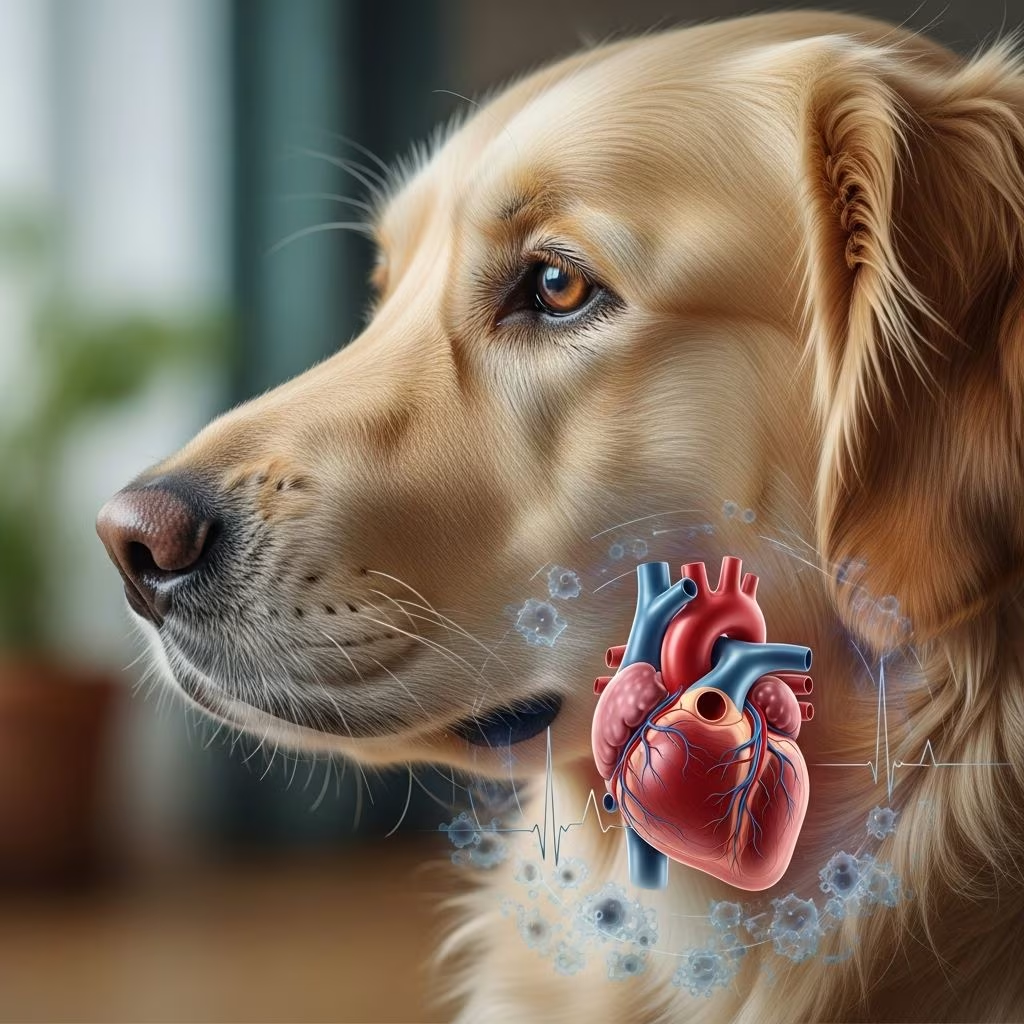
Dilated Cardiomyopathy in Dogs: In-Depth Guide
Dilated cardiomyopathy, commonly abbreviated as DCM, represents one of the most significant cardiac conditions affecting dogs worldwide. This progressive heart disease involves the enlargement of the heart chambers and the thinning of the heart walls, leading to reduced pumping efficiency. Understanding this condition is crucial for dog owners, as early detection and appropriate management can significantly improve a dog’s quality of life and longevity.
What is Dilated Cardiomyopathy?
Dilated cardiomyopathy is a disease characterized by a weakened heart muscle that gradually loses its ability to contract effectively. The condition causes the heart chambers to become abnormally enlarged, while the walls become thinner than normal. This combination of changes results in the heart’s reduced capacity to pump blood efficiently throughout the body, ultimately leading to various systemic complications.
Causes and Risk Factors
DCM can develop from multiple underlying causes, making it essential to identify the specific etiology for each individual dog. The causes of dilated cardiomyopathy include genetic predisposition, nutritional deficiencies, infectious diseases, and certain medications.
Breed Predisposition
Large and giant dog breeds show a higher predisposition to DCM, with certain breeds being particularly susceptible. Doberman Pinschers, Great Danes, Boxers, Saint Bernards, and Irish Wolfhounds are among the most commonly affected breeds. However, DCM can affect any dog breed, regardless of size.
Nutritional Factors
Recent research has highlighted the significant role of nutrition in DCM development. Deficiencies in taurine and L-carnitine have been linked to the development of dilated cardiomyopathy in dogs. Additionally, there is ongoing investigation into the relationship between non-traditional diets and heart disease development in canines. Some dogs with nutritionally acquired DCM may return to normal heart function with appropriate dietary modifications and supplementation.
Genetic and Other Factors
In many dogs, particularly purebred animals, genetics plays a crucial role in DCM development. Some dogs may carry genetic predispositions that make them more susceptible to the condition. Other contributing factors may include myocarditis, cardiomyopathy secondary to systemic diseases, and certain toxins.
Symptoms and Clinical Signs
Dogs with DCM may exhibit a wide range of symptoms that vary depending on the disease stage. Early-stage disease may produce minimal or no observable symptoms, while advanced disease can cause severe and life-threatening complications.
Early Stage Symptoms
In the early stages of DCM, many dogs show no obvious clinical signs. However, veterinary screening may detect abnormalities on electrocardiograms or echocardiograms before symptoms become apparent. When early symptoms do develop, they may include subtle signs such as decreased exercise tolerance, mild lethargy, or occasional panting.
Advanced Stage Symptoms
As DCM progresses and the heart’s ability to function deteriorates, more severe symptoms typically emerge:
- Excessive panting or difficulty breathing (dyspnea)
- Coughing, particularly in the morning or during sleep
- Progressive weight loss
- Swelling in the legs due to fluid accumulation
- Abdominal distension from fluid buildup (ascites)
- Cold extremities, including legs and ears
- Fainting or collapse episodes
- Exercise intolerance and general weakness
Sudden Death Risk
One of the most concerning aspects of DCM is its potential to cause sudden death, sometimes even before other symptoms manifest. Dogs experiencing collapsing or fainting episodes face particularly high risk. This unpredictability underscores the importance of early diagnosis and preventive treatment.
Diagnosis
Accurate diagnosis of dilated cardiomyopathy requires a comprehensive evaluation combining multiple diagnostic approaches.
Physical Examination
During a physical examination, veterinarians listen for heart murmurs, irregular heart rhythms, or abnormal lung sounds using a stethoscope. They also assess overall body condition, check for fluid accumulation, and evaluate exercise tolerance and breathing patterns.
Electrocardiography (ECG)
An ECG records the heart’s electrical activity and can detect arrhythmias or abnormal rhythm patterns. This non-invasive test provides valuable information about the heart’s electrical function and may reveal characteristic changes associated with DCM.
Echocardiography (Ultrasound)
Echocardiography represents the gold standard diagnostic tool for DCM, allowing veterinarians to visualize the heart’s structure and function. This ultrasound examination measures chamber size, wall thickness, and systolic function. It provides definitive confirmation of DCM by demonstrating chamber enlargement and reduced contractility.
Chest X-rays
Radiographic imaging helps assess heart size relative to the chest cavity and can reveal signs of pulmonary edema or pleural effusion, indicating congestive heart failure.
Blood and Urine Tests
Laboratory work assesses overall health status, kidney function, and electrolyte balance. These tests are essential before starting cardiac medications and for monitoring therapeutic response.
Treatment Approaches
While DCM cannot be cured, comprehensive treatment strategies can slow disease progression, manage symptoms, and significantly improve quality of life. Treatment varies based on disease stage and individual dog characteristics.
Treatment for Asymptomatic Dogs
Dogs diagnosed with DCM but showing no clinical symptoms may still benefit from medication to prevent or delay the onset of congestive heart failure. Pimobendan, a positive inodilator, has demonstrated significant benefits in slowing DCM progression in various breeds, including Doberman Pinschers. Dogs with irregular or rapid heart rhythms may receive anti-arrhythmic medications to prevent complications.
Medication Classes for Symptomatic Dogs
Dogs with clinical symptoms or congestive heart failure typically require multiple medications working synergistically to improve cardiac function.
ACE Inhibitors
Angiotensin-converting enzyme inhibitors such as enalapril and benazepril work by reducing blood pressure and decreasing the heart’s workload. These medications block hormonal changes associated with heart failure, reduce sodium and fluid retention, and prevent blood vessel constriction. ACE inhibitors typically represent lifelong therapy but require periodic kidney function monitoring through blood work.
Diuretics
Diuretic medications including furosemide and spironolactone help remove excess fluid from the lungs and abdominal cavity. These drugs work on the kidneys to increase urine production, alleviating breathing difficulties and swelling. Dogs on diuretics require constant access to fresh water and may need more frequent bathroom breaks.
Inodilators
Pimobendan represents a crucial medication class that combines inotropic and vasodilatory effects. This drug increases heart muscle contraction strength while simultaneously dilating blood vessels, reducing arterial and venous pressure. Pimobendan has demonstrated markedly better survival rates compared to other contractility-enhancing medications, making it a cornerstone of modern DCM treatment.
Anti-Arrhythmic Medications
Beta-blockers such as carvedilol, sotalol, and atenolol help manage irregular heart rhythms and reduce the heart rate. Calcium-channel blockers like diltiazem provide additional options for rhythm control. Other anti-arrhythmic agents include procainamide, mexiletine, and amiodarone. These medications help prevent life-threatening arrhythmias that commonly accompany advanced DCM.
Additional Supportive Medications
Bronchodilators such as theophylline and cough suppressants like hydrocodone or butorphanol may be prescribed to ease breathing and reduce cough frequency associated with pulmonary congestion. Digoxin, though less commonly used than in the past due to its narrow therapeutic range, may be prescribed in some cases for its mild contractility enhancement and anti-arrhythmic properties.
Triple Therapy Protocol
The standard treatment regimen for symptomatic DCM typically includes triple therapy combining pimobendan (0.25 mg/kg orally twice daily), a diuretic such as furosemide (typical starting dose 2 mg/kg orally twice daily), and an ACE inhibitor such as enalapril (0.25 to 0.5 mg/kg orally twice daily). This combination addresses multiple pathophysiologic aspects of the disease simultaneously.
Nutritional Management
Dietary therapy plays a significant role in DCM management, particularly in nutritionally acquired cases. Sodium-restricted diets help reduce fluid retention and decrease the heart’s workload. Additionally, nutritional supplementation with taurine, L-carnitine, coenzyme Q10, and certain fish oils may help improve clinical signs and echocardiographic parameters. These supplements should only be initiated under veterinary guidance.
Diet Changes for Specific Cases
In dogs with suspected nutritional deficiencies from inappropriate diet, taurine and carnitine concentrations should be assessed, and supplementation initiated accordingly. Some dogs with diet-associated DCM may restore normal heart function through dietary modifications alone. Breed-specific dietary considerations may also apply, with prescription cardiac diets available from various manufacturers.
Prognosis and Long-term Outlook
The prognosis for dogs with DCM depends on multiple factors including breed, disease stage at diagnosis, underlying cause, and response to treatment. Early detection and prompt initiation of appropriate therapy significantly improve outcomes. Dogs diagnosed with asymptomatic DCM and started on preventive medication generally have better long-term survival rates. Once congestive heart failure develops, prognosis becomes more guarded, though appropriate medical management can still extend survival time and maintain quality of life.
Monitoring and Follow-up Care
Dogs with DCM require regular veterinary monitoring to assess treatment response and adjust medications as needed. Periodic echocardiography helps track disease progression and evaluate cardiac function. Blood work should be performed regularly, particularly when first starting medications or adjusting doses, to ensure proper organ function and electrolyte balance. Owners should watch for changes in symptoms and report any concerns immediately to their veterinarian.
Frequently Asked Questions
Q: Is dilated cardiomyopathy in dogs curable?
A: No, DCM cannot be cured, but it can be effectively managed with medications and dietary modifications. However, dogs with nutritionally acquired DCM caught early may recover normal heart function with appropriate treatment.
Q: Can asymptomatic DCM be treated before symptoms develop?
A: Yes, dogs diagnosed with asymptomatic DCM benefit from early treatment with medications like pimobendan, which can slow disease progression and delay or prevent the onset of congestive heart failure.
Q: How often should my dog be monitored if diagnosed with DCM?
A: Monitoring frequency depends on disease stage and treatment response. Initial assessments may occur weekly, then transition to monthly checks, and eventually to every few months once stabilized. Your veterinarian will recommend an appropriate schedule.
Q: What should I do if my dog shows signs of sudden collapse?
A: Seek immediate veterinary emergency care, as sudden collapse may indicate life-threatening arrhythmias or acute heart failure requiring urgent intervention.
Q: Are there dietary restrictions for dogs with DCM?
A: Many dogs benefit from sodium-restricted diets, and some may require taurine or L-carnitine supplementation depending on underlying causes. Consult your veterinarian about appropriate dietary choices.
Q: How long can a dog live with DCM?
A: Survival time varies widely depending on breed, disease stage at diagnosis, and treatment response. Some dogs live months to years with appropriate management, particularly when diagnosed early.
References
- Review of canine dilated cardiomyopathy in the wake of diet — National Center for Biotechnology Information, PMC. 2020-08-18. https://pmc.ncbi.nlm.nih.gov/articles/PMC7447921/
- Dilated Cardiomyophathy In Dogs: Signs, Diagnosis, & Treatment — Port City Veterinary Hospital. 2024. https://www.portcityvet.com/blog/dilated-cardiomyophathy-in-dogs-signs-diagnosis-and-treatment
- Enlarged Heart (Dilated Cardiomyopathy) in Dogs — PetMD. 2024. https://www.petmd.com/dog/conditions/cardiovascular/enlarged-heart-dilated-cardiomyopathy-dogs
- Dilated Cardiomyopathy in Dogs — VCA Animal Hospitals. 2024. https://vcahospitals.com/know-your-pet/dilated-cardiomyopathy-dcm-in-dogs–indepth
- DCM in dogs (Dilated Cardiomyopathy) — People’s Dispensary for Sick Animals (PDSA). 2024. https://www.pdsa.org.uk/pet-help-and-advice/pet-health-hub/conditions/dcm-dilated-cardiomyopathy-in-dogs
- Dilated cardiomyopathy — Cornell University College of Veterinary Medicine. 2024. https://www.vet.cornell.edu/departments-centers-and-institutes/riney-canine-health-center/canine-health-information/dilated-cardiomyopathy



