

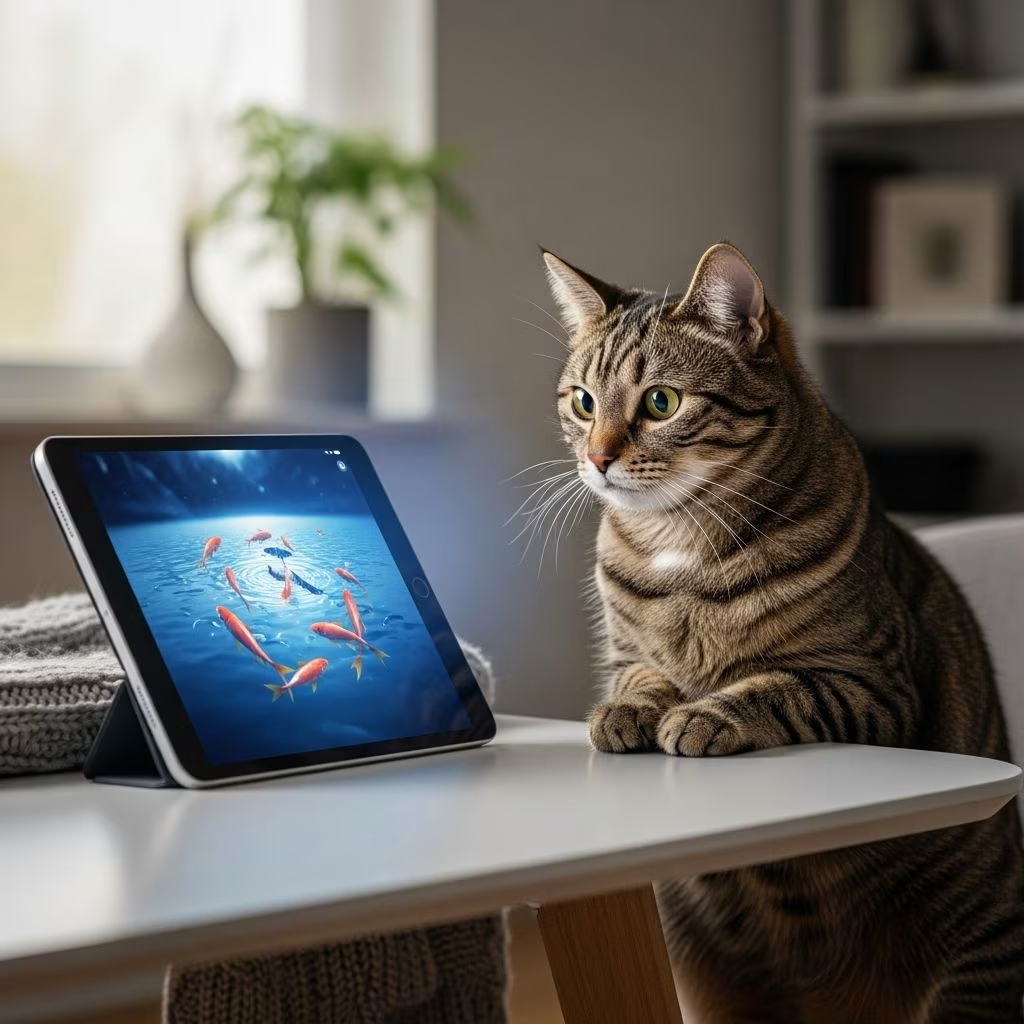
In today’s technology-driven world, cats have joined their human companions in enjoying screen-based entertainment. While traditional toys and physical play remain essential, digital forms of engagement offer unique benefits for indoor cats. Screen games, videos, and interactive applications provide mental stimulation, exercise opportunities, and enrichment that can significantly enhance a cat’s quality of life. This comprehensive guide explores the fascinating world of digital entertainment designed specifically for feline companions.
Understanding Screen-Based Entertainment for Cats
Screen-based entertainment for cats encompasses a variety of digital formats, from simple video compilations to sophisticated interactive applications. These digital tools are designed to tap into a cat’s natural hunting instincts and prey drive by simulating the movements and behaviors of small animals like birds, mice, and fish. The unpredictable movement patterns displayed on screens closely mimic the erratic behavior of live prey, capturing a cat’s attention and encouraging active engagement.
Unlike passive viewing experiences, many modern cat applications offer interactive elements that respond to a cat’s touch or movement, creating a sense of control and accomplishment. These programs range from free options available on streaming platforms to premium applications designed specifically for feline enrichment, each offering varying levels of complexity and engagement.
The Science Behind Why Cats Are Drawn to Screens
Cats possess exceptional vision capabilities, particularly sensitivity to motion. Their eyes detect movement at frequencies and speeds that often exceed human perception. When content displayed on a screen mimics natural prey movement—such as the darting patterns of a mouse or the fluttering of a bird’s wings—it naturally activates a cat’s predatory response system.
The visual contrast and color variations in many cat-focused applications also contribute to their appeal. Cats see the world differently than humans do, with enhanced perception of blues and greens but reduced ability to distinguish reds. Digital content creators have learned to develop visual experiences that align with feline color perception and motion sensitivity, making these applications more engaging than they might initially appear to human observers.
Popular Types of Digital Cat Entertainment
Rodent and Small Prey Videos
Among the most popular digital entertainment options, mouse and small prey videos trigger a cat’s fundamental hunting instincts. These videos feature realistic animations or recorded footage of mice scurrying across the screen, complete with authentic movement patterns and sometimes realistic sound effects. The unpredictable nature of prey movement keeps cats engaged and mentally active throughout viewing sessions.
Aquatic and Fish-Based Content
Fish and aquarium videos offer a different sensory experience compared to rodent-focused content. The graceful, flowing movements of fish create a calming visual experience that appeals particularly to older cats, anxious felines, or those with lower energy levels. Many cats find the rhythmic swimming motions soothing, making this type of content ideal for reducing stress and promoting relaxation.
Bird and Flying Creature Videos
Videos featuring birds and other flying creatures present dynamic movement patterns that challenge cats mentally and physically. The unpredictability of aerial movement encourages cats to jump, swat at screens, and engage in vigorous physical activity. These videos often incorporate realistic chirping and other ambient sounds that enhance the immersive experience.
Interactive Tablet and Mobile Applications
Modern interactive applications have revolutionized digital cat entertainment by allowing cats to directly participate in gameplay. Apps available on iOS and Android platforms feature moving dots, animated prey, and responsive elements that react to a cat’s touch or proximity. Some sophisticated applications track a cat’s movements and adapt difficulty levels accordingly, providing customized entertainment experiences.
Benefits of Screen-Based Play for Feline Health and Behavior
Physical Exercise and Weight Management
Interactive screen games can encourage physical activity, particularly for indoor cats with limited natural exercise opportunities. When cats actively chase movements on screens, swat at interactive elements, or pounce at changing images, they engage muscle groups and increase their activity levels. This form of play can be especially valuable for sedentary cats or those at risk of weight-related health issues. Even cats that watch passively may experience increased alertness and mental engagement that contributes to overall wellness.
Mental Stimulation and Cognitive Function
Digital entertainment provides substantial cognitive enrichment by presenting novel, ever-changing visual stimuli. The requirement to track moving targets, predict prey movements, and respond to interactive elements exercises a cat’s brain in meaningful ways. This mental engagement becomes increasingly important for senior cats, helping maintain cognitive function and slowing age-related mental decline. Young cats also benefit from the problem-solving aspects of interactive applications, supporting healthy neurological development.
Stress Reduction and Anxiety Management
Calming videos featuring slowly moving fish or peaceful natural scenes can help reduce anxiety in cats experiencing stress. For cats left alone during work hours or those adjusting to new environments, soothing digital content provides comfort and distraction. The predictable, gentle movements in relaxation-focused videos create a meditative effect that can lower cortisol levels and promote emotional wellbeing.
Behavioral Enrichment and Outlet for Instincts
Screen-based entertainment offers safe outlets for a cat’s hunting instincts without the dangers associated with outdoor hunting. Indoor cats retain powerful predatory drives that need appropriate channels for expression. Digital play allows cats to engage in stalking, pouncing, and capturing behaviors in a controlled, supervised environment. This constructive outlet can reduce unwanted behaviors such as excessive aggression toward household members or other pets.
Types of Screen Games and Applications
| Application Type | Best For | Key Features | Considerations |
|---|---|---|---|
| Passive Video Content | All cats, especially seniors | Compiled sequences of prey movement, bird footage, or aquatic scenes | Minimal physical activity required; good for relaxation |
| Interactive Tablet Apps | Active, curious cats | Touch-responsive elements, moving dots, animated prey | Requires screen protector; monitor screen time |
| Laser Pointer Alternatives | High-energy cats | Digital laser effects on screen or projection-based | Ensure cat can “catch” something to prevent frustration |
| YouTube Compilations | Budget-conscious owners | Free, diverse content options available | Variable quality; may contain distracting human elements |
| Smart TV Applications | Families with television access | Large-screen experience, comprehensive content libraries | Requires compatible device; may be subscription-based |
Setting Up a Safe Digital Play Environment
Device Protection and Safety Measures
Before introducing screen-based entertainment to your cat, establish protective measures to prevent damage to devices and ensure your cat’s safety. A high-quality screen protector is essential when using tablets or mobile devices, as cat claws can scratch screens during enthusiastic play. Position devices on stable, flat surfaces where they cannot be easily knocked over, which protects both the device and prevents injury to your cat from falling equipment.
Consider using a device holder or stand that positions screens at an appropriate angle for cat viewing while maintaining stability. Secure any cables or cords to prevent entanglement or accidental damage. Never leave your cat unsupervised with active devices, particularly those connected to electrical outlets or power sources.
Appropriate Timing and Screen Time Duration
While screen-based entertainment offers benefits, moderation remains important. Digital play should complement rather than replace traditional interactive play with owners and physical toys. Recommended guidelines suggest limiting screen time to 15-30 minute sessions, with multiple shorter sessions preferred over extended viewing periods. Monitor your cat’s response and adjust accordingly based on their apparent interest and engagement levels.
Creating an Engaging Viewing Space
Optimize your cat’s viewing experience by ensuring adequate lighting in the room. While excessive glare can be uncomfortable, cats benefit from sufficient ambient light to view screens clearly. Consider your cat’s preferred resting positions and place screens at heights and distances that allow comfortable viewing. Some cats prefer watching from elevated positions, so positioning a device near window perches or elevated furniture can enhance engagement.
Introducing Screen Games to Your Cat
Not all cats immediately respond to screen-based entertainment, and individual preferences vary significantly. Begin with short exposure sessions, starting with just 5-10 minutes, to assess your cat’s interest and reaction. Try different content types to identify which categories most effectively capture your cat’s attention—some cats may prefer rodent videos while others gravitate toward aquatic content.
If your cat shows little initial interest, try adjusting audio levels slightly to enhance engagement. Many cats respond more enthusiastically when sound effects accompanying visual movement create a more immersive experience. However, ensure audio levels remain appropriate to avoid startling your cat or causing hearing discomfort.
Introduce screen entertainment during times when your cat is typically active and alert, as passive cats may ignore digital content regardless of quality. If your cat enjoys physical interactive play, screen-based entertainment can be offered as an alternative activity during times when you’re unavailable for direct engagement.
Complementing Screen Play with Traditional Activities
Screen-based entertainment should never entirely replace traditional forms of play and interaction. Interactive play with wand toys, laser pointers, and physical toys remains crucial for building bonds between cats and their owners and providing the most comprehensive forms of enrichment. These traditional interactive activities offer tactile feedback, real-world problem-solving, and direct social connection that digital entertainment cannot fully replicate.
The most enriching approach combines multiple play types throughout the day. Morning sessions might feature interactive play with you and your cat, midday could include screen-based entertainment during work hours, and evening time might involve independent play with physical toys. This varied approach maintains novelty and prevents boredom while addressing different aspects of your cat’s physical and mental wellness needs.
Special Considerations for Different Life Stages
Kittens and Young Cats
Young cats benefit from screen entertainment that provides interactive challenges and encourages active play. Kittens typically respond enthusiastically to fast-moving prey simulations and interactive games that develop coordination and motor skills. However, ensure that screen time does not replace crucial interactive play sessions that build bonds between kittens and their owners during critical developmental periods.
Senior and Senior Cats
Older cats often prefer gentler, slower-paced content such as aquatic videos or bird-watching compilations. Screen-based entertainment can provide valuable mental stimulation and activity encouragement for senior cats experiencing age-related mobility challenges. Cats with hearing or vision impairments may benefit from larger screens positioned optimally for their specific sensory capabilities.
Common Questions About Cat Screen Entertainment
Can screen games substitute for real play with owners?
No, screen-based entertainment should complement rather than replace interactive play between cats and their owners. Direct interaction, whether through wand toys or interactive games, provides irreplaceable bonding opportunities and more comprehensive physical exercise. Screen games work best as supplementary enrichment during times when owners cannot actively engage.
Is screen time harmful to cats’ eyes?
Moderate screen time is generally safe for cats’ vision. Cats’ eyes are adapted to perceive movement and lighting differently than human eyes, making digital content less visually taxing. However, ensure adequate ambient lighting and limit extended viewing sessions to promote overall eye health and prevent strain.
What should I do if my cat isn’t interested in screen games?
Individual preferences vary considerably among cats. If your cat shows no interest in screen-based entertainment, focus on other enrichment methods such as physical toys, window perches, interactive play, and environmental exploration. Not every cat requires or enjoys digital entertainment to maintain wellbeing.
Are free cat videos as effective as paid applications?
Both free and paid options can be effective, depending on individual cat preferences and content quality. Free videos from platforms like YouTube offer diverse options at no cost but may contain variable quality or distracting elements. Paid applications often provide more sophisticated interactive features and specialized content, but free options may be perfectly adequate for your cat’s needs.
Selecting Quality Content for Your Cat
When choosing screen-based entertainment, prioritize content specifically designed for cats rather than human-focused animal videos. Cat-specific content is engineered with feline sensory capabilities in mind, incorporating movement patterns, colors, and sounds that optimize engagement. Read reviews from other cat owners and try free trials of applications before purchasing to ensure the content appeals to your specific cat.
Look for content that features realistic movement patterns and appropriate pacing. Overly simplistic or too-complex content may fail to engage your cat’s interests. Some cats prefer short, varied content while others enjoy longer compilations with multiple scenes and prey types.
The Future of Feline Digital Entertainment
As technology advances, screen-based entertainment for cats continues evolving. Developers are creating increasingly sophisticated applications that incorporate artificial intelligence to adapt to individual cat preferences, biometric sensors to monitor engagement, and virtual reality experiences that provide more immersive environments. Future innovations may include applications that track your cat’s play patterns and automatically adjust content recommendations based on demonstrated preferences.
Screen-based entertainment represents a modern addition to the cat enrichment toolkit, offering benefits that traditional toys cannot provide. By thoughtfully incorporating digital play into a comprehensive enrichment strategy that emphasizes interactive owner engagement and diverse physical toys, you can enhance your indoor cat’s quality of life while keeping them mentally stimulated and physically active.
References
- 7 Benefits of Interactive Play for Cats — Cat Behavior Associates. https://catbehaviorassociates.com/7-benefits-of-interactive-play-for-cats/
- Top 5 Fun Games for Cats — Nestlé Purina India. https://www.purina.in/care-and-advice/cat/behaviour-and-training/five-fun-games-for-cats
- Why Cats Love Watching Videos — Joyful Pets. https://www.joyfulpets.com/cat-videos/
- Games to Play With Your Cats — Pets Plus Us. https://www.petsplusus.com/pet-information/lifestyle/cat-me-if-you-can



