

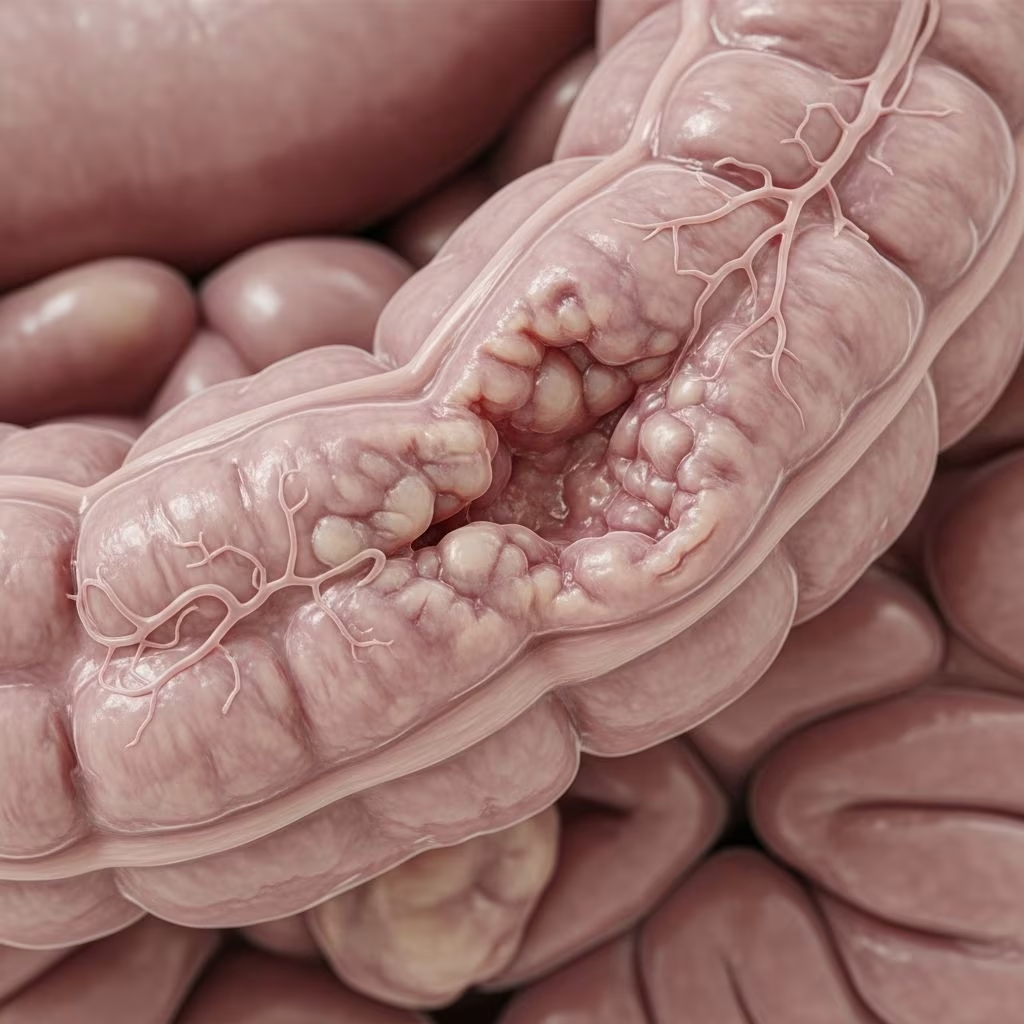
Gastrointestinal lymphoma represents a significant challenge in veterinary oncology, affecting the digestive system of canine patients through malignant proliferation of lymphoid tissue. This form of cancer accounts for a relatively small percentage of all lymphoma cases in dogs, yet it carries substantial clinical implications due to its aggressive nature and impact on nutritional status. Understanding the manifestation, progression, and therapeutic options available for this disease is essential for dog owners navigating a difficult diagnosis.
The Nature and Prevalence of Intestinal Lymphoma
Gastrointestinal lymphoma develops when malignant lymphocytes infiltrate the tissues lining the digestive tract. This condition can occur in isolation or as part of a more systemic disease process. The disease presents unique challenges compared to other forms of canine lymphoma because of its location within the gastrointestinal system and its direct interference with nutrient absorption and digestion. The prevalence of this form varies among the broader lymphoma population, representing a minority of cases yet remaining clinically significant.
The cellular characteristics of gastrointestinal lymphoma vary considerably, with classification typically involving assessment of cell size and grade. High-grade lymphomas consisting of large to intermediate cells display more aggressive behavior, while low-grade, small-cell variants tend to progress more slowly. The distinction between these grades carries important prognostic implications and influences treatment recommendations, as different cellular presentations respond variably to therapeutic interventions.
Clinical Manifestations and Diagnostic Indicators
Dogs with gastrointestinal lymphoma typically present with a constellation of digestive symptoms that reflect the tumor’s interference with normal gastrointestinal function. The most frequently observed clinical signs include:
- Vomiting, which may occur intermittently or persistently
- Diarrhea characterized by dark coloration and offensive odor
- Significant weight loss despite maintained feeding efforts
- Reduced appetite or complete anorexia
- Weakness and lethargy affecting mobility and activity levels
- Visible abdominal discomfort or pain
- Loss of muscular condition and body mass
Beyond clinical observation, laboratory findings provide additional diagnostic clues. Bloodwork typically reveals several abnormalities, with hypoalbuminemia—low blood protein levels—representing the most common laboratory finding in affected dogs. This occurs due to malabsorption and protein loss through the damaged intestinal epithelium. Additional findings frequently include anemia, elevated white blood cell counts, and increased liver enzyme activities, though these abnormalities remain relatively non-specific to gastrointestinal lymphoma.
Definitive diagnosis requires histopathological examination of intestinal tissue samples obtained through endoscopic biopsy or surgical intervention. This assessment allows for cellular classification, determination of lymphoma grade, and immunophenotyping—identification of the specific lymphoid cell type involved. These diagnostic details prove crucial for prognosis estimation and treatment planning, as they directly influence expected responses to therapy and anticipated survival duration.
Distinguishing Between Lymphoma Grades and Cell Types
The histological classification of gastrointestinal lymphoma carries profound implications for both treatment approach and prognosis. Small-cell, low-grade lymphomas present a markedly different clinical picture than their high-grade counterparts. Small-cell variants generally follow a more indolent course, progressing gradually and showing better initial responses to conservative therapeutic strategies. Dogs with this classification frequently survive substantially longer when appropriately managed.
Conversely, high-grade lymphomas composed of large or intermediate-sized cells demonstrate aggressive behavior, rapid progression, and more challenging therapeutic responses. These tumors progress quickly and are more refractory to standard treatments, necessitating intensive intervention strategies. The difference between these classifications represents perhaps the single most important prognostic factor after the extent of disease dissemination.
The anatomical location of lymphoma within the gastrointestinal tract also influences prognosis. Dogs with lymphoma localized to the large intestine, or colorectal lymphoma specifically, demonstrate significantly more favorable outcomes compared to those with gastric or small intestinal involvement. This anatomical distinction may relate to biological differences in tumors at different sites or to differences in treatment accessibility and efficacy.
Comprehensive Treatment Strategies
Chemotherapy: The Primary Therapeutic Approach
Chemotherapy represents the cornerstone of treatment for gastrointestinal lymphoma in dogs. Multi-agent chemotherapy protocols—combining multiple anticancer medications—are considered the optimal approach for achieving remission and extending survival duration. These protocols typically employ combinations such as CHOP-based regimens (cyclophosphamide, hydroxydaunorubicin, oncovin, and prednisone) or COP-based protocols (cyclophosphamide, oncovin, and prednisone).
High-grade gastrointestinal lymphomas demonstrate favorable initial responses to multi-agent chemotherapy, with remission rates reaching up to 80% in many cases. However, this initial responsiveness often proves temporary, as progressive disease recurrence typically develops within months. The clinical responses elicited by chemotherapy, while meaningful for quality of life improvement, remain fundamentally non-curative in the vast majority of cases.
Small-cell, low-grade lymphomas respond differently to chemotherapeutic intervention. These cases frequently respond well to combinations of corticosteroids and alkylating agents such as chlorambucil. This gentler approach often achieves prolonged remissions without the intensity of multi-agent protocols. Dogs with small-cell disease treated with steroid and alkylating agent combinations experience substantially longer survival times, often measured in years rather than months.
Surgical Intervention and Localized Disease
Surgical resection plays a limited but important role in gastrointestinal lymphoma management. When tumors present as solitary, focal lesions that can be completely removed, surgical excision may be considered. However, this scenario occurs infrequently in gastrointestinal lymphoma, as disease typically involves diffuse infiltration throughout the digestive tract rather than localized tumor growth.
When surgery is pursued for focal lesions, adjuvant chemotherapy remains strongly recommended afterward, particularly for high-grade lymphomas. The combination of surgical resection followed by systemic chemotherapy has demonstrated improved survival outcomes compared to either modality alone. Surgery may also become necessary for managing complications such as intestinal obstruction or perforation rather than for primary tumor treatment.
Palliative and Supportive Care Options
When conventional chemotherapy proves financially prohibitive or incompatible with patient factors, alternative therapeutic approaches provide palliation and temporary disease control. Corticosteroids, particularly prednisone, effectively reduce lymph node enlargement and temporarily alleviate clinical signs. While corticosteroids cannot cure lymphoma, they provide symptom relief and may extend survival by several months, allowing additional quality time for affected dogs and their families.
Supportive care measures complement primary treatment regardless of the modality chosen. Nutritional support becomes particularly important given the malabsorption and maldigestion accompanying gastrointestinal lymphoma. High-quality, easily digestible diets may improve nutrient absorption despite compromised intestinal function. Medications to control secondary gastrointestinal symptoms such as vomiting and diarrhea enhance comfort and quality of life during treatment.
Expected Outcomes and Survival Considerations
Prognostic expectations for gastrointestinal lymphoma vary dramatically based on cellular classification and location. Dogs with high-grade lymphomas treated with multi-agent chemotherapy experience median survival times ranging from 2 to 3 months in many cases, though some sources report slightly longer periods. The rapid progression and progressive chemotherapy resistance characteristic of high-grade disease make long-term prognosis guarded despite appropriate treatment.
A notable exception exists for large intestinal lymphoma, which demonstrates substantially better outcomes. Dogs with colorectal lymphoma treated with systemic chemotherapy achieve median survival times of 5.5 to 6 years—a dramatic difference from other gastrointestinal lymphoma presentations. This exceptional prognosis suggests biological and treatment-response differences specific to tumors in this location.
Small-cell lymphomas similarly demonstrate markedly improved survival duration. Dogs treated with steroid and alkylating agent combinations achieve median survival times of 14 to 21 months or longer, with some cases extending several years. This extended survival reflects both the less aggressive biological behavior of low-grade disease and improved response to gentler therapeutic approaches.
Managing Side Effects and Quality of Life
Cancer therapy in dogs produces different side effect profiles than in humans. Dogs rarely experience hair loss or apparent illness during chemotherapy, distinguishing their experience from human patients. However, specific side effects do occur and warrant monitoring and management.
The most common adverse effects include bone marrow suppression—reduction in blood cell production—and gastrointestinal complications such as vomiting and diarrhea. These effects often prove manageable through supportive medications and dosage adjustments. Most dogs tolerate chemotherapy protocols reasonably well, maintaining appetite and activity levels between treatment sessions.
The primary goal of therapy remains palliative rather than curative. Treatment aims to extend survival duration while maintaining acceptable quality of life, allowing dogs to enjoy continued engagement with their families and maintenance of normal activities to the extent possible. Veterinarians work closely with owners throughout treatment to balance therapeutic benefits against potential adverse effects and treatment burdens.
Frequently Asked Questions
Q: Is gastrointestinal lymphoma hereditary or preventable?
A: The precise etiology of gastrointestinal lymphoma remains incompletely understood. While certain breeds may show increased predisposition, the disease is not typically hereditary in a predictable pattern. No established preventive strategies exist beyond general cancer prevention measures such as maintaining healthy weight and avoiding known environmental carcinogens.
Q: How is gastrointestinal lymphoma diagnosed definitively?
A: Definitive diagnosis requires histopathological examination of intestinal tissue samples obtained through endoscopic biopsy or surgical sampling. Imaging such as ultrasound and laboratory bloodwork support diagnosis but are insufficient alone for confirmation.
Q: Can gastrointestinal lymphoma be cured?
A: Cure remains unlikely with current treatment approaches. The primary goal of therapy is achieving remission, extending survival duration, and maintaining quality of life. Remission can be achieved in many cases, but eventual disease progression is expected in most dogs.
Q: What factors influence treatment recommendations?
A: Lymphoma grade, cellular type, anatomical location, overall health status, owner financial constraints, and owner preferences all influence treatment decisions. Small-cell disease confined to the large intestine carries the most favorable prognosis and offers gentler treatment options.
Q: How often does remission occur, and how long does it typically last?
A: High-grade lymphomas achieve remission in approximately 80% of dogs with multi-agent chemotherapy. Remission duration varies considerably but typically spans months before progressive disease recurrence. Small-cell disease shows higher remission rates and more durable responses.
Moving Forward With Diagnosis and Treatment
Receiving a gastrointestinal lymphoma diagnosis represents a significant event for any dog owner. Understanding the disease characteristics, available treatment options, realistic prognosis, and quality-of-life considerations enables informed decision-making in partnership with qualified veterinary professionals. While the overall prognosis for gastrointestinal lymphoma remains guarded, especially for high-grade variants, meaningful improvement in clinical signs and survival duration remains achievable in many cases. Collaborative communication between veterinary oncologists, primary care veterinarians, and devoted owners optimizes outcomes and maintains focus on preserving the best possible quality of life throughout the disease course.
References
- Canine Alimentary Lymphoma: Clinical Presentation and Treatment Options — Veterinary Ireland Journal. 2024. https://www.veterinaryirelandjournal.com/small-animal/284-canine-alimentary-lymphoma-clinical-presentation-and-treatment-options
- Canine Lymphoma Research — College of Veterinary Medicine, Purdue University. 2024. https://vet.purdue.edu/wcorc/cancer-research/canine-lymphoma-research.php
- Lymphoma in Dogs — VCA Animal Hospitals. 2024. https://vcahospitals.com/know-your-pet/lymphoma-in-dogs
- Gastrointestinal Neoplasia in Dogs and Cats: Digestive System — Merck Veterinary Manual. 2024. https://www.merckvetmanual.com/digestive-system/neoplasia-of-the-gastrointestinal-tract-in-small-animals/gastrointestinal-neoplasia-in-dogs-and-cats
- Lymphoma in Dogs: Signs, Stages, Treatment, and Prognosis — Best Friends Animal Society. 2024. https://bestfriends.org/pet-care-resources/lymphoma-dogs-signs-stages-treatment-and-prognosis
- Lymphoma in Dogs: Circulatory System — MSD Veterinary Manual. 2024. https://www.msdvetmanual.com/circulatory-system/lymphoma-in-dogs/lymphoma-in-dogs



