

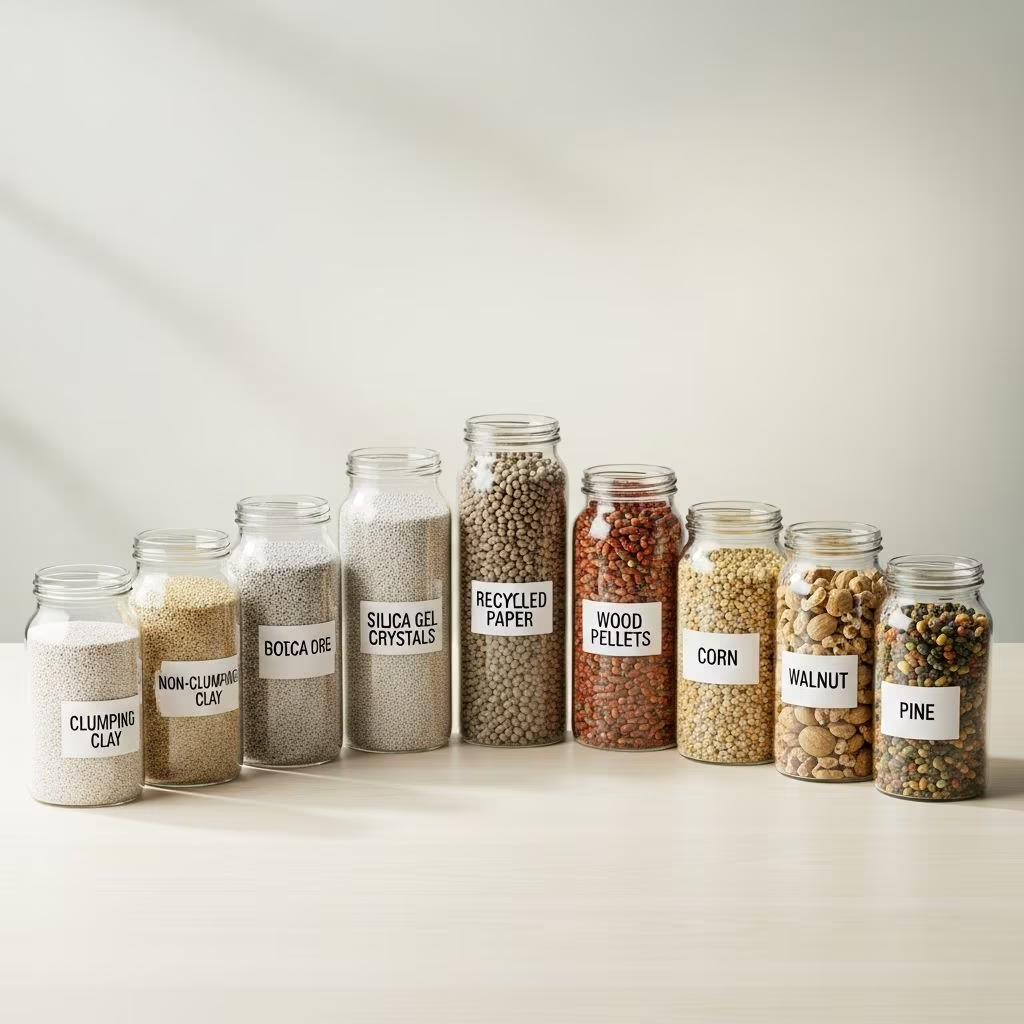
Types of Cat Litter: A Comprehensive Guide to Finding the Right Option for Your Cat
Selecting the right cat litter is one of the most important decisions a cat owner makes. Your choice impacts not only your cat’s comfort and health but also your household’s cleanliness and your daily maintenance routine. With nine main types of cat litter available on the market, each offering unique benefits and drawbacks, understanding the differences can help you make an informed decision that works best for your feline companion and your lifestyle.
Understanding Cat Litter Options
The modern pet market offers an impressive array of cat litter choices, far beyond the traditional clay options that dominated decades past. Today’s options include clay-based litters, silica gel crystals, natural and biodegradable materials like pine, corn, grass, wheat, and walnut, as well as paper-based alternatives. Each type has distinct characteristics regarding clumping ability, dust levels, odor control, environmental impact, and cost. Understanding these nine main types will help you evaluate which best suits your situation.
1. Clay-Based Litters
Clay litter remains the most common and often the cheapest option available to cat owners worldwide. This popularity stems from its proven effectiveness, affordability, and widespread availability. Clay litter typically comes in two primary forms: clumping and non-clumping varieties.
Clumping Clay Litter
Clumping clay litter, often made from montmorillonite and bentonite clays, forms solid chunks when it comes into contact with moisture from urine and waste. This characteristic makes scooping and disposal significantly easier for cat owners. The clumping action allows you to remove soiled litter quickly without replacing the entire box contents daily.
Advantages of clumping clay litter include:
- Easy scooping and waste removal
- Wide variety of brands and formulas available
- Effective odor control
- Affordable pricing
- Available at virtually every pet store and supermarket
Disadvantages include:
- Can be quite heavy, especially when saturated
- Often produces significant dust, which can irritate respiratory systems
- Prone to tracking, meaning litter particles get carried throughout your home
- Requires regular scooping and frequent complete litter box changes
- Heavy weight makes disposal challenging
Non-Clumping Clay Litter
Non-clumping clay absorbs moisture and odors effectively but does not form solid clumps. Instead, it simply absorbs moisture, requiring you to replace the entire litter box contents more frequently.
Key characteristics of non-clumping clay:
- Budget-friendly option
- Good odor absorption
- Less dusty than some clumping varieties
- Better for single-cat households
- Requires complete litter box changes more often
2. Silica Gel or Crystal Litters
Crystal cat litter represents one of the newer, more innovative options gaining popularity among cat owners seeking low-maintenance solutions. Made from porous silica gel beads or crystals, this type is mined from quartz sand and processed by mixing with oxygen and water to create highly absorbent crystals.
One of the most impressive features of crystal litter is its exceptional absorbency. Because crystals allow water to evaporate, they can continue absorbing liquid waste for up to a month, making them extraordinarily long-lasting compared to traditional clay options.
Advantages of crystal litter:
- No clumps to scoop, reducing maintenance
- Extremely lightweight compared to clay
- Highly absorbent and long-lasting
- Superior odor control
- Can go weeks without changing
- 99% dust-free, ideal for cats with respiratory sensitivities
- Low tracking
- Some varieties include health monitoring features that change color to indicate potential health issues
Disadvantages include:
- More expensive per pound than clay (though longer-lasting)
- Some cats dislike the texture
- Can be harmful if cats accidentally ingest it
- Lacks the familiar litter box feel some cats prefer
3. Pine Litter
Pine cat litter is made from compressed pellets of sawdust, usually sourced from pine wood. This natural option appeals to environmentally conscious cat owners seeking plant-based alternatives.
Key features of pine litter:
- Infused with natural pine scent
- Plant-based and renewable resource
- Low tracking due to pellet design
- Biodegradable option
Challenges with pine litter:
- Bulky texture that some cats dislike or refuse to use
- Often forms hard, dense, sticky clumps that are difficult to clean
- Can be a hassle to clean compared to traditional litters
- May require adjustment period for cats accustomed to other litters
4. Corn Cat Litter
Known for its biodegradable and compostable nature, corn cat litter is a popular environmentally-friendly option made from dried corn kernels or cobs. It comes in multiple forms, including clumping and non-clumping varieties, with some brands claiming flushability.
Advantages of corn litter:
- Relatively lightweight and easy to handle
- Plant-based and renewable resource
- Sometimes flushable (though flushing is not always recommended)
- Clumping options available for easier scooping
- Soft texture that some cats prefer
- Biodegradable alternative to clay
Disadvantages:
- Often more expensive than clay litter
- Can be dusty and messy despite marketing claims
- Limited odor control compared to clay or crystal
- Prone to mold growth in humid environments
- May track more readily
5. Grass Litter
Grass-based cat litter offers another natural, biodegradable alternative for environmentally conscious pet owners. This type appeals to those seeking lightweight options with minimal environmental impact.
Characteristics of grass litter:
- Made from natural grass materials
- Lightweight compared to clay
- Low dust production
- Biodegradable and eco-friendly
- Good clumping ability
- Natural scent appeal to some cats
6. Wheat Litter
Wheat-based cat litter represents another natural, grain-derived option gaining traction among pet owners prioritizing sustainability. Made from processed wheat, this type combines biodegradability with practical functionality.
Benefits of wheat litter:
- Made from renewable agricultural resources
- Low dust formula
- Biodegradable and compostable
- Good clumping ability
- Lightweight option
- Sometimes flushable
7. Walnut Shell Litter
Walnut cat litter is made from crushed shells of walnuts, offering an interesting alternative to clay with similar texture but significantly different weight characteristics. This option particularly appeals to cat owners who frequently clean litter boxes and prefer lightweight solutions.
Advantages of walnut litter:
- Much lighter weight than clay litter
- Similar texture to clay, familiar to cats accustomed to traditional litter
- Easier for cats to dig and cover deposits
- Natural product from renewable resources
- Some clumping ability
- Better tracking control than clay
Disadvantages:
- More expensive than traditional clay
- Clumping not as strong as clay litter
- Less widely available than clay options
- May have limited odor control
8. Paper Litter
Paper cat litter is made from recycled paper, often formed into pellets or soft shredded pieces, offering an excellent choice for cats with respiratory sensitivities. This eco-friendly option transforms waste materials into functional pet products.
Key features of paper litter:
- Made from recycled materials, reducing waste
- Low dust formula, ideal for kittens or cats with respiratory issues
- Soft texture many cats appreciate
- Biodegradable composition
- Lightweight and easy to handle
- Often flushable
Potential drawbacks:
- Limited odor control compared to clay or crystal
- May track more easily
- Often more expensive than clay alternatives
- Less widely available
9. Tofu Litter
Probably one of the newest types of cat litter available, tofu cat litter is quickly gaining popularity among environmentally conscious and health-focused pet owners. Made from soybean fiber, this innovative option represents the cutting edge of natural cat litter development.
Why tofu litter stands out:
- All natural, biodegradable, and non-toxic composition
- Virtually dust-free, protecting respiratory health
- Most brands come as low-tracking pellets
- Clumps fairly well for easy scooping
- Can be flushed down the toilet
- Not harmful if accidentally consumed by your cat
- Excellent for cats with sensitivities
- Satisfies environmental, cleanliness, and health concerns simultaneously
Considerations:
- Typically more expensive than clay
- Still emerging product with fewer brand options
- Availability varies by region
Comparing Cat Litter Types
| Litter Type | Odor Control | Dust Level | Cost | Clumping | Best For |
|---|---|---|---|---|---|
| Clumping Clay | Good | High | $ | Excellent | Budget-conscious owners |
| Non-Clumping Clay | Good | Medium-High | $ | None | Single-cat homes |
| Crystal/Silica Gel | Excellent | Very Low | $$$ | N/A | Low-maintenance seekers |
| Pine | Good | Low | $$ | Poor | Eco-conscious owners |
| Corn | Good | Medium | $$ | Fair | Eco-friendly households |
| Grass | Good | Low | $$ | Good | Natural litter seekers |
| Wheat | Good | Low | $$ | Good | Eco-friendly options |
| Walnut | Good | Low | $$ | Fair | Lightweight preference |
| Paper | Fair | Very Low | $$-$$$ | Fair | Respiratory-sensitive cats |
| Tofu | Good | Very Low | $$$ | Good | Health-conscious owners |
Choosing the Right Litter for Your Cat
Selecting the best cat litter involves considering multiple factors beyond simple cost comparison. Your choice should balance your cat’s preferences, your household needs, health considerations, and environmental values.
Key decision factors:
- Your cat’s texture preference: Some cats strongly prefer certain litter textures and may refuse alternatives
- Dust sensitivity: Cats with respiratory issues benefit from low-dust options like crystal, paper, or tofu
- Odor control needs: Households with multiple cats may prioritize superior odor control
- Maintenance preferences: Consider how often you want to change litter boxes
- Weight and handling: Older owners may prefer lightweight options
- Environmental impact: Natural and biodegradable options appeal to eco-conscious households
- Safety concerns: If your cat consumes litter, choose non-toxic options like tofu or walnut
- Budget constraints: Balance ongoing costs with frequency of litter box changes
Frequently Asked Questions
Q: What are the main types of cat litter available?
A: The nine main types include clay (clumping and non-clumping), silica gel crystals, pine, corn, grass, wheat, walnut, paper, and tofu. Each offers different benefits regarding odor control, dust levels, environmental impact, and price.
Q: Which cat litter is best for cats with respiratory sensitivities?
A: Low-dust options like crystal/silica gel, paper, and tofu litter are ideal for cats with respiratory sensitivities. These options minimize airborne particles that can irritate breathing.
Q: Is clay litter safe for cats?
A: Traditional clay litter is generally safe for most cats, though some cats may consume small amounts. Non-toxic alternatives like tofu or walnut litter are safer if your cat tends to ingest litter.
Q: How long does crystal cat litter last?
A: Crystal litter can last up to a month or longer because crystals continue absorbing liquid through evaporation, making it more economical than clay despite higher initial cost.
Q: What is the most eco-friendly cat litter option?
A: Tofu litter offers excellent eco-friendly credentials with biodegradable, non-toxic composition and flushing capability. Other natural options like corn, wheat, grass, and paper also provide environmentally conscious alternatives.
Q: Can corn or wheat litter be flushed?
A: Some corn and wheat litter brands claim to be flushable; however, many plumbing experts recommend against flushing any cat litter to avoid pipe blockages and septic system issues.
Q: Is walnut litter good for multi-cat households?
A: Walnut litter provides fair clumping and odor control, making it acceptable for small multi-cat households. However, crystal litter or premium clay options may offer superior odor control for homes with multiple cats.
Q: Why does clay litter create so much dust?
A: Traditional clay litter produces dust as a natural byproduct of its composition and the friction created when cats dig. Clumping clay releases more dust than non-clumping varieties.
Conclusion: Creating the Perfect Litter Box Environment
Finding the right cat litter ultimately depends on your unique situation, your cat’s preferences, and your household priorities. Whether you prioritize cost-effectiveness, environmental sustainability, low maintenance, respiratory health, or a combination of factors, the nine available litter types offer solutions for virtually every cat owner. The best approach involves observing your cat’s preferences, considering your practical needs, and being willing to adjust if your initial choice doesn’t work well. With the right litter, you’ll create a comfortable and pleasant environment for your cat, making litter box maintenance a more manageable task.
References
- Best Cat Litter Guide for 2025 — Boxie Cat. 2025. https://boxiecat.com/blogs/litter-learning-center/what-are-the-different-types-of-cat-litter
- The Ultimate Guide to Types of Cat Litter — Purina US. 2024. https://www.purina.com/articles/cat/behavior/litter/types-of-cat-litter
- The Ultimate Guide To Different Types of Cat Litter — Tuft & Paw. 2024. https://www.tuftandpaw.com/blogs/cat-guides/the-ultimate-guide-to-different-types-of-cat-litter
- 8 Different Types of Cat Litter – Complete Guide — PetSafe. 2024. https://www.petsafe.com/blog/cat-litter-types-complete-guide/



