

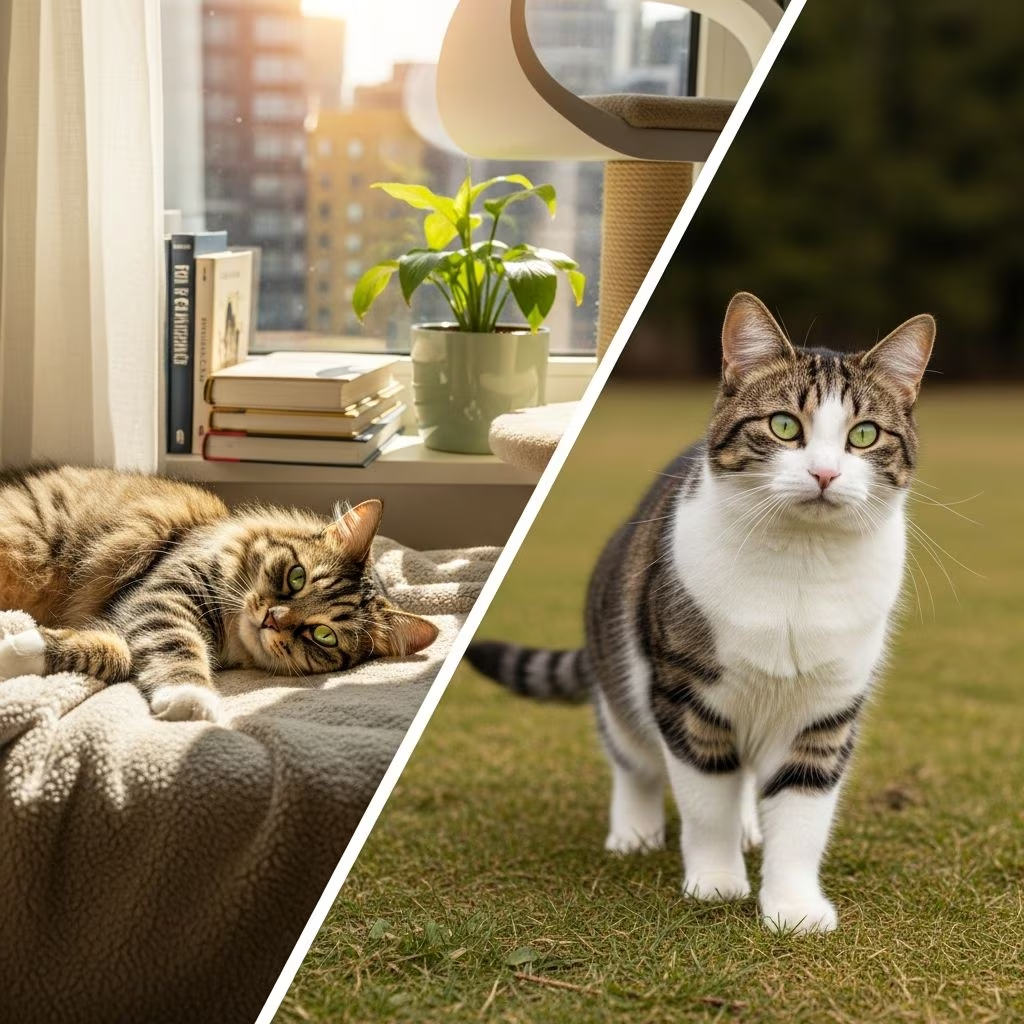
Understanding Indoor vs. Outdoor Cats: A Comprehensive Guide
When it comes to deciding whether your feline companion should spend their days indoors or outdoors, the choice can feel overwhelming. Both lifestyles offer distinct advantages and disadvantages that significantly impact your cat’s health, happiness, and longevity. Understanding these differences is crucial for making an informed decision that aligns with your cat’s needs and your household situation.
The fundamental distinction between indoor and outdoor cats extends beyond merely where they spend their time. It encompasses their exposure to environmental hazards, their activity levels, their social interactions, behavioral patterns, and ultimately, their overall quality of life and lifespan. By examining each aspect in detail, you can better understand what each lifestyle entails and determine which option suits your circumstances best.
Lifespan: How Long Do Indoor and Outdoor Cats Live?
One of the most significant differences between indoor and outdoor cats is their life expectancy. Indoor cats typically live between 12 to 20 years, with many living well into their late teens or early twenties when provided with proper care. In contrast, outdoor cats have a considerably shorter lifespan, averaging only 2 to 5 years. This dramatic difference is largely attributed to the numerous risks outdoor cats encounter daily.
The extended lifespan of indoor cats can be attributed to several factors. Indoor environments provide protection from traffic accidents, predators, and harsh weather conditions. Additionally, indoor cats typically receive consistent veterinary care, regular vaccinations, and preventative treatments that keep them healthy throughout their lives. The controlled environment minimizes exposure to infectious diseases and parasites, allowing indoor cats to thrive for significantly longer periods.
Health Considerations and Disease Exposure
Indoor Cat Health Benefits
Indoor cats generally maintain better overall health compared to their outdoor counterparts. Indoor cats are exposed to far fewer infectious pathogens, including bacteria, viruses, and parasites. Since they remain within the safety of your home, they avoid contact with sick or unvaccinated cats, wildlife carrying diseases, and contaminated environments.
The controlled indoor environment significantly reduces the risk of serious injuries. Indoor cats don’t face threats from vehicles, predators, territorial animals, or encounters with wild animals that could result in severe wounds or infections. Additionally, indoor cats have reduced exposure to fleas, ticks, and other external parasites that commonly affect outdoor cats.
Health Risks for Outdoor Cats
Outdoor cats face numerous health challenges that directly impact their wellbeing. Outdoor cats are at greater risk of contracting diseases such as feline immunodeficiency virus (FIV), feline leukemia virus (FeLV), ringworm, and cat flu, due to their contact with wildlife and other domestic cats. They’re also more susceptible to parasitic infections acquired through their interactions with the outdoor environment.
Beyond disease, outdoor cats frequently encounter physical dangers. They may be struck by vehicles, attacked by dogs or other animals, or injured in territorial fights with other cats. These traumatic injuries can lead to permanent disabilities or fatal outcomes. Outdoor cats are also vulnerable to accidental poisoning from toxic substances, pesticides, or intentional harm from people.
Exercise and Weight Management
Activity Levels in Outdoor Cats
Outdoor cats typically get more exercise, which reduces their risk for obesity. The outdoor environment provides natural opportunities for running, climbing, jumping, and exploring, which keeps their bodies active and muscles toned. This constant physical activity helps outdoor cats maintain healthy body weights and cardiovascular fitness.
The variety of terrain and stimuli in outdoor environments encourages cats to engage in their natural hunting and climbing behaviors. They can traverse different surfaces, scale trees, and engage in spontaneous play that burns calories throughout the day.
Indoor Cat Activity and Obesity Concerns
One significant challenge for indoor cats is managing their physical activity levels. Indoor cats typically get less exercise and are more prone to being overweight or obese. Without the natural stimulation and space available outdoors, indoor cats may become sedentary, leading to weight gain and associated health problems such as diabetes and joint issues.
However, this challenge can be effectively addressed through enrichment strategies. Owners can provide climbing structures, interactive toys, laser pointers, and play sessions that mimic outdoor hunting experiences. Puzzle feeders and vertical spaces like cat trees encourage movement and mental engagement, helping indoor cats maintain healthy weights.
Behavioral Patterns and Environmental Enrichment
Natural Behaviors in Outdoor Cats
Cats with outdoor access are able to express their natural behavior in a setting that is more acceptable to the owner. Outdoor environments allow cats to scratch on trees, hunt, climb, dig, and engage in territorial behaviors without damaging household furnishings or causing conflicts indoors.
The outdoor setting provides constant mental stimulation through changing environmental conditions. Cats can observe birds and small animals, experience different weather patterns, and interact with other cats and creatures. This natural enrichment satisfies their instinctive drives and provides psychological benefits.
Behavioral Challenges in Indoor Cats
Without proper environmental enrichment, indoor cats may develop behavioral issues. A cat that’s only indoors may claw up chairs or mark furniture or walls as a sign of stress. Boredom and insufficient stimulation can lead to destructive scratching, excessive grooming, aggression, or inappropriate elimination.
However, these behavioral challenges are not inevitable. When indoor cats receive adequate environmental enrichment, including scratching posts, climbing structures, interactive toys, and regular play sessions with their owners, they typically exhibit normal, well-adjusted behavior. Play inside mimics outdoor urges in a safer way, and there is no concrete evidence suggesting that outdoor cats get more mental stimulation than indoor cats with toys and outlets to play do.
Environmental and Wildlife Impact
Indoor cats help prevent your cat from killing birds or other vulnerable wildlife. This is an important consideration for cat owners concerned about their pets’ impact on local ecosystems. Outdoor cats are natural predators that hunt birds, small mammals, insects, and reptiles, which can significantly impact local wildlife populations, particularly in areas with vulnerable or endangered species.
By keeping cats indoors or providing outdoor access only through secure enclosures, you help protect local wildlife populations while also keeping your cat safe from the dangers of outdoor hunting, which can expose them to parasites, diseases, and injuries.
Stress and Psychological Wellbeing
Stress Factors for Indoor Cats
Watching outdoor cats stroll past, or having them pee near “their” house, can be very stressful for an indoor cat. Indoor cats that can see outdoor cats through windows may experience frustration or stress, particularly if they have limited access to windows or outdoor views.
Additionally, if they don’t have outside access, your cat may not be able to escape from disruption such as building works, visitors, or other pets in the household. In multi-pet households, indoor-only cats may experience stress from continuous proximity to other animals without an escape route.
Stress and Safety Concerns
An inside-only kitty that finds themselves outside may panic and dash into danger. Cats raised exclusively indoors lack “street smarts” and may not recognize outdoor hazards. They may freeze in fear or bolt unpredictably when confronted with traffic, loud noises, or unfamiliar situations, making them particularly vulnerable to accidents.
Furthermore, indoor cats don’t naturally view the outdoors as their territory, so they naturally feel safer and more confident when inside. This means that most indoor cats are content remaining indoors and don’t experience sadness or depression from lack of outdoor access.
Creating a Safe Outdoor Experience: Middle Ground Solutions
Catio Spaces
For cat owners seeking to provide outdoor experiences while maintaining safety, a catio (cat patio) offers an excellent compromise. A catio is an enclosed outdoor space that allows cats to enjoy the sights and sounds of nature without the associated risks. These structures can range from small window-mounted enclosures to elaborate room-sized additions to your home.
An enclosed catio is a patio space that is covered with mesh, allowing the cat to enjoy the outdoors while still being in a secure and safe area. Many cat owners enjoy spending time in the catio with their cats, and it’s common to place toys and climbing structures within the space to maximize enrichment.
Window Perches and Indoor Viewing
You can give your cat safe access to the outdoors via a screened-in patio or window sill. Your cat can get a lot of fun out of any perch where they can watch a bird feeder or squirrels. Window perches positioned to view outdoor activity provide mental stimulation and entertainment without exposure to outdoor hazards.
Supervised Outdoor Time
Some owners choose to provide supervised outdoor experiences through harness training and leash walks. This allows cats to experience outdoor sights, sounds, and smells while remaining under the owner’s direct control and protection.
Comparison Table: Indoor vs. Outdoor Cats
| Factor | Indoor Cats | Outdoor Cats |
|---|---|---|
| Average Lifespan | 12-20 years | 2-5 years |
| Disease Risk | Low exposure to pathogens | High risk of FIV, FeLV, parasites |
| Injury Risk | Low (household hazards manageable) | High (vehicles, predators, fights) |
| Exercise Level | Requires active enrichment | Natural high activity |
| Obesity Risk | Higher without enrichment | Lower due to natural activity |
| Behavioral Issues | Possible without enrichment | Natural behavior expression outdoors |
| Environmental Impact | Minimal impact on wildlife | Significant predation on wildlife |
| Stress from Confinement | Possible without enrichment | Access to escape routes |
Veterinary Recommendations
Most veterinarians recommend that you keep pet cats inside. This recommendation is primarily based on health and safety considerations. Veterinarians consistently emphasize that the risks associated with outdoor living significantly outweigh the potential benefits, particularly for companion cats that are accustomed to indoor environments.
Veterinarians suggest that unless a cat is a working barn cat with appropriate shelter and care provisions, indoor living offers the best opportunity for a long, healthy life. Before making a decision about outdoor access, it’s wise to consult with your veterinary team, as they can assess your individual cat’s health, personality, and circumstances to provide personalized recommendations.
Making the Right Choice for Your Cat
Ultimately, the decision between indoor and outdoor living should be based on multiple factors including your cat’s personality, health status, previous experience with outdoor environments, your home setup, your local outdoor environment, and your personal preferences. Some cats adapt well to indoor living, while others may benefit from outdoor access or a combination of both.
Consider your cat’s age, temperament, and any existing health conditions. Kittens and cats with chronic health issues typically fare better indoors. If you live in an urban area with heavy traffic or in a neighborhood with predators, indoor living may be safer. Conversely, if you have a secure outdoor space and can provide adequate indoor enrichment, your cat may thrive with outdoor access.
Frequently Asked Questions
Q: Do indoor cats get sad or depressed from staying inside?
A: No, indoor cats do not get sad when they cannot go outside. While indoor cats may gaze out windows, they are typically observing rather than wishing they could get outside. Since indoor cats don’t view the outdoors as their territory, they naturally feel safer and more confident indoors.
Q: How can I prevent obesity in my indoor cat?
A: Provide interactive toys, climbing structures, puzzle feeders, and regular play sessions to encourage physical activity. Schedule multiple short play periods throughout the day to mimic natural hunting behaviors. Consult your veterinarian about appropriate portion sizes and potentially switching to prescription diet foods if needed.
Q: What are the best ways to enrich an indoor cat’s environment?
A: Offer vertical spaces like cat trees and wall-mounted shelves, window perches for bird watching, interactive toys, puzzle feeders, rotating toys to maintain novelty, scratching posts, and regular play sessions with your owner. Consider installing a catio or creating other safe outdoor viewing opportunities.
Q: Is it safe to let my indoor cat outside on a harness and leash?
A: Harness training can provide supervised outdoor experiences for indoor cats. However, ensure your cat is properly microchipped and has current identification in case they escape. Start with short sessions in a quiet area and gradually increase exposure as your cat becomes comfortable.
Q: What indoor hazards should I be aware of?
A: Common household hazards include toxic plants, human medications, cleaning products, pesticides, small objects that could be swallowed, and certain human foods. Cat-proof your home by securing these items and researching which plants and substances are safe.
Q: Are there any health benefits to allowing cats outdoor access?
A: Outdoor access can provide natural exercise and mental stimulation, helping maintain healthy weight and preventing boredom-related behavioral issues. However, these benefits can be replicated indoors through proper enrichment, while eliminating the significant health and safety risks associated with outdoor living.
References
- Pros and Cons: Indoor vs. Outdoor Cats — Banfield Pet Hospital. 2024. https://www.banfield.com/wellness-at-banfield/kitten-hub/indoor-vs-outdoor-cats
- The Difference Between Indoor Vs. Outdoor Cats — Park Veterinary Clinic. 2024. https://parkvet.net/blog/difference-between-indoor-vs-outdoor-cats/
- Indoor and Outdoor Cats — Cats Protection. 2019. https://www.cats.org.uk/media/1023/eg12_indoor_and_outdoor_cats.pdf
- Indoors or Outdoors? An International Exploration of Owner Perceptions of the Risks and Benefits Associated with Cat Outdoor Access — PLOS ONE. 2021. https://pmc.ncbi.nlm.nih.gov/articles/PMC7909512/
- Indoor Cats vs Outdoor Cats: Lifespan & Risks — Forest Hill Animal Hospital. 2024. https://www.foresthillanimalhospital.com/indoor-cats-vs-outdoor-cats-lifespan-risks



