

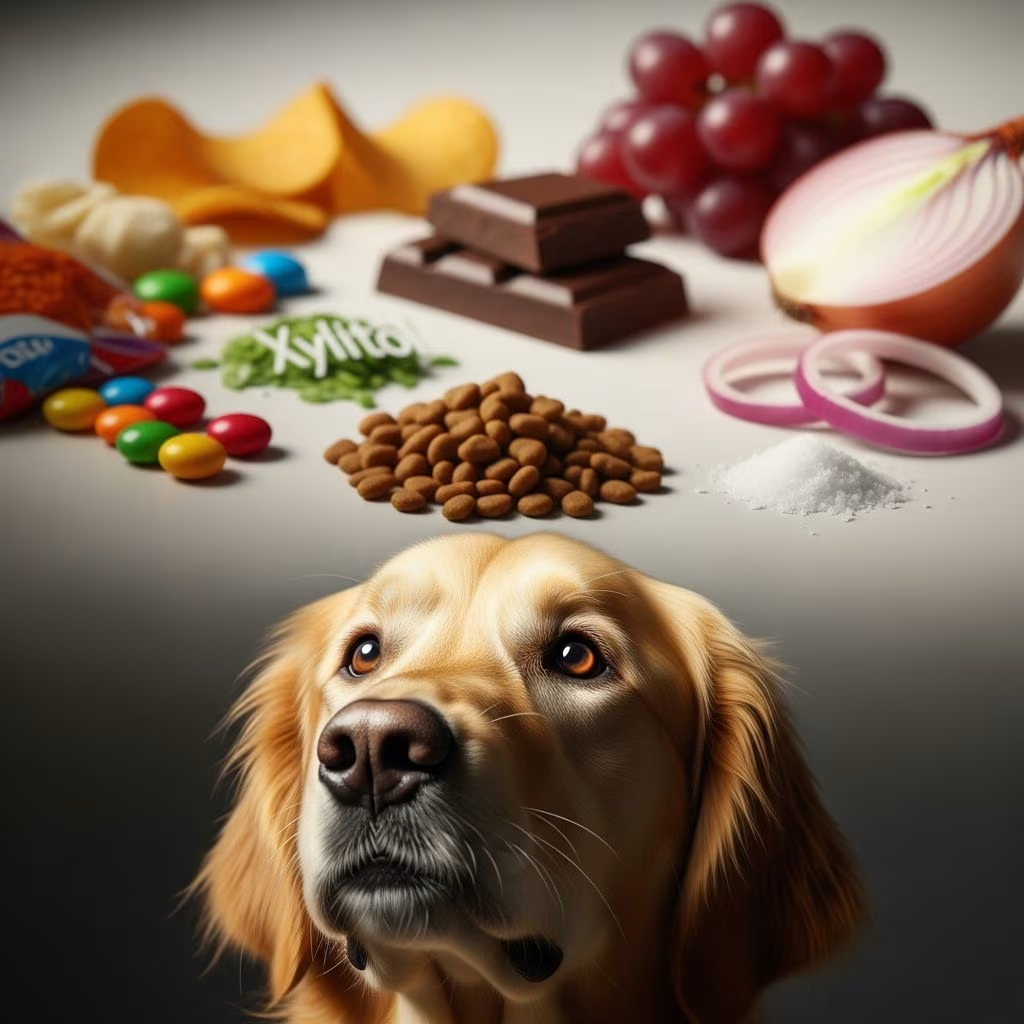
Seizures in dogs represent a serious neurological concern, often linked to epilepsy or external triggers like certain foods. While genetics play a role, dietary factors can exacerbate or even initiate episodes in susceptible animals. This article examines key culprits, their mechanisms, and strategies for prevention, drawing from veterinary insights to help owners safeguard their pets.
Understanding Seizures in Dogs
Canine seizures involve sudden, uncontrolled electrical disturbances in the brain, manifesting as convulsions, drooling, loss of consciousness, or paddling limbs. They typically last 1-3 minutes but can cluster or progress to status epilepticus, a life-threatening prolonged state. Idiopathic epilepsy affects young to middle-aged dogs, particularly breeds like Border Collies and Labrador Retrievers, while structural causes include brain tumors or inflammation. Toxins and metabolic imbalances, often diet-related, provoke symptomatic seizures in any dog.
Food-induced seizures stem from hypoglycemia, electrolyte shifts, neurotoxins, or excitotoxins like glutamate, which overstimulate brain cells. Owners must recognize early signs—staring, anxiety, or twitching—to intervene promptly, such as ensuring a safe space and timing the event for veterinary records.
Common Toxic Foods Provoking Seizures
Several human foods harbor compounds directly toxic to dogs, rapidly crossing the blood-brain barrier to induce seizures. Awareness is crucial, as even small amounts can be fatal.
- Xylitol: This sugar alcohol in sugar-free gum, candies, and baked goods causes a massive insulin surge, plummeting blood glucose within 30 minutes. Symptoms escalate from weakness to seizures and liver failure. Even trace exposure (0.1g/kg) is risky.
- Chocolate and Caffeine (Methylxanthines): Theobromine in dark chocolate and caffeine stimulate the central nervous system excessively. Baking chocolate is most potent, with seizures appearing alongside vomiting and rapid heart rate. Toxicity starts at 20mg/kg.
- Alcohol (Ethanol): Found in beverages, raw dough, or rotting fruit, it depresses the brain while causing acidosis. Seizures follow incoordination within an hour.
- Hops: Used in beer brewing, these trigger malignant hyperthermia, leading to seizures, fever, and rapid death. Even spent hops from homebrewing are dangerous.
- Excess Salt: Overconsumption from seawater, table salt, or Play-Dough causes sodium ion imbalances, brain swelling, and seizures. Puppies are especially vulnerable.
High-Glutamate Ingredients to Avoid
Glutamate, an excitatory neurotransmitter and amino acid, accumulates in many commercial pet foods, heightening seizure risk in epileptic dogs. Elevated levels mimic neurodegenerative conditions by overexciting neurons.
| Food Category | Glutamate Content | Examples | Why Avoid |
|---|---|---|---|
| Grains | High | Wheat, barley, oats, corn, rice | Highest in wheat/barley; act as fillers in kibble, promoting inflammation and low nutrient bioavailability. |
| Dairy | High | Cow milk products, cheese, yogurt | Casein is 20% glutamate; disrupts gut-brain axis despite probiotic claims. |
| Legumes | High | Soy, beans, lentils, peanuts | Common allergens; soy prevalent in budget foods. |
| Meats | Variable | Grain-fed beef/poultry, turkey, oily fish, rabbit | Grain diets amplify glutamate; choose grass-fed or low-glutamate options. |
Grains like wheat and soy are top allergens, linked to taurine deficiencies and anti-nutrients that impair liver function and trigger immune responses, indirectly causing seizures.
Moldy Foods and Mycotoxins
Mold on nuts and grains produces tremorgenic mycotoxins, potent neurotoxins causing persistent tremors evolving into grand mal seizures. Walnuts, pecans, and macadamias stored improperly are prime offenders; symptoms onset 6-24 hours post-ingestion.
Prevent by discarding suspect items and storing dry goods in cool, dry places. High-fat content in nuts also risks pancreatitis, compounding neurological stress.
Other Dietary Hazards
- Nutmeg: Contains myristicin, hallucinogenic at low doses (5g toxic), inducing tremors and seizures 3-8 hours later.
- Unripe Tomatoes/Green Parts: Solanine alkaloids irritate the nervous system.
- Onions/Garlic: Alliums damage red blood cells, leading to hypoxic seizures via anemia.
- Grapes/Raisins: Tartaric acid prompts kidney failure, with secondary seizures.
Meal-Related Seizure Triggers
Some dogs experience reflex seizures tied to eating, termed swallowing-triggered epilepsy (STE). Solid foods provoke more cases than liquids, possibly due to excitement or bolus effects on vagal nerves. Commercial diets high in carbs may contribute in genetically predisposed breeds.
Safe Dietary Alternatives for Epileptic Dogs
Opt for low-glutamate, novel protein diets to minimize triggers:
- Lamb: Lowest glutamate meat; highly digestible.
- Grass-Fed Beef/Eggs: If tolerated, provide balanced aminos without grain taint.
- Fresh, Whole Foods: Raw or home-cooked with vet oversight; avoid grains/soy.
- Supplements: Omega-3s for neuroprotection; taurine for amino balance.
A ketogenic diet—high fat, low carb—mimics human epilepsy management, stabilizing neuronal activity, though evidence in dogs is emerging.
Recognizing and Managing Seizure Episodes
During a seizure, clear hazards, dim lights, and time the duration. Post-ictal phase brings confusion; offer quiet recovery. Track frequency, duration, and antecedents in a log for vets. Emergency meds like rectal diazepam halt clusters.
Holistic monitoring includes bloodwork for toxins/metabolites and EEGs for diagnosis. Phenobarbital or levetiracetam control idiopathic cases, but diet optimizes therapy.
Prevention Strategies for Dog Owners
- Read labels: Shun grain-heavy kibble; select limited-ingredient formulas.
- Secure pantry: Lock toxins away; educate family on risks.
- Vet consultations: Tailor diets via allergy testing or elimination trials.
- Regular check-ups: Monitor anticonvulsant levels and organ function.
- Breed awareness: Purebreds like Australian Shepherds warrant extra caution.
FAQs
Can commercial dog food cause seizures?
Yes, high-glutamate grains, soy, and fillers in many kibbles correlate with increased episodes; fresh diets reduce risks.
What if my dog ate chocolate?
Induce vomiting if recent (under 2 hours) and contact poison control; seizures may require hospitalization.
Is peanut butter safe for seizure-prone dogs?
No, peanuts are glutamate-rich legumes; choose alternatives like sunflower seed butter.
How does xylitol affect dogs differently than humans?
Dogs lack enzymes to metabolize it, causing insulin overload and hypoglycemia.
Should I switch to raw feeding?
Potentially beneficial if balanced, but consult a veterinary nutritionist to avoid deficiencies.
References
- What not to feed dogs with seizures or diabetes — Pet Hero. 2023. https://pethero.co.za/blog/what-not-to-feed-dogs/
- Can Dog Food Cause Seizures? — Dogs Naturally Magazine. 2022-10-15. https://www.dogsnaturallymagazine.com/dog-food-causes-epilepsy/
- Causes and Treatment of Seizures in Dogs — FirstVet. 2024. https://firstvet.com/us/articles/seizures-in-dogs
- Seizures and diet…a correlation — Thomaston Healthy Pet. 2023. https://thomastonhealthypet.com/blogs/news/seizures-and-diet-a-correlation
- Epileptic seizures triggered by eating in dogs — PMC – NIH. 2020-05-29. https://pmc.ncbi.nlm.nih.gov/articles/PMC7255664/
- People Foods to Avoid Feeding Your Pets — ASPCA. 2024. https://www.aspca.org/pet-care/aspca-poison-control/people-foods-avoid-feeding-your-pets
- Toxins That Cause Seizures in Dogs — Southeast Veterinary Neurology. 2023. https://sevneurology.com/blog/toxins-for-dog-seizures



