

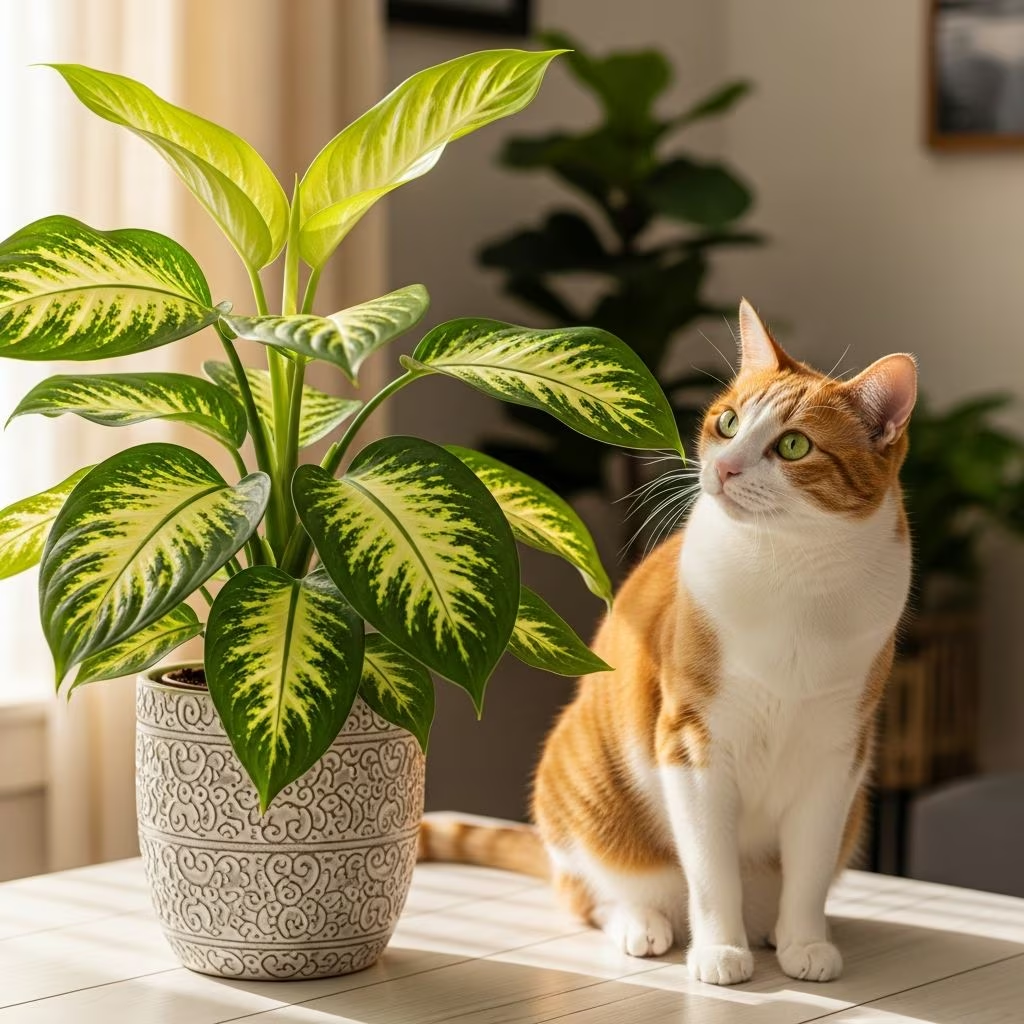
The dieffenbachia plant, commonly known as dumb cane, has become a beloved fixture in countless households due to its striking appearance and ability to thrive in low-light environments. With its variegated leaves in shades of green, white, and cream, this tropical plant adds visual appeal to any indoor space. However, what many cat owners overlook is that this aesthetically pleasing houseplant carries significant health risks for their feline companions. Understanding these dangers and taking appropriate precautions is essential for maintaining a safe living environment for cats who share homes with dieffenbachia.
The Nature of Dieffenbachia Toxicity
Dieffenbachia’s toxic properties stem from microscopic structures within the plant known as idioblasts, which are specialized cylindrical cells with thick walls. These cells contain dense bundles of needle-shaped crystals composed of calcium oxalate, a naturally occurring compound found in many plant species. When a cat chews, bites, or ingests any part of the dieffenbachia plant—including leaves, stems, and sap—these protective idioblasts rupture, releasing thousands of sharp crystalline fragments. The crystals, measuring approximately three micrometers in length, embed themselves with force into the delicate tissues of the mouth, tongue, throat, and gastrointestinal tract.
The damage caused by these crystals is twofold. First, the mechanical injury from the needle-like structures creates immediate microtrauma to sensitive mucous membranes. Second, the crystals are coated with inflammatory compounds and accompanied by proteolytic enzymes that amplify the body’s inflammatory response. Additionally, dieffenbachia contains L-asparaginase, an immunogenic protein that can trigger intense allergic reactions and promote the release of histamine, intensifying symptoms.
Why Cats Are Particularly Vulnerable
Felines are significantly more susceptible to dieffenbachia toxicity than many other household pets, including dogs. This heightened vulnerability relates to their curious nature and grooming habits. Cats are prone to investigating new objects in their environment, and their instinct to chew on plants—whether out of curiosity or to supplement their diet with plant material—puts them in direct contact with toxic compounds. Furthermore, cats lack certain digestive enzymes that would allow them to process plant materials more effectively, making them more susceptible to the plant’s harmful effects.
Young cats and kittens are at elevated risk compared to adult felines. Their smaller body size means that the same amount of plant material represents a higher dose relative to their weight. Additionally, younger animals may be less cautious about what they consume and are more likely to engage in playful exploration that results in plant ingestion.
Recognizing the Warning Signs
Symptoms of dieffenbachia poisoning in cats typically emerge rapidly, often within minutes to hours of exposure. Pet owners should remain vigilant for the following indicators that their cat may have ingested toxic plant material:
- Oral manifestations: Excessive drooling or hypersalivation is frequently the first observable sign. Cats may paw at their mouth repeatedly, indicating oral pain and discomfort. Redness and swelling of the lips, tongue, and throat tissues become visible as inflammation develops.
- Gastrointestinal symptoms: Decreased appetite, loss of interest in consuming water, vomiting, and abdominal pain may occur as irritation extends through the digestive system.
- Respiratory concerns: In severe cases, swelling of the throat and larynx can compromise the airway, resulting in difficulty breathing, audible stridor, or marked respiratory distress.
- Systemic effects: General malaise, lethargy, and in some cases, neurological symptoms such as muscle contractions may develop.
- Ocular involvement: If the plant sap contacts a cat’s eyes, corneal ulcers, excessive tearing, and eye pain may result, typically becoming evident five to eighteen hours after exposure.
Understanding Severity Levels
Dieffenbachia is classified by veterinarians as mildly to highly toxic, depending on the amount ingested and the individual cat’s sensitivity. This classification can create confusion among pet owners. A cat that chews on a single leaf or has minimal contact with the plant may experience no noticeable symptoms, while another cat ingesting a larger quantity could face serious health consequences. The variability in response depends on factors including the cat’s age, weight, overall health status, and the specific variety of dieffenbachia involved, as approximately fifty species exist with varying toxin concentrations.
Immediate Response to Suspected Exposure
If a cat owner suspects their feline has chewed on or ingested dieffenbachia, prompt action is critical. The first step involves removing any remaining plant material from the cat’s mouth and rinsing the oral cavity with water to dilute any remaining sap and remove loose crystals. Contact with a veterinarian should occur immediately, particularly if the cat exhibits any of the previously mentioned symptoms or if a large quantity of plant material was consumed.
Pet owners should refrain from inducing vomiting unless explicitly directed by a veterinary professional, as the presence of sharp crystals in the esophagus could cause additional harm. Similarly, activated charcoal, while used for some types of poisoning, may not be effective for calcium oxalate crystal toxicity.
Veterinary Treatment Approaches
No specific antidote exists for dieffenbachia poisoning. Instead, veterinary treatment focuses on managing symptoms and providing supportive care while the body recovers from the toxic exposure. Standard interventions include the administration of anti-inflammatory medications to reduce pain and swelling, gastroprotectants to shield the stomach lining from irritation, and pain management medications to alleviate the intense discomfort associated with oral and throat irritation.
In cases where swelling of the throat or airway obstruction threatens the cat’s ability to breathe, emergency measures may become necessary. Severe respiratory compromise might require advanced interventions such as airway management procedures. Cats experiencing difficulty eating due to oral ulceration may require assisted feeding or temporary nutritional support through alternative means until the mouth heals sufficiently to allow normal food consumption.
If the cat develops aspiration pneumonia—a secondary infection that can occur when plant material enters the lungs—antibiotics become necessary to combat the bacterial infection. Recovery time typically ranges from several days to two weeks, depending on the severity of the initial exposure and the cat’s overall health.
Long-term Complications to Monitor
While most cats recover fully from dieffenbachia exposure, certain complications can develop in the weeks following ingestion. Systemic toxicity, particularly affecting the kidneys, has been documented in feline cases. Cats may develop hematuria (blood in urine) or proteinuria (protein in urine) progressing to acute renal failure within one to two weeks of exposure. This potential for delayed kidney damage underscores the importance of follow-up veterinary care and monitoring even after initial symptoms appear to resolve.
Preventive Strategies for Responsible Pet Ownership
The most effective approach to protecting cats from dieffenbachia toxicity involves prevention rather than treatment. Cat owners have several options to consider:
- Plant removal: The simplest solution is to eliminate dieffenbachia from the home entirely. Given the plant’s toxicity to cats, maintaining it in the household creates ongoing risk regardless of precautions.
- Strategic placement: If a cat owner wishes to keep the plant, placing it in an area completely inaccessible to the cat—such as a locked room, high shelf beyond the cat’s reach, or a secure greenhouse—reduces the likelihood of accidental exposure. However, this approach requires consistent vigilance and may not be practical in all living situations.
- Physical barriers: Enclosing the plant in a protective barrier, such as a decorative cage or hanging planter suspended from the ceiling, can limit cat access. Cats are skilled climbers and jumpers, however, so barriers must be truly inaccessible to be effective.
- Substitute plants: Replacing dieffenbachia with cat-safe alternative houseplants allows pet owners to maintain an attractive indoor garden without toxic risks. Spider plants, Boston ferns, and African violets are examples of attractive houseplants that pose no danger to cats.
Understanding Related Toxic Houseplants
Dieffenbachia belongs to the Araceae family, which includes numerous other houseplants toxic to cats. Similar plants that contain calcium oxalate crystals include Philodendrons, Monsteras (Swiss cheese plants), and Alocasias (elephant ear plants). Many households unknowingly contain multiple toxic plant species. A comprehensive home assessment identifying all potentially dangerous plants allows pet owners to make informed decisions about which plants to retain, relocate, or replace with safer alternatives.
Special Considerations for Multi-Pet Households
Households containing both cats and dogs present unique challenges, as these species demonstrate different susceptibility levels to dieffenbachia toxicity. While dogs can be poisoned by the plant, they generally prove less sensitive than cats. A pet owner might consider a plant safe for their dog while overlooking the risk to their feline household member. Maintaining separate spaces where cat-toxic plants can be kept away from feline access—while remaining available for dog access—requires careful planning and ongoing management.
Recognizing Emergencies
Certain symptoms warrant immediate emergency veterinary care rather than waiting for a regular appointment. A cat experiencing severe difficulty breathing, inability to swallow, drooling blood, loss of consciousness, or seizures requires emergency evaluation. These signs suggest either severe local toxicity with airway compromise or systemic effects requiring intensive intervention.
References
- Dieffenbachia Toxicity — Lort Smith Melbourne Animal Hospital. Accessed January 2026. https://lortsmith.com/need-help-now/cat/poisons-toxins/toxic-plants/dieffenbachia/
- Houseplant Toxicosis in Cats and Dogs — Vet Times. Accessed January 2026. https://www.vettimes.com/clinical/small-animal/houseplant-toxicosis-in-cats-and-dogs
- Is Dieffenbachia Toxic to Cats? Vet-Reviewed Houseplants Examined — Catster. Accessed January 2026. https://www.catster.com/cat-health-care/is-dieffenbachia-toxic-to-cats/
- Houseplants and Ornamentals Toxic to Animals — Merck Veterinary Manual. Accessed January 2026. https://www.merckvetmanual.com/toxicology/poisonous-plants/houseplants-and-ornamentals-toxic-to-animals



