

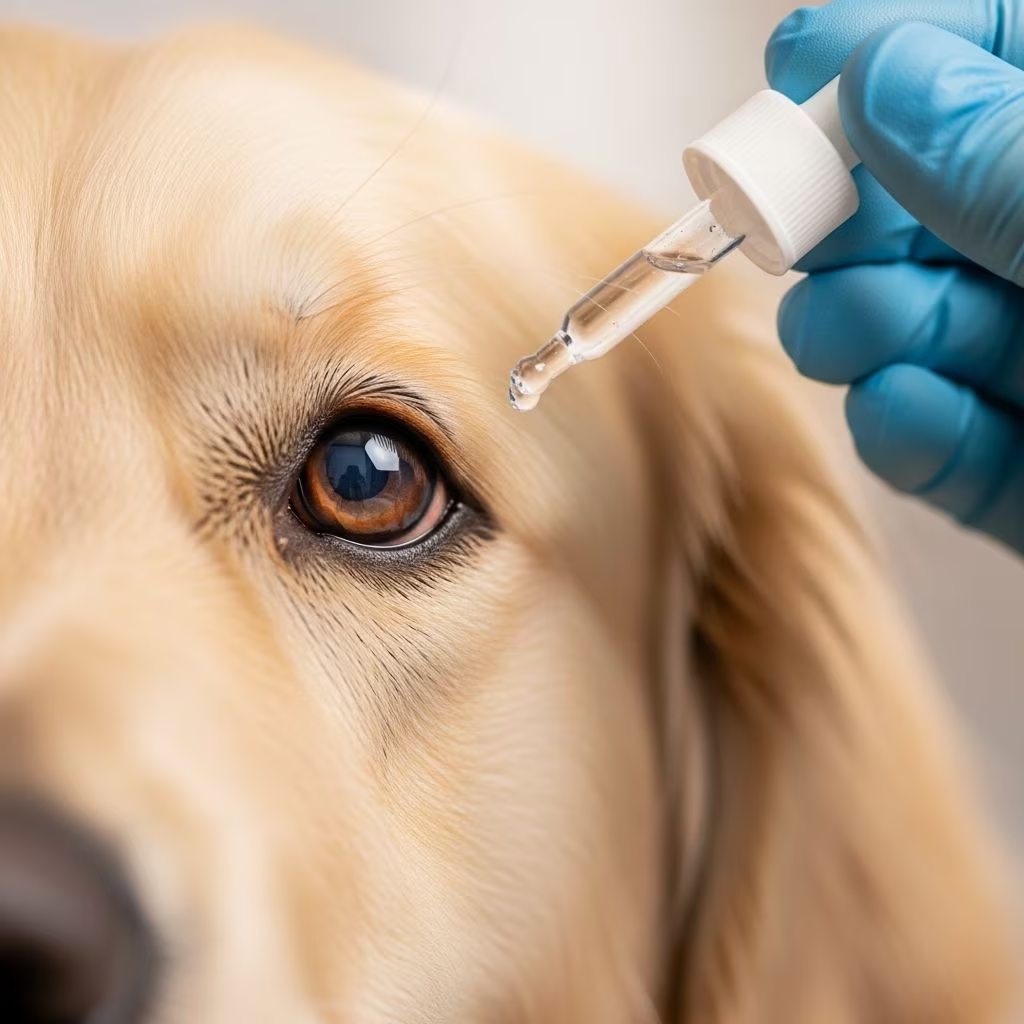
What is Diclofenac Ophthalmic?
Diclofenac ophthalmic is a topical nonsteroidal anti-inflammatory medication specifically designed to treat inflammation in the eyes of companion animals. This prescription medication is used to manage various inflammatory eye conditions affecting cats, dogs, rabbits, avian species, and other animals. The medication comes in liquid drop form, making it convenient for direct application to the affected eye.
It is important to note that the use of diclofenac ophthalmic in veterinary medicine is considered “off-label” or “extra-label.” Many drugs are commonly prescribed for off-label use in veterinary medicine. In these instances, it is crucial to follow your veterinarian’s directions and cautions very carefully to ensure the safety and efficacy of your pet’s treatment.
How Does Diclofenac Ophthalmic Work?
Diclofenac ophthalmic functions by inhibiting cyclooxygenase (COX) enzymes, which play a crucial role in prostaglandin production. Prostaglandins are hormone-like substances responsible for triggering inflammation, pain, and swelling in the eye tissue. By blocking the production of these inflammatory mediators, diclofenac effectively reduces discomfort and inflammation in the eyes, allowing pets to experience relief and promoting faster healing from various ocular conditions.
This mechanism of action makes diclofenac particularly valuable for pets suffering from chronic inflammatory conditions or recovering from eye surgery, as it directly targets the root cause of inflammation rather than simply masking symptoms.
Common Uses and Conditions Treated
Diclofenac ophthalmic is prescribed for a variety of inflammatory eye conditions in pets. Understanding these uses helps pet owners appreciate why their veterinarian may recommend this medication.
Primary Indications
- Post-surgical inflammation: Following eye surgery such as cataract removal, corneal procedures, or other ophthalmic interventions, diclofenac is commonly prescribed to manage pain, swelling, and sensitivity during the recovery period.
- Uveitis: This painful inflammation of the uvea (the middle layer of the eye) can occur in both dogs and cats. Diclofenac effectively reduces inflammation and discomfort associated with this condition.
- Lens-induced uveitis: When a lens becomes damaged or dislocated, it can trigger an inflammatory response. Diclofenac helps manage this specific type of inflammation.
- Corneal inflammation: Various corneal conditions characterized by inflammation respond well to topical diclofenac therapy.
- Eye trauma: Following injuries to the eye, diclofenac can help reduce inflammation and promote healing.
- Diabetic eye complications: Diclofenac is particularly valuable for diabetic pets experiencing eye inflammation, serving as a safer alternative to corticosteroids for long-term management.
How to Administer Diclofenac Ophthalmic
Proper administration of diclofenac ophthalmic is essential for ensuring medication effectiveness and preventing contamination or injury to your pet’s eye. Follow these detailed steps for safe and correct application.
Administration Guidelines
- Hand hygiene: Always wash your hands thoroughly before administering this medication to prevent introducing bacteria or contaminants into the eye.
- Prevent contamination: Do not allow the dropper tip to touch your animal’s eye, eyelids, or any other surface. Contact with these surfaces can contaminate the medication and compromise its sterility.
- Correct application: Gently pull down your pet’s lower eyelid to create a small pocket. Instill the prescribed number of drops directly into this pocket, allowing the medication to coat the eye surface.
- Multiple medications: If you are administering more than one eye medication to your pet, wait 5 to 10 minutes between each medication application. Additionally, apply eye drops before eye ointments to ensure proper absorption.
- Complete the course: Give this medication to your pet for the entire time prescribed by your veterinarian, even if it appears that your pet is feeling better. Stopping treatment prematurely may compromise healing and allow inflammation to return.
Dosage and Treatment Duration
Dosage of diclofenac ophthalmic varies depending on the specific condition being treated, the severity of inflammation, and individual pet factors. Your veterinarian will determine the appropriate dosage and frequency for your pet’s particular situation. Typical prescriptions may involve instilling drops multiple times daily, with frequency decreasing as the condition improves. Always follow your veterinarian’s specific instructions regarding how many drops to use and how often to administer them.
Treatment duration typically ranges from several days to several weeks, depending on the underlying condition and your pet’s response to therapy. Short-term use is generally preferred to minimize potential side effects and systemic absorption of the medication.
Potential Side Effects
While diclofenac ophthalmic is generally well-tolerated in pets, some animals may experience side effects. Understanding these possible reactions helps you monitor your pet and know when to seek veterinary attention.
Common Side Effects
The following side effects are relatively common and may occur during treatment:
- Irritation, stinging, or mild discomfort in the eye
- Redness of the conjunctiva (the tissue lining the eyelids)
- Swelling of the eye or surrounding tissues
- Blepharospasm (involuntary eyelid spasms)
- Chemosis (swelling of the conjunctiva)
- Ocular discharge
These common side effects are typically mild and transient, often resolving without intervention as the eye adjusts to the medication.
Serious Side Effects Requiring Immediate Veterinary Attention
While rare, serious adverse reactions can occur. Contact your veterinarian immediately if you observe:
- Allergic reactions such as irregular breathing, rash, or fever
- Puffiness and swelling around the face
- Sensitivity to bright light
- Bleeding in the eye
- Signs of corneal ulceration or corneal melting
Drug sensitivities can develop over time with repeated exposure. Your pet may have no reaction after the first few doses but may develop a sensitivity later in the treatment course. It is important to watch carefully for signs of an allergic reaction over the entire duration of treatment. This short-acting medication should stop working within 24 hours if discontinued.
Risk Factors and Precautions
Certain conditions and circumstances warrant special caution when using diclofenac ophthalmic. Your veterinarian will evaluate your pet’s complete medical history to determine if this medication is appropriate.
Contraindications – When to Avoid This Medication
Diclofenac ophthalmic should be AVOIDED in animals who are allergic to any component of the formulation, as allergic reactions can be severe.
Use With Caution in Patients With
- Bleeding disorders or conditions affecting blood clotting
- Current use of blood thinning medications
- Diabetes mellitus
- Susceptibility to stomach ulcers
- Corneal ulceration or corneal disease
- Current treatment with systemic NSAIDs or corticosteroids
- Asthma or other respiratory conditions
- Systemic illness or dehydration
Due to rare reports of topical NSAID-induced corneal melting in humans, the use of topical ocular NSAIDs in veterinary patients must be performed with close monitoring and for limited periods, particularly when corneal ulcers are present or following corneal surgery.
Monitoring and Special Considerations
Monitoring your pet during diclofenac ophthalmic treatment helps ensure safety and effectiveness. Different monitoring requirements apply depending on treatment duration and your pet’s individual circumstances.
General Monitoring
- Watch for development of corneal disease throughout the treatment period
- Monitor for any signs of allergic reaction or unusual symptoms
- Observe for increased eye discharge or changes in eye appearance
- Note any behavioral changes suggesting eye discomfort
Extended Treatment Monitoring
For cats receiving diclofenac ophthalmic therapy for longer than 7 days, monitoring should include assessment of renal values, hematocrit, and plasma protein levels. Systemic absorption of diclofenac can occur with topical application, and in volume-contracted or systemically ill cats, special caution is warranted. Cats should be used with caution in this medication, particularly those who are dehydrated or experiencing systemic illness.
Advantages Over Alternative Treatments
Diclofenac ophthalmic offers several advantages compared to other treatment options for pet eye inflammation. It provides effective inflammation control without the potential long-term side effects associated with prolonged corticosteroid use. For pets prone to steroid-related complications such as delayed healing or immune suppression, diclofenac represents an excellent alternative. Additionally, this medication can be used both before and after eye surgery to prevent inflammation and accelerate recovery, making it particularly valuable in perioperative settings.
What to Do If You Miss a Dose
If you miss administering a scheduled dose of diclofenac ophthalmic, give it when you remember. However, if it is close to the time for the next scheduled dose, skip the missed dose and give the medication at the next scheduled time, then return to the regular dosing schedule. Never give your pet two doses at once or administer extra doses to make up for a missed application, as this could lead to overdosing and increased risk of side effects.
Important Safety Information
Always use diclofenac ophthalmic exactly as prescribed by your veterinarian. Do not alter the dosage or frequency without veterinary guidance, even if your pet appears to be improving. Store the medication according to package instructions, typically at room temperature away from direct sunlight. Keep the medication away from children and other pets. Ensure the dropper bottle cap is securely closed after each use to maintain sterility and prevent contamination.
Frequently Asked Questions
Q: How long does it take for diclofenac ophthalmic to start working?
A: Diclofenac ophthalmic typically begins reducing inflammation and providing relief within hours of the first application. Maximum therapeutic effect may take several days of consistent treatment as inflammation gradually resolves.
Q: Can diclofenac ophthalmic be used in both dogs and cats?
A: Yes, diclofenac ophthalmic can be used in both dogs and cats, as well as rabbits, birds, and other animals. However, cats may require special monitoring for systemic effects, particularly with extended use.
Q: Is diclofenac ophthalmic a steroid?
A: No, diclofenac ophthalmic is a nonsteroidal anti-inflammatory drug (NSAID), not a steroid. This makes it a valuable alternative for pets who cannot tolerate corticosteroid medications.
Q: Can I purchase diclofenac ophthalmic without a veterinary prescription?
A: No, diclofenac ophthalmic is a prescription medication that requires veterinary authorization. Your veterinarian must examine your pet and diagnose the specific eye condition before prescribing this medication.
Q: How should I store diclofenac ophthalmic?
A: Store diclofenac ophthalmic at room temperature, away from direct sunlight and moisture. Keep the bottle tightly closed when not in use. Do not freeze the medication, as freezing can affect its effectiveness.
Q: What should I do if my pet shows signs of an allergic reaction?
A: If your pet exhibits signs of an allergic reaction such as facial swelling, rash, irregular breathing, or severe eye swelling, stop administering the medication immediately and contact your veterinarian or emergency veterinary clinic right away.
Q: Can diclofenac ophthalmic be used long-term?
A: While diclofenac ophthalmic can be prescribed for extended periods when medically necessary, it is typically used for shorter durations to minimize potential systemic effects. Your veterinarian will determine the appropriate treatment length for your pet’s specific condition.
References
- Diclofenac Ophthalmic — VCA Animal Hospitals. 2024. https://vcahospitals.com/know-your-pet/diclofenac-ophthalmic
- Systemic absorption and adverse ocular and systemic effects after topical ophthalmic diclofenac administration in healthy cats — PubMed/NCBI. 2015-02-15. https://pubmed.ncbi.nlm.nih.gov/25710762/
- Diclofenac Sodium Ophthalmic Solution 0.1% — Hardy Paw. 2024. https://hardypaw.com/products/diclofenac-sodium-opthalmic-solution-0-1-5-ml
- Diclofenac Ophthalmic Solution for Dogs and Cats — VetRxDirect. 2024. https://www.vetrxdirect.com/product/view/diclofenac-eye-drops-dogs-and-cats-rx
- Diclofenac Ophthalmic: Treatment and Management — Sand Creek Animal Hospital. 2024. https://sandcreekanimalhospital.com/blog/diclofenac-ophthalmic/



