

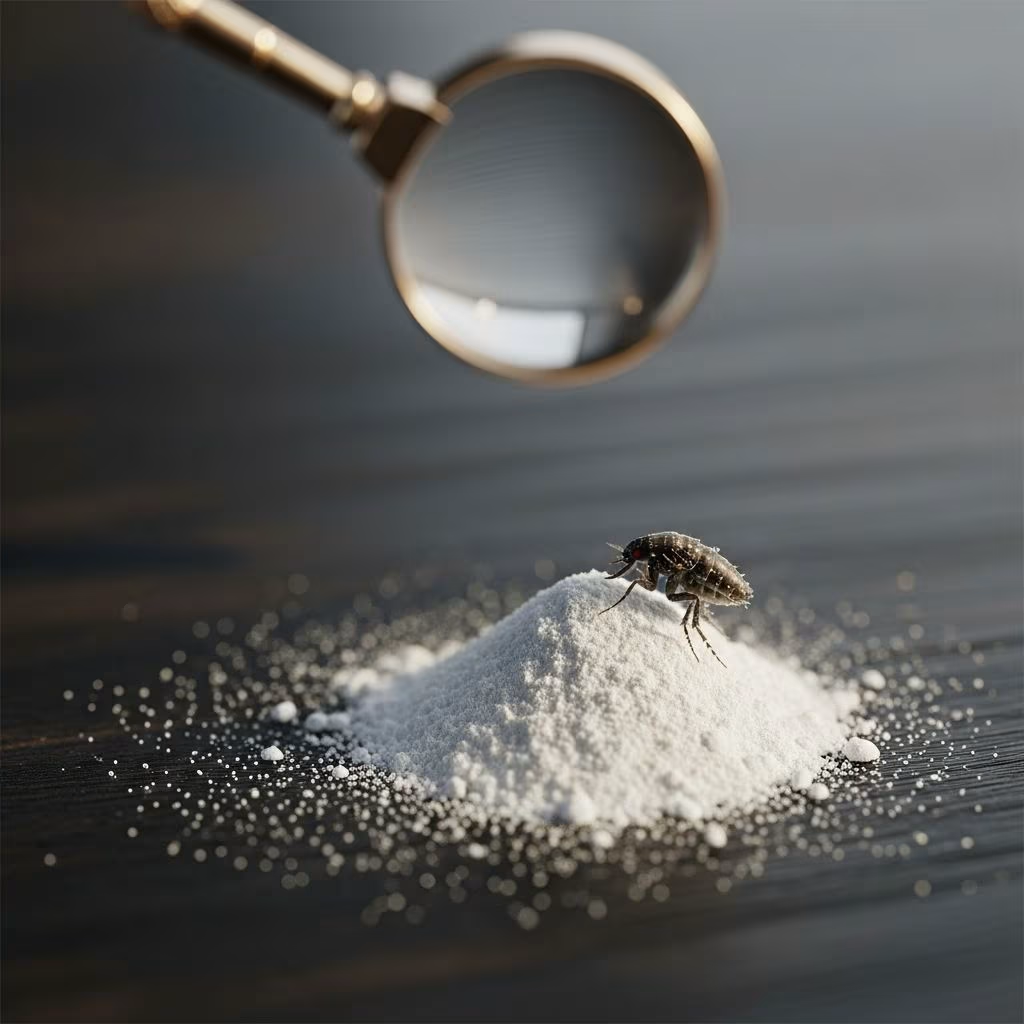
Is Diatomaceous Earth a Natural Flea Remedy?
When dealing with flea infestations in cats, pet owners often search for natural alternatives to chemical-based treatments. Diatomaceous earth (DE) has gained popularity as a purportedly natural solution for flea control. However, understanding whether it truly works and whether it’s safe for your feline companion requires a closer examination of the science, application methods, and limitations of this powder.
What Is Diatomaceous Earth?
Diatomaceous earth is a naturally occurring powder made from the microscopic remains of diatoms, a type of fossilized algae. These ancient organisms accumulated in deposits over millions of years, and their shells are composed primarily of silica. When mined from ancient freshwater deposits and crushed into a fine powder, DE becomes a substance that appears soft and gentle to human touch but has microscopic razor-sharp edges at the particle level.
DE comes in two primary forms: food-grade and filter-grade. Food-grade diatomaceous earth has a lower concentration of crystalline silica and is considered safer for use around pets and humans. Filter-grade DE, by contrast, contains higher levels of crystalline silica and should never be used on or around pets due to toxicity concerns.
How Does Diatomaceous Earth Kill Fleas?
Understanding the mechanism of action helps explain both the potential benefits and limitations of DE as a flea treatment. Rather than poisoning fleas like conventional insecticides, diatomaceous earth works through a physical rather than chemical process.
When fleas come into contact with diatomaceous earth powder, the microscopic sharp edges of the DE particles cut through the flea’s exoskeleton—the hard outer shell that protects the insect’s body. This scoring of the exoskeleton compromises the flea’s protective barrier. Once breached, the highly absorbent nature of diatomaceous earth kicks in, drawing moisture away from the flea’s body. This dehydration process ultimately leads to the flea’s death.
Additionally, when fleas ingest DE particles while grooming or moving through treated areas, the powder can damage their internal digestive system, further contributing to their demise. This dual-action mechanism—external cutting and internal damage combined with moisture absorption—makes DE effective against adult fleas and other insects like bed bugs, ants, and ticks.
Does Diatomaceous Earth Work on All Stages of Fleas?
One of the most significant limitations of diatomaceous earth is its inability to address the complete flea life cycle. Fleas progress through four distinct life stages: eggs, larvae, pupae, and adults. For effective long-term flea control, a treatment must eliminate fleas at all these stages.
Diatomaceous earth is effective at killing adult fleas and, to some extent, larvae. However, it does not kill flea eggs or pupae. Flea eggs have protective casings that shield them from DE’s effects, and pupae exist in cocoons that similarly protect them from the powder’s mechanism of action. This means that even if DE successfully eliminates all adult fleas in your home, new fleas will continue to emerge as eggs hatch and pupae develop into adults.
This limitation makes diatomaceous earth at best a temporary solution for flea infestations rather than a comprehensive treatment strategy. For this reason, many veterinarians recommend combining DE with other treatments that specifically target the egg and pupal stages, such as products containing insect growth regulators (IGRs).
Timeline for Effectiveness
Pet owners using diatomaceous earth often want to know how quickly it works. The timeline for DE’s effectiveness varies depending on conditions and application method. After initial contact with diatomaceous earth, fleas may begin dying within as little as 4 hours. However, for optimal results, it is recommended to leave the DE in place for up to 48 hours before vacuuming. This extended timeframe allows the powder to work thoroughly on all exposed fleas and ensures maximum effectiveness.
Environmental factors such as humidity can affect DE’s performance. Since the powder works by absorbing moisture, high-humidity conditions may reduce its effectiveness. Conversely, in dry environments, diatomaceous earth operates more efficiently.
Safety Considerations for Cats
The safety profile of diatomaceous earth for cats is an important consideration for pet owners. Food-grade diatomaceous earth is generally considered non-toxic to pets and is often marketed as safe for use around cats and dogs. However, several safety precautions should be observed.
Respiratory Concerns
One of the primary safety considerations involves inhalation. When diatomaceous earth powder becomes airborne, breathing it in can cause lung irritation and, with prolonged exposure, may lead to scarring. Cats, with their sensitive respiratory systems, are particularly vulnerable to inhaled particles. For this reason, it is crucial to avoid applying DE directly to a cat’s fur and to use the powder only in controlled environments where airborne particles can be minimized.
Skin and Eye Irritation
Direct contact with diatomaceous earth can irritate a cat’s eyes, skin, and nasal passages. The microscopic sharp edges that make DE effective against fleas can also cause localized irritation in sensitive areas. Pet owners should never apply DE directly to their cat’s body and should be cautious about allowing cats into treated areas until the powder has been thoroughly vacuumed up.
Crystalline Silica Content
While food-grade diatomaceous earth has lower levels of crystalline silica compared to filter-grade or industrial forms, it still contains some silica. Crystalline silica can be toxic in large quantities, particularly if inhaled chronically. Although casual exposure to food-grade DE in properly applied doses is unlikely to cause serious harm, cumulative exposure should be minimized.
How to Properly Apply Diatomaceous Earth for Fleas
If you decide to use diatomaceous earth for flea control in your home, proper application is essential for both effectiveness and safety. The following steps outline the recommended process:
Preparation
Before beginning treatment, remove all pets and humans from the area to be treated. This step is crucial to minimize inhalation risk and to prevent direct contact with the powder before it settles.
Application
Sprinkle a small, measured amount of food-grade diatomaceous earth over affected areas. These typically include hardwood floors, carpets, furniture, and other surfaces where fleas are likely to hide. Use restraint when applying—a thin layer is more effective and safer than a thick coating. Be sure to wear gloves and a dust mask during application to protect yourself from inhalation.
Waiting Period
Leave the diatomaceous earth in place for 24 to 48 hours. This extended contact time allows the powder to work on exposed fleas and ensures maximum effectiveness. During this period, keep pets and people away from treated areas.
Cleanup and Vacuuming
After the waiting period, thoroughly vacuum all treated surfaces using a shop vacuum. This step is important both for removing dead fleas and for eliminating residual powder. Ensure that no traces of diatomaceous earth remain on surfaces where your cat might sit or walk.
Repetition Schedule
Because DE does not kill flea eggs and pupae, treatment should be repeated weekly for three to four weeks. This schedule allows newly hatched fleas and emerging adults to be eliminated as they develop. After this period, you can evaluate whether additional treatments are necessary based on flea activity in your home.
Alternative Flea Control Methods
Many veterinarians recommend exploring alternatives to diatomaceous earth for more comprehensive and reliable flea control, particularly for cats. These alternatives address the complete flea life cycle and often provide longer-lasting protection.
Prescription Flea Preventatives
Topical and oral flea preventatives prescribed by veterinarians are specifically formulated to kill fleas at multiple life stages. Products like Revolution Plus and Credelio for cats provide protection against adult fleas, larvae, and eggs. Most prescription preventatives offer coverage for up to 30 days and should be administered monthly to maintain continuous protection.
Insect Growth Regulators
Products containing insect growth regulators (IGRs) prevent flea eggs and larvae from developing into adults. When used in combination with treatments that kill adult fleas, IGRs provide comprehensive flea control that addresses the entire life cycle.
Professional Pest Control
For severe infestations, professional pest control services may be necessary. Pest control professionals have access to commercial-grade products and application techniques that may be more effective than over-the-counter or DIY solutions.
Why Veterinarians Have Reservations
Diatomaceous earth is not widely recommended by veterinarians for several important reasons. First, the scientific evidence supporting DE’s effectiveness against fleas is limited compared to the extensive research supporting prescription flea preventatives. Second, the safety profile, while generally considered acceptable for food-grade DE, is not as well-established as that of veterinary-approved treatments. Third, the incomplete effectiveness against the flea life cycle makes DE unsuitable as a standalone solution.
Additionally, the practical difficulties in applying DE correctly—avoiding direct contact with the cat, minimizing inhalation, and ensuring complete cleanup—make it challenging for most pet owners to use safely and effectively. Veterinarians prefer to recommend treatments with proven efficacy, ease of use, and well-documented safety profiles.
Combining Approaches for Comprehensive Control
Rather than relying solely on diatomaceous earth, a comprehensive approach to flea control typically involves multiple strategies. This might include using a monthly flea preventative on your cat, treating the household environment with appropriate products, maintaining good household hygiene, and consulting with a veterinarian about the best options for your specific situation.
If you prefer natural or less chemical-intensive options, discussing these preferences with your veterinarian can help identify the safest and most effective alternatives. Your vet may suggest incorporating diatomaceous earth as one component of a broader flea management strategy rather than as the sole treatment.
Important Safety Reminders
Never apply diatomaceous earth directly to your cat’s fur or skin. Do not use filter-grade or industrial-grade DE under any circumstances. Avoid inhaling diatomaceous earth powder, and ensure that your cat cannot inhale it either. If your cat shows signs of respiratory distress, skin irritation, or other adverse reactions after DE exposure, contact your veterinarian immediately. Always use food-grade diatomaceous earth if you choose to use it, and follow all application instructions carefully.
Frequently Asked Questions
Q: Is diatomaceous earth safe for cats?
A: Food-grade diatomaceous earth is generally considered non-toxic, but it should never be applied directly to your cat. Inhalation can cause respiratory irritation, and direct contact can irritate eyes, skin, and nasal passages. Use DE only in the home environment, not on your cat’s body.
Q: How long does diatomaceous earth take to kill fleas?
A: Fleas may begin dying within 4 hours of contact, but it is recommended to leave DE in place for 24 to 48 hours for maximum effectiveness.
Q: Does diatomaceous earth kill all flea life stages?
A: No. Diatomaceous earth effectively kills adult fleas and larvae but does not kill flea eggs or pupae. This limitation makes it incomplete as a standalone flea treatment.
Q: How often should I apply diatomaceous earth?
A: If using DE for flea control, repeat treatment weekly for 3 to 4 weeks to eliminate newly hatched fleas and emerging adults.
Q: Is diatomaceous earth better than prescription flea treatments?
A: No. Prescription flea preventatives are more effective because they address all flea life stages and provide consistent, long-lasting protection. Veterinarians typically recommend prescription treatments over diatomaceous earth.
Q: Can I use diatomaceous earth on my cat if it has fleas?
A: You should not apply DE directly to your cat. Instead, use it in your home environment—on floors, furniture, and bedding—as part of a broader flea control strategy that should include veterinary-approved flea preventatives for your cat.
References
- Does Diatomaceous Earth Kill Fleas and Is It Safe For Pets — Pet Friendly Box. 2024. https://petfriendlybox.com/resource-center/does-diatomaceous-earth-kill-fleas
- Can You Use Diatomaceous Earth for Fleas? — PetMD. 2024. https://www.petmd.com/general-health/diatomaceous-earth-for-fleas
- How To Use Diatomaceous Earth For Fleas — PF Harris. 2024. https://pfharris.com/blog/diatomaceous-earth-for-fleas
- Diatomaceous Earth for Dogs & Cats: Fight Fleas & Ticks Naturally — PureForm Pet Health. 2024. https://pureformpethealth.com/blogs/pureform-pet-care/diatomaceous-earth
- The Ultimate Guide to a Flea- and Tick-Free Yard: Strategies for Pet Owners — Tomahawk Power. 2024. https://tomahawk-power.com/blogs/articles/the-ultimate-guide-to-a-flea-and-tick-free-yard-strategies-for-pet-owners



