

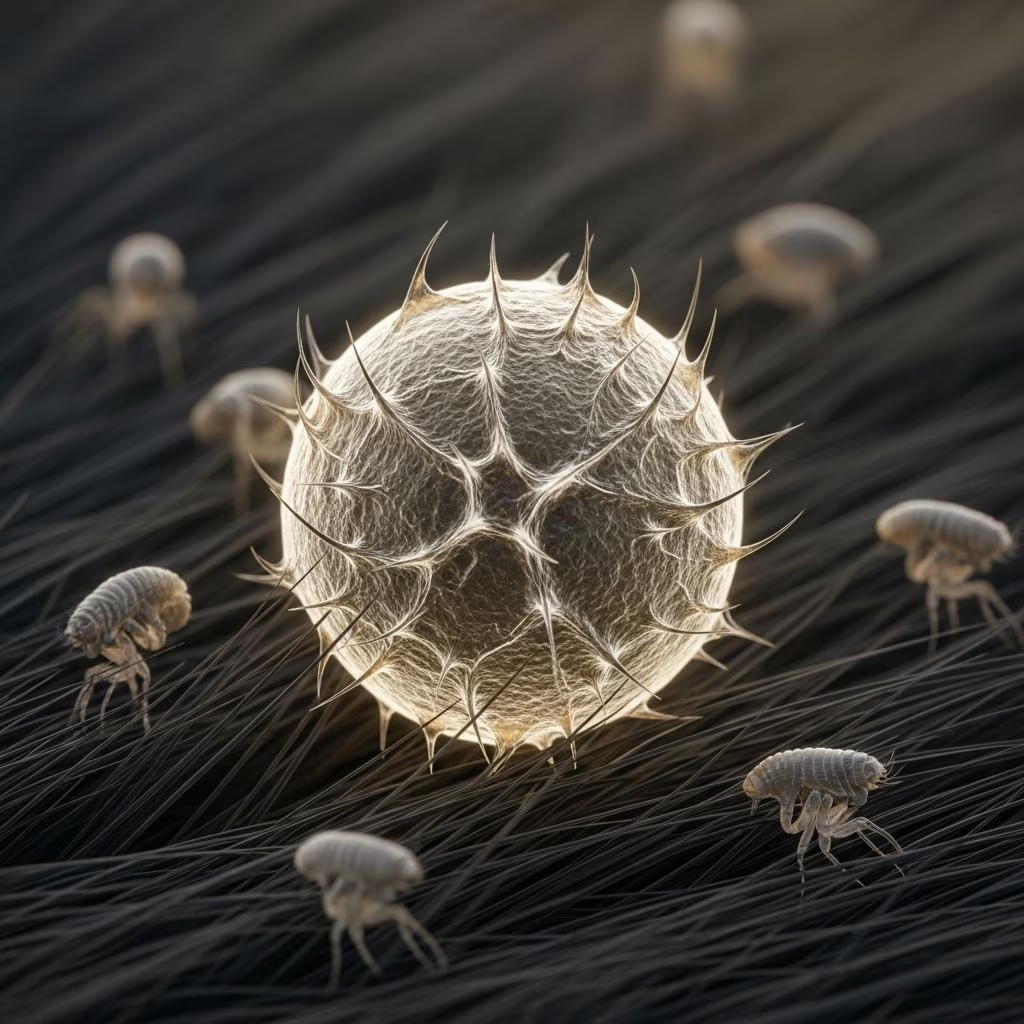
Diatomaceous earth (DE) is a popular natural powder derived from fossilized algae, often considered by cat owners for controlling fleas without harsh chemicals. It mechanically dehydrates fleas upon contact, offering a non-toxic option when used correctly, though veterinary consultation is essential before application.
What Is Diatomaceous Earth and How Does It Target Fleas?
Diatomaceous earth consists of the microscopic skeletons of diatoms, aquatic organisms that form sharp, porous particles. Only the **food-grade** variety is safe for pets, distinguishing it from industrial grades used in filters or pools.
When fleas encounter DE, the tiny shards pierce their exoskeletons, absorbing vital moisture and oils, leading to dehydration and death within hours. This process, described as mechanical rather than chemical, reduces the risk of flea resistance seen in some treatments. However, DE solely affects adult fleas and larvae; it leaves eggs and pupae unharmed, necessitating prolonged use to break the flea life cycle.
- Key Mechanism: Abrasion and desiccation of exoskeleton.
- Onset Time: Effects begin in 4-8 hours for adults.
- Limitations: Ineffective on eggs, requiring 2-4 weeks for full control.
Safe Types of Diatomaceous Earth for Feline Use
Not all DE products suit cats. **Food-grade DE** is 100% pure, amorphous silica, safe for ingestion in small amounts and topical use. Avoid calcined or pool-grade DE, which contains crystalline silica that can cause lung damage if inhaled.
Veterinarians like Dr. Michele Yassom emphasize verifying product labels for purity, as impurities in lower grades pose respiratory risks to pets.
| Type | Safety for Cats | Common Uses |
|---|---|---|
| Food-Grade | Safe (topical/oral with vet approval) | Flea control, deworming, food additive |
| Pool/Industrial Grade | Unsafe | Filtration, not pets |
Applying Diatomaceous Earth on Cats: Step-by-Step Guide
Direct application on cats is controversial due to their grooming habits, which increase inhalation risks. Many vets recommend environmental use over direct contact.
Topical Application for Heavy Infestations
For severe cases, lightly dust food-grade DE into the cat’s fur, avoiding face, eyes, nose, and mouth. Use a flea comb to work it in, leave for 24-48 hours, then bathe the cat to remove residues and dead fleas. Reapply as needed, but monitor for irritation.
- Wear a mask during application to avoid personal inhalation.
- Confine the cat to a clean area post-application.
- Bathe after 24 hours minimum.
Environmental Treatment: The Preferred Method
Sprinkle DE liberally on carpets, bedding, furniture, and pet areas. Vacuum after 48 hours to remove dead fleas and refresh. This indirect exposure kills fleas on the cat without direct powdering.
For indoor control, treat weekly for 3-4 weeks to target hatching eggs. Keep areas dry, as moisture deactivates DE.
Oral Use of Diatomaceous Earth for Internal Parasites
Some owners mix small amounts of food-grade DE into wet food to combat intestinal worms like roundworms or tapeworms. It works similarly by abrading worm exoskeletons internally.
Dosage varies by cat weight—typically 1/2 teaspoon per 10 pounds daily for 30 days—but always consult a vet for precise amounts and to rule out interactions. Continuous use targets emerging larvae.
Potential Risks and Side Effects for Cats
While natural, DE isn’t risk-free. Primary concerns include:
- Respiratory Issues: Fine powder inhalation leads to irritation or silicosis with prolonged exposure. Cats’ grooming exacerbates this.
- Skin Dryness: Acts as a desiccant, potentially worsening conditions like allergies.
- Ineffectiveness: Fails on eggs, allowing reinfestation.
PetMD notes limited veterinary endorsement due to irritation risks and incomplete life-cycle coverage. Pregnant cats, kittens under 12 weeks, or those with respiratory issues should avoid it.
Effectiveness Timeline and Realistic Expectations
DE shines in mild cases but struggles alone in heavy infestations. Expect:
| Infestation Level | Time to Results | Reapplication Frequency |
|---|---|---|
| Mild | 1-2 weeks | Weekly |
| Severe | 3-4 weeks | Every 3-4 days |
Combine with vacuuming, washing bedding, and yard treatments for best outcomes.
Comparing DE to Conventional Flea Treatments
DE offers a chemical-free alternative but lags in speed and completeness.
| Treatment | Pros | Cons | Targets Life Stages |
|---|---|---|---|
| Diatomaceous Earth | Natural, no resistance | Slow, inhalation risk, eggs survive | Adults/larvae |
| Topical Spot-Ons (e.g., Fipronil) | Fast, full cycle | Chemical exposure | All stages |
| Oral Tablets (e.g., Nitenpyram) | Quick kill | Prescription needed | Adults |
Vets often favor prescription options for reliability.
Preventing Fleas: Integrating DE into a Broader Strategy
Use DE as part of integrated pest management:
- Vacuum daily, disposing of bags outside.
- Wash fabrics in hot water weekly.
- Treat yard with nematodes or beneficial insects.
- Year-round preventives for multi-pet homes.
Monitor with a flea comb; early detection prevents outbreaks.
Frequently Asked Questions (FAQs)
Is diatomaceous earth safe to ingest for cats?
Food-grade DE is safe in vet-approved doses for deworming, but excessive use may cause digestive upset.
Can I use DE on kittens?
Avoid on kittens under 12 weeks; their systems are too sensitive. Opt for environmental use only.
Does DE kill ticks too?
Yes, it works on ticks via the same dehydration method, though slower than on fleas.
How do I know if DE is working?
Look for fewer live fleas, increased dead ones, and reduced itching within 1-2 weeks.
What if my cat has flea allergies?
DE may irritate sensitive skin; consult a vet for hypoallergenic alternatives.
Final Thoughts on Natural Flea Control
Diatomaceous earth provides a viable natural tool for flea management on cats when applied judiciously, prioritizing environmental dusting over direct contact. Pair it with vigilant hygiene and professional advice for optimal results, ensuring your feline friend’s comfort and health.
References
- How to Use Diatomaceous Earth for Fleas — Chewy. 2023. https://www.chewy.com/education/cat/flea-and-tick/is-diatomaceous-earth-a-natural-flea-remedy
- Diatomaceous Earth for Cats: Overview, Dosage & Side Effects — Cats.com. 2024. https://cats.com/diatomaceous-earth-for-cats
- How to Use Diatomaceous Earth for Fleas — Riddy. 2024. https://getriddy.com/blogs/de-bug/how-to-use-diatomaceous-earth-for-fleas
- Can You Use Diatomaceous Earth for Fleas? — PetMD. 2024. https://www.petmd.com/general-health/diatomaceous-earth-for-fleas



