

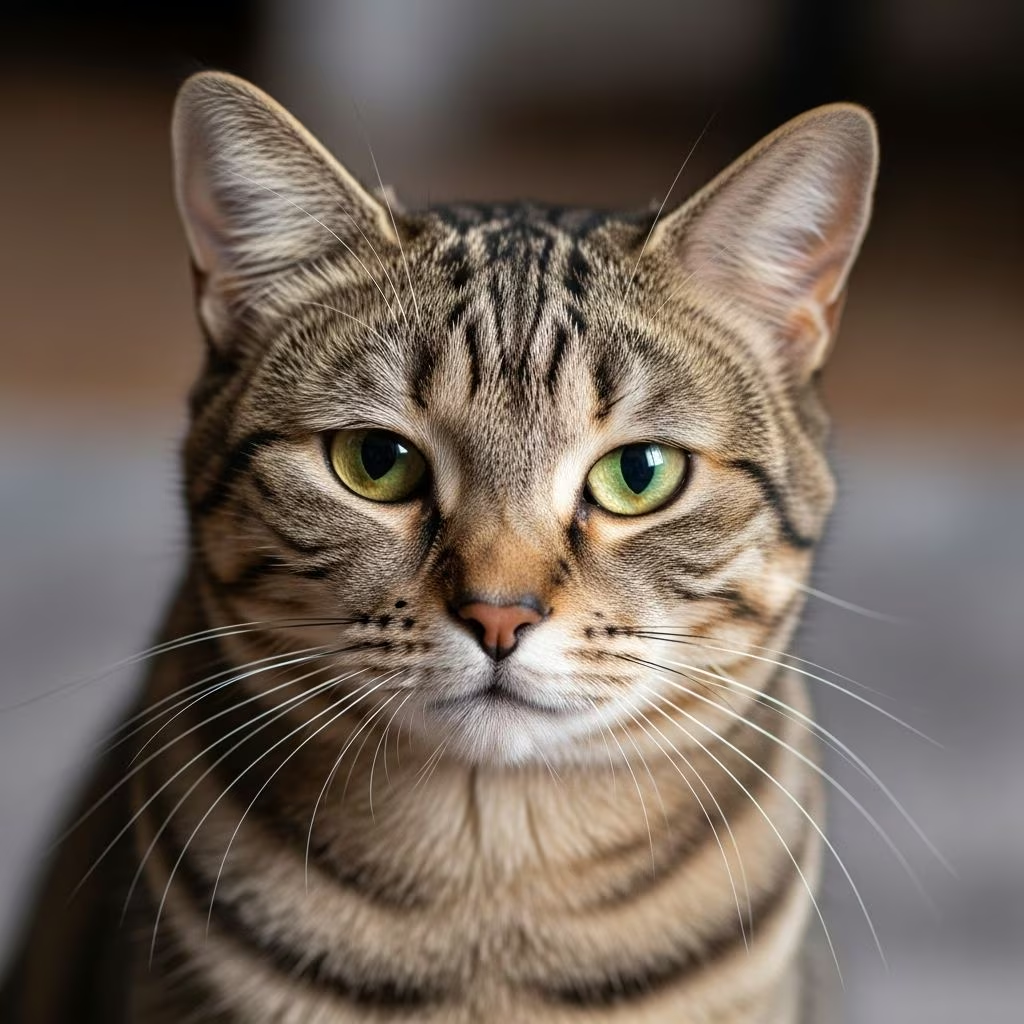
Understanding Diarrhea in Cats
Diarrhea in cats is characterized by unformed or loose stools, typically accompanied by an increased frequency and volume of bowel movements. This condition occurs as a result of faster movement of fecal material through the intestines, disrupting the normal digestive process. While occasional diarrhea can be a minor concern, persistent or severe cases warrant immediate veterinary attention.
Diarrhea is one of the most common gastrointestinal complaints in feline patients, and it can indicate anything from minor dietary indiscretion to serious underlying health conditions. Understanding the potential causes, recognizing warning signs, and knowing when to seek professional help are essential for every cat owner.
Common Causes of Diarrhea in Cats
The causes of diarrhea in cats are diverse and can range from environmental factors to serious medical conditions. Identifying the underlying cause is crucial for effective treatment.
Dietary Factors
Sudden Diet Changes – One of the most common triggers for feline diarrhea is an abrupt change in diet. When transitioning cats to new food, the sudden alteration of the intestinal environment can lead to diarrhea, vomiting, and reduced appetite. To prevent this, dietary transitions should occur gradually over 7 to 10 days, with the new food gradually replacing the old food in increasing proportions.
Food Allergies and Intolerances – Cats can develop sensitivities to specific proteins or ingredients, similar to humans. Common allergens include beef, dairy, and fish. These allergies manifest as gastrointestinal upset and require identification through veterinary testing and management.
Inappropriate Food Consumption – Cats may eat table scraps, spoiled food, human food like milk and cream, grass, string, or other non-food items. These dietary indiscretions can trigger acute diarrhea and, in some cases, require emergency intervention if toxic substances are involved.
Parasites
Intestinal parasites are frequent culprits in feline diarrhea, particularly in kittens or cats with outdoor access. Common parasites include roundworms, hookworms, and Giardia. These organisms irritate the gastrointestinal tract and can cause both acute and chronic diarrhea. Parasitic infections are especially prevalent in younger cats and may require deworming treatments prescribed by a veterinarian.
Infections
Both bacterial and viral infections can cause diarrhea in cats. Common bacterial culprits include Salmonella and E. coli, while viral infections such as feline panleukopenia can also trigger gastrointestinal distress. These infections occur more frequently in younger cats and may require medical intervention, particularly if symptoms worsen.
Stress and Anxiety
Cats are sensitive to environmental changes, and stress can significantly affect their digestive health. Events such as moving, introducing new pets, loud noises, or other disruptions to their routine can cause temporary diarrhea. Emotional stress typically results in lower bowel irritation or colitis in affected cats.
Colitis
Inflammation of the colon, known as colitis, can cause diarrhea lasting for weeks with periodic recurrence. Symptoms of colitis may include blood or mucus in stools and frequent defecation in small amounts. This condition can be triggered by parasites, food allergies, bacterial or viral infections, and stress.
Medications
Antibiotics and other medications can disrupt the delicate balance of your cat’s gastrointestinal system, leading to diarrhea. When medications are necessary, veterinarians often recommend concurrent probiotic supplementation to maintain healthy gut bacteria.
Underlying Health Conditions
Chronic diarrhea may indicate serious underlying health issues requiring long-term management. These include:
- Inflammatory Bowel Disease (IBD) – A primary inflammatory disorder affecting the gastrointestinal tract
- Pancreatitis – Inflammation of the pancreas disrupting digestive enzyme production
- Liver Disease – Metabolic disorders affecting the digestive environment
- Hyperthyroidism – Thyroid imbalances affecting gastrointestinal motility
- Intestinal Cancer – Malignant growths affecting normal bowel function
- Constipation with Overflow – Older cats may develop colonic motility problems causing liquid stools around obstructions
Toxins and Foreign Bodies
Ingestion of toxic substances such as cleaning chemicals, certain plants, or human medications can irritate the digestive system. Similarly, swallowing non-food objects like toys or fabric can cause blockages or intestinal irritation. If toxin ingestion is suspected, immediate emergency veterinary care is essential.
Symptoms and Warning Signs
While loose stools are the primary symptom of diarrhea, several additional signs warrant immediate veterinary attention:
- Blood in the diarrhea or black, tarry stools indicating intestinal bleeding
- Fever, depression, or visible signs of dehydration
- Pale or yellow gums suggesting systemic illness
- Vomiting accompanying the diarrhea
- Lethargy and loss of appetite
- Persistent diarrhea lasting more than 24 hours
- Pain or signs of abdominal discomfort
Prolonged diarrhea causes significant fluid and mineral loss, depleting essential electrolytes vital for your cat’s health. Kittens not yet fully vaccinated or cats experiencing severe symptoms require urgent veterinary evaluation.
When to Seek Veterinary Care
Not all cases of feline diarrhea require emergency intervention, but certain situations demand immediate attention. Contact your veterinarian if your cat’s diarrhea persists for more than 24 hours, includes blood, or is accompanied by lethargy and decreased appetite. Additionally, if your cat has ingested something potentially toxic or shows signs of severe dehydration, seek emergency care immediately.
Recurrent or ongoing diarrhea typically indicates an underlying health concern that should be investigated by a veterinarian. A thorough examination and diagnostic testing may be necessary to determine the cause and recommend appropriate treatment.
Diagnostic Procedures
When you bring your cat to the veterinarian, they will perform a comprehensive examination and may request a fresh stool sample for analysis. Additional diagnostic tests may include:
- Blood work to evaluate organ function and rule out systemic diseases
- Imaging studies such as radiographs or ultrasound to identify foreign bodies or structural abnormalities
- Fecal testing to detect parasites or infectious organisms
- Specialized testing for allergies or food sensitivities
Treatment Options for Cat Diarrhea
The appropriate treatment depends on identifying the underlying cause of diarrhea. A veterinarian’s guidance is essential for the quickest recovery.
Hydration Support
For cats experiencing dehydration, fluid therapy is often necessary. When intestinal issues prevent adequate oral fluid absorption, veterinarians may administer fluids through subcutaneous or intravenous routes. This approach ensures rapid rehydration and electrolyte replacement, which is particularly important for severe cases.
Antibiotic Therapy
If bacterial infection causes diarrhea, veterinarians prescribe antibiotics to eliminate the infection. Antibiotics are also administered when intestinal damage is suspected, such as when blood appears in stools, to prevent bacterial translocation and potential septicemia. Common prescribed medications include metronidazole, tylosin, and sulfasalazine, which often possess anti-inflammatory properties.
Parasite Treatment
When intestinal parasites are identified as the cause, your veterinarian will prescribe specific deworming treatments. Medications like Panacur effectively eliminate parasitic infections and resolve associated diarrhea.
Dietary Management
In cases of food allergies or inflammatory bowel disease, therapeutic diets may be recommended. Increasing fiber intake through low-fat, high-carbohydrate diets containing foods such as potatoes, rice, chicken, turkey, cottage cheese, or yogurt can help manage symptoms.
Probiotic Supplementation
Probiotics help restore the balance of healthy gut bacteria and reduce gastrointestinal upset. Products such as Forti-Flora or Proviable may be recommended as dietary supplements to support intestinal health.
Oral Protectants
Medications like bismuth subsalicylate or kaolin-pectin provide protective coating to the intestinal lining and can help reduce diarrhea symptoms.
Advanced Treatments
For chronic conditions like inflammatory bowel disease or lymphoma, oral corticosteroids such as budesonide or immunosuppressants like cyclosporine may be recommended. In severe cases requiring continuous treatment, hospitalization with IV antibiotics and fluids may be necessary.
Home Care and Prevention
While professional veterinary care is essential for diagnosis and treatment, several preventive measures can reduce diarrhea occurrences:
- Introduce dietary changes gradually over 7-10 days to allow the digestive system to adjust
- Maintain consistent, high-quality cat food appropriate for your cat’s age and health status
- Prevent access to table scraps, spoiled food, and toxic substances
- Keep your cat’s environment stable to minimize stress-related triggers
- Ensure regular parasite prevention through veterinarian-recommended treatments
- Provide fresh water continuously to prevent dehydration
- Maintain proper sanitation to reduce infection risk
Important Note: Do not give your cat any medications, including over-the-counter human medications, unless specifically advised by your veterinarian.
Frequently Asked Questions About Feline Diarrhea
Q: How long can cat diarrhea last before I should be concerned?
A: While minor diarrhea lasting a few hours may resolve on its own, diarrhea persisting beyond 24 hours warrants veterinary evaluation, especially if accompanied by other symptoms like lethargy or appetite loss.
Q: Is it normal for kittens to have diarrhea?
A: Kittens are more susceptible to diarrhea due to parasites and infections. If your kitten has diarrhea, contact your veterinarian promptly for evaluation and treatment.
Q: Can I treat my cat’s diarrhea at home?
A: While minor cases may resolve with dietary management and increased hydration, persistent diarrhea requires veterinary diagnosis and treatment. Never administer medications without veterinary guidance.
Q: What should I feed a cat with diarrhea?
A: Your veterinarian may recommend a therapeutic diet or bland food such as rice with chicken or turkey. Some cats benefit from increased fiber or specialized prescription diets formulated for digestive health.
Q: Can stress cause diarrhea in cats?
A: Yes, cats are sensitive to environmental changes, and stress can trigger temporary diarrhea, particularly affecting the lower bowel and causing colitis-like symptoms.
Q: How are parasitic infections diagnosed and treated?
A: Veterinarians perform fecal analysis to identify parasites. Treatment involves prescription deworming medications such as Panacur, which effectively eliminate parasitic infections.
Q: When is diarrhea an emergency in cats?
A: Seek emergency care immediately if your cat has ingested toxins, shows severe dehydration signs, exhibits blood in stools, displays pale or yellow gums, or shows signs of severe illness.
Conclusion
Diarrhea in cats can range from minor, self-limiting issues to serious conditions requiring extensive medical intervention. By understanding common causes, recognizing warning symptoms, and maintaining open communication with your veterinarian, you can effectively manage your cat’s gastrointestinal health. Most importantly, persistent or severe diarrhea warrants professional evaluation to identify underlying causes and establish appropriate treatment plans. Your veterinarian remains your best resource for ensuring your feline companion receives timely, accurate diagnosis and effective care.
References
- Diarrhea in Cats: Common Causes & When It’s Serious — Tracy Vets. 2024-03-15. https://www.tracyvets.com/site/blog/2024/03/15/diarrhea-cats
- Cat Diarrhea – Possible Causes & Treatments — Pacific Santa Cruz Veterinary Hospital. 2023-06-15. https://www.pacificsantacruzvet.com/site/blog/2023/06/15/cat-diarrhea
- Cat Diarrhea: Causes and Treatments for Kittens and Adult Cats — Pet Assure. https://www.petassure.com/new-newsletters/cat-diarrhea-causes-and-remedies/
- Cat Diarrhea: Causes, Symptoms & Treatment — Purina US. https://www.purina.com/articles/cat/health/digestion/cat-diarrhea-causes-treatment
- Cat Diarrhea: Symptoms, Causes and Treatment — EVCC Animal Hospital. https://evcc.com/blog/cat-diarrhea/
- Diarrhea in Cats — Small Door Veterinary. https://www.smalldoorvet.com/learning-center/medical/diarrhea-in-cats
- Diarrhea in Cats — VCA Animal Hospitals. https://vcahospitals.com/know-your-pet/diarrhea-in-cats
- Diarrhea — Cornell University College of Veterinary Medicine. https://www.vet.cornell.edu/departments-centers-and-institutes/cornell-feline-health-center/health-information/feline-health-topics/diarrhea



