

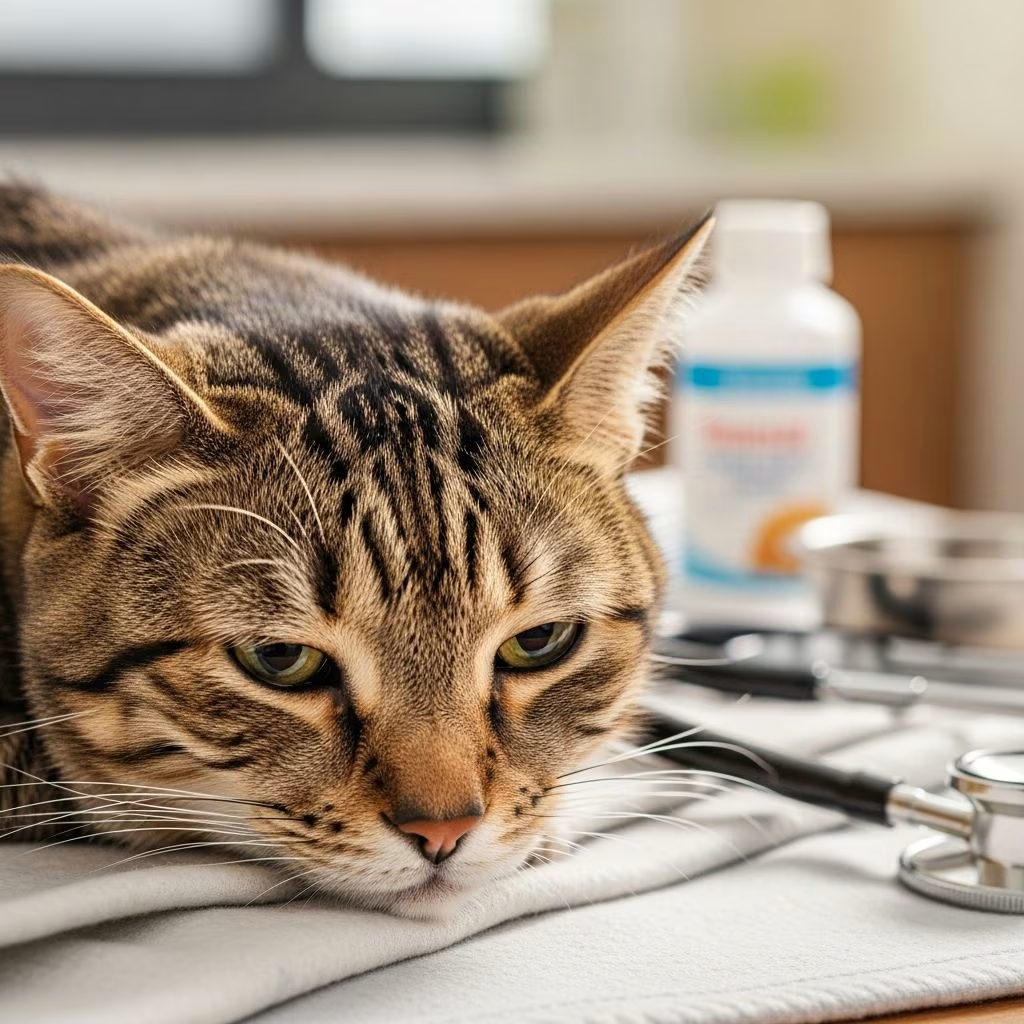
Understanding Diarrhea in Cats
Diarrhea in cats is characterized by unformed or loose stools, typically occurring with increased frequency and larger volumes than normal. This condition represents faster movement of fecal material through the intestine, disrupting the normal digestive process. While occasional diarrhea may resolve on its own, persistent or severe diarrhea can indicate underlying health concerns that require veterinary attention. Understanding the causes, recognizing warning signs, and knowing when to seek professional help are essential for cat owners.
Common Causes of Diarrhea in Cats
Feline diarrhea can stem from numerous sources, ranging from dietary changes to serious medical conditions. Identifying the underlying cause is crucial for effective treatment and preventing recurrence.
Dietary Issues
One of the most common reasons cats develop diarrhea is a sudden change in their diet. Cats have sensitive digestive systems, and abrupt transitions from one food to another can disrupt the intestinal environment, leading to diarrhea and vomiting. When switching cat food, gradual transitions over 7 to 10 days allow the digestive system to adapt properly. Cats may also experience diarrhea from eating inappropriate items such as grass, string, or human food like milk and cream, which their systems cannot properly digest.
Parasitic Infections
Internal parasites represent a significant cause of feline diarrhea, particularly in younger kittens. Common parasites include roundworms, tapeworms, and Giardia, which irritate the gastrointestinal tract and cause both small and large bowel diarrhea. Parasitic infections are more prevalent in outdoor cats or those with compromised immune systems. Regular deworming and preventative parasite control are essential components of feline health management.
Bacterial and Viral Infections
Viral or bacterial infections can trigger diarrhea in cats, with younger felines being particularly susceptible. Conditions such as feline distemper and feline leukemia virus (FeLV) may present with diarrhea as a symptom. Bacterial overgrowth in the intestines can also disrupt the normal gut flora, leading to digestive upset and loose stools.
Inflammatory Conditions
Colitis, inflammation of the colon, commonly causes chronic or recurring diarrhea in cats. This condition may last for weeks and include blood or mucus in the stools along with frequent small-volume bowel movements. Inflammatory Bowel Disease (IBD) represents another serious inflammatory condition that disrupts normal digestive function and causes persistent diarrhea.
Stress and Anxiety
Emotional factors such as stress, anxiety, or excitement can trigger gastrointestinal upset, particularly affecting the lower bowel and colon. Environmental changes, new household members, or disruptions to routine can cause stress-related diarrhea in sensitive cats. Managing stress through environmental enrichment and maintaining consistent routines helps reduce this risk.
Metabolic and Systemic Diseases
Various underlying health conditions can cause diarrhea, including liver disease, kidney disease, pancreatitis, hyperthyroidism, and intestinal cancer. These metabolic disorders disrupt the normal motility and environment of the gastrointestinal tract, resulting in loose stools. Diseases affecting pancreatic function or thyroid balance particularly influence digestive health.
Medications
Certain medications, particularly antibiotics, can upset the delicate balance of the feline digestive system by disrupting beneficial gut bacteria. This medication-induced diarrhea may persist during treatment or develop as a secondary effect. Always inform your veterinarian if diarrhea develops during medication use.
Other Contributing Factors
Additional causes include ingestion of toxins or poisons, eating garbage or spoiled food, and ingestion of foreign objects such as toys or fabric. Toxin ingestion requires immediate emergency veterinary care, as it can cause severe gastric distress and systemic illness.
Recognizing Symptoms and Warning Signs
While diarrhea itself is a symptom of underlying problems, certain accompanying signs indicate more serious conditions requiring immediate veterinary care.
When to Seek Immediate Veterinary Care
Contact your veterinarian urgently if your cat experiences any of the following:
- Blood in the diarrhea or black, tarry stools
- Ingestion of toxic or poisonous substances
- Fever, depression, or signs of dehydration
- Pale or yellow gums
- Severe pain or abdominal discomfort
- Persistent vomiting alongside diarrhea
- Loss of appetite or lethargy
- Diarrhea lasting more than 24 hours
- Kittens not yet fully vaccinated with diarrhea
Dehydration Concerns
Prolonged diarrhea causes significant fluid loss along with essential minerals and electrolytes vital for health. Dehydration can develop quickly, particularly in young kittens and elderly cats, leading to serious complications if not addressed promptly.
Diagnostic Approach
Determining the cause of diarrhea requires thorough veterinary evaluation. Your veterinarian will likely request a fresh stool sample for analysis to identify parasites or bacterial overgrowth. Additional diagnostic tools may include blood work to assess organ function and rule out metabolic diseases, urinalysis, and imaging studies such as abdominal radiographs or ultrasound to visualize the digestive tract and identify structural abnormalities or foreign objects.
Treatment Options for Feline Diarrhea
Treatment strategies depend on identifying and addressing the underlying cause rather than simply masking symptoms. However, supportive care and symptomatic treatment often accompany specific therapies.
Fluid and Electrolyte Replacement
When dehydration is present, intravenous or subcutaneous fluid therapy is typically necessary to restore hydration and electrolyte balance. Oral fluids alone often prove inadequate, as they pass through the digestive tract too quickly for proper absorption in cats with active diarrhea.
Antibiotic Therapy
Antibiotics are prescribed when bacterial infections cause diarrhea. Medications such as metronidazole, tylosin, or sulfasalazine provide both antibiotic and anti-inflammatory properties. Antibiotics are also indicated when diarrhea with blood in stools suggests intestinal damage that could allow bacterial translocation into the bloodstream, potentially causing septicemia.
Parasite Treatment
When intestinal parasites are identified as the cause, specific deworming medications such as Panacur target the parasitic infection directly. Comprehensive parasite treatment eliminates the source of gastrointestinal irritation and typically resolves diarrhea once parasites are cleared.
Dietary Management
Dietary modification plays a crucial role in managing many types of diarrhea. For diet-related diarrhea, gradual food transitions prevent digestive upset. In other cases, your veterinarian may recommend therapeutic diets with modified fat and carbohydrate content. Some cats benefit from high-fiber diets that firm stools, while those with food allergies require elimination diets to identify and avoid problematic ingredients. Cottage cheese, yogurt, chicken, turkey, or rice mixed with regular food can support digestive health.
Probiotic Supplementation
Probiotics help restore the balance of beneficial microbiota in the gastrointestinal tract. Products such as Forti-Flora or Proviable support digestive health, particularly beneficial after antibiotic use or during stress-related diarrhea. Probiotics work by promoting beneficial bacteria growth and improving intestinal barrier function.
Oral Protectants
Medications like bismuth subsalicylate and kaolin-pectin coat the intestinal lining, providing soothing protection and helping firm stools. These over-the-counter anti-diarrheal agents address symptoms while underlying conditions are being treated, though they should only be used under veterinary guidance for cats.
Chronic Condition Management
For chronic diarrhea caused by conditions like IBD or lymphoma, long-term management strategies become necessary. Oral corticosteroids such as budesonide or immunosuppressants like cyclosporine may be prescribed to reduce intestinal inflammation and control immune system overactivity. These medications require careful monitoring and periodic reassessment of effectiveness.
Prevention Strategies
Preventing diarrhea is preferable to treating it. Key prevention strategies include gradual transitions when changing cat food, maintaining consistent feeding schedules, ensuring cats receive regular parasite prevention, minimizing stress through environmental enrichment, avoiding feeding cats human food or table scraps, and keeping toxic substances out of reach. Regular veterinary checkups allow early detection of underlying health conditions before they progress to cause diarrhea.
Frequently Asked Questions About Cat Diarrhea
Q: How long should I wait before contacting my veterinarian about my cat’s diarrhea?
A: Contact your veterinarian if diarrhea persists longer than 24 hours, contains blood, or is accompanied by other symptoms such as lethargy, vomiting, or loss of appetite. Seek immediate emergency care if your cat has ingested toxins or shows signs of severe illness.
Q: Can I treat my cat’s diarrhea with over-the-counter medications?
A: Do not give your cat any medications, including over-the-counter human medications, unless specifically advised by your veterinarian. What works for humans or other pets may be harmful to cats. Always consult your vet before administering any treatment.
Q: Why does my cat get diarrhea after diet changes?
A: Cats have sensitive digestive systems. Abrupt diet changes alter the intestinal environment and the balance of gut bacteria, causing diarrhea and other digestive upset. Always transition foods gradually over 7 to 10 days to allow the digestive system to adapt.
Q: Is milk safe for cats with diarrhea?
A: Most cats are lactose intolerant and cannot properly digest milk or cream. Giving milk to cats with diarrhea will likely worsen the condition. Provide fresh water instead and consult your veterinarian about appropriate dietary options.
Q: What should I do if my kitten has diarrhea and isn’t fully vaccinated?
A: Unvaccinated kittens are more susceptible to serious infectious diseases. Contact your veterinarian immediately, as diarrhea in young, unvaccinated kittens can indicate conditions like feline distemper, which require urgent treatment.
Q: How is chronic diarrhea treated differently from acute diarrhea?
A: Acute diarrhea often resolves with supportive care and identification of the trigger. Chronic diarrhea requires diagnostic testing to identify underlying conditions such as IBD or metabolic diseases. Long-term management may include therapeutic diets, medications, and regular monitoring.
When to Contact Your Veterinarian
While occasional mild diarrhea may resolve independently, professional veterinary evaluation becomes necessary for persistent or severe cases. Recurrent or ongoing diarrhea typically indicates an underlying health concern requiring investigation. Your veterinarian can perform appropriate diagnostic testing, identify the specific cause, and develop an effective treatment plan tailored to your cat’s individual needs. Early intervention prevents complications and improves outcomes significantly.
References
- Diarrhea in Cats — VCA Animal Hospitals. Accessed November 28, 2025. https://vcahospitals.com/know-your-pet/diarrhea-in-cats
- Diarrhea — Cornell University College of Veterinary Medicine, Cornell Feline Health Center. Accessed November 28, 2025. https://www.vet.cornell.edu/departments-centers-and-institutes/cornell-feline-health-center/health-information/feline-health-topics/diarrhea
- Cat Diarrhea: Causes, Symptoms & Treatment — Purina US. Accessed November 28, 2025. https://www.purina.com/articles/cat/health/digestion/cat-diarrhea-causes-treatment
- Diarrhea in Cats: Common Causes & When It’s Serious — Voorhees Veterinary Hospital. Accessed November 28, 2025. https://www.voorheesvet.com/site/blog/2023/10/15/diarrhea-cats
- Diarrhea in Cats — Small Door Veterinary. Accessed November 28, 2025. https://www.smalldoorvet.com/learning-center/medical/diarrhea-in-cats



