

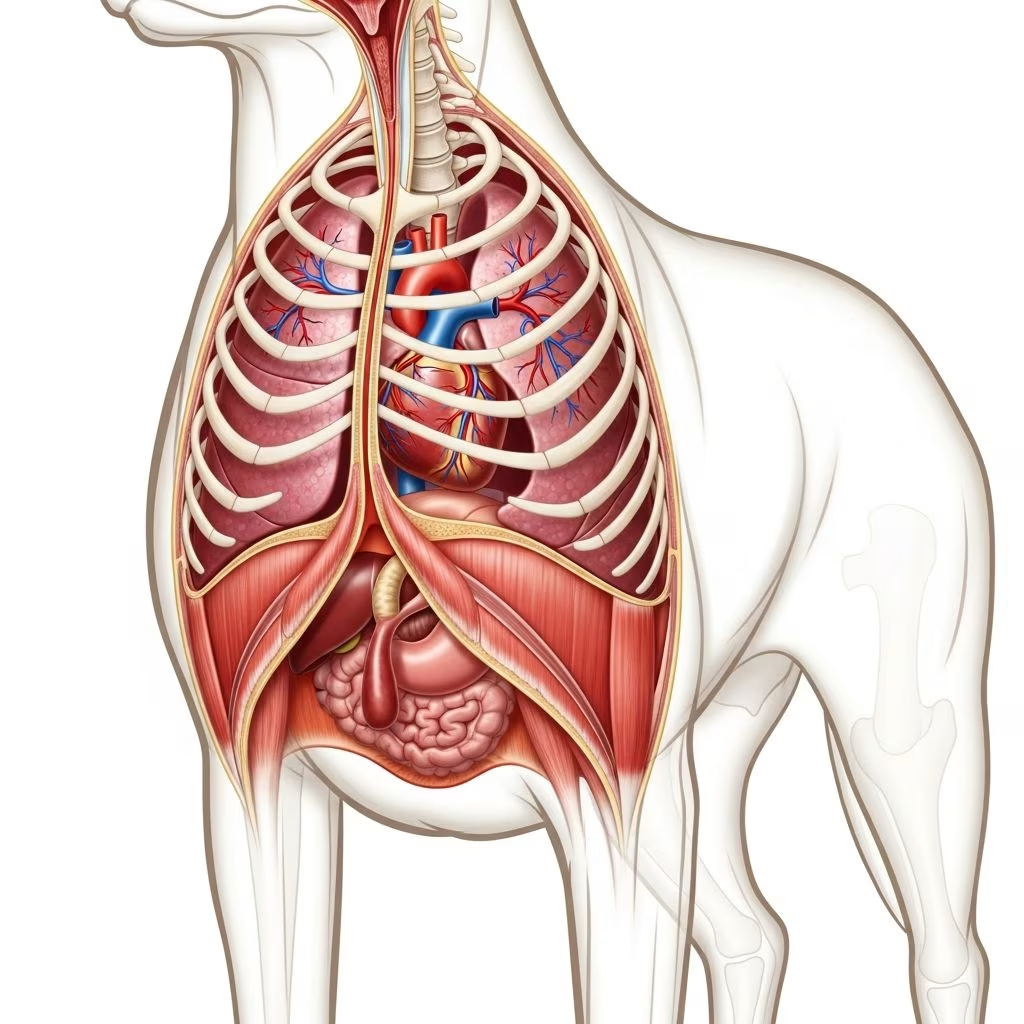
Understanding Diaphragmatic Hernias in Dogs
A diaphragmatic hernia in dogs is a serious medical condition that occurs when abdominal organs protrude through a tear or defect in the diaphragm, the muscular wall that separates the chest cavity from the abdominal cavity. This condition can significantly impair your dog’s ability to breathe properly and requires prompt veterinary attention. Understanding the nature of this condition, its causes, and available treatment options is essential for dog owners who want to provide the best possible care for their pets.
The diaphragm plays a critical role in the respiratory system by contracting and relaxing to allow air to enter and exit the lungs. When a rupture or defect develops, abdominal contents such as the liver, stomach, intestines, or spleen can enter the thoracic cavity, putting pressure on the lungs and heart. This displacement compromises respiratory function and can lead to life-threatening complications if left untreated.
What Causes Diaphragmatic Hernias?
Diaphragmatic hernias in dogs can develop through two primary mechanisms: congenital defects and traumatic injury. Understanding the cause of your dog’s hernia is important for determining the appropriate treatment approach and managing recovery.
Congenital Diaphragmatic Hernias
Some dogs are born with diaphragmatic hernias, meaning the defect is present from birth due to incomplete development of the diaphragm. These congenital hernias may not cause immediate symptoms and might only be discovered incidentally during veterinary examinations for other reasons. In many cases, small congenital hernias may never cause significant clinical problems and can remain asymptomatic throughout the dog’s life.
Traumatic Diaphragmatic Hernias
Traumatic hernias result from accidents or injuries that cause rupture of the diaphragm. Common causes include:
- Motor vehicle accidents
- Falls from significant heights
- Blunt force trauma to the chest or abdomen
- Crush injuries
- Penetrating wounds to the thoracic or abdominal region
Traumatic diaphragmatic hernias typically develop acutely and may present with severe clinical signs that require emergency veterinary intervention. The severity of symptoms often depends on the size of the tear and which organs have herniated into the chest cavity.
Clinical Signs of Diaphragmatic Hernia
The clinical presentation of diaphragmatic hernia varies significantly depending on the size of the defect and the extent of organ displacement. Recognizing these signs early is crucial for ensuring timely treatment.
Mild to Moderate Cases
Dogs with small tears or congenital hernias may present with subtle, non-specific symptoms including:
- Mild breathing difficulties, particularly during stress or exercise
- Occasional gastrointestinal upset or vomiting
- Reduced exercise tolerance
- Mild lethargy
In these cases, symptoms may be intermittent and easily overlooked, leading to delayed diagnosis.
Severe or Acute Cases
Dogs with larger hernias or acute traumatic injuries typically present with more pronounced clinical signs:
- Severe respiratory distress or rapid, shallow breathing
- Abnormal heart rhythms (arrhythmias)
- Muffled or absent heart and lung sounds
- Signs of systemic shock
- Pale or bluish mucous membranes indicating poor oxygenation
- Abdominal pain and distension
- Reluctance to lie down
- Abnormal breathing postures with extended neck and elbows pointed outward
These dogs require immediate emergency veterinary care. Additionally, upon physical examination, the veterinarian may notice that the abdomen feels unusually empty or soft during palpation, which can be a diagnostic clue.
Diagnostic Procedures
Accurate diagnosis of diaphragmatic hernia involves a combination of physical examination and imaging studies. Your veterinarian will begin with a thorough medical history and physical examination, noting any history of trauma and listening carefully to the heart and lung sounds.
Imaging Studies
Radiography (X-rays) of the chest and abdomen is typically the primary diagnostic tool. Characteristic findings include loss of the normal diaphragmatic line and the presence of abdominal organs within the thoracic cavity. In some cases, a small diaphragmatic defect may be difficult to visualize on plain radiographs.
Advanced imaging techniques such as computed tomography (CT) scans or ultrasound may be recommended for more detailed visualization of the hernia and to determine which organs are involved. Ultrasound is particularly useful for identifying fluid accumulation in the chest cavity.
Additional Diagnostic Measures
Blood work and other laboratory tests may be performed to assess your dog’s overall health status and organ function before surgery. In cases where fluid has accumulated in the chest cavity, thoracocentesis (a chest tap) may be performed both diagnostically and therapeutically to remove excess fluid and improve respiratory function.
Treatment Options for Diaphragmatic Hernia
The definitive and only permanent treatment for diaphragmatic hernia is surgical repair. However, the approach to treatment depends on your dog’s overall stability and the severity of the condition.
Pre-Surgical Stabilization
In dogs that have recently experienced trauma, stabilization is the first priority before surgical correction can proceed. This stabilization phase may include:
- Oxygen therapy to improve blood oxygen concentrations
- Intravenous fluid administration to maintain cardiovascular function
- Pain management medications
- Thoracocentesis if fluid accumulation in the chest is compromising breathing
- Monitoring of vital signs and blood pressure
During this pre-operative period, your veterinarian will work to optimize your dog’s condition to ensure they can safely tolerate general anesthesia and surgery.
Surgical Repair
Once your dog is stable enough for general anesthesia, surgical repair can proceed. The surgical approach typically involves laparotomy (opening the abdomen) and may also require thoracotomy (opening the chest) depending on the location and extent of the tear. The surgeon will carefully reposition any herniated organs back into the abdominal cavity and repair the diaphragmatic defect using surgical sutures.
In cases involving acute trauma with profound respiratory distress, particularly if the stomach has herniated and become bloated with gas, emergency surgery may be necessary. These emergency cases require immediate intervention regardless of the time of day or night.
Surgical Techniques and Approaches
Several surgical approaches may be employed depending on the characteristics of the hernia:
- Laparotomy approach: Opening the abdomen to access the hernia from below
- Thoracotomy approach: Opening the chest to access the hernia from above
- Combined thoracic-abdominal approach: Used when extensive adhesions or complications are present
- Paracostal approach: A minimally invasive technique in selected cases
Your veterinarian will determine the most appropriate surgical approach based on factors such as the location of the tear, the presence of adhesions, hemodynamic stability, and their surgical expertise.
Post-Operative Care and Recovery
Successful recovery following diaphragmatic hernia repair requires careful post-operative management and close adherence to veterinary recommendations.
Immediate Post-Operative Period
Immediately following surgery, your dog will receive:
- Intravenous fluid therapy to maintain hydration and support organ function
- Pain management through opioids, NSAIDs, or other analgesics
- Antibiotics to prevent infection
- Monitoring of vital signs, including oxygen saturation and cardiac function
Activity Restriction
Strict activity restriction is essential during the recovery period to allow proper healing of the surgical incision and the diaphragmatic repair. Guidelines typically include:
- Crate rest or confinement to a small room for 2-3 weeks
- Short, controlled leash walks only for elimination
- No running, jumping, climbing stairs, or rough play
- No swimming or bathing until the incision is fully healed (typically 14 days)
- Supervised interaction with other pets and children
Pain Management
Effective pain control is critical for recovery. Most dogs require pain medication for 1-2 weeks following surgery. Your veterinarian will provide a tapering schedule and instructions for monitoring your dog’s comfort level at home. Proper pain management improves comfort, allows for normal breathing, facilitates earlier mobilization, and supports healing.
Monitoring for Complications
Dogs with long-term hernias must be observed closely after surgery because life-threatening fluid accumulation can develop in the lungs during recovery. Signs requiring immediate veterinary attention include sudden onset of breathing difficulty, excessive panting, or lethargy.
Prognosis and Recovery Timeline
The prognosis for dogs with diaphragmatic hernias that receive appropriate treatment is generally favorable. Most dogs make a full recovery and return to normal activities within 2-3 months following proper post-operative care. Success rates for surgical repair are high, with most dogs experiencing resolution of clinical signs after the hernia is corrected.
With advances in veterinary surgical techniques, improved pain management protocols, and comprehensive post-operative care, the outcomes for dogs with diaphragmatic hernias have improved significantly in recent years.
Frequently Asked Questions
Q: Can a diaphragmatic hernia be treated without surgery?
A: No, surgical repair is the only definitive treatment for diaphragmatic hernia. However, temporary stabilization measures may precede surgery if your dog requires time to stabilize before undergoing general anesthesia.
Q: How long does surgery for diaphragmatic hernia take?
A: The duration of surgery varies depending on the complexity of the case and the surgical approach used. Most procedures take 1-2 hours, though more complicated cases may require additional time.
Q: What is the success rate for diaphragmatic hernia repair?
A: The success rate for surgical repair of diaphragmatic hernias is high, with most dogs making full recoveries and returning to normal activities within 2-3 months following appropriate treatment.
Q: Can diaphragmatic hernia recur after surgery?
A: Recurrence is uncommon when surgery is performed by an experienced veterinary surgeon with proper technique, but careful monitoring during recovery is important to detect any complications early.
Q: What should I expect during my dog’s recovery at home?
A: You should expect a 2-3 month recovery period with strict activity restriction, regular incision monitoring, pain management as prescribed, and follow-up veterinary visits to assess healing progress.
Q: Are there any long-term effects after diaphragmatic hernia repair?
A: Most dogs experience no long-term effects after successful repair and return to completely normal lives. However, close monitoring during recovery is important to identify any post-operative complications early.
References
- Diaphragmatic Hernia in Dogs: 5 Essential Treatments & Care Tips — ThePetVet. 2024. https://thepetvet.com/diaphragmatic-hernia-in-dogs/
- Case Report: Diagnosis and Surgical Treatment of Delayed Traumatic Diaphragmatic Hernia in a Dog — Frontiers in Veterinary Science. 2024. https://www.frontiersin.org/journals/veterinary-science/articles/10.3389/fvets.2024.1357626/full
- Diaphragmatic Hernias in Dogs — VCA Animal Hospitals. https://vcahospitals.com/know-your-pet/hernia-diaphragmatic-in-dogs
- Diaphragmatic Hernia Repair — Southpaws Specialty & Referral Vet. https://www.southpaws.com.au/diaphragmatic-hernia-repair/
- Diaphragmatic Hernia in Dogs — Merck Veterinary Manual. https://www.merckvetmanual.com/dog-owners/lung-and-airway-disorders-of-dogs/diaphragmatic-hernia-in-dogs
- Diaphragmatic Hernia in Dogs — MSD Veterinary Manual. https://www.msdvetmanual.com/dog-owners/lung-and-airway-disorders-of-dogs/diaphragmatic-hernia-in-dogs
- Diaphragmatic Hernia — American College of Veterinary Surgeons. https://www.acvs.org/small-animal/diaphragmatic-hernia/



