

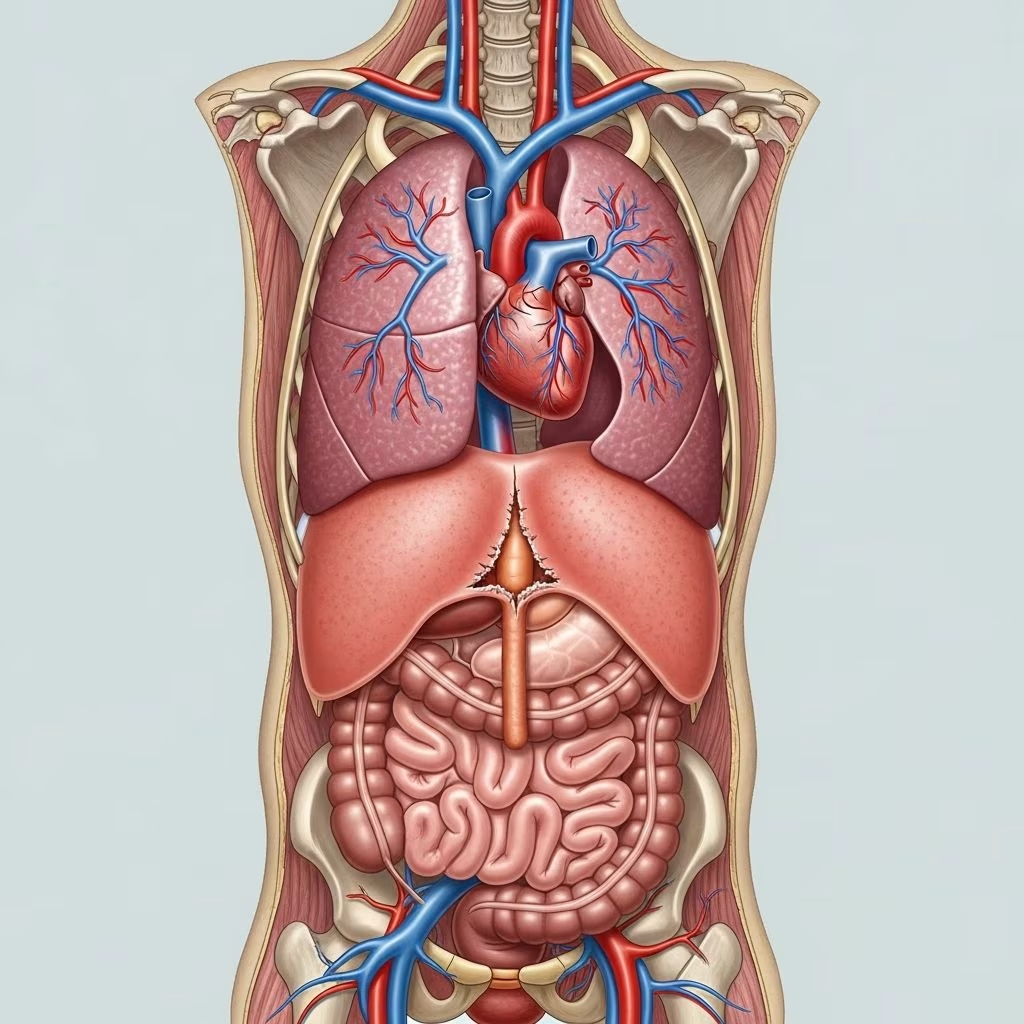
Understanding Diaphragmatic Hernia in Cats
A diaphragmatic hernia is a serious condition in which the diaphragm—the muscle that separates the chest cavity from the abdominal cavity—develops a tear or opening. This tear allows abdominal contents such as the stomach, liver, intestines, and other organs to protrude into the chest cavity. When this occurs, these displaced abdominal organs compress the lungs and prevent them from fully inflating, leading to significant respiratory complications. Additionally, the abdominal tissue may irritate the heart muscle, causing abnormal heart rhythms. Fluid can also leak into the chest cavity, further compromising heart and lung function.
Diaphragmatic hernias can be either traumatic or congenital. Traumatic hernias result from accidents or injuries, while congenital hernias are present from birth due to incomplete development of the diaphragm. Understanding this condition is crucial for cat owners, as early recognition and treatment can significantly improve outcomes.
Causes of Diaphragmatic Hernia
Diaphragmatic hernias in cats can develop through several different mechanisms. In many cases, automobile-related trauma is a common cause of this condition. Cats that have been hit by vehicles, fallen from heights, or suffered blunt force trauma to the chest and abdomen are at high risk for developing traumatic diaphragmatic hernias.
Congenital diaphragmatic hernias, on the other hand, occur when the diaphragm fails to develop properly before birth. These hernias may not produce symptoms immediately and can sometimes go undetected until the cat undergoes surgery for other procedures, such as spaying or neutering.
The severity and impact of a diaphragmatic hernia depend on several factors:
- The size of the tear in the diaphragm
- Which abdominal organs have herniated into the chest cavity
- How long the hernia has been present
- The overall health status of the cat
- Whether the hernia is acute or chronic
Clinical Signs and Symptoms
The symptoms of diaphragmatic hernia vary significantly depending on the severity of the condition. Clinical signs are dependent on the severity of herniation, and cats may present with a wide range of symptoms ranging from subtle to life-threatening.
Mild to Moderate Cases: With small tears or in cats born with a diaphragmatic hernia, there may be no discernible clinical signs. Many pet owners report mild breathing difficulties, especially when the cat is stressed, and periods of mild gastrointestinal upset. Owners might notice the cat seems less active or exercises less frequently than normal.
Severe or Acute Cases: In severe or acute cases, there is often respiratory distress, an abnormal heart rhythm, muffled heart and lung sounds, and other signs of systemic shock. Additional symptoms may include irregular heartbeat, labored breathing (especially after a forceful blow), and symptoms of shock. The abdomen may feel empty when palpated.
Common clinical signs associated with diaphragmatic hernias include:
- Muffled heart sounds
- Irregular lung sounds
- Lethargy and weakness
- Exercise intolerance
- Tachypnea (increased respiration rate)
- Dyspnea (shortness of breath)
- Pale mucous membranes
- Labored breathing
- Abnormal heart rhythm
- Coughing
- Vomiting and diarrhea
In cases where the stomach becomes trapped in the hernia, it may bloat rapidly, causing the animal’s condition to worsen very quickly. This represents a medical emergency requiring immediate veterinary attention.
Diagnosis of Diaphragmatic Hernia
Diagnosing a diaphragmatic hernia involves a combination of clinical examination and diagnostic imaging. A veterinarian will perform a thorough physical examination, noting any abnormalities in heart and lung sounds. During examination, the veterinarian may note the absence of normal lung sounds and/or the presence of digestive system sounds in the chest, which can indicate herniated abdominal contents.
Diagnostic tools used to confirm the diagnosis include:
- Physical examination and palpation
- Blood tests to assess overall health status
- X-ray (radiography) imaging of the chest and abdomen
- Ultrasound imaging for detailed visualization
Radiographic images are particularly useful for visualizing the location and extent of the herniated organs. In some cases, ultrasound may be used to complement radiographic findings and provide better visualization of soft tissue structures.
Treatment Options
The treatment approach for diaphragmatic hernia depends on the urgency and severity of the condition. In most cases, surgical repair is the only definitive treatment, though the timing and approach may vary.
Initial Stabilization: Treatment is first directed at stabilizing the cat if trauma has recently occurred. Some patients will require immediate thoracocentesis (a chest ‘tap’) to remove any fluid that has accumulated in the chest cavity. Stabilization measures may include oxygen supplementation, shock therapy, and treatment of any concurrent injuries.
Surgical Repair: Once the patient is stable, the hernia must be corrected surgically. This surgery is often done in referral centers by surgical and anesthesia specialists. The surgical procedure, typically called ventral midline celiotomy with diaphragmatic herniorraphy, allows the surgeon to access the abdominal cavity and repair the tear in the diaphragm.
In congenital forms, surgical intervention as early as possible is important to prevent organ entrapment or scarring between the intestines and the chest cavity. Many congenital diaphragmatic hernias are discovered during spaying (ovariohysterectomy) and may be corrected at that time. In cases of large areas of herniation, mesh may be placed to support the muscle and reinforce the repair.
Why Medical Management is Not Recommended: Medical management without surgery is not generally suggested for diaphragmatic hernias, as it significantly reduces the quality of life for the affected animal. If surgery is not feasible for medical or financial reasons, euthanasia should be considered as a compassionate option.
Prognosis and Recovery
The prognosis for any patient with diaphragmatic hernia is always initially guarded. However, it improves significantly if the patient has been stabilized and the heart rhythm is normal. After surgery, the risk of a condition called re-expansion pulmonary edema may occur, in which fluid can fill the lungs. Therefore, a guarded prognosis must be given for at least 24 hours after any surgery.
Congenital Hernias: The prognosis for a young kitten with a congenital diaphragmatic hernia is guarded to good, depending on the specific diaphragmatic defect and the abnormalities found during surgical correction. Younger cats generally have better outcomes than older cats.
Traumatic Hernias: Cats with diaphragmatic hernias have good prognosis as long as surgery is prompt. Left untreated, a diaphragmatic hernia can worsen, affecting the lungs and heart of the cat. In extreme cases, this is fatal. Older cats with trauma-induced hernias are less likely to survive surgery compared to younger animals.
Survival Rates: Most animals survive when surgery is successful and all secondary effects are controlled. Cats with uncomplicated hernias have an excellent prognosis overall.
Post-Operative Care and Management
Proper post-operative care is essential for ensuring a successful recovery and preventing complications. After surgery is complete, there are secondary problems to look out for.
Monitoring and Medications: Post-surgical care includes systemic antibiotics and careful monitoring of the patient’s breathing, temperature, and color. Monitoring of heart rate with a monitor (electrocardiograph) is advised to check for irregular heartbeat. Pain medication may be prescribed to help the cat breathe more freely and recover comfortably.
Temperature Management: Small dogs and cats should be kept on a warming device for at least 24 hours following surgery. Hyperthermia, or increased body temperature, is common in cats after surgery and should be monitored closely.
Activity Restriction: Pain medication and limiting activity for a few weeks is recommended during the recovery period. This allows the surgical site to heal properly and reduces the risk of complications.
Complications to Watch For: Another common problem is swelling or fluid accumulation in the lungs (pulmonary edema). Animals with long-term hernias must be observed closely after surgery because life-threatening fluid accumulation can develop in the lungs.
Chest Tube Care: If a thoracostomy tube was placed during surgery, it should be checked every hour for the first 4 hours and then every 4 hours. The tube can usually be removed 24 hours after surgery.
Frequently Asked Questions
Q: Can a diaphragmatic hernia heal on its own without surgery?
A: No, surgical repair is the only curative treatment for diaphragmatic hernias. Medical management alone cannot resolve the condition and will only reduce the cat’s quality of life. Surgery is necessary to repair the tear in the diaphragm and return displaced organs to their proper location.
Q: What is thoracocentesis and why might my cat need it?
A: Thoracocentesis is a chest ‘tap’ procedure in which fluid accumulated in the chest cavity is removed. Some cats with diaphragmatic hernias develop fluid buildup that impairs breathing and heart function. This procedure helps stabilize the cat before surgery can be performed.
Q: How soon after diagnosis should surgery be performed?
A: For traumatic hernias, surgery should be performed once the cat is stabilized, typically within hours to a few days. For congenital hernias, surgery should be performed as soon as possible to prevent organ entrapment and scarring. Some congenital hernias are discovered and repaired during routine spaying procedures.
Q: What is re-expansion pulmonary edema?
A: Re-expansion pulmonary edema is a condition where fluid accumulates in the lungs after surgery when previously collapsed lungs are re-expanded. This can occur because the increased hydrostatic pressure in the alveolar capillaries causes fluid release into lung tissue. This is why close monitoring for at least 24 hours after surgery is essential.
Q: What is the survival rate for cats with diaphragmatic hernias?
A: Most animals survive diaphragmatic hernia surgery when it is successful and secondary complications are controlled. Younger cats and those with prompt surgical intervention have better outcomes. Older cats with trauma-induced hernias are less likely to survive surgery, but even these cats can recover with appropriate care.
Q: Are there any long-term complications after surgery?
A: With proper post-operative care, most cats recover well. However, some complications can include pulmonary edema, infections, or irregular heartbeats. Close monitoring in the first 24 hours after surgery is critical. Postoperative aspiration pneumonia is common in cats with hiatal hernias, and postoperative infections are common in perineal hernias.
Q: Can my cat’s activity levels return to normal after recovery?
A: Yes, once fully recovered from surgery, most cats can return to normal activity levels. However, activity should be gradually increased during the initial recovery period of a few weeks. After complete healing, cats typically resume their normal lifestyle without restrictions.
References
- Diaphragmatic Hernia in Cats — VCA Animal Hospitals. 2025-11-28. https://vcahospitals.com/know-your-pet/hernia-diaphragmatic-in-cats
- Diaphragmatic Hernia in Cats – Cat Owners — Merck Veterinary Manual. 2025. https://www.merckvetmanual.com/cat-owners/lung-and-airway-disorders-of-cats/diaphragmatic-hernia-in-cats
- Abnormal Diaphragm Opening in Cats — PetMD. 2025. https://www.petmd.com/cat/conditions/cardiovascular/c_ct_diaphragmatic_hernia
- Hernias in Cats – Causes, Treatment and Associated Conditions — Vetster. 2025. https://vetster.com/en/conditions/cat/hernias
- Chronic Diaphragmatic Hernia in the Cat — Mississippi State University College of Veterinary Medicine. 2017-07-28. https://www.vetmed.msstate.edu/sites/www.vetmed.msstate.edu/files/presentations/chronic-diaphragmatic-hernia
- Managing Diaphragmatic Hernias (Proceedings) — DVM360. 2025. https://www.dvm360.com/view/managing-diaphragmatic-hernias-proceedings



