
Diaphragmatic Hernia In Animals: 4 Types, Signs, And Treatment
Comprehensive guide to understanding, diagnosing, and treating diaphragmatic hernias in pets and livestock, from causes to surgical recovery.
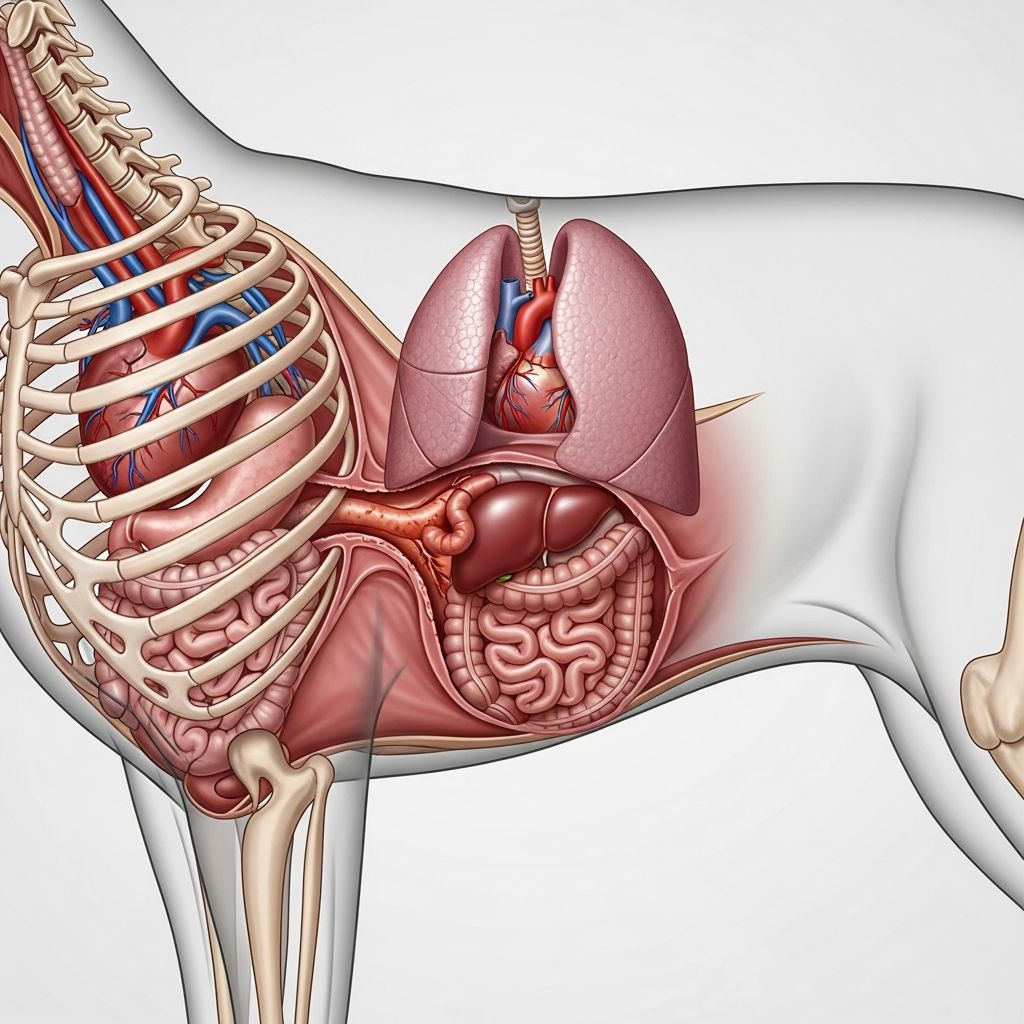
A diaphragmatic hernia occurs when the diaphragm, the muscle separating the chest and abdominal cavities, develops a tear or defect, allowing abdominal organs to shift into the thorax. This condition disrupts normal breathing and organ function, posing serious health risks across species like dogs, cats, horses, and cattle. Early recognition and intervention are crucial for positive outcomes.
Understanding the Diaphragm and Hernia Formation
The diaphragm plays a vital role in respiration by contracting to expand the chest cavity and facilitate air intake. When compromised, abdominal contents such as intestines, liver, or stomach can herniate into the thoracic space, compressing the lungs and heart. This leads to impaired ventilation and potential circulatory issues. In veterinary practice, these hernias are classified by etiology: traumatic from physical injury, congenital from developmental errors, or those triggered by extreme abdominal pressure.
Trauma represents the leading cause in dogs, often from vehicular accidents or falls, while congenital forms predominate in cats. Horses typically experience pressure-related hernias during foaling complications, and cattle may suffer from hardware-related trauma involving the reticulum.
Types of Diaphragmatic Hernias Across Species
- Congenital Hernias: Present at birth due to incomplete diaphragm formation. Common in kittens, these may remain asymptomatic until later life or be found incidentally during unrelated procedures.
- Traumatic Hernias: Result from blunt force, prevalent in dogs post-accident. Delayed presentation can occur months later, as organs slowly migrate through small tears.
- Pressure-Induced Hernias: Seen in large animals like horses during dystocia or in cattle with traumatic reticuloperitonitis, where abdominal strain tears the diaphragm.
- Peritoneopericardial Hernias: A subtype where abdominal fat or organs enter the pericardial sac, affecting heart function subtly in chronic cases.
Recognizing Clinical Manifestations
Symptoms vary widely based on hernia acuity, organ involvement, and animal size. Acute traumatic cases in dogs and cats often present with sudden
dyspnea
(labored breathing), cyanosis, and shock. If the stomach herniates and dilates, rapid deterioration follows, demanding immediate care.Chronic or congenital hernias might show subtler signs: weight loss, lethargy, or intermittent vomiting. Auscultation reveals muffled lung sounds ventrally and unusual bowel noises dorsally in the chest. Horses exhibit acute colic from intestinal displacement, while cattle display reticulitis signs like reduced appetite.
| Species | Common Acute Signs | Chronic Signs |
|---|---|---|
| Dogs/Cats | Severe dyspnea, tachycardia | Weight loss, coughing |
| Horses | Colic, respiratory distress | Recurrent displacement |
| Cattle | Reticulitis, indigestion | Reduced milk yield |
Diagnostic Approaches for Accurate Identification
Diagnosis begins with a thorough history and physical exam, noting trauma or breed predispositions. Key findings include abnormal thoracic auscultation and percussion.
Imaging Essentials:
- Thoracic Radiographs: Gold standard, revealing obscured diaphragm silhouette, thoracic abdominal viscera, and caudal heart enlargement. Multiple views confirm findings, though pleural fluid can obscure details.
- Ultrasonography: Non-invasive visualization of herniated organs, especially useful in obese patients or large animals.
- Contrast Studies: Barium oral series or positive contrast celiogram delineates gastrointestinal involvement in ambiguous cases. Recent case reports highlight barium gavage for delayed hernias, clearly mapping intestine positions.
In foals or calves, portable radiography suffices, but advanced imaging like CT elevates precision in complex scenarios.
Emergency Stabilization Protocols
Prior to definitive repair, stabilize the patient. Oxygen therapy via mask or cage counters hypoxia, while IV fluids maintain perfusion. Thoracocentesis evacuates pleural effusion or pneumothorax if present. Analgesics and antiemetics control pain and nausea.
Avoid positive-pressure ventilation initially, as it risks further organ herniation. Monitor for gastric dilatation, a life-threatening complication.
Surgical Interventions: The Path to Recovery
Surgery remains the cornerstone of treatment, repositioning viscera and suturing the diaphragm. Timing depends on stability: emergent for acute distress, elective for stables chronic cases.
Surgical Techniques:
- Laparotomy: Preferred ventral midline approach for most small animals, allowing abdominal access to reduce contents and repair tears.
- Thoracotomy: Used for extensive adhesions in chronic hernias, providing direct thoracic visualization.
- Combined Approach: For complicated large hernias or when adhesions suspected.
Under general anesthesia with mechanical ventilation, surgeons inspect for viable organs, resect necrotic tissue if needed, and close defects with non-absorbable sutures. Chronic cases risk re-expansion pulmonary edema, necessitating gentle lung reinflation.
Post-op, provide analgesia, antibiotics, and chest tubes if effusion recurs. Prognosis excels in acute repairs (mortality <15%), but chronic cases with adhesions elevate risks.
Species-Specific Management Strategies
Dogs and Cats
Trauma predominates; stabilize rapidly and operate within 48 hours for optimal survival. Congenital repairs often coincide with spays.
Horses and Cattle
Colic surgery doubles as hernia repair. Foals tolerate laparotomy well, but adults require standing approaches if feasible to avoid recumbency risks.
Postoperative Care and Complications
Recovery involves ICU monitoring: serial radiographs verify organ position, oxygen weaning, and enteral nutrition resumption. Watch for pneumonia, edema, or recurrence.
Long-term, most animals regain full function, though chronic hernias may leave adhesions. Early surgery in young patients prevents complications.
Preventive Measures and Prognosis
Prevent trauma via supervision and car restraints for pets. Monitor high-risk births in livestock. Prognosis nears 90% with prompt surgery; delays increase mortality.
Frequently Asked Questions (FAQs)
What causes diaphragmatic hernia in my dog?
Blunt trauma like car accidents is most common, though congenital defects occur.
Can diaphragmatic hernias heal without surgery?
Rarely; conservative management suits asymptomatic cases, but surgery is definitive.
How long is recovery after surgery?
Small animals hospitalize 3-7 days; full activity resumes in 2-4 weeks.
Is it painful for animals with this condition?
Acute cases cause significant distress; chronic ones may be subtle until advanced.
Which breeds are prone to congenital hernias?
Cats more than dogs; no strong breed links, but small breeds face trauma risks.
References
- Diaphragmatic Hernia in Animals — MSD Veterinary Manual. 2023. https://www.msdvetmanual.com/respiratory-system/diaphragmatic-hernia/diaphragmatic-hernia-in-animals
- Case report: Diagnosis and surgical treatment of delayed traumatic diaphragmatic hernia — Frontiers in Veterinary Science. 2024-04-29. https://www.frontiersin.org/journals/veterinary-science/articles/10.3389/fvets.2024.1357626/full
- Diaphragmatic Hernias in Dogs — VCA Animal Hospitals. 2023. https://vcahospitals.com/know-your-pet/hernia-diaphragmatic-in-dogs
- Eleven-year retrospective analysis of acquired diaphragmatic hernia — PMC (PubMed Central). 2023. https://pmc.ncbi.nlm.nih.gov/articles/PMC9847392/
- Diaphragmatic Hernia — American College of Veterinary Surgeons. 2023. https://www.acvs.org/small-animal/diaphragmatic-hernia/
Similar Articles








Read full bio of medha deb


