
Diaphragmatic Hernia in Cats: Comprehensive Care Guide
Understanding symptoms, diagnosis, and treatment options for feline diaphragmatic hernia
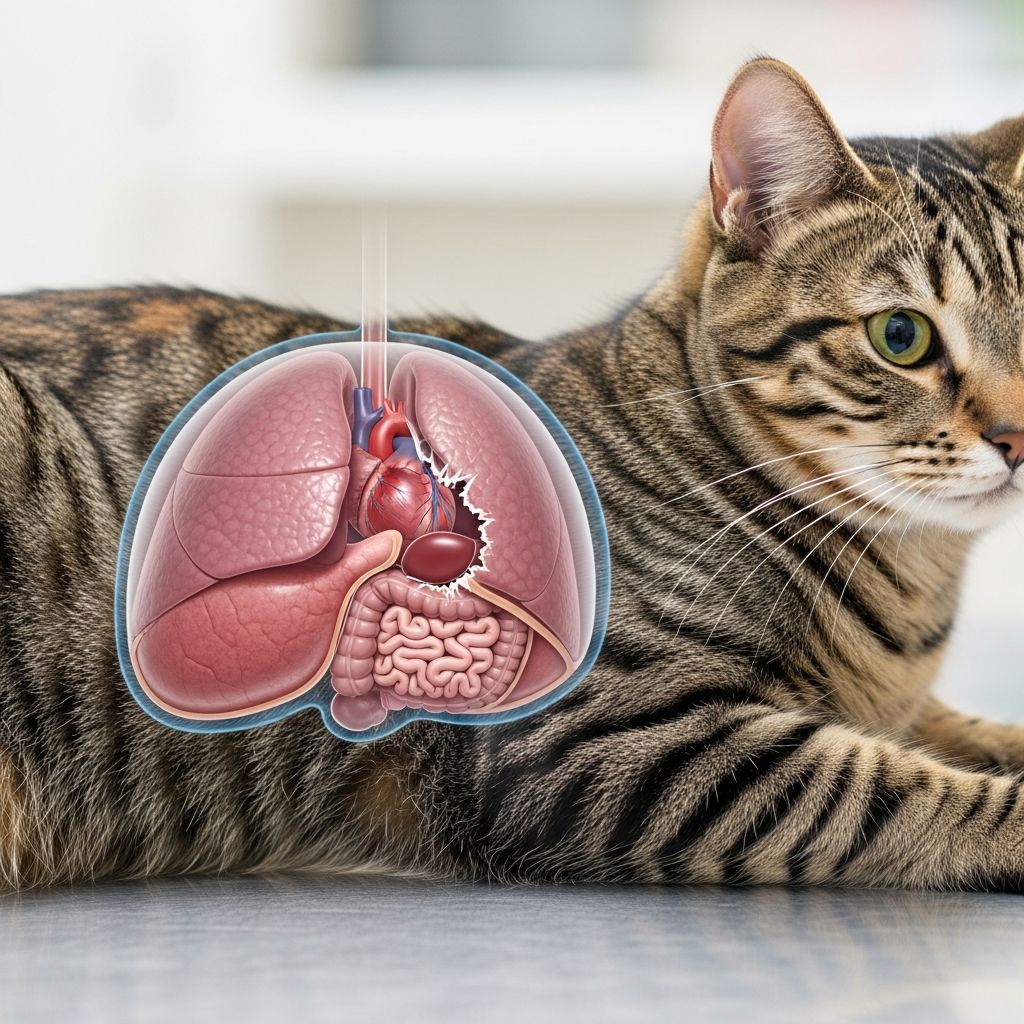
When the muscular barrier separating your cat’s chest from its abdomen becomes damaged or develops an opening, abdominal organs can shift into the thoracic cavity. This medical condition, known as diaphragmatic hernia, represents a serious health emergency that demands immediate veterinary intervention. Cat owners need to understand the causes, recognize warning signs, and know what treatment options exist to ensure their feline companions receive timely and appropriate care.
What Is the Diaphragm and Why Does It Matter?
The diaphragm functions as a crucial muscular partition between two vital body cavities. Above lies the chest cavity containing the lungs and heart, while below sits the abdominal cavity housing the stomach, liver, intestines, and other digestive organs. This thin but powerful muscle contracts and relaxes to facilitate breathing, allowing air to enter and exit the lungs. When the diaphragm remains intact and functions properly, it maintains strict separation between these two compartments, ensuring organs stay in their proper locations.
A hernia occurs when this protective barrier develops a hole or tear, permitting abdominal organs to protrude into the chest space. The severity of this condition depends on the size of the opening and which organs herniate through the defect.
Origins of Diaphragmatic Hernia: Trauma Versus Congenital Factors
Diaphragmatic hernias in cats arise through two primary mechanisms. Traumatic hernias develop when external force damages the diaphragm, typically resulting from automobile accidents, falls from heights, or blunt force injuries to the abdomen or chest. The sudden impact creates a tear in the muscular tissue, immediately compromising its structural integrity.
Congenital diaphragmatic hernias represent birth defects where the diaphragm fails to develop completely or correctly before the kitten is born. These cats may carry the condition throughout their lives without symptoms, or signs may emerge gradually as organs slowly migrate into the chest cavity. Some congenital hernias are discovered unexpectedly during routine spaying procedures or other abdominal surgeries.
Recognizing Clinical Presentations Across Different Severity Levels
The manifestation of diaphragmatic hernia varies dramatically depending on the size of the diaphragmatic defect and which organs have herniated into the chest. Cats with small openings or congenital forms may display no observable symptoms for extended periods, living relatively normal lives while the condition remains undiagnosed.
Acute and Severe Cases
When trauma causes a significant diaphragmatic tear, symptoms appear suddenly and severely. Affected cats experience pronounced breathing difficulties ranging from mildly labored respiration to severe respiratory distress. The following signs typically accompany acute herniation:
- Rapid, shallow, or noticeably difficult breathing patterns
- Wheezing or persistent coughing
- Blue-tinged or pale gums indicating insufficient oxygen circulation
- Abnormal heart rhythms or irregular heartbeat
- Muffled heart and lung sounds during veterinary examination
- Signs of systemic shock including weakness, lethargy, and collapse
- Reluctance to move or exercise intolerance
- Vomiting or regurgitation
Chronic and Mild Cases
Cats with smaller diaphragmatic defects or congenital hernias may experience subtle, slowly progressive symptoms. Weight loss often becomes the most noticeable clinical sign rather than obvious respiratory distress. These cats might show mild breathing difficulties only when stressed, frightened, or engaged in vigorous activity. Some owners describe their cats as generally less active or having reduced exercise tolerance.
When the stomach becomes trapped within the hernia, it may bloat with gas and fluid, causing acute deterioration in a previously stable patient. This complication can develop suddenly and demands emergency intervention.
The Diagnostic Process: From Physical Examination to Imaging
Veterinary diagnosis of diaphragmatic hernia involves a systematic approach combining physical examination with specialized diagnostic tools.
Initial Physical Assessment
The veterinarian begins by performing a thorough physical examination, listening carefully to the lungs and heart with a stethoscope. In affected cats, the veterinarian may note the absence of normal lung sounds in certain regions of the chest, or paradoxically detect digestive system sounds where heart and lung sounds should be heard. Abdominal palpation may reveal an unusually empty or distended abdomen.
Imaging and Advanced Diagnostics
Radiography (X-rays) represents the primary imaging tool for confirming diaphragmatic hernia. Images reveal the presence of abdominal organs within the chest cavity, clearly demonstrating the herniation. Blood tests evaluate overall health status and organ function, helping determine whether the cat can safely undergo anesthesia and surgery. Arterial blood gas analysis measures oxygen and carbon dioxide levels, quantifying the severity of respiratory compromise. In some cases, ultrasound imaging provides additional anatomical detail about which organs have herniated and their current status.
Cats presenting with acute trauma may require chest radiography to exclude other injuries such as pneumothorax (collapsed lung) or hemothorax (blood in the chest cavity).
Treatment Strategies: Stabilization and Surgical Correction
Diaphragmatic hernia management involves two distinct phases: initial stabilization and definitive surgical repair.
Emergency Stabilization
Cats presenting with acute trauma or respiratory distress require immediate stabilization before any surgical intervention. Veterinarians focus on restoring normal breathing and heart rate through supplemental oxygen therapy, careful fluid administration, and pain management. Some patients with fluid accumulation in the chest cavity require thoracocentesis, a procedure in which the veterinarian uses a needle to aspirate excess fluid from the thoracic space, immediately improving breathing.
This stabilization phase may last several hours to days, depending on injury severity and the cat’s response to supportive care.
Surgical Repair: The Definitive Treatment
Surgical repair represents the only definitive treatment for diaphragmatic hernia. Once the cat achieves hemodynamic stability, the surgical team performs diaphragmatic herniorraphy, a procedure in which the surgeon accesses the abdomen through a ventral midline incision. The surgeon carefully examines all abdominal organs for damage, repositions them into their proper locations, and repairs the diaphragmatic tear. In some cases, a tissue patch reinforces the repair to prevent recurrent herniation.
For congenital hernias, early surgical intervention prevents long-term complications such as organ entrapment or scar tissue formation between intestines and the chest wall. Many congenital diaphragmatic hernias are identified and corrected during spaying procedures, providing an opportunity to address the defect while the cat is already under anesthesia.
Complex cases or those requiring anesthesia specialists are often referred to surgical centers with advanced capabilities.
Post-Operative Care and Monitoring Requirements
Successful surgical repair marks the beginning of careful recovery management rather than the end of treatment concerns.
Immediate Post-Operative Period
Following surgery, cats receive antibiotics to prevent surgical site infection and analgesics to manage pain effectively. Veterinarians monitor closely for respiratory complications, particularly fluid accumulation in the lungs (pulmonary edema), which represents a common post-operative complication. Elevated body temperature (hyperthermia) frequently occurs after surgery and typically resolves without intervention.
Long-Term Monitoring
Cats with chronic pre-operative diaphragmatic hernias require especially vigilant post-operative observation because life-threatening fluid can accumulate in the lungs after surgery. Electrocardiography helps detect irregular heartbeats that may develop during recovery. Any signs of respiratory distress, abnormal breathing patterns, or decreased appetite warrant immediate veterinary evaluation.
Prognosis and Survival Outcomes
Most cats survive successful diaphragmatic hernia surgery when post-operative complications are managed appropriately. Age and trauma severity influence outcomes significantly. Younger cats and those with isolated diaphragmatic injuries achieve better results than older animals with multiple trauma-related injuries. Cats with successful surgical correction of both the diaphragm and any damaged organs generally return to normal function and quality of life.
However, older cats sustaining trauma-induced hernias face lower survival rates, requiring careful owner discussion about realistic expectations before proceeding with surgery.
Prevention Strategies for Trauma-Related Hernias
While congenital diaphragmatic hernias cannot be prevented, trauma-related hernias can be reduced through thoughtful environmental management. Keeping cats indoors eliminates the risk of automobile accidents and high-fall injuries. Protecting cats from household hazards and preventing forceful blows to the abdomen or chest reduces trauma risk substantially. Even indoor cats benefit from safe, enriched environments that minimize accidents and injuries.
Regular veterinary examinations allow early detection of congenital hernias before they cause clinical disease. Maintaining optimal body weight through balanced nutrition supports overall health and may reduce stress on internal organs.
When Surgery Isn’t an Option: Difficult Decisions
Some cat owners face difficult circumstances where surgical repair isn’t possible due to the cat’s age, pre-existing medical conditions, or financial constraints. In these situations, conservative management involving strict rest, restricted activity, and close monitoring may be attempted, though this approach typically results in reduced quality of life for the affected cat. If surgery cannot be performed, euthanasia should be carefully considered as a humane option to prevent prolonged suffering.
Frequently Asked Questions About Feline Diaphragmatic Hernia
- Q: Can diaphragmatic hernia develop spontaneously without trauma?
- A: Yes. Congenital diaphragmatic hernias exist from birth and may not cause symptoms for months or years. Some cats develop minor defects that never cause clinical problems.
- Q: How quickly do symptoms appear after traumatic injury?
- A: Symptoms can develop within minutes to hours of traumatic injury, or they may progress gradually over days or weeks depending on the defect size and organs involved.
- Q: Is surgery always necessary?
- A: Surgical repair represents the only definitive treatment. Conservative management is rarely recommended as it typically compromises quality of life significantly.
- Q: What is the recovery timeline after surgery?
- A: Most cats require 7-10 days of restricted activity after surgery, with full recovery typically occurring within 2-4 weeks. Close monitoring during this period is essential.
- Q: Can diaphragmatic hernia recur after surgery?
- A: Recurrence is uncommon when proper surgical technique is employed, though it can occur if tissue repair is inadequate.
Conclusion: Supporting Your Cat Through Diagnosis and Treatment
Diaphragmatic hernia in cats demands prompt recognition and professional veterinary care. Whether your cat has experienced traumatic injury or presents with congenital defects, understanding the condition enables you to advocate effectively for appropriate treatment. Working closely with your veterinarian and following post-operative care instructions carefully maximizes your cat’s chances for a successful recovery and return to normal quality of life. Any cat displaying respiratory distress, unexplained weight loss, or signs following trauma warrants immediate veterinary evaluation to rule out this serious but surgically correctable condition.
References
- Diaphragmatic Hernia in Cats – Cat Owners — Merck Veterinary Manual. 2024. https://www.merckvetmanual.com/cat-owners/lung-and-airway-disorders-of-cats/diaphragmatic-hernia-in-cats
- Diaphragmatic Hernia in Cats – Cat Owners — MSD Veterinary Manual. 2024. https://www.msdvetmanual.com/cat-owners/lung-and-airway-disorders-of-cats/diaphragmatic-hernia-in-cats
- Diaphragmatic Hernia in Cats — VCA Animal Hospitals. 2024. https://vcahospitals.com/know-your-pet/hernia-diaphragmatic-in-cats
- Abnormal Diaphragm Opening in Cats – PetMD — PetMD. 2024. https://www.petmd.com/cat/conditions/cardiovascular/c_ct_diaphragmatic_hernia
- Repairing Diaphragmatic Hernia — Clinician’s Brief. 2024. https://www.cliniciansbrief.com/article/repairing-diaphragmatic-hernia
Similar Articles








Read full bio of Sneha Tete




