

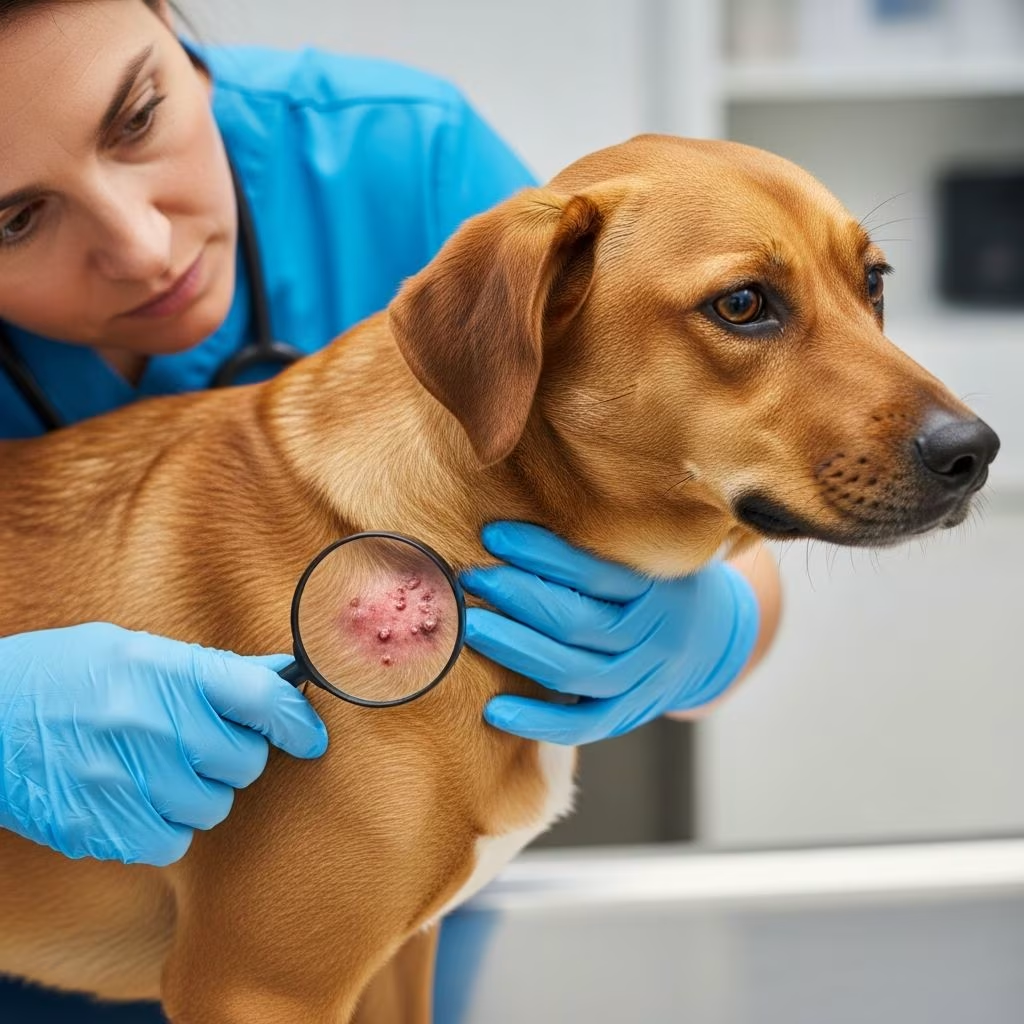
Pinpointing the cause of skin problems in dogs requires a systematic approach combining owner observations, veterinary examinations, and targeted diagnostic procedures. This process helps differentiate between infections, allergies, parasites, and other underlying issues to guide effective treatment.
Recognizing Early Signs of Trouble
Dog owners often notice changes like persistent scratching, redness, hair loss, or unusual odors first. These symptoms can stem from environmental allergens, fleas, bacterial overgrowth, or hormonal imbalances. Tracking when symptoms started, their progression, and any seasonal patterns provides crucial clues for veterinarians.
- Intense itching affecting paws, ears, or belly
- Red, inflamed patches or moist areas
- Thinning fur in specific spots or widespread
- Scaly, greasy skin with foul smell
- Recurrent ear infections or paw licking
Early detection prevents secondary complications like deep infections, making prompt veterinary consultation essential.
Gathering Essential History from Owners
The diagnostic journey begins with a detailed discussion about the dog’s background. Vets inquire about diet changes, recent exposures to new environments, grooming routines, and household flea control measures. Breeds prone to genetic skin conditions, such as Bulldogs or Retrievers, receive extra scrutiny.
Key questions include:
- Has the dog been on the same food for at least 8-12 weeks?
- Are symptoms worse in certain seasons or locations?
- Any family history of similar issues?
- Current medications or recent vaccinations?
This history helps narrow differentials, such as ruling out food sensitivities through elimination diets before advancing to allergy panels.
Conducting a Thorough Physical Examination
A hands-on assessment reveals patterns invisible to owners. Vets palpate for thickened skin, lymph node swelling, or pain responses while parting fur to inspect hidden areas like armpits and groin. Tools like magnifying lenses or Wood’s lamps aid in spotting fungal glows or subtle lesions.
| Body Region | Common Findings | Possible Causes |
|---|---|---|
| Ears & Paws | Redness, wax buildup, licking | Allergies, yeast infections |
| Back & Sides | Hair loss, scabs | Fleas, mites, pyoderma |
| Abdomen | Moist dermatitis | Bacterial overgrowth, allergies |
| Face & Legs | Scales, ulcers | Autoimmune, hormonal |
Examining under bright light often uncovers flea dirt—small black specks that turn red when wet—prompting immediate combing.
Initial In-House Tests for Quick Insights
Many clinics perform rapid, non-invasive tests during the first visit to identify treatable causes like parasites or bacteria.
Skin Cytology: Peering at Cellular Clues
Cytology involves pressing clear tape or glass slides against lesions to collect cells for microscopic review. This reveals yeast overgrowth, characterized by peanut-shaped organisms, or bacterial clusters indicating pyoderma. Fresh pustules yield the best samples, guiding antibiotic choices without culture delays.
Flea Combing and Surface Scrapes
A fine-toothed comb run through fur dislodges fleas, eggs, or dirt, confirming infestations even if live bugs are absent. Superficial scrapings with a blade gather surface debris for mites like Cheyletiella, often called ‘walking dandruff’.
Trichograms: Hair Shaft Analysis
Plucking 20-30 hairs and mounting them in oil under a microscope checks for fractured shafts from ringworm or lice clinging to follicles. This painless method suits patchy baldness investigations.
Advanced Sampling Techniques
When basics fall short, deeper probes provide definitive answers.
Deep Skin Scrapings for Burrowing Pests
Squeezing skin until slight bleeding occurs allows blade collection of deeper layers, ideal for Demodex mites causing juvenile-onset mange. Multiple sites boost detection rates in chronic cases.
Ear Swabs and Nail Fold Cytology
Cotton-tipped applicators sample ear canals or toe crevices, common yeast hotspots. Staining highlights inflammatory cells or microbes missed by visual inspection.
Addressing Allergic and Immune-Mediated Conditions
Allergies affect up to 15% of dogs, mimicking infections. Diagnosis follows ruling out parasites and infections via the above tests.
Elimination Diet Trials
For suspected food allergies, vets prescribe hydrolyzed or novel protein diets for 8-12 weeks. Improvement followed by flare on original food confirms the trigger, avoiding blood tests’ false positives.
Intradermal and Serum Allergy Testing
Intradermal testing injects dilute allergens under shaved skin; wheals indicate reactivity. Serum IgE assays detect antibodies to pollens, molds, or dust mites without sedation, though less specific. Both inform immunotherapy formulations.
Canine Atopic Dermatitis (CAD) uses Favrot’s criteria: pruritus onset under 3 years, face/paw involvement, chronicity, and response to steroids, plus exclusion of mimics.
Histopathology: The Gold Standard
Skin biopsies, taken under local anesthetic via punch or wedge, undergo lab staining to reveal autoimmune blistering, tumors, or endocrine patterns like hypothyroidism. Multiple samples from varied lesions ensure accuracy, with results in 3-7 days.
When Biopsies Are Indicated
- Non-responsive chronic lesions
- Suspicious nodules or ulcers
- Diffuse scaling unresponsive to antifungals
Blood Work and Systemic Evaluations
Persistent issues prompt complete blood counts, chemistry panels, and thyroid assays to uncover low thyroid, Cushing’s, or organ dysfunction contributing to poor skin health.
Cultures for Resistant Infections
Bacterial or fungal cultures from swabs guide antibiotics when cytology suggests resistance. Fungal media grow ringworm over 2-4 weeks, confirming dermatophytosis.
Interpreting Results and Next Steps
Vets synthesize findings: negative scrapes with positive cytology point to bacteria/yeast; allergy tests post-workup identify immunotherapy candidates. Treatment trials follow tentatives, like flea preventives for comb-positive cases.
FAQs on Dog Skin Diagnosis
How long does diagnosis take?
Basics like cytology offer same-day insights; biopsies or cultures extend to weeks.
Is sedation needed for tests?
Most are painless without; intradermal or biopsies may require mild sedation.
Can home remedies replace vet tests?
No—misdiagnosis risks worsening; professional tools ensure targeted therapy.
What if tests are negative?
Trials or advanced imaging rule out deep issues like leishmaniasis.
How often should follow-ups occur?
Weekly for infections, monthly for allergies during flares.
Preventing Recurrence Through Monitoring
Post-diagnosis, consistent flea control, hypoallergenic shampoos, and diet adherence minimize relapses. Annual wellness exams catch subclinical changes early.
References
- Understanding Canine Skin Disorders — Creedmoor Road Animal Hospital. 2023. https://creedmoorroadanimalhospital.com/pet-dermatology-in-raleigh-nc/understanding-canine-skin-disorders/
- Canine atopic dermatitis: detailed guidelines for diagnosis — PMC/NCBI. 2015-07-15. https://pmc.ncbi.nlm.nih.gov/articles/PMC4531508/
- Diagnosing Common Skin Conditions of Dogs and Cats — Today’s Veterinary Practice. 2023. https://todaysveterinarypractice.com/dermatology/diagnosing-common-skin-conditions-of-dogs-and-cats-in-community-medicine-practice/
- Diagnosis of Skin Diseases in Small Animals — Merck Veterinary Manual. 2023. https://www.merckvetmanual.com/integumentary-system/integumentary-system-introduction/diagnosis-of-skin-diseases-in-small-animals
- 2023 AAHA Management of Allergic Skin Diseases — AAHA. 2023. https://www.aaha.org/wp-content/uploads/globalassets/02-guidelines/2023-aaha-management-of-allergic-skin-diseases-in-dogs-and-cats-guidelines/resources/2023-aaha-management-of-allergic-skin-diseases-guidelines.pdf



