
Undefined Diagnosing Heart Disease In Cats: 6 Key Tests
Essential guide to advanced diagnostic tools and techniques for identifying cardiovascular issues in felines early and accurately.
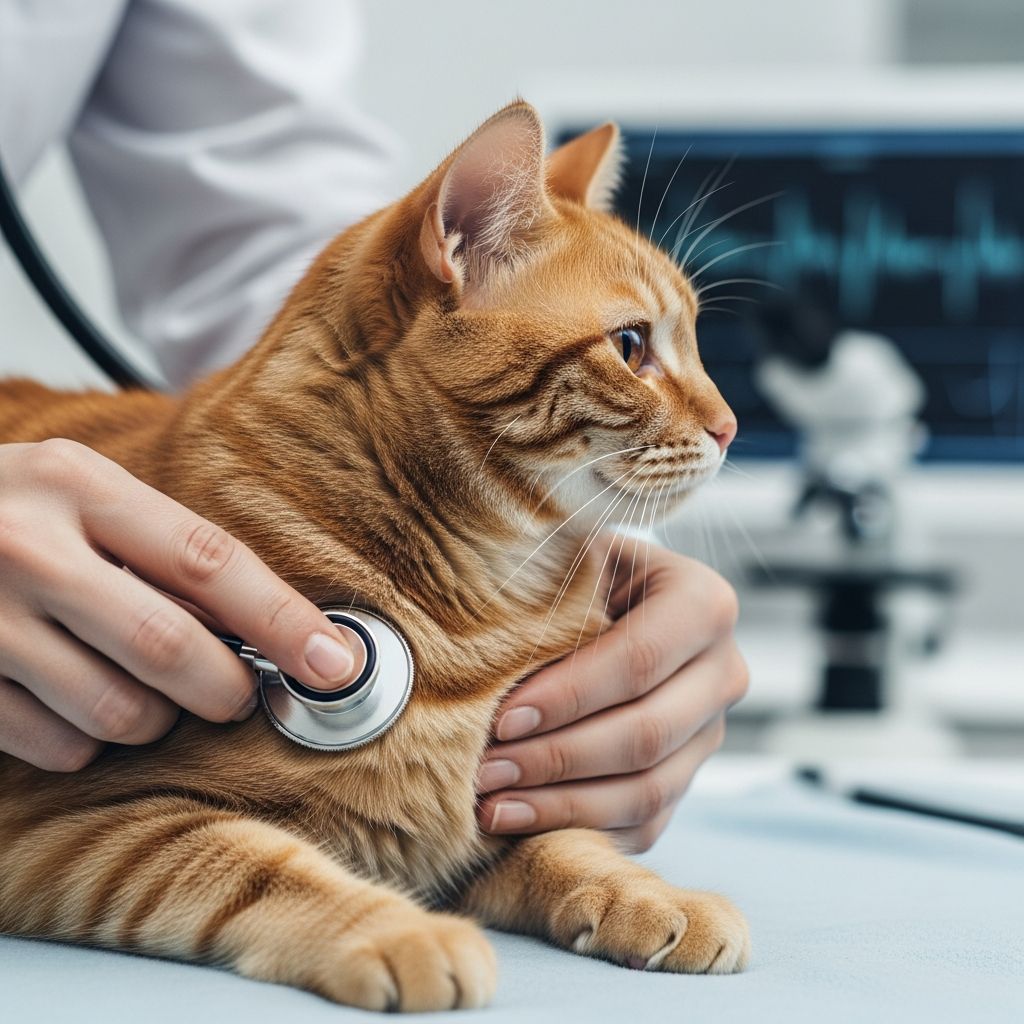
Heart disease affects many cats, often silently until advanced stages. Early and precise diagnosis is crucial for effective management, relying on a combination of clinical exams, imaging, blood tests, and specialized tools. This article details key diagnostic strategies, their strengths, and optimal combinations for conditions like hypertrophic cardiomyopathy (HCM) and congestive heart failure (CHF).
Why Early Detection Matters for Feline Cardiac Health
Cats frequently develop heart issues such as HCM, the most common type, where heart muscle thickens, impairing function. Unlike dogs, cats show few overt signs initially, making routine screening vital, especially for breeds like Maine Coons or those over 7 years old. Undiagnosed disease can lead to clots, arrhythmias, or sudden death. Veterinary cardiologists emphasize multimodal testing to confirm presence, type, and severity.
Diagnostic accuracy improves with integrated approaches. For instance, while single tests offer good sensitivity, combining them boosts reliability up to 96% for HCM.
Physical Examination: The First Step
Every cardiac evaluation starts with a thorough physical check. Veterinarians listen for murmurs—abnormal heart sounds from turbulent blood flow—a hallmark in 50-70% of affected cats. They assess pulse quality, breathing rate (normal under 30 breaths/minute at rest), and mucous membrane color. Arrhythmias, detected via palpation or auscultation, signal electrical issues.
- Murmur grading: Scale 1-6, where grade 1 is faint, grade 6 audible without stethoscope.
- Gum color: Pale or blue indicates poor oxygenation.
- Respiratory effort: Rapid or labored suggests fluid buildup.
If abnormalities appear, further tests follow. Normal exams don’t rule out disease, as subclinical cases abound.
Electrocardiography (ECG): Tracking Heart Rhythm
ECG records electrical impulses, identifying arrhythmias like ventricular premature complexes common in HCM. It detects chamber enlargement via wave amplitude changes, such as increased R waves signaling left ventricular hypertrophy.
Though not imaging heart structure, ECG is quick, non-invasive, and essential for irregular rhythms. Sensitivity for occult disease is moderate; normal results don’t exclude pathology.
Radiography: Visualizing Heart Size and Shape
Chest X-rays (thoracic radiographs) evaluate heart size, shape, and lung fields for congestion. Key metrics include:
| Method | Description | Accuracy Notes |
|---|---|---|
| Vertebral Heart Score (VHS) | Compares heart silhouette to thoracic vertebrae; >8 or >8.5 suggests enlargement. | Moderate sensitivity (70-80%); better for CHF than occult HCM. |
| Cardiac Length x Width (L×W) | Multiplies dimensions; normalized to sternal bone length. | High accuracy when combined with NT-proBNP. |
| Subjective Left Atrial Assessment | Visual enlargement check. | 82% sensitivity for cardiac vs. non-cardiac issues. |
Dorsoventral views best detect atrial enlargement; ‘valentine’ shape is specific but rare in mild cases. Radiographs also spot pleural effusion or pulmonary edema.
NT-proBNP Blood Test: A Game-Changing Biomarker
NT-proBNP, released by stretched heart walls, screens for disease via point-of-care tests. Levels >100 pmol/L indicate moderate-severe issues; highly sensitive (85-91%) and specific (91%) for occult disease.
Studies of 227 cats showed 85.8% sensitivity against echocardiography. Optimal for any heart disease diagnosis; combines well with imaging for 90%+ accuracy. Elevated in HCM, CHF, but also hyperthyroidism—rule out confounders.
- Advantages: Quick (10 minutes), affordable, no sedation.
- Cutoffs: >99 pmol/L flags HCM risk.
- Limitations: Not specific to disease type.
Echocardiography: The Definitive Diagnostic Tool
Echocardiography (echo) is the gold standard, using ultrasound to measure wall thickness, chamber sizes, valve function, and blood flow via Doppler. It differentiates HCM (thick walls), restrictive cardiomyopathy (RCM, stiff ventricles), and dilated forms.
2D/M-mode assesses morphology; Doppler detects regurgitation or outflow obstruction. Scar tissue in RCM or clots are visible. Requires skilled operators and equipment, limiting access, but irreplaceable for confirmation.
For HCM, echo reveals left ventricular hypertrophy; for CHF, enlarged atria and Doppler abnormalities.
Advanced and Supportive Tests
Blood pressure checks hypertension, common in older cats exacerbating heart strain. Taurine levels screen for deficiency-linked dilated cardiomyopathy. CBC/chemistries exclude secondary causes like kidney disease or hyperthyroidism.
Thoracic Focused Assessment with Sonography (TFAST) offers quick structural views without full echo expertise.
Comparing Diagnostic Methods
| Test | Best For | Sensitivity/Specificity | Accessibility |
|---|---|---|---|
| NT-proBNP | Screening any heart disease | 86%/91% | High (POC) |
| Echo (Left Atrial Size) | HCM/CHF confirmation | 96% combined | Moderate |
| VHS Radiography | Enlargement/CHF | 70-82% | High |
| ECG | Arrhythmias | Moderate | High |
Combinations excel: NT-proBNP + L×W + atrial assessment reaches peak accuracy.
When to Suspect and Test for Heart Disease
Screen asymptomatic cats over 5-7 years, breeds prone to HCM, or with murmurs. Sudden weakness, lethargy, coughing, or rapid breathing warrants immediate checks.
FAQs
What is the best initial test for cat heart disease?
NT-proBNP point-of-care test offers high accuracy for screening, especially without echo access.
Can heart disease be silent in cats?
Yes, many cats have occult disease detectable only by echo or biomarkers.
How accurate is NT-proBNP for HCM?
85-91% sensitivity/specificity; best combined with ultrasound.
Is radiography enough alone?
No, subjective assessments improve it, but echo confirms.
What breeds need regular cardiac screening?
Maine Coon, Ragdoll, Sphynx; annual echoes recommended.
References
References
- Accuracy of methods for diagnosing heart diseases in cats — PMC/NCBI. 2020-06-15. https://pmc.ncbi.nlm.nih.gov/articles/PMC7311870/
- Cardiac Blood Tests in Cats: Another Tool for Detection of Heart Disease — Today’s Veterinary Practice. 2023-01-10. https://todaysveterinarypractice.com/cardiology/cardiac-blood-tests-in-cats/
- Heart Disease in Cats — PetMD. 2024-05-20. https://www.petmd.com/cat/conditions/cardiovascular/heart-disease-cats
- MVC 2018: Advances in Feline Heart Disease Diagnosis — DVM360. 2018-08-01. https://www.dvm360.com/view/mvc-2018-advances-in-feline-heart-disease-diagnosis
- Heart Disease – Cats — Cummings School of Veterinary Medicine at Tufts University. 2023-11-15. https://vet.tufts.edu/foster-hospital-small-animals/specialty-services/cardiology/heartsmart/heart-disease-cats
Similar Articles








Read full bio of medha deb




