

Female dogs, or bitches, can encounter various reproductive challenges that hinder breeding success or overall health. These issues range from failure to conceive after mating to refusal to breed and serious infections. Early and accurate diagnosis is crucial for effective management, often involving a combination of history taking, physical assessments, laboratory tests, and imaging. This article outlines a structured approach to investigating these problems, drawing on established veterinary practices to guide breeders and veterinarians.
Understanding Common Reproductive Challenges
Reproductive disorders in female dogs manifest in several ways. Bitches may appear non-pregnant despite confirmed mating, exhibit reluctance to mate during estrus, or show signs of pain or discharge. Other concerns include structural abnormalities, hormonal imbalances, and infections that block fertility. Recognizing these patterns early allows for targeted interventions, preventing chronic issues or unnecessary stress on the animal.
- Infertility after mating: No whelping despite known breeding.
- Mating refusal: Estrous female avoids the male.
- Pain during breeding: Discomfort in hindquarters or vaginal area.
- Obstructions: Blockages in reproductive tract impeding sperm or embryo passage.
- Infections: Uterine or vaginal issues causing inflammation.
Step-by-Step Clinical Evaluation Process
The investigation begins with a thorough history and progresses to advanced diagnostics. This systematic method ensures no underlying cause is overlooked.
Gathering Detailed History
A comprehensive reproductive and medical history forms the foundation. Inquire about previous heats, mating dates, litter outcomes, and general health. Note any missed estrus cycles, abnormal discharges, or systemic illnesses. Owners often overlook subtle signs like irregular cycling, which could indicate hormonal disruptions.
| History Element | Key Questions | Potential Insights |
|---|---|---|
| Estrous Cycle | When was last heat? Duration? Behavior? | Detects anestrus or silent heats. |
| Mating Details | Tie duration? Male fertility status? | Identifies timing errors. |
| Previous Litters | Size? Complications? | Reveals chronic patterns. |
| Health Events | Vaccinations? Illnesses? Medications? | Links to endocrine issues. |
Physical Examination Essentials
Conduct a full physical exam, focusing on the reproductive tract. Palpate the abdomen for uterine enlargement, check mammary glands for abnormalities, and perform a digital vaginal exam to assess for strictures or masses. Evaluate hind legs and back for pain, which may signal orthopedic contributions to breeding reluctance. External genitalia inspection can reveal congenital anomalies like hypoplasia.
- Digital vestibule/vagina exam for obstructions.
- Hindquarter palpation for discomfort.
- General body condition scoring.
Key Diagnostic Laboratory Tests
Laboratory evaluations pinpoint hormonal, infectious, or genetic causes. Select tests based on presentation.
Hormonal and Endocrine Profiling
Progesterone levels confirm ovulation timing; values above 5 ng/mL post-estrus indicate luteal phase issues. Estradiol assays detect missed heats. Thyroid panels screen for hypothyroidism, which reduces libido. Karyotyping identifies chromosomal abnormalities in ambiguous genitalia cases.
Infection Screening
Brucella canis testing is routine due to its impact on fertility via epididymitis or metritis. Rapid slide agglutination test (RSAT) followed by confirmation via gel immunodiffusion. Vaginal cytology reveals white blood cell increases signaling infection; culture identifies pathogens for targeted antibiotics.
Cytology and Blood Work
Vaginal cytology during proestrus/estrus shows epithelial changes. CBC, chemistry, and urinalysis assess systemic involvement in infections like pyometra.
Common Lab Tests Overview
| Test | Purpose | When to Use | Expected Findings |
|---|---|---|---|
| Progesterone Assay | Ovulation timing | Post-mating infertility | >5 ng/mL if failed whelp |
| Vaginal Cytology | Inflammation detection | Mating refusal, discharge | Increased WBCs |
| Brucella RSAT | Infection screen | All breeding exams | Negative ideal; confirm positives |
| Thyroid Panel | Hormone imbalance | Libido issues | Low T4/TSH abnormal |
Imaging Techniques for Deeper Insights
Imaging visualizes structural problems invisible to palpation.
Ultrasonography
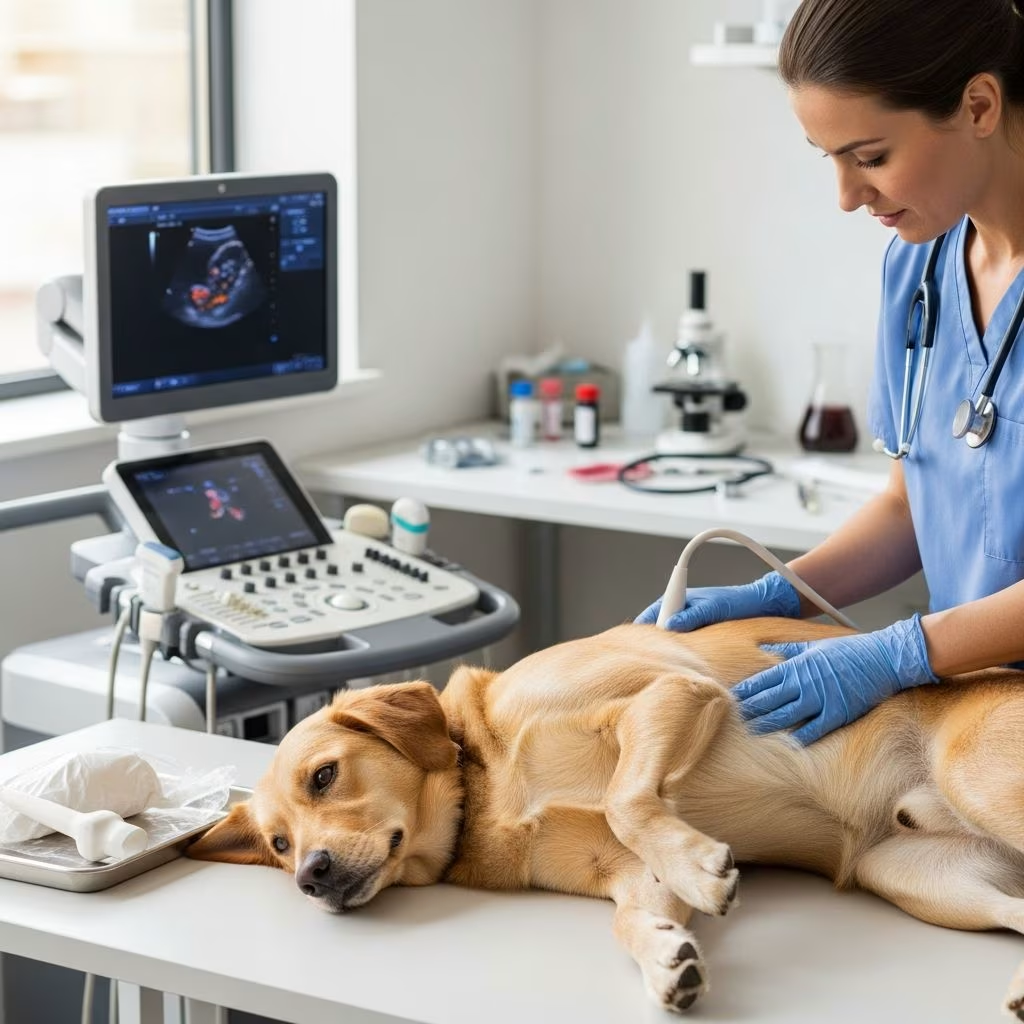
Abdominal ultrasound detects cystic ovaries, uterine fluid, or pyometra distension. It’s valuable for persistent follicles or early pregnancy failure. Prostate and testicular imaging in males complements female evaluations.
Radiography and Contrast Studies
Plain radiographs show large uterine enlargements. Contrast vaginography highlights strictures or diverticula. Rarely, laparoscopy confirms lesions.
Tailored Management and Treatment Strategies
Treatments vary by diagnosis, prioritizing spaying for non-breeders or targeted therapies for valuable bitches.
- Hypothyroidism: Thyroid supplementation; consider inheritance.
- Cystic Ovaries: hCG injection (95% success); ultrasound follow-up.
- Obstructions: Surgical removal of affected horn if unilateral.
- Infections/Pyometra: Antibiotics per culture, prostaglandins for uterine clearance, spay if severe.
- Brucella Positive: Isolation, castration consideration, no reliable cure.
Preventive Measures for Breeding Success
Proactive care enhances fertility. Annual Brucella screening, optimal nutrition, and timed breedings via progesterone monitoring reduce risks. Genetic screening avoids heritable disorders like cryptorchidism or hypoplasia.
Frequently Asked Questions (FAQs)
What causes a bitch to refuse mating?
Common causes include pain from vaginal strictures, hypothyroidism, or infections detected via cytology and digital exam.
How is pyometra diagnosed?
Ultrasound shows uterine fluid, cytology reveals WBCs, and blood work indicates systemic effects.
Is Brucella testing necessary for all breeders?
Yes, as it’s standard and detects silent carriers affecting fertility.
Can reproductive issues be genetic?
Yes, karyotyping confirms chromosomal problems; neuter non-viable cases.
What if progesterone is high post-mating?
Indicates ovulation occurred; investigate non-pregnancy causes like obstructions.
Addressing female canine reproductive disorders requires a multifaceted diagnostic approach. By integrating history, exams, labs, and imaging, veterinarians can pinpoint issues and implement effective plans, safeguarding bitch health and breeding potential.
References
- Canine reproductive diseases and abnormalities (Proceedings) — dvm360. 2011-05-01. https://www.dvm360.com/view/canine-reproductive-diseases-and-abnormalities-proceedings
- Assessment of Reproductive Problems in the Male Dog — IVIS.org. N/A. https://www.ivis.org/library/recent-advances-small-animal-reproduction/assessment-of-reproductive-problems-male-dog
- Inherited disorders in responsible breeding of companion animals — AVMA. 2023-01-01. https://www.avma.org/resources-tools/avma-policies/inherited-disorders-responsible-breeding-companion-animals
- Reproductive Management of the Female Small Animal — MSD Veterinary Manual. 2023-10-15. https://www.msdvetmanual.com/reproductive-system/reproductive-diseases-of-the-female-small-animal/reproductive-management-of-the-female-small-animal



