

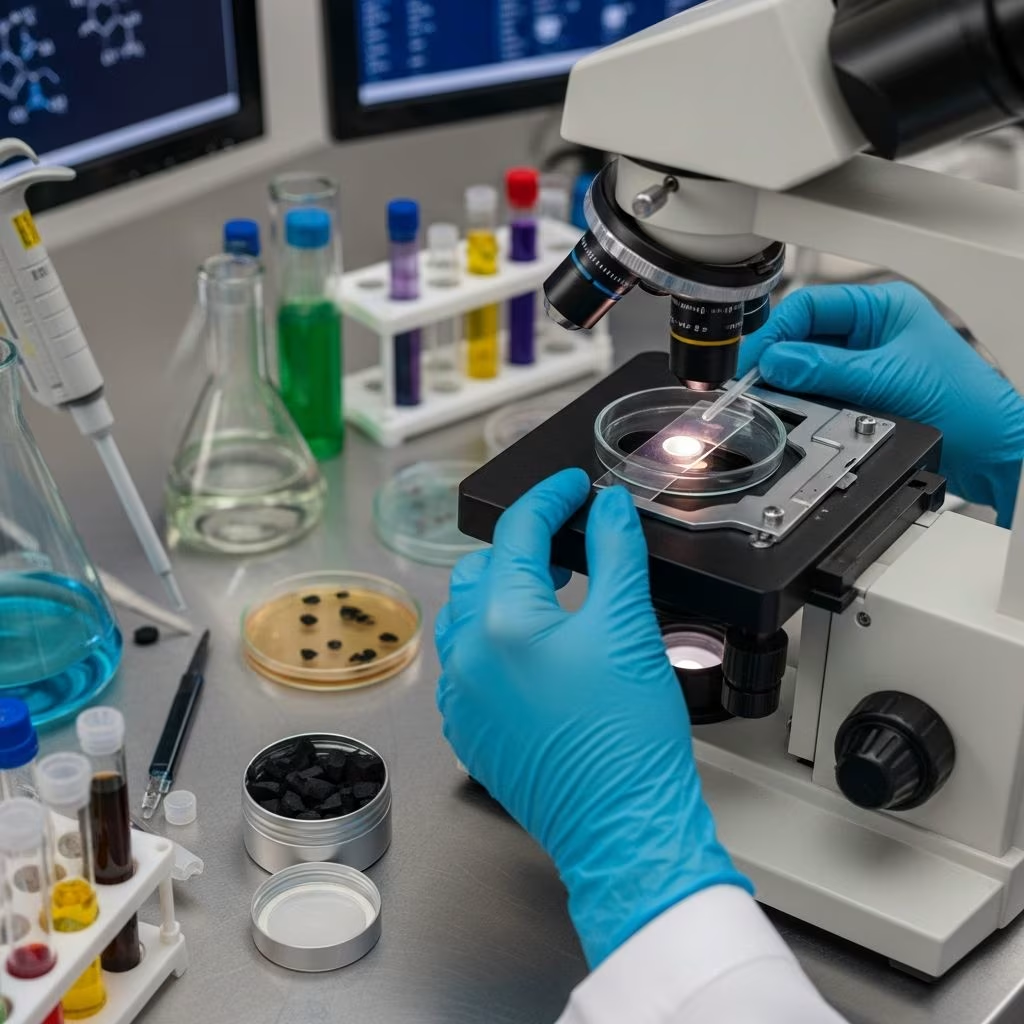
Accurately identifying poisoning in animals requires a systematic approach combining owner reports, physical evaluations, and specialized laboratory testing. This process helps veterinarians distinguish toxic exposure from other illnesses, guiding effective interventions.
Initial Assessment and History Gathering
The first step in suspecting poisoning involves collecting detailed information from the animal’s environment and recent events. Owners should report any access to potential hazards like chemicals, plants, or medications, including the quantity and timing of exposure. For livestock, note the number affected, their ages, and progression of illness across the herd. In pets, specify the animal’s breed, ongoing health issues, and exact symptoms observed.
Incomplete histories can lead to misdiagnosis; for instance, reports of sudden death might overlook gradual signs if animals were not closely monitored. Vets prompt for subtle details, such as changes in feed or water sources, to build a complete picture.
Recognizing Clinical Signs of Toxicity
Symptoms vary by toxin but often affect the nervous system, gastrointestinal tract, or organs like the liver and kidneys. Common indicators include vomiting, diarrhea, seizures, lethargy, or abnormal breathing. Neurological effects like tremors or ataxia suggest pesticides or heavy metals, while organ failure signs point to antifreeze or rodenticides.
For production animals, patterns like high mortality in young stock may indicate contaminated feed. Differentiating these from infectious diseases relies on the rapidity of onset and exposure context.
Physical Examination Techniques
A thorough physical check reveals toxin-specific clues. Vets assess vital signs, hydration, mucous membranes, and abdominal palpation for pain or masses. Neurological exams test reflexes, pupil response, and coordination to pinpoint central nervous system involvement. Imaging such as X-rays or ultrasounds detects foreign bodies or fluid accumulation in lungs or abdomen.
- Neurological evaluation: Check for ataxia, hyperesthesia, or coma.
- Cardiovascular monitoring: Detect arrhythmias from cardiac glycosides.
- Abdominal assessment: Identify gastric distension or hepatomegaly.
Laboratory Testing Essentials
Bloodwork, urinalysis, and toxicology screens form the backbone of confirmation. Complete blood counts reveal anemia from rodenticides, while chemistry panels flag elevated liver enzymes or kidney markers. Electrolyte imbalances, such as hypocalcemia from oxalate plants, are critical flags.
Toxicology-specific tests target suspects like lead, arsenic, or strychnine using techniques such as mass spectrometry or chromatography. Labs recommend consulting toxicologists to prioritize tests based on history, avoiding unnecessary expense.
| Test Type | Purpose | Common Findings |
|---|---|---|
| Blood Chemistry | Organ function | Elevated BUN, ALT |
| Hematology | Blood cell changes | Thrombocytopenia |
| Toxin Screen | Specific identification | Lead levels >1 ppm |
| Urinalysis | Kidney damage | Crystalluria |
Sample Collection from Live Animals
Proper sampling maximizes diagnostic yield. For living patients, collect heparinized blood, urine, serum, vomit, or gastric contents promptly. Use royal blue-top tubes for trace minerals like zinc to prevent contamination. Refrigerate non-fixed samples and ship overnight to labs.
Environmental samples—feed, water, or suspect plants—provide exposure proof when paired with clinical data. Label each with animal ID, date, and collection site.
Recommended Volumes
- Blood: 5-10 mL in heparin or EDTA.
- Urine: 10-50 mL fresh.
- Vomitus: As much as possible, frozen.
- Serum: 2-5 mL for minerals.
Postmortem Sampling Protocols
Necropsies are vital for unexplained deaths. Prioritize brain, liver, kidney, fat, stomach contents, and urine, collecting from least to most contaminated areas. Use clean tools between tissues to avoid cross-contamination. Submit 50-100g per organ, frozen or fixed as per lab guidelines.
Intestinal contents and rumen material go last. Include heart blood and eye fluid for comprehensive analysis.
Advanced Diagnostic Tools in Veterinary Labs
Modern labs offer PCR for toxin-related pathogens, flow cytometry for blood disorders, and elemental analysis for metals. Specialized tests detect nitrate, mercury, or acetylcholinesterase inhibition. For spongiform encephalopathies, immunohistochemistry confirms prions.
Molecular diagnostics aid in nuanced cases, like fever panels or antigen testing. Consult labs early to select optimal methods, as sensitivity varies by sample matrix.
Interpreting Results and Differential Diagnosis
Lab findings must integrate with history and signs. Elevated copper in liver biopsies diagnoses hepatotoxicosis in dogs. Negative screens do not rule out toxins if samples degrade or unknowns are involved.
Veterinary toxicologists refine differentials, ruling out infections or nutritional deficits. Treatment proceeds on presumptive basis while awaiting confirmation.
Preventing Diagnostic Delays
Act swiftly on suspicion: stabilize the animal, decontaminate if safe, and submit samples without delay. Owner education on hazards reduces incidence. Labs emphasize history quality for targeted testing.
Frequently Asked Questions (FAQs)
What are the first signs of poisoning in dogs?
Vomiting, drooling, tremors, or weakness; seek vet care immediately.
How long do toxicology results take?
Preliminary bloodwork: hours; specific screens: 1-7 days depending on lab.
Can I collect samples at home?
Yes, but follow vet/lab instructions for blood, urine, or vomitus; avoid contamination.
What if no toxin is detected?
Consider sample issues or rare toxins; re-evaluate history and run broader tests.
Is imaging always needed?
Not routinely, but useful for ingested objects or organ damage.
Case Studies in Diagnosis
In one scenario, a farm’s cattle showed ataxia; history revealed new mineral supplement, confirmed as selenium excess via liver analysis. A pet with seizures had lead in blood after paint chip ingestion. These highlight history-lab synergy.
References
- How Do Vets Test For Poisoning In Pets? — Summit Veterinary Urgent Care. 2025-08-26. https://summitvetcareal.com/2025/08/26/how-do-vets-test-for-poisoning-in-pets-and-what-symptoms-should-i-watch-for/
- Diagnosis of Toxicosis in Animals — Merck Veterinary Manual. Accessed 2026. https://www.merckvetmanual.com/toxicology/toxicology-introduction/diagnosis-of-toxicosis-in-animals
- Toxicology Sample Collection and Handling — Michigan State University College of Veterinary Medicine. Accessed 2026. https://cvm.msu.edu/vdl/laboratory-sections/toxicology/toxicology-sample-collection-and-handling
- Diagnostic Services — Colorado State University Veterinary Diagnostic Lab. Accessed 2026. https://vetmedbiosci.colostate.edu/vdl/diagnostic-services/
- Help us help you! Getting the most from a diagnostic toxicology laboratory — dvm360. Accessed 2026. https://www.dvm360.com/view/help-us-help-you-getting-most-diagnostic-toxicology-laboratory
- Sampling for Toxicology Screens — Cornell University Animal Health Diagnostic Center. Accessed 2026. https://www.vet.cornell.edu/animal-health-diagnostic-center/testing/testing-protocols-interpretations/sampling-toxicology-screens



