

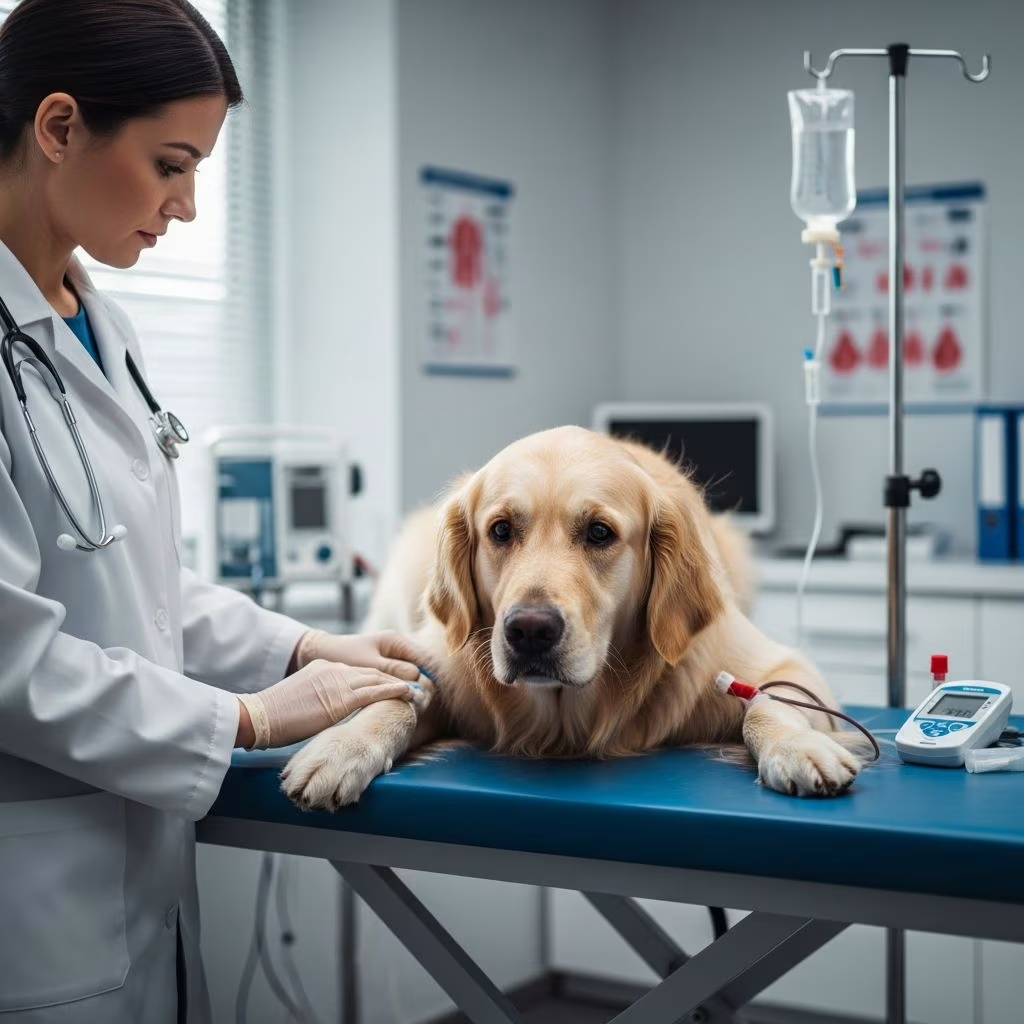
Understanding Diabetic Ketoacidosis in Dogs
Diabetic ketoacidosis (DKA) represents one of the most serious complications of diabetes mellitus in dogs and constitutes a genuine medical emergency requiring immediate veterinary intervention. This life-threatening condition develops when a dog’s body cannot properly utilize glucose, leading to a cascade of metabolic events that can result in severe illness or death if left untreated. Understanding the mechanisms behind DKA, recognizing its warning signs, and knowing when to seek emergency care are critical responsibilities for dog owners managing a diabetic pet.
When a dog’s pancreas fails to produce adequate insulin or the dog’s body develops insulin resistance, glucose accumulates in the bloodstream while remaining unavailable to cells for energy. In response to this cellular energy crisis, the body begins breaking down fat stores at an accelerated rate, producing ketones as metabolic byproducts. While some ketone production is normal, excessive ketone accumulation creates a dangerously acidic environment in the bloodstream—a condition known as acidemia. This metabolic derangement triggers a cascade of physiological complications that can rapidly progress from manageable to life-threatening.
Recognizing the Warning Signs of DKA
Early detection of diabetic ketoacidosis significantly improves treatment outcomes and may allow for less intensive outpatient management rather than requiring hospitalization. Dogs at risk for DKA typically display progressive warning signs that warrant immediate veterinary attention.
Primary Symptoms of Ketoacidosis
The most common clinical signs of diabetic ketoacidosis in dogs include:
- Excessive thirst and drinking (polydipsia)
- Increased urination (polyuria)
- Lethargy and pronounced weakness
- Vomiting and diarrhea
- Increased respiratory rate or rapid, labored breathing
- Loss of appetite or eating significantly less than normal
- Sweet-smelling breath or urine resembling ‘pear drops’
- Weight loss despite normal or increased food intake
- Depression and general malaise
Additionally, diabetic dogs may develop a characteristic pot-bellied appearance with thinning fur and increased panting. Recognizing these subtle changes in your diabetic dog’s behavior and physical condition is essential for catching DKA in its early stages when less aggressive treatment may be sufficient.
Underlying Causes and Contributing Factors
Diabetic ketoacidosis rarely develops in isolation. Understanding the precipitating factors that trigger DKA is crucial for prevention and management of diabetic dogs.
Common Triggers for DKA Development
Several conditions can precipitate the development of ketoacidosis in diabetic dogs:
- Infection, particularly urinary tract infections (UTIs) and pneumonia
- Pancreatitis or pancreatic inflammation
- Insulin dose errors or missed insulin injections
- Concurrent illness or systemic disease
- Inadequate diabetes management or poor glycemic control
- Stress-related metabolic decompensation
The Pancreatitis Connection
Pancreatitis deserves special attention as a DKA trigger and complication. Pancreatic inflammation not only contributes to the development of ketoacidosis but also significantly complicates its treatment. The inflammatory process makes blood glucose regulation substantially more difficult. Additionally, dogs suffering from concurrent pancreatitis often experience severe nausea and anorexia, which delays their return to normal eating patterns and extends the recovery period. While no magical cure exists for pancreatitis, newer medications such as Panoquell can help alleviate symptoms. Primary pancreatitis treatment focuses on supportive care, including anti-nausea medications like Cerenia and potentially a specialized low-fat diet to reduce pancreatic stress.
Emergency Treatment: What Happens at the Veterinary Hospital
Dogs presenting with severe diabetic ketoacidosis require intensive hospitalization and aggressive medical intervention. The treatment approach depends on disease severity, ranging from mild cases managed on an outpatient basis to severe presentations requiring multi-day hospitalization with continuous monitoring.
Initial Assessment and Severity Classification
Upon arrival at the veterinary clinic, your dog will undergo thorough evaluation to determine whether hospitalization is necessary. Mild cases detected early—particularly in dogs whose owners already recognized their diabetic status and caught developing ketoacidosis symptoms—may be managed with less intensive outpatient therapy. However, dogs presenting with dehydration, electrolyte abnormalities, vomiting, weakness, extremely elevated blood glucose, and large quantities of circulating ketones require aggressive hospitalization-based therapy.
Rehydration Therapy: The First Priority
The cornerstone of DKA treatment is aggressive rehydration using intravenous fluids. Most dogs with diabetic ketoacidosis present in a profoundly dehydrated state resulting from multiple contributing factors. The glucose in their urine creates an osmotic effect that pulls fluid from the body into the urinary system. Simultaneously, affected dogs typically lose interest in normal eating and drinking, may vomit or experience diarrhea, and collectively these factors create dangerous, life-threatening dehydration requiring immediate IV fluid intervention. Subcutaneous fluid therapy proves inadequate in DKA cases; intravenous administration is essential to restore circulating blood volume, maintain organ perfusion, and provide cellular hydration.
Veterinarians typically administer either isotonic saline (0.9% NaCl) or lactated Ringer’s solution intravenously. The rate and composition of fluid therapy are carefully adjusted based on the patient’s degree of dehydration, ongoing fluid losses, and blood work findings.
Insulin Administration and Blood Glucose Management
Once initial rehydration is underway, attention turns to controlling hyperglycemia and reducing ketone production through insulin therapy. Veterinarians typically use short-acting crystalline zinc insulin (regular insulin) during acute DKA management because it offers superior control over the rate of blood glucose reduction compared to longer-acting insulin formulations.
Short-acting insulin provides several advantages in the critical care setting. Its rapid onset allows veterinarians to more precisely titrate glucose reduction and avoid the complications of overly aggressive glucose lowering, which can precipitate cerebral edema. Additionally, short-acting insulin does not require food administration for optimal effectiveness, which is particularly valuable since dogs with DKA typically have poor appetites and are not eating reliably during initial hospitalization.
Insulin may be administered through intermittent intramuscular injections administered every 4 to 6 hours or via continuous intravenous infusion drips for more precise glucose control. Frequent blood glucose monitoring—often every 1 to 4 hours during acute hospitalization—allows veterinarians to adjust insulin doses appropriately and monitor the patient’s response to therapy.
Electrolyte Correction and Supplementation
Dogs with diabetic ketoacidosis frequently present with severe electrolyte abnormalities, most commonly low potassium levels (hypokalemia), but also potentially abnormal phosphorus and magnesium concentrations. These electrolyte disturbances occur through multiple mechanisms including osmotic diuresis, reduced intake, and metabolic derangements. Dangerously low potassium levels pose particular risks to cardiac function and nerve conduction, potentially causing cardiac arrhythmias or seizures.
Veterinarians supplement essential electrolytes, most commonly potassium, phosphorus, and magnesium, by adding them to intravenous fluid solutions. Electrolyte concentrations are measured frequently through repeated blood work, as these values can change rapidly during treatment. Careful monitoring ensures appropriate supplementation without overcorrection, which could create equally dangerous electrolyte abnormalities.
Acid-Base Status Monitoring and Correction
The acidosis characteristic of ketoacidosis typically improves gradually over time with appropriate fluid therapy and insulin administration. However, in some cases, the blood’s acidic state persists despite other improvements. When this occurs, veterinarians may administer sodium bicarbonate intravenously to directly counteract the acidosis and help restore the blood pH to normal range. Acid-base status is monitored closely through blood gas analysis, and bicarbonate therapy is reserved for cases where acidosis fails to resolve with standard supportive care.
Symptomatic and Supportive Care
Beyond the cornerstone therapies of fluid, insulin, and electrolyte management, hospitalized DKA patients typically require multiple additional medications addressing their symptoms and any concurrent conditions. Most dogs with canine ketoacidosis experience significant nausea and poor appetite, requiring injectable anti-nausea medications such as ondansetron or maropitant and potentially appetite stimulants to encourage eating once the acute crisis has passed.
If underlying conditions precipitated the ketoacidosis—such as a urinary tract infection, pancreatitis, or other concurrent diseases—these conditions must be identified and treated. Failing to address the underlying trigger makes it virtually impossible to regain control of the underlying diabetes and prevent ketoacidosis recurrence.
Mild Cases: Outpatient Management
Not all dogs with elevated blood glucose and ketones require hospitalization. Some dogs with mild, early-stage ketoacidosis and minimal symptoms may be managed on an outpatient basis under close veterinary supervision. In these cases, insulin therapy is initiated at home according to specific veterinary instructions, with frequent follow-up visits and blood work monitoring to ensure appropriate response to treatment. This approach is most feasible in dogs whose owners recognized their diabetic status and sought veterinary care as soon as symptoms appeared, allowing treatment to begin before severe metabolic derangement developed.
Recovery and Long-term Management
Recovery from diabetic ketoacidosis requires extended hospitalization, typically averaging six days, though duration varies based on individual case severity. Studies of dogs treated for ketoacidosis show survival rates approximately 70 percent, with discharged dogs requiring lifelong insulin therapy and frequent veterinary monitoring.
Post-Hospitalization Care
Following discharge from the hospital, maintaining strict adherence to insulin administration schedules and regular veterinary follow-up appointments is essential. Consistent glucose monitoring at home allows owners to track their dog’s response to insulin therapy and adjust doses appropriately in consultation with their veterinarian. Many dogs recover from their initial DKA episode and can achieve remission with excellent diabetes management, though they remain at risk for recurrent episodes if management lapses.
Dietary Management
Feeding a specialized diabetic prescription diet, such as Hills Prescription Diet Diabetes Care w/d formulations, supports stable blood glucose levels, helps maintain healthy body weight, and provides balanced nutrition essential for managing diabetes long-term. Consistent feeding schedules coordinated with insulin administration times optimize glucose control and reduce blood sugar fluctuations.
Home Glucose Monitoring
Learning to monitor your dog’s blood glucose levels at home provides valuable information about insulin effectiveness and identifies potential problems before they develop into crisis situations. Simple glucose monitoring kits are readily available, and veterinary staff can provide thorough instruction on proper collection and measurement techniques. Regular home monitoring enables early detection of developing ketoacidosis symptoms and allows for timely veterinary intervention before emergency hospitalization becomes necessary.
Prevention Strategies
Preventing diabetic ketoacidosis depends primarily on consistent diabetes management and awareness of potential triggers. Key prevention strategies include:
- Never miss or delay insulin injections—consistency is absolutely critical
- Watch for early warning signs of ketoacidosis and contact your veterinarian immediately if noticed
- Maintain regular veterinary check-ups to monitor glucose control and diabetes management
- Feed a consistent, diabetic prescription diet on a regular schedule
- Monitor for signs of infection or other concurrent illness that might trigger DKA
- Learn to perform home blood glucose monitoring for better awareness of your dog’s glucose trends
Frequently Asked Questions About Diabetic Ketoacidosis in Dogs
Q: Can diabetic ketoacidosis be prevented?
A: While DKA cannot always be prevented entirely, the risk is substantially reduced through consistent insulin administration, regular veterinary monitoring, prompt treatment of concurrent illnesses, and careful observation for early warning signs. Early detection of DKA symptoms allows for prompt treatment before severe metabolic derangement occurs.
Q: What is the survival rate for dogs with diabetic ketoacidosis?
A: Studies indicate approximately 70 percent of dogs treated for ketoacidosis survive and are discharged from the hospital. Survival rates are substantially higher when DKA is caught early and treatment is initiated promptly. Dogs with mild, early-stage disease have better outcomes than those presenting in severe crisis.
Q: How long does recovery from DKA typically take?
A: Most dogs require an average hospitalization of approximately six days for acute DKA management. However, recovery duration varies significantly based on disease severity, presence of concurrent conditions, and individual response to treatment. Following discharge, dogs require lifelong insulin therapy and regular veterinary monitoring.
Q: Can my diabetic dog have DKA without obvious symptoms?
A: Early-stage ketoacidosis may present with subtle symptoms that are easy to overlook, such as slightly increased thirst or mild lethargy. This underscores the importance of regular monitoring and veterinary check-ups for diabetic dogs. Any changes in your dog’s behavior or symptoms should be reported to your veterinarian promptly.
Q: What should I do if I suspect my dog has diabetic ketoacidosis?
A: Contact your veterinarian or emergency veterinary clinic immediately. Describe your dog’s symptoms clearly and mention that your dog is diabetic and may have developed ketoacidosis. Time is critical in DKA cases, and early treatment significantly improves outcomes. If your regular veterinarian is unavailable, seek care at an emergency veterinary facility.
Q: Can diabetic ketoacidosis recur after successful treatment?
A: Yes, DKA can recur if diabetes management becomes inconsistent or if new precipitating factors develop. This emphasizes the importance of maintaining strict insulin schedules, monitoring for signs of infection or other illness, and regular veterinary follow-up care following the initial DKA episode.
References
- Diabetic Ketoacidosis in Dogs: A Vet’s Guide to DKA in Dogs — Toe Grips. 2024. https://toegrips.com/diabetic-ketoacidosis-in-dogs/
- Diabetic Ketoacidosis in Dogs — JOII Pet Care. 2024. https://www.joiipetcare.com/blogs/health-conditions/diabetic-ketoacidosis-in-dogs
- Diabetic Ketoacidosis in Dogs — PetMD. 2024. https://www.petmd.com/dog/conditions/endocrine/c_dg_diabetes_with_ketoacidosis
- Diabetes Mellitus in Dogs and Cats – Endocrine System — MSD Veterinary Manual. 2024. https://www.msdvetmanual.com/endocrine-system/the-pancreas/diabetes-mellitus-in-dogs-and-cats
- Diabetic Ketoacidosis: Causes, Recognition, and Treatment — Today’s Veterinary Nurse. 2024. https://todaysveterinarynurse.com/internal-medicine/diabetic-ketoacidosis-in-small-animals/
- Diabetic Ketoacidosis in Dogs: An Urgent Care Guide — Golden State Veterinary Specialists. 2024. https://gsvs.org/blog/diabetic-ketoacidosis-dogs-urgent-care/
- The Veterinary Nurse’s Guide to Diabetic Ketoacidosis — Veterinary Internal Medicine Nursing. 2024. https://www.veterinaryinternalmedicinenursing.com/blog/dka



