

Understanding Diabetic Ketoacidosis in Cats
Diabetic ketoacidosis (DKA) in cats is a serious, life-threatening emergency that develops when a cat’s body cannot properly regulate blood glucose levels and begins breaking down fat for energy at a dangerous rate. This metabolic crisis occurs when cats have insufficient insulin or their bodies have become resistant to insulin, forcing cells to metabolize fats rapidly and produce harmful ketones that accumulate in the bloodstream. When ketone levels become excessive, they create a dangerous acidic state in the blood that can quickly become fatal without immediate veterinary intervention. Understanding the causes, recognizing the symptoms, and knowing how to respond are critical for any cat owner, especially those with diabetic cats.
What Causes Diabetic Ketoacidosis in Cats?
Diabetic ketoacidosis typically develops in cats that already have diabetes mellitus, though it can occur in newly diagnosed diabetic cats as well. The condition emerges when several factors combine to create a metabolic emergency. Underlying infections, such as urinary tract infections or dental disease, are common triggers that increase the body’s demand for insulin and counter-regulatory hormones. Pancreatitis, another serious condition, frequently accompanies or triggers DKA in cats. Other potential triggers include stress from environmental changes, new pets in the household, hospitalization, or sudden disruptions to routine. Inadequate insulin dosing, missed insulin injections, or improper insulin administration can also precipitate DKA episodes.
Recognizing the Symptoms of Diabetic Ketoacidosis
Early recognition of DKA symptoms is crucial for survival, as the condition can deteriorate rapidly. Pet owners should be especially vigilant if they have a known diabetic cat and observe any acute changes in behavior or health.
Primary Warning Signs
The most common symptoms of diabetic ketoacidosis in cats include acute vomiting and anorexia (loss of appetite), which often appear suddenly. Affected cats typically display severe lethargy, depression, and weakness, often appearing unresponsive or unusually quiet. Many owners notice increased thirst and increased urination, though this may be difficult to detect in cats with outdoor access. Rapid or labored breathing can occur as the body attempts to compensate for metabolic acidosis, and this may progress to slow, deep breathing patterns.
Additional Clinical Signs
Beyond the primary symptoms, cats with DKA often exhibit weight loss, dehydration visible through skin tenting, and an unkempt coat due to lack of grooming behavior. A distinctive sweet or fruity smell to the cat’s breath, similar to nail polish remover, indicates ketone production and is a hallmark sign of DKA. Some cats may display behavioral changes, confusion, or disorientation. Any combination of these symptoms in a diabetic cat warrants immediate emergency veterinary evaluation.
When to Seek Emergency Veterinary Care
If your cat displays any of the symptoms mentioned above, particularly if your cat is a known diabetic, contact your veterinarian or emergency clinic immediately. DKA is not a condition that can be managed at home—it requires intensive hospitalization and round-the-clock professional monitoring. Delaying treatment can result in death within hours. The window for successful intervention is narrow, making rapid response essential for the best possible outcome.
Diagnostic Process for Diabetic Ketoacidosis
Veterinarians diagnose DKA through a combination of clinical findings and laboratory testing. The diagnosis requires detecting hyperglycemia (elevated blood glucose), glucosuria (glucose in the urine), ketonemia or ketonuria (ketones in the blood or urine), and metabolic acidosis. Blood tests will reveal markedly elevated glucose levels, often exceeding 400 mg/dL. Chemistry panels assess electrolyte levels, kidney function, and liver function. Blood gas analysis determines the severity of acidosis. Urinalysis confirms the presence of glucose and ketones. Additional testing may include abdominal ultrasound to evaluate for pancreatitis or other underlying conditions, and blood cultures if infection is suspected.
Hospital Treatment Protocols for Diabetic Ketoacidosis
Intravenous Fluid Therapy
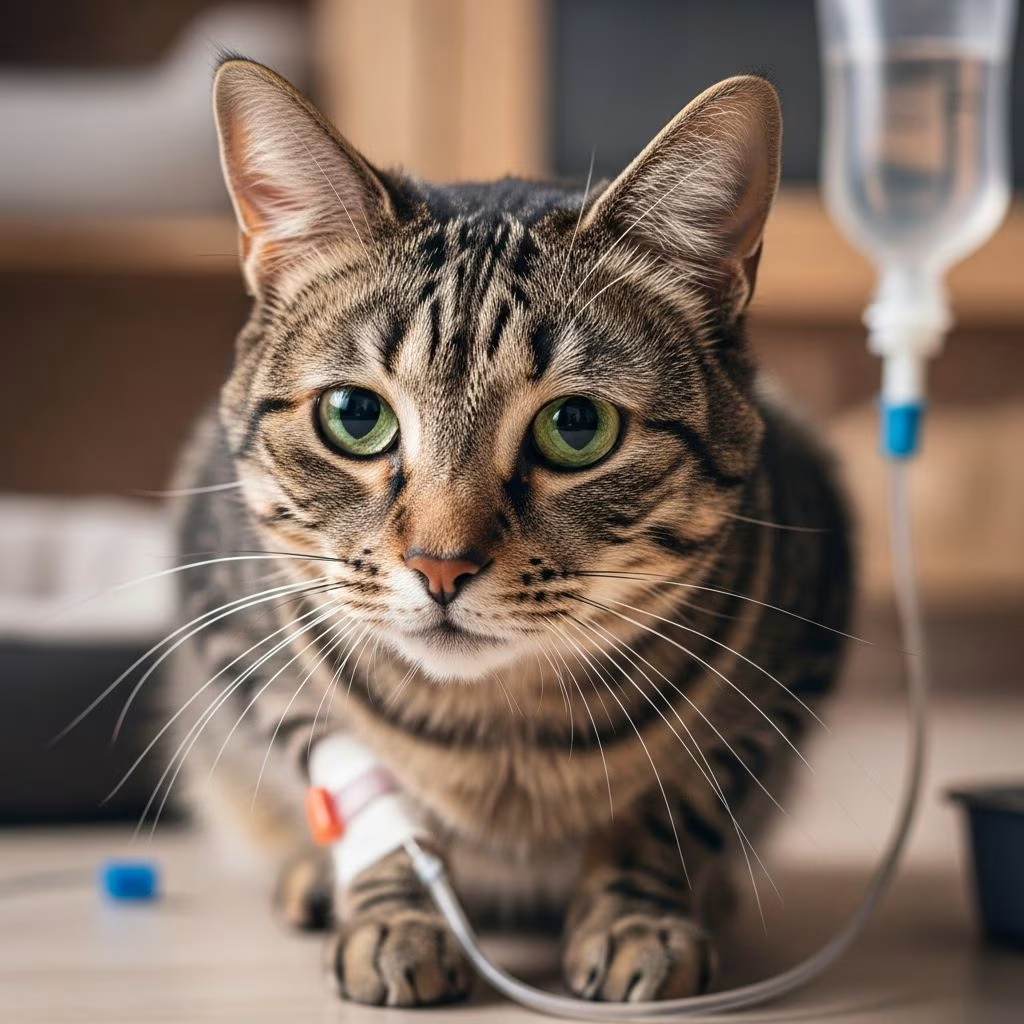
Fluid therapy is the cornerstone of DKA treatment and is initiated immediately upon diagnosis. Cats with DKA are severely dehydrated from excessive urination, vomiting, and their body’s desperate attempt to flush excess glucose and ketones. Veterinarians administer carefully selected isotonic intravenous solutions that restore electrolyte balance while rehydrating the cat’s tissues and organs. An IV catheter provides continuous fluid delivery, ensuring adequate rehydration and preparation of the body for subsequent insulin therapy. The volume and rate of fluid administration are customized based on the cat’s specific needs, clinical condition, and response to treatment.
Insulin Administration
Insulin therapy is absolutely essential and addresses the fundamental problem underlying DKA. The initial goal is not to normalize blood glucose immediately, which could be dangerous, but rather to gradually reduce glucose levels while stopping ketone production. Veterinarians typically start with short-acting insulin given intravenously or intramuscularly at lower doses than typical maintenance therapy, gradually adjusting based on frequent blood glucose checks. As the cat improves and can eat normally, the veterinary team transitions to longer-acting insulin formulations, such as glargine or PZI (protamine zinc insulin), that the owner will continue administering at home. This transition period requires careful monitoring to determine the appropriate insulin type and dose for each cat’s individual needs.
Electrolyte Management and Correction
Electrolyte management is a crucial component of DKA treatment, as the condition severely disrupts the body’s electrolyte balance. Potassium presents a particularly complex challenge—despite total body potassium depletion, initial blood tests may show normal or even elevated levels. However, once insulin therapy begins, potassium rapidly moves back into cells, potentially causing dangerous drops that could affect heart rhythm and muscle function. Veterinarians carefully monitor potassium levels and provide supplementation as needed through IV solutions. Similarly, phosphorus, sodium, and other electrolytes are monitored and corrected throughout the hospitalization period. Sodium bicarbonate may be administered if blood pH indicates severe acidosis.
Frequent Monitoring and Laboratory Testing
Throughout hospitalization, blood glucose levels, electrolyte concentrations, and acid-base balance are measured frequently to guide treatment adjustments. Most cats require blood tests every 4-6 hours initially, with frequency decreasing as the cat stabilizes. This intensive monitoring allows veterinarians to customize treatment protocols and make real-time adjustments. Urine output is carefully measured and monitored. Vital signs including temperature, heart rate, respiratory rate, and blood pressure are continuously assessed.
Supporting Care During Hospitalization
Management of Nausea and Vomiting
Many cats with DKA suffer from severe nausea and vomiting, which must be controlled to allow the cat to recover and eventually eat. Anti-nausea medications are administered to reduce vomiting and improve appetite. As the cat’s condition improves and blood glucose stabilizes, appetite typically returns gradually.
Pain Management and Comfort
Cats hospitalized with DKA may experience pain from underlying conditions like pancreatitis or dental disease. Appropriate pain management ensures comfort and supports the healing process. Supportive care also includes maintaining body temperature and providing a quiet, stress-free environment.
Treatment of Underlying Conditions
Addressing concurrent illnesses is absolutely critical for successful DKA treatment and long-term diabetes management. If infection is present, antibiotics are administered. If pancreatitis triggered the DKA episode, anti-inflammatory medications and dietary modifications are implemented. Dental disease may require dental procedures. Treating these underlying conditions dramatically improves the cat’s chances of long-term diabetes control and potentially even diabetic remission.
Hospitalization Duration and Recovery Timeline
Initial hospital treatment typically requires 3-7 days for stabilization, though some cats may need longer hospitalization depending on the severity of their condition and underlying complications. During this period, the cat remains on IV fluids, insulin, and supportive medications while receiving continuous monitoring. Once the cat is eating well, blood glucose levels are stable, electrolytes are normal, and overall condition has improved, discharge can occur at the veterinarian’s discretion. Full recovery may take several weeks as the underlying diabetes is regulated and any concurrent conditions are addressed.
Nutritional Support During Recovery
Nutritional support is an essential aspect of treating DKA, as proper nutrition helps stabilize the cat’s metabolism, support organ function, and assist in the recovery process. Nutrition is critical during both the hospitalization phase and after discharge to ensure the cat’s body receives the energy and nutrients necessary to heal and regulate blood sugar levels effectively. As the cat’s appetite returns during hospitalization, easily digestible foods are introduced gradually. Many veterinarians recommend transitioning diabetic cats to low-carbohydrate diets, which help maintain proper glucose levels and may even lead to diabetic remission.
Long-Term Management After Discharge
Home Insulin Administration
After discharge, most cats require twice-daily insulin injections to manage their diabetes long-term. Pet owners must be prepared to administer insulin regularly and maintain close communication with their veterinarian. Insulin injection techniques should be thoroughly reviewed before discharge, and owners should practice with the veterinary team until comfortable.
Blood Glucose Monitoring at Home
Regular home blood glucose monitoring is vital for long-term diabetes management and preventing DKA recurrence. Portable blood glucose meters designed specifically for cats allow owners to track their cat’s glucose levels and identify trends. Some cats may benefit from continuous glucose monitoring systems for selected periods. Urine glucose testing can serve as a backup method. Learning proper home monitoring techniques gives cat owners confidence and peace of mind while helping them spot early warning signs of problems.
Veterinary Follow-Up and Management Adjustments
Frequent veterinary visits are necessary prior to committing to long-term DKA treatment, as insulin doses often require adjustment during the weeks following hospitalization. Regular blood work monitors glucose control and overall health. Some diabetic cats, particularly those diagnosed early and maintained on appropriate insulin and diet, may experience diabetic remission, allowing insulin therapy to be discontinued.
Frequently Asked Questions About Feline Diabetic Ketoacidosis
Q: Can DKA in cats be treated at home?
A: No, DKA absolutely requires immediate hospitalization and intensive care with IV fluids, insulin, and continuous monitoring. Attempting home treatment puts your cat at high risk of death. This is a medical emergency requiring professional veterinary intervention.
Q: How long does it take for a cat to recover from DKA?
A: Initial hospital treatment typically requires 3-7 days for stabilization. Full recovery may take several weeks as the underlying diabetes is regulated and any concurrent conditions are addressed. Every cat’s recovery timeline is individual and depends on the severity of DKA and underlying health conditions.
Q: Can a cat fully recover from diabetic ketoacidosis?
A: Yes, cats can recover from DKA and return to successful diabetic management. With prompt recognition, appropriate treatment, hospitalization, IV fluids, careful insulin administration, and addressing any underlying triggers, many cats can recover and go on to lead healthy lives with managed diabetes.
Q: What is the survival rate for cats with DKA?
A: Survival rates vary depending on early detection, treatment initiation speed, and the presence of underlying conditions. Cats receiving prompt, aggressive treatment have significantly better survival rates than those with delayed care. The prognosis improves substantially with immediate veterinary intervention.
Q: What triggers diabetic ketoacidosis in cats?
A: Common triggers include underlying infections (urinary tract infections, dental disease), pancreatitis, stress, inadequate insulin dosing, missed insulin injections, and environmental disruptions. Identifying and addressing these triggers is essential for preventing future DKA episodes.
Q: How can I prevent DKA in my diabetic cat?
A: Prevention involves consistent twice-daily insulin administration, regular home glucose monitoring, maintaining a low-carbohydrate diet, addressing underlying infections or illnesses promptly, minimizing stress, and keeping regular veterinary appointments for follow-up care and adjustments.
Q: What diet is best for a cat recovering from DKA?
A: Low-carbohydrate diets help diabetic cats maintain proper glucose levels and may lead to diabetic remission. Your veterinarian can recommend specific commercial or prescription diets tailored to your cat’s individual needs.
Conclusion
Diabetic ketoacidosis in cats represents one of the most serious complications of feline diabetes, but with prompt recognition and appropriate treatment, many cats can make a full recovery. The comprehensive approach to managing DKA—including fluid therapy, insulin administration, electrolyte management, glucose monitoring, nutritional support, addressing underlying conditions, and establishing long-term management protocols—works together to provide the best possible chance for survival and return to quality of life. Pet owners should remain vigilant for warning signs, respond immediately to any symptoms, and commit to the intensive long-term management required for diabetic cats. Regular communication with your veterinarian and dedication to consistent care significantly improve outcomes and may even allow some cats to achieve diabetic remission.
References
- Diabetic Ketoacidosis in Cats: 7 Vital Treatment Options — The Pet Vet. 2024. https://thepetvet.com/diabetic-ketoacidosis-in-cats/
- Diabetic Ketoacidosis in the Cat: Recognition and Essential Treatment — Rudloff E, PubMed Central. 2017. https://pmc.ncbi.nlm.nih.gov/articles/PMC10816619/
- What is Diabetic Ketoacidosis (DKA) in Cats? — PetMD. 2024. https://www.petmd.com/cat/conditions/endocrine/c_ct_diabetes_with_ketoacidosis
- Diabetic Ketoacidosis in Cats — VCA Animal Hospitals. 2024. https://vcahospitals.com/know-your-pet/diabetic-ketoacidosis-in-cats
- Diabetic Ketoacidosis in Dogs and Cats: What You Need to Know — Vetster. 2024. https://vetster.com/en/wellness/diabetic-ketoacidosis-in-dogs-and-cats-what-you-need-to-know
- Feline Diabetes — Cornell Feline Health Center, Cornell University College of Veterinary Medicine. 2024. https://www.vet.cornell.edu/departments-centers-and-institutes/cornell-feline-health-center/health-information/feline-health-topics/feline-diabetes



