

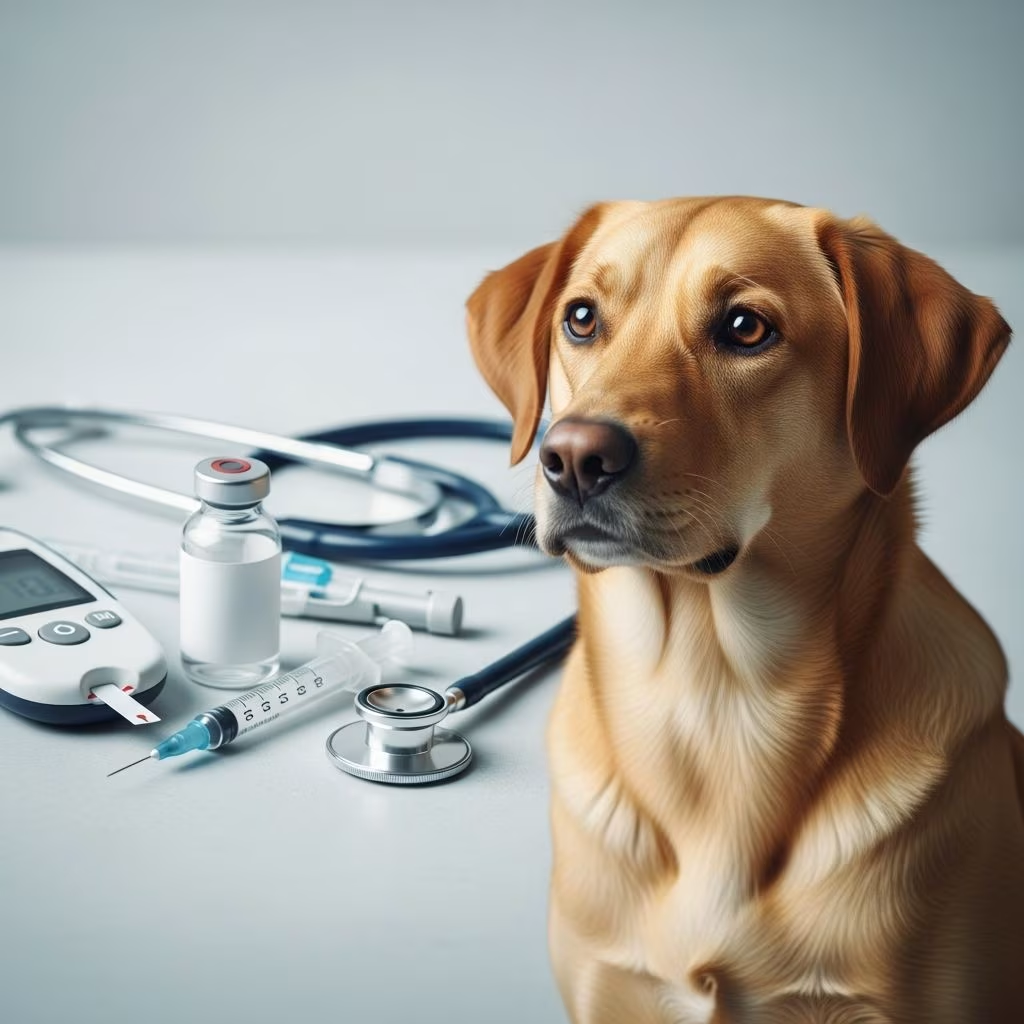
Understanding Diabetic Ketoacidosis in Dogs
Diabetic ketoacidosis (DKA) is a serious and life-threatening complication of diabetes mellitus in dogs that requires immediate veterinary attention. This condition develops when the body cannot properly regulate blood glucose levels, leading to a dangerous buildup of ketones and acid in the bloodstream. DKA represents one of the most severe complications of canine diabetes and demands prompt recognition and aggressive treatment to save your dog’s life.
When a dog’s pancreas fails to produce adequate insulin or the body becomes resistant to insulin, cells cannot access glucose for energy. The body then breaks down fat stores at an accelerated rate to compensate, producing ketones as a metabolic byproduct. These ketones accumulate to toxic levels, creating a state of metabolic acidosis that can rapidly deteriorate without intervention.
Signs and Symptoms of Diabetic Ketoacidosis
Recognizing the warning signs of DKA is crucial for early intervention. Dogs with this condition may display a combination of symptoms that progress from subtle to severe.
Early Warning Signs
In the initial stages of diabetic ketoacidosis, owners may notice:
– Excessive thirst and increased water consumption beyond the dog’s normal diabetic baseline- Increased urination frequency- Lethargy and general weakness- Decreased appetite or complete loss of interest in food- Mild vomiting or occasional diarrhea- Weight loss despite normal or increased food intake- Reduced energy levels and decreased activity
Severe and Emergency Signs
As DKA progresses, symptoms become more alarming and require immediate emergency care:
– Persistent vomiting and diarrhea- Extreme weakness and difficulty standing or walking- Rapid, labored breathing (attempting to compensate for acid buildup)- Sweet-smelling breath, often described as resembling overripe fruit or acetone- Severe dehydration evidenced by dry gums and sunken eyes- Confusion, disorientation, or altered mental status- Collapse or inability to move- Panting- Increased respiratory rate- General depression and lack of responsiveness
Understanding the Underlying Causes
Diabetic ketoacidosis typically develops in dogs already diagnosed with diabetes mellitus, but several factors can trigger the condition or increase risk:
Uncontrolled Diabetes: Dogs with poorly managed blood glucose levels are at highest risk for developing DKA. Inconsistent insulin administration or incorrect dosing can lead to rapid deterioration.
Concurrent Medical Conditions: Infections such as urinary tract infections, pancreatitis, and other inflammatory conditions significantly increase DKA risk. Pancreatitis is particularly problematic because it complicates blood glucose control and extends recovery time. The inflammation from the pancreas makes blood glucose more difficult to manage, and the associated illness can delay the dog’s return to normal eating patterns and blood sugar regulation.
Medication Non-Compliance: Missing insulin injections or administering incorrect doses is a leading cause of DKA development in known diabetic dogs.
Stress and Illness: Acute illnesses, injuries, and stressful events can trigger metabolic crises in susceptible dogs.
Diagnostic Evaluation
When you bring your dog to the veterinary clinic with suspected DKA, the veterinarian will perform a comprehensive assessment. This typically includes:
– Physical examination to evaluate overall condition and severity- Blood work to measure glucose levels, electrolyte concentrations, and acid-base status- Urinalysis to detect glucose and ketones in the urine- Assessment of blood pH and ketone levels- Evaluation of kidney function and other organ systems- Investigation for underlying conditions that may have triggered the crisis
The severity of findings will determine whether outpatient or hospitalized treatment is appropriate. Early-stage mild cases may sometimes be managed with intensive outpatient monitoring, while severe cases require immediate hospitalization.
Treatment Approaches for Diabetic Ketoacidosis
Mild Cases
When caught early, before the dog becomes severely ill, some cases of diabetic ketoacidosis may be managed on an outpatient basis. This requires vigilant monitoring and strict adherence to veterinary instructions. The owner must carefully administer prescribed insulin therapy at home and watch closely for any worsening symptoms. Regular veterinary check-ups and blood work monitoring are essential. However, this approach requires a knowledgeable owner and a cooperative dog, and hospitalization should be readily available if the dog’s condition deteriorates.
Severe Cases and Hospitalization
Most dogs presenting with moderate to severe DKA require hospitalization for several days, with an average hospital stay of approximately six days. Treatment focuses on four primary goals:
Goal 1: Treating Dehydration
The first priority in DKA treatment is addressing severe dehydration. Most dogs with diabetic ketoacidosis are profoundly dehydrated due to multiple factors: glucose in the urine pulls fluid from the body, the dog typically refuses to eat and drink normally, and vomiting or diarrhea may be present. These combined factors rapidly lead to life-threatening fluid loss.
The primary treatment involves intravenous (IV) fluid therapy to restore hydration and ensure adequate circulation to vital organs. Subcutaneous fluids are insufficient for the severity of dehydration present in DKA cases. Veterinarians typically use isotonic crystalloid solutions such as 0.9% saline or lactated Ringer’s solution. Fluid rates and composition are carefully calculated based on the degree of dehydration and the individual dog’s needs.
Goal 2: Controlling Blood Glucose
Once the dog is adequately rehydrated, attention turns to normalizing blood glucose levels. Short-acting regular insulin is preferred in the hospital setting because it allows veterinarians precise control over the rate of glucose reduction. Short-acting insulin does not require administration with food, which is beneficial since hospitalized dogs with DKA typically refuse to eat initially.
Insulin therapy may be administered through intermittent intramuscular injections given every four to six hours, or as a continuous intravenous infusion drip for more controlled glucose management. The continuous drip approach often allows for more gradual, controlled lowering of blood glucose, which reduces the risk of complications such as cerebral edema.
Blood glucose levels are monitored frequently during hospitalization—often every two to four hours initially—to ensure appropriate response to therapy and avoid complications from rapid glucose changes.
Goal 3: Restoring Acid-Base Balance
The ketosis and associated acidosis typically improve naturally with appropriate fluid therapy and insulin administration over time. However, the acid-base status is monitored closely throughout hospitalization because correction may take several days.
In cases where the acidosis does not resolve adequately with fluid and insulin therapy alone, the veterinarian may administer sodium bicarbonate intravenously to directly counteract the acidosis and bring blood pH back toward normal range. This medication helps restore the proper acid-base balance necessary for normal physiological function.
Goal 4: Electrolyte Correction and Maintenance
Dogs with DKA typically have severe electrolyte abnormalities, particularly low potassium levels. Potassium is critical for proper heart rhythm and nerve function, making replacement essential. Phosphorus and magnesium levels may also be abnormal. These electrolytes must be carefully supplemented through intravenous fluids.
Electrolyte levels are monitored through frequent blood work throughout hospitalization, as electrolyte concentrations can change rapidly during treatment. Supplementation is carefully adjusted based on ongoing laboratory results to maintain normal ranges and prevent complications.
Supportive and Symptomatic Care
Beyond the four primary treatment goals, veterinarians provide additional supportive care to address the dog’s immediate symptoms and any underlying conditions:
Anti-Nausea Medications: Most hospitalized dogs with DKA experience nausea and poor appetite. Injectable anti-nausea medications such as maropitant help alleviate these symptoms, gradually allowing the dog to resume eating and drinking.
Appetite Stimulants: Medications designed to stimulate appetite may be administered to encourage the dog to eat during recovery.
Treatment of Concurrent Diseases: Any underlying conditions that contributed to the DKA crisis must be addressed. Urinary tract infections require antibiotics, pancreatitis requires supportive care and potentially medications like Panoquell to alleviate symptoms, and other infections or illnesses must be treated. If the underlying trigger is not addressed, it becomes impossible to properly control the diabetes.
Infection Prevention: Since the dog’s immune system is compromised during DKA, antibiotics may be administered prophylactically or therapeutically to prevent or treat infections.
Anti-Seizure Medication: If the dog experiences seizures as a complication of the severe metabolic derangement, appropriate anti-seizure medications will be administered.
Recovery and Long-Term Management
Recovery from diabetic ketoacidosis is a process that extends well beyond hospitalization. After discharge, your dog requires:
Lifelong Insulin Therapy: Dogs recovered from DKA require permanent insulin administration, typically through twice-daily injections. The insulin dose must be carefully regulated and may need periodic adjustment.
Regular Veterinary Monitoring: Frequent veterinary visits after discharge are essential to monitor blood glucose levels, assess the dog’s response to therapy, and make any necessary adjustments. Blood work should be performed regularly to ensure proper glucose control and check organ function.
Dietary Management: A carefully controlled diet appropriate for diabetic dogs helps maintain stable blood glucose levels. Your veterinarian will recommend specific dietary choices.
Careful Observation: Owners must remain vigilant for any signs of recurrent DKA or complications and report concerns immediately to their veterinarian.
According to clinical data, approximately 70 percent of dogs treated for ketoacidosis survive and are discharged from the hospital. This survival rate emphasizes both the seriousness of the condition and the effectiveness of aggressive treatment. Average hospitalization lasts six days, though some dogs may require longer depending on severity and response to therapy.
Prevention Strategies
For dogs with known diabetes mellitus, preventing DKA is crucial:
– Administer insulin injections consistently at the same times each day without missing doses- Monitor blood glucose levels as directed by your veterinarian- Watch for early warning signs of DKA and report them immediately- Maintain regular veterinary check-ups and blood work monitoring- Address any concurrent medical conditions promptly- Keep the dog at a healthy weight through appropriate diet and exercise- Minimize stress when possible- Maintain open communication with your veterinarian about your dog’s condition
Frequently Asked Questions
Q: How quickly does diabetic ketoacidosis develop in dogs?
A: DKA can develop rapidly, sometimes over just 24-48 hours. This is why recognizing early signs and seeking veterinary care immediately is so critical. Early intervention when symptoms first appear significantly improves treatment outcomes.
Q: Can a dog survive diabetic ketoacidosis?
A: Yes, with prompt and aggressive veterinary treatment, approximately 70 percent of dogs with DKA survive. However, this condition is life-threatening and requires immediate emergency care. Survival depends on early recognition, rapid treatment, and the severity of the condition when first presented.
Q: How long do dogs stay in the hospital with DKA?
A: The average hospitalization for canine DKA is approximately six days. However, individual cases vary depending on severity, response to treatment, and any complications that develop. Some dogs may require longer stays for complete stabilization.
Q: Is DKA preventable in diabetic dogs?
A: While DKA cannot be completely eliminated as a risk, it can be largely prevented through consistent, proper insulin administration, regular veterinary monitoring, prompt treatment of infections or other illnesses, and careful observation for early warning signs.
Q: What is the cost of treating DKA in dogs?
A: DKA treatment typically involves several days of hospitalization with intensive monitoring, intravenous fluids, insulin therapy, and frequent laboratory testing. Costs vary widely depending on geographic location and individual veterinary facility pricing, but hospitalization for DKA can cost several thousand dollars. Pet insurance or emergency care funds should be considered for dogs with diabetes.
Q: Will my dog need insulin for life after DKA?
A: Yes, dogs that develop DKA require lifelong insulin therapy. Even if the acute crisis is resolved, the underlying diabetes mellitus remains, and insulin administration becomes a permanent part of the dog’s management plan.
References
- Diabetic Ketoacidosis in Dogs — VCA Animal Hospitals. 2024. https://vcahospitals.com/know-your-pet/diabetic-ketoacidosis-in-dogs
- Diabetes Mellitus in Dogs and Cats – Endocrine System — Merck Veterinary Manual. 2024. https://www.msdvetmanual.com/endocrine-system/the-pancreas/diabetes-mellitus-in-dogs-and-cats
- Diabetic Ketoacidosis: Causes, Recognition, and Treatment — Today’s Veterinary Nurse. 2023. https://todaysveterinarynurse.com/internal-medicine/diabetic-ketoacidosis-in-small-animals/
- Treatment of Diabetic Ketoacidosis in Dogs — PetMD. 2024. https://www.petmd.com/dog/conditions/endocrine/c_dg_diabetes_with_ketoacidosis
- Diabetic Ketoacidosis in Dogs: A Vet’s Guide to DKA in Dogs — ToGrips. 2024. https://toegrips.com/diabetic-ketoacidosis-in-dogs/
- Diabetic Ketoacidosis in Dogs: An Urgent Care Guide — Georgetown South Veterinary Services. 2024. https://gsvs.org/blog/diabetic-ketoacidosis-dogs-urgent-care/



