

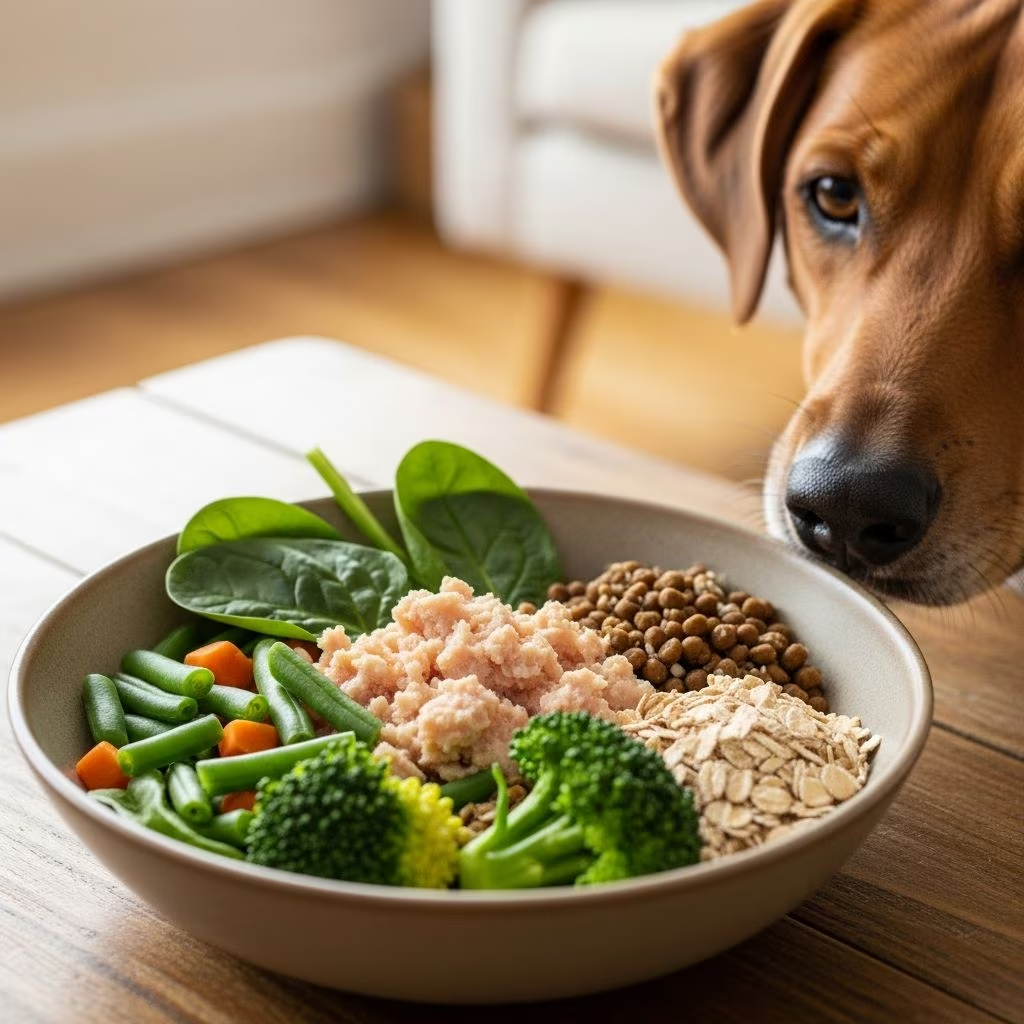
Canine diabetes is a serious condition affecting millions of dogs worldwide, but proper nutrition plays a crucial role in managing the disease and improving your dog’s quality of life. Just like humans with diabetes, dogs require carefully planned diets that help stabilize blood sugar levels and support overall health. The right food can dramatically improve insulin sensitivity, reduce medication requirements, and even lead to diabetes remission in some cases.
When your dog receives a diabetes diagnosis, one of the most powerful tools at your disposal is diet management. Unlike medications that treat symptoms, the right nutritional approach addresses the root cause of blood sugar instability. This comprehensive guide explores everything you need to know about feeding a diabetic dog, from understanding essential nutrients to implementing practical feeding strategies.
Understanding Diabetes in Dogs
Canine diabetes occurs when a dog’s body cannot properly regulate blood glucose levels. Type 1 diabetes, the most common form in dogs, develops when the pancreas fails to produce sufficient insulin. Type 2 diabetes occurs when the body becomes insulin-resistant, meaning cells don’t respond effectively to available insulin.
Weight management, proper nutrition, and consistent feeding schedules form the foundation of diabetes management. Many overweight dogs experience significant health improvements when they lose weight through dietary changes, sometimes achieving complete diabetes remission without insulin injections.
What Makes a Good Food for Diabetic Dogs
Not all commercial dog foods work well for diabetic dogs. The best diets share specific characteristics that support blood sugar stability and overall health. Understanding these features helps you identify appropriate options whether you choose commercial, prescription, or homemade diets.
High-Quality Protein Content
Diabetic dogs benefit from moderate to high protein intake, typically comprising 15-30% of their diet. Quality matters more than quantity—choose easily digestible proteins like chicken, turkey, fish, or lean beef. Real meat listed as the first ingredient provides superior nutrition compared to meat by-products or plant-based protein sources alone.
Protein helps keep your dog feeling full without causing rapid blood sugar spikes. It also supports muscle maintenance, which becomes increasingly important for aging diabetic dogs. Plant-based proteins from legumes can supplement animal proteins while adding beneficial fiber, creating a balanced nutritional profile.
Moderate Fat Levels
While dogs need some dietary fat, excessive fat increases pancreatitis risk—a serious concern for diabetic dogs. Veterinarians typically recommend foods with controlled, moderate fat levels. Look for foods with balanced fat content that provides essential fatty acids without promoting weight gain or inflammatory conditions.
High Fiber Content
Fiber is one of the most important components of diabetic dog diets. Soluble fiber slows glucose absorption, preventing rapid blood sugar elevation after meals. Insoluble fiber promotes digestive health and helps your dog feel satisfied between meals, supporting weight management—a critical factor in diabetes control.
For overweight dogs, a diet with 10-20% fiber on a dry basis works well. Dogs at healthy weight or slightly underweight benefit from 5-15% fiber on a dry basis. The fiber balance varies by individual dog, requiring careful monitoring and adjustment based on your dog’s response.
Complex Carbohydrates
Select carbohydrates with low glycemic indexes that release glucose gradually. Excellent options include oatmeal, brown rice, quinoa, and barley. These grains provide essential energy while minimizing blood sugar fluctuations. Portion control remains critical even with appropriate carbohydrate choices—work with your veterinarian to determine the ideal carbohydrate percentage for your dog’s specific needs.
Controlled Portions
Even the best diet won’t work if portions are too large. Meal timing and consistency are just as important as nutrient balance. Most diabetic dogs do best with meals 10-12 hours apart, which helps coordinate with insulin injections. Consistent portion sizes at regular feeding times help stabilize blood glucose levels throughout the day.
Top Vet-Recommended Food Options
Prescription Diabetic Formulas
Several prescription diets specifically address diabetic dogs’ nutritional needs. Brands like Hill’s Prescription Diet w/d, Hill’s Prescription Diet m/d, Royal Canin Diabetic, Royal Canin Glycobalance, and Purina Pro Plan Veterinary Diets offer formulations designed by veterinary nutritionists. These formulas feature controlled carbohydrate levels, increased fiber content, and optimized protein ratios.
Popular options include specialized formulas with barley and sorghum as primary carbohydrate sources. These therapeutic diets undergo extensive testing to ensure consistent glucose response. While more expensive than standard foods, they offer peace of mind through proven formulations designed specifically for diabetic dogs. Prescription diets provide clinically tested solutions with balanced nutrients for overall health and easy portion control.
High-Quality Low-Glycemic Commercial Foods
Not all diabetic dogs require prescription diets. Many high-quality commercial foods naturally support blood sugar stability through thoughtful ingredient selection. Look for formulas listing meat as the first ingredient, followed by complex carbohydrates like sweet potatoes or lentils. Avoid foods with corn syrup, sugar, or simple carbohydrates listed prominently, as these ingredients cause rapid glucose spikes that complicate diabetes management.
Fresh or Gently Cooked Dog Food
Some pet owners prefer lightly cooked or fresh dog foods for better ingredient control and digestibility. These options provide whole-food ingredients without excessive processing. Fresh diets often contain real meat, whole grains, and fresh vegetables, supporting blood sugar stability while providing superior nutritional quality compared to heavily processed kibble.
Essential Ingredients for Diabetic Dogs
Lean Meat Proteins
Chicken breast, turkey, white fish, and lean beef offer excellent protein without excessive fat. These meats are easily digestible and provide complete amino acid profiles necessary for muscle maintenance and immune function.
Complex Carbohydrate Sources
Quinoa, barley, whole oats, and brown rice provide sustained energy release without sharp blood sugar spikes. These ingredients offer B vitamins and minerals while maintaining stable glucose levels throughout the day.
Healthy Vegetables
Green beans, broccoli, spinach, cauliflower, and Brussels sprouts provide excellent nutrition without significantly impacting blood sugar. These vegetables offer fiber, vitamins, and minerals while being naturally low in calories and carbohydrates. They make excellent meal components and low-calorie treats.
Beneficial Fiber Sources
Pumpkin, sweet potato, and lentils provide soluble fiber that aids glucose control. Beet pulp, guar gum, and psyllium are additional soluble fiber sources that slow glucose absorption. Cellulose represents an insoluble fiber option supporting digestive health.
Foods to Avoid for Diabetic Dogs
Certain ingredients significantly compromise blood sugar control and should be eliminated from your diabetic dog’s diet. High-carbohydrate fillers like corn, wheat, and white rice rapidly raise blood glucose levels, making blood sugar management difficult. Foods containing added sugars, corn syrup, or artificial sweeteners pose serious risks for diabetic dogs.
Avoid treats with added sugars and artificial ingredients. Limit high-starch vegetables like regular potatoes and peas in large quantities. Processed foods with unclear ingredient lists often contain hidden sugars and low-quality proteins that complicate diabetes management. Simple carbohydrates and refined grains should be eliminated entirely from your diabetic dog’s nutrition plan.
Meal Timing and Portion Control
Consistency is absolutely critical for diabetic dog nutrition. Meals should be spaced 10-12 hours apart, coordinating with insulin injection timing when applicable. Feeding at the same times each day helps stabilize blood glucose levels and improves your ability to monitor your dog’s response to insulin.
Work with your veterinarian to determine appropriate portion sizes based on your dog’s current weight, target weight, activity level, and overall health status. Portion control directly affects weight management, which significantly impacts diabetes severity and potential remission. Many dogs show dramatic improvement when gradually transitioned to appropriate portions under veterinary guidance.
Homemade Diabetic Dog Food
Some owners prefer preparing homemade meals for complete ingredient control. A basic diabetic-friendly recipe might include lean protein like chicken breast, brown rice, and fiber-rich vegetables like green beans or broccoli. Always consult your veterinarian before switching to homemade diets, as nutritional imbalances can worsen diabetic complications if recipes lack essential vitamins and minerals.
Include healthy fats like fish oil or olive oil in homemade meals. Ensure portion sizes match your dog’s caloric needs. Consider consulting a veterinary nutritionist for personalized meal plans that guarantee complete nutritional balance. Homemade diets require careful planning to ensure your dog receives all necessary vitamins, minerals, and amino acids.
Homemade Treat Recipes
Create diabetic-friendly treats using protein-based recipes. Baked egg and cottage cheese bites or frozen bone broth cubes offer variety without compromising blood sugar control. Avoid using flour, oats, or other carbohydrates in homemade treats unless specifically calculated into your dog’s daily allowance. Single-ingredient treats like freeze-dried meats or dehydrated organs provide excellent options.
Treats and Snacks for Diabetic Dogs
Diabetic dogs don’t need to sacrifice all treats. Choose single-ingredient options like freeze-dried meats, dehydrated organs, or small amounts of plain cooked chicken. Vegetable treats like carrot sticks, cucumber slices, or green beans provide crunch without blood sugar impact.
Always account for treat calories in daily food calculations. Low-sugar, high-fiber treats are safest options. Remember that treats should comprise no more than 10% of your dog’s daily caloric intake. Many commercial diabetic treat options are available specifically formulated for blood sugar management.
Fruits as Occasional Treats
Small amounts of low-sugar fruits like blueberries, strawberries, or apple slices (without seeds) can be occasional treats. Always monitor portion sizes carefully and account for fruit sugars in your dog’s total daily carbohydrate intake. Most fruits should be limited due to natural sugar content, but small portions occasionally provide beneficial antioxidants.
Transitioning to a Diabetic Diet
When switching your dog’s food, make gradual transitions over 7-10 days to prevent digestive upset. Mix increasing portions of new food with decreasing portions of old food. Monitor your dog’s blood glucose levels during transitions, as dietary changes often require insulin adjustment.
Work closely with your veterinarian throughout the transition process. Some dogs may require insulin dosage adjustments as their diet changes, particularly if switching to lower-carbohydrate foods or losing weight. Regular blood glucose monitoring ensures your dog responds well to dietary changes.
Monitoring Your Dog’s Response
Regularly monitor your dog’s weight, energy levels, and blood glucose readings. Many dogs show improvement within weeks of dietary changes. Some may achieve complete diabetes remission with proper nutrition and weight loss. Track how your dog responds to specific foods and adjust as needed based on glucose readings and overall health.
Schedule regular veterinary check-ups to assess your dog’s diabetes management. Bloodwork and glucose curves help determine whether current dietary approaches are effective. Your veterinarian may recommend adjusting insulin dosages as your dog’s condition improves.
Frequently Asked Questions
Q: What should I feed my diabetic dog each day?
Diabetic dogs do best with high-protein, high-fiber meals and low-glycemic carbohydrates. Feed consistent portions at the same times every day to keep blood sugar stable. Work with your veterinarian to determine appropriate portion sizes based on your dog’s individual needs.
Q: Can diabetic dogs eat treats?
Yes, but only low-sugar, high-fiber treats. Carrot sticks, green beans, or vet-approved diabetic treats are safest. Avoid biscuits with added sugar. Remember that treats should comprise less than 10% of daily calories.
Q: Is wet food or dry food better for diabetic dogs?
Both can work well. The key is nutrient balance, not texture. Prescription diabetic formulas in either form help control glucose effectively. Choose based on your dog’s preferences and digestive response.
Q: What vegetables are best for diabetic dogs?
Green beans, broccoli, cauliflower, spinach, and Brussels sprouts provide excellent nutrition without significantly impacting blood sugar. These vegetables offer fiber, vitamins, and minerals while being naturally low in calories and carbohydrates.
Q: Can diabetic dogs have any fruits as treats?
Small amounts of low-sugar fruits like blueberries, strawberries, or apple slices (without seeds) can be occasional treats. Always monitor portion sizes carefully and account for fruit sugars in your dog’s total daily carbohydrate intake.
Q: How often should I feed my diabetic dog?
Most diabetic dogs do best with meals 10-12 hours apart, coordinating with insulin injection timing. Consistent feeding schedules help stabilize blood glucose levels throughout the day.
Q: Should I consider raw food diets for my diabetic dog?
Raw diets, when properly formulated, can be a great low-carb option for diabetic dogs. Focus on raw lean meats, bones, and vegetables. However, raw diets require careful handling to avoid bacterial contamination and should be discussed with your veterinarian before implementation.
References
- Best Foods for Diabetic Dogs: Vet-Recommended Choices — Park Grove Pet Hospital. 2025. https://www.parkgrovepethospital.com/best-foods-diabetic-dogs/
- Best Food for Diabetic Dogs: Vet-Recommended Diet Guide — Parkwood Animal Hospital. 2025. https://parkwoodanimalhospital.com/best-food-for-diabetic-dogs/
- Best Low-Carb Diet Plans for Diabetic Dogs — Dominion Valley Vets. 2025. https://www.dominionvalleyvets.com/best-low-carb-diet-plans-for-diabetic-dogs/
- Diets for Diabetic Dogs — Cornell University College of Veterinary Medicine, Riney Canine Health Center. 2025. https://www.vet.cornell.edu/departments-centers-and-institutes/riney-canine-health-center/canine-health-information/diets-diabetic-dogs
- Meal Timing & Portion Control Tips for a Healthy Diabetic Dog Diet — Tranquility Vet. 2025. https://www.tranquilityvet.com/meal-timing-and-portion-control-for-diabetic-dogs/



