

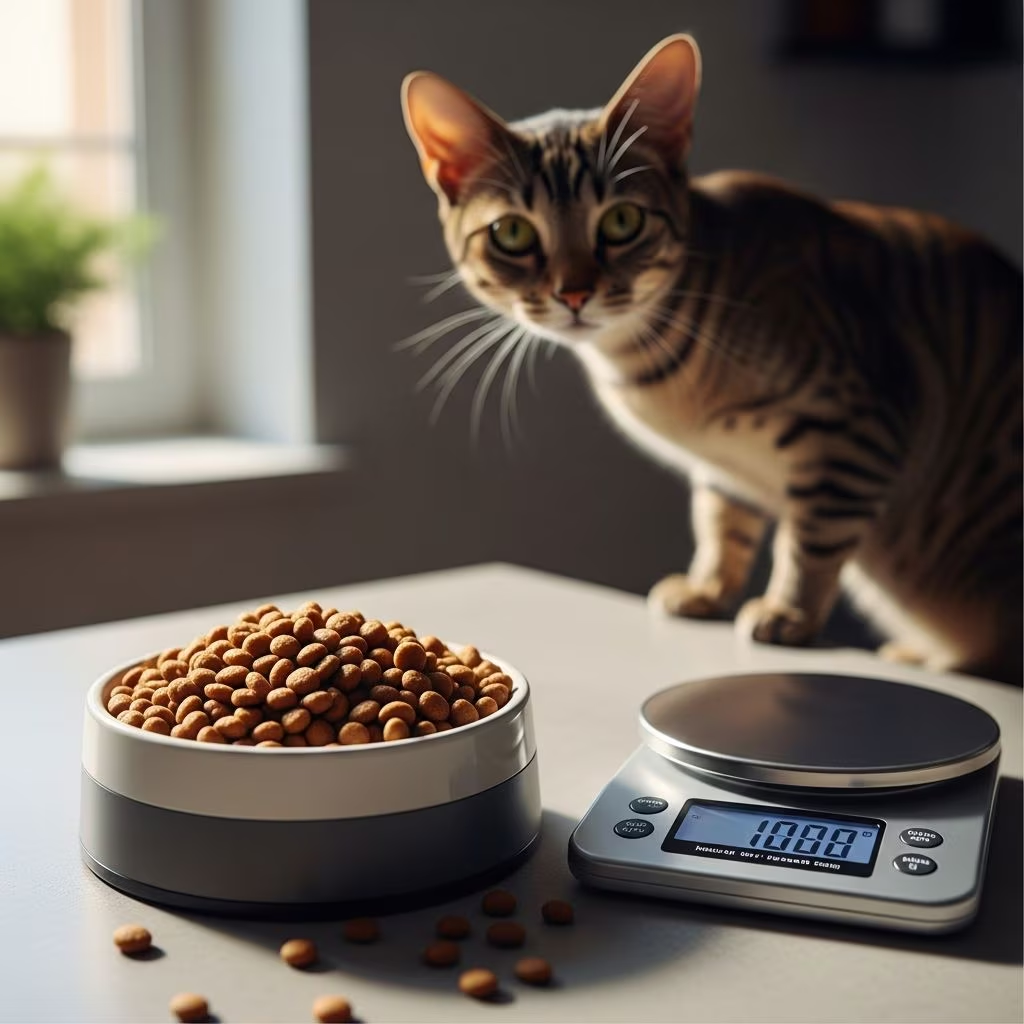
When a cat receives a diabetes diagnosis, pet owners face a complex challenge: supporting weight recovery while simultaneously managing blood sugar stability. Many diabetic cats experience significant weight loss in the initial stages of their condition, even when consuming adequate food quantities. This paradox occurs because the cat’s body cannot properly process nutrients due to insulin dysfunction. Developing an effective feeding strategy requires understanding how feline metabolism differs from other species and how dietary choices influence insulin sensitivity and pancreatic function.
Understanding Feline Metabolic Requirements
Cats occupy a unique position in the animal kingdom as obligate carnivores, meaning their bodies have evolved to derive essential nutrients almost exclusively from animal-based sources. Unlike humans or dogs who can synthesize certain amino acids and derive energy from various nutrient sources, cats have fundamental nutritional needs that differ dramatically. This biological reality forms the foundation for understanding why standard pet nutrition advice often fails for feline patients.
The metabolic machinery of a healthy cat is optimized to process and extract nutrients from protein and fat. When a cat becomes diabetic, this inherent metabolic preference becomes even more critical. The pancreas of a diabetic cat is already compromised in its ability to regulate blood sugar and produce insulin. Feeding approaches that work for other species can actually worsen the condition by placing additional metabolic stress on an already struggling organ system.
The Role of Carbohydrates in Feline Diabetes
One of the most significant discoveries in feline diabetes management has been understanding how carbohydrates affect diabetic cats differently than they affect other pets. Carbohydrates trigger rapid increases in blood glucose levels following meals. When blood sugar spikes occur, the pancreas must work harder to produce sufficient insulin to manage the glucose influx. For a diabetic cat whose pancreas is already struggling with insulin production and regulation, this demand can accelerate the deterioration of pancreatic function.
Research comparing different dietary approaches has demonstrated that cats fed low-carbohydrate diets were significantly more likely to achieve diabetic remission compared to those consuming higher-carbohydrate options. The standard recommendation for diabetic cats is a diet containing less than 10% carbohydrates, though some cats with severe cases may require even stricter limitation—as low as 5% or less.
When selecting commercial foods or preparing homemade diets, pet owners should scrutinize ingredient lists carefully. Many traditional cat foods contain grain fillers and plant-based carbohydrate sources that push the carbohydrate content well above what is optimal for diabetic felines. Prescription diets specifically formulated for diabetic cats typically maintain carbohydrate levels within the therapeutic range.
Protein: The Foundation of Feline Nutrition
Protein serves multiple critical functions in a diabetic cat’s dietary plan. First, protein is more accessible for the pancreas to metabolize compared to carbohydrates, placing less stress on an already compromised organ. Second, proteins satiate hunger longer than other macronutrients, helping cats feel satisfied with appropriate portion sizes. Third, protein is literally the building block from which a cat’s body constructs and maintains muscle tissue, which becomes especially important when addressing weight loss from diabetes.
For healthy cats, a protein content of at least 30% of total daily calories is generally considered adequate. However, diabetic cats benefit from elevated protein intake—ideally at least 50% of their diet should come from protein sources. This higher threshold helps support muscle recovery and tissue repair while reducing the metabolic burden on the pancreas.
When evaluating protein sources, quality matters considerably. Highly digestible animal-based proteins derived from meat, poultry, fish, or eggs provide superior nutritional value compared to plant-based protein sources like soybean or corn gluten meal. The enhanced digestibility means the cat’s system can extract and utilize more of the nutritional content, promoting more efficient weight restoration.
Dietary Fat: Often Misunderstood but Essential
Many pet owners have been conditioned to view dietary fat with suspicion due to human health messaging about fat intake. However, in feline nutrition—especially for diabetic cats—fat plays an important supportive role. Dietary fat is relatively easy on the pancreas to process, and at least 20% of a diabetic cat’s diet should ideally come from healthy fat sources. Fat also contributes significant caloric density, which becomes valuable when the goal is weight restoration without excessive volume consumption.
The type of fat matters as much as the quantity. High-quality animal fats and omega-3 rich sources support overall health and contribute to coat condition and skin integrity—areas that often suffer when cats experience prolonged illness or weight loss. Fat also enhances palatability, making meals more appealing to cats that may have experienced appetite disruption during the early stages of diabetes.
Matching Caloric Intake to Weight Goals
A counterintuitive aspect of managing underweight diabetic cats is understanding caloric needs. Unlike obese cats with diabetes—who may benefit from caloric restriction—underweight diabetic cats require caloric intake adequate to support weight restoration. The general caloric needs of a diabetic cat mirror those of non-diabetic felines of comparable size and activity level.
For weight gain specifically, calorie-dense foods that concentrate nutrition into smaller volumes prove beneficial. This approach allows cats to consume adequate calories without needing to eat excessive quantities. High-quality canned foods formulated for diabetic management often provide better caloric density than dry kibble options, making them particularly suitable for cats struggling to regain weight.
Weight restoration should occur gradually and under veterinary supervision. Rapid weight gain can strain the system and may complicate diabetes management. A sustainable rate of weight gain—roughly 0.5 to 1% of body weight per week—allows the cat’s metabolic systems to adjust without triggering additional complications.
Practical Feeding Approaches for Diabetic Cats
Meal Frequency and Timing
Establishing consistent feeding schedules helps maintain stable blood glucose levels and supports insulin therapy coordination. Many cats benefit from multiple small meals distributed throughout the day rather than one or two large feedings. This approach prevents dramatic glucose spikes and provides more consistent nutrient availability for tissue repair and weight restoration.
Food Form Selection
Research indicates that wet or canned foods often provide superior outcomes for diabetic cats compared to dry kibble. Canned foods typically offer lower carbohydrate content, higher moisture levels that support hydration, and better digestibility. Many prescription diabetic diets are available in wet format, making them practical options for most households.
Temperature and Palatability
Some cats show improved appetite when food is slightly warmed before serving. This enhancement can be particularly helpful for cats recovering from illness-related appetite suppression. Warming can be achieved by briefly microwaving wet food or allowing refrigerated portions to reach room temperature before offering them to the cat.
Understanding Common Feeding Challenges
Some diabetic cats initially experience increased appetite as a symptom of uncontrolled diabetes—the body literally cannot access nutrients from food properly, so the cat feels perpetually hungry. This condition requires careful insulin management and dietary optimization rather than simply increasing food quantities. As insulin therapy becomes properly calibrated and dietary composition is optimized, appetite typically normalizes.
In the early stages of diabetes diagnosis, some cats may actually gain weight initially as appetite increases and internal insulin levels fluctuate. However, this initial weight gain is often followed by weight loss if the underlying metabolic condition is not properly managed through appropriate nutrition and medical treatment.
Sample Nutritional Profile for Diabetic Weight Restoration
An ideal diet for an underweight diabetic cat might contain the following macronutrient composition:
| Nutrient Component | Target Range | Purpose |
|---|---|---|
| Protein (% of calories) | 40-50% | Supports muscle recovery and satiety |
| Fat (% of calories) | 20%+ | Provides caloric density and pancreatic-friendly energy |
| Carbohydrates (% of calories) | <10% | Minimizes glucose spikes and pancreatic stress |
| Fiber (dry matter) | 5-15% | Supports digestive health and glucose regulation |
Prescription vs. Non-Prescription Options
Several prescription diets specifically formulated for diabetic cats meet the nutritional criteria outlined above. These veterinary-exclusive options have undergone clinical evaluation and typically maintain carbohydrate content within the therapeutic range. Examples include specialized formulations designed specifically for glucose management.
Many quality non-prescription canned cat foods can also support diabetic cats effectively, particularly high-protein kitten foods or newer formulations targeting feline metabolic needs. Veterinarians can help identify suitable non-prescription alternatives for owners seeking options beyond prescription-only products or those managing cost considerations.
Monitoring Progress and Adjusting Strategy
Successful weight restoration in diabetic cats requires ongoing monitoring and adjustment. Pet owners should track several indicators: body weight measured regularly (ideally weekly), body condition assessed visually and through palpation, appetite changes, water intake patterns, and overall activity levels. These observations provide valuable feedback about whether the current feeding strategy is achieving desired outcomes.
As weight increases and the cat’s condition stabilizes, insulin requirements typically decrease. This dynamic relationship means that feeding adjustments and insulin dosing must be coordinated with veterinary guidance. A cat that was initially underfed may eventually require caloric adjustment downward to prevent development of obesity, which introduces separate metabolic complications.
Frequently Asked Questions
How quickly should a diabetic cat gain weight?
Sustainable weight restoration occurs at approximately 0.5 to 1% of body weight per week. For a 10-pound cat, this translates to gaining roughly 0.05 to 0.1 pounds weekly. Faster weight gain can overwhelm metabolic systems and complicate diabetes management.
Can diabetic cats eat regular cat food?
Most standard commercial cat foods contain carbohydrate levels inappropriate for diabetic management. Selecting foods specifically formulated for diabetic cats or carefully chosen non-prescription alternatives that meet low-carbohydrate, high-protein criteria produces superior outcomes.
What if my diabetic cat refuses prescription food?
Working with a veterinarian to identify acceptable alternatives is important. Some cats require gradual transition periods mixing old and new foods. Others benefit from warming food or trying different texture or flavor profiles. In some cases, oral medications that enhance insulin sensitivity may provide additional support.
Should portion sizes increase for weight gain?
Rather than simply increasing portions of the same food, calorie-dense foods formulated with appropriate macronutrient ratios allow cats to consume sufficient calories in reasonable quantities. This approach prevents excessive volume that may cause digestive discomfort.
Conclusion
Supporting weight restoration in a diabetic cat demands a thoughtful approach that simultaneously addresses glucose control, pancreatic function, and nutritional recovery. By understanding feline obligate carnivore requirements and selecting diets that emphasize low carbohydrates while providing elevated protein and appropriate fat, pet owners can create conditions favorable for weight gain without compromising diabetic management. Working closely with a veterinarian ensures that dietary strategies align with individual cat needs and that progress toward healthy weight restoration continues at a safe, sustainable pace. The investment in proper nutrition often yields significant benefits, with many cats achieving improved diabetes control and some even experiencing remission as weight normalizes and metabolic function improves.
References
- What to Feed a Diabetic Cat to Gain Weight: Vet-Reviewed Health Tips — Catster. https://www.catster.com/cat-health-care/what-to-feed-diabetic-cat-to-gain-weight/
- Pathophysiology and Management of the Obese Diabetic Cat — National Center for Biotechnology Information (NCBI/PMC). 2024. https://pmc.ncbi.nlm.nih.gov/articles/PMC10812123/
- Dietary Therapy for Diabetes in Cats — Cherry Ridge Veterinary Clinic. https://cherryridgevets.com/services/diabetic-consult/dietary-therapy-for-diabetes-in-cats
- Nutrition for Cats With Diabetes — Merck Animal Health USA. https://www.merck-animal-health-usa.com/hub/vetsulin/cats/nutrition-for-cats-with-diabetes/
- Feline Diabetes — Cornell University College of Veterinary Medicine. https://www.vet.cornell.edu/departments-centers-and-institutes/cornell-feline-health-center/health-information/feline-health-topics/feline-diabetes
- What to Feed a Cat for Weight Gain — PetMD. https://www.petmd.com/cat/nutrition/what-feed-cat-weight-gain



