

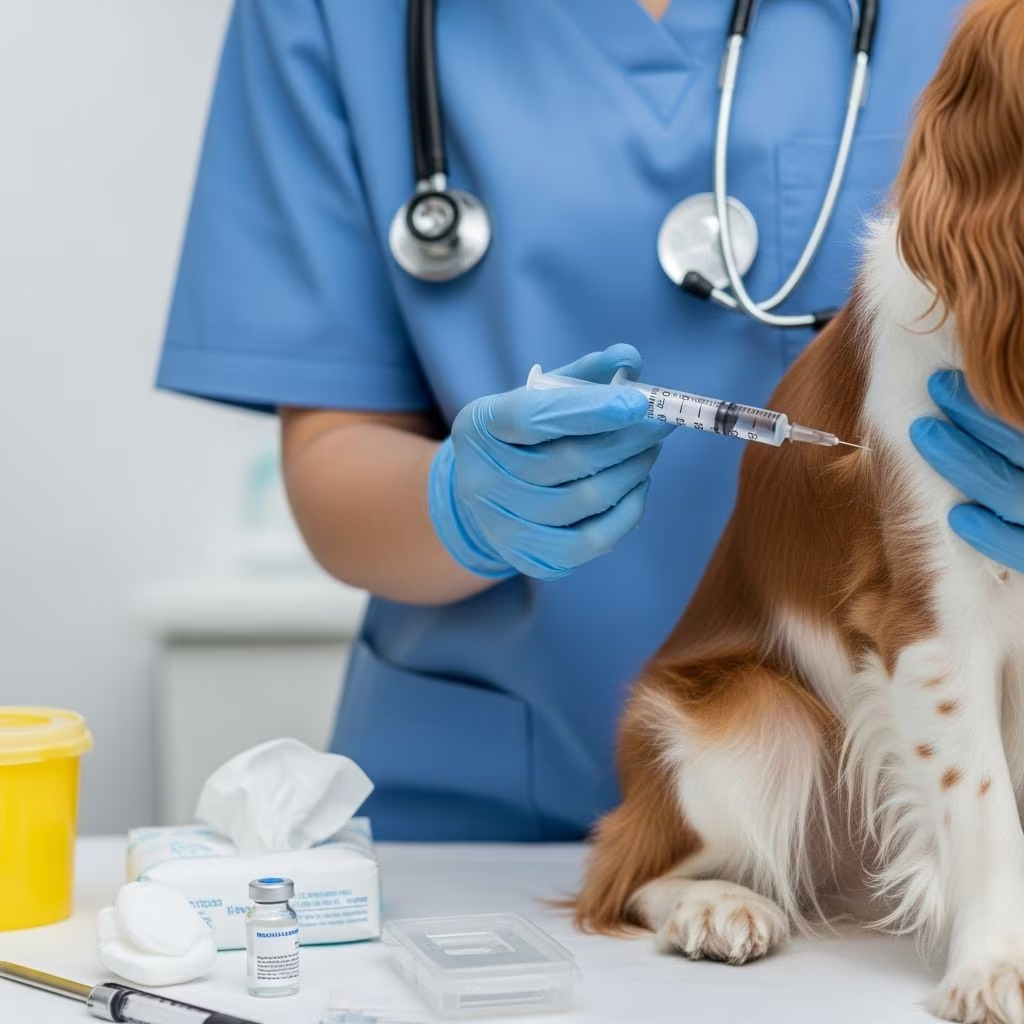
Understanding Diabetes Mellitus in Dogs
Diabetes mellitus is a serious endocrine disorder affecting dogs of all ages, though it typically occurs in middle-aged dogs. The condition results from the pancreas’s inability to produce adequate insulin or the body’s inability to utilize insulin effectively. When left untreated, diabetes can lead to severe complications including cataracts, urinary tract infections, and diabetic ketoacidosis. Fortunately, with proper management and consistent insulin therapy, dogs with diabetes can live long, healthy lives.
The most common type of diabetes in dogs is insulin-dependent diabetes, where the pancreatic beta cells fail to produce sufficient insulin. This requires lifelong insulin replacement therapy to maintain normal blood glucose levels and prevent serious health complications.
What You Need to Know About Insulin Treatment
Insulin treatment is the cornerstone of diabetes management in dogs. The primary goal of insulin therapy is to regulate blood glucose levels, alleviate clinical signs, and restore normal metabolic function. Understanding the fundamentals of insulin treatment helps owners provide optimal care for their diabetic companions.
The Importance of Consistent Treatment
Consistent treatment is absolutely vital for proper diabetes management in dogs. While a dog could theoretically survive a day or two without insulin without experiencing an immediate crisis, this should never become a regular practice. Insulin administration must be viewed as a permanent, non-negotiable part of your dog’s daily routine. This commitment requires:
– Daily insulin injections administered on schedule- Consistent feeding times with appropriate meals- A stable, stress-free living environment- Indoor housing to minimize uncontrollable variables- Regular veterinary monitoring and follow-up care
Dogs requiring insulin therapy need an owner who understands the financial and time commitments involved. Making this commitment ensures your dog receives optimal glucose regulation and maintains the best possible quality of life.
Insulin Injection Protocols
Most dogs with diabetes mellitus require two daily insulin injections. These injections are typically administered subcutaneously (under the skin) and should be given approximately 12 hours apart. The twice-daily injection schedule coincides with feeding times, as insulin is most effective when administered in conjunction with food intake.
Injection Administration
The standard starting dosage for most dogs ranges from 0.25 to 0.5 units per kilogram of body weight, administered every 12 hours. Insulin injections are administered subcutaneously, making them relatively easy for owners to perform at home after proper training from their veterinarian.
Insulin Dosage Adjustment
Initial insulin dosages are based on your dog’s weight and individual response to therapy. However, dosage adjustments may be necessary as your dog’s condition stabilizes. Factors affecting insulin requirements include:
– Body weight and condition- Diet composition and feeding schedule- Exercise level and activity- Stress levels and environmental factors- Presence of concurrent health conditions- Medication interactions
Your veterinarian will monitor your dog’s response through blood glucose measurements and clinical observation, adjusting the insulin dose as needed to achieve optimal control.
Types of Insulin Available for Dogs
Several insulin products are available for canine diabetes management. Your veterinarian will determine which insulin is most appropriate for your dog based on individual needs and response to therapy.
Commonly Used Insulins
The most frequently prescribed insulins for dogs include:
| Insulin Type | Brand Names | Duration | Frequency |
|---|---|---|---|
| Intermediate-Acting NPH | Humulin N | 8-12 hours | Twice daily |
| Lente | Vetsulin/Caninsulin | 8-14 hours | Twice daily |
| Long-Acting Detemir | Levemir | 12-24 hours | Once or twice daily |
| Long-Acting Glargine | Lantus | 24+ hours | Once or twice daily |
| Protamine Zinc | ProZinc | 24 hours | Once or twice daily |
Vetsulin/Caninsulin is specifically formulated for dogs and is often considered the preferred initial choice. However, human insulins such as Humulin N and Levemir have also proven effective. The recently approved ProZinc insulin has shown effectiveness in approximately 72% of dogs receiving once-daily injections, offering potential benefits for dogs requiring less frequent administration.
Dietary Management for Diabetic Dogs
Diet plays a crucial supporting role in diabetes management. The right diet helps maintain stable blood glucose levels and can even improve insulin sensitivity, potentially reducing insulin requirements over time.
Optimal Diet Composition
Your veterinarian will recommend a diet specifically suited to your diabetic dog’s needs. Generally, the ideal diabetic dog diet includes:
– High-quality protein sources- Adequate fiber content- Complex carbohydrates rather than simple sugars- Moderate to low fat content
Foods high in simple sugars, such as semi-moist commercial dog foods, should be avoided as they cause rapid glucose spikes and make blood sugar regulation more difficult. The slow absorption of nutrients from a high-fiber, complex carbohydrate diet helps maintain stable glucose levels and may reduce insulin requirements.
Feeding Schedule
Consistency in feeding is essential. Dogs should receive meals of equal caloric content twice daily, with each meal administered immediately before an insulin injection. This synchronized timing ensures that insulin is working when glucose enters the bloodstream, optimizing glucose uptake by cells and preventing blood sugar fluctuations.
Exercise and Activity Management
Regular physical activity is highly beneficial for diabetic dogs. Exercise improves insulin sensitivity, helps maintain healthy body weight, and contributes to overall cardiovascular health. These benefits may allow for lower insulin doses while maintaining good glycemic control.
Exercise Recommendations
Diabetic dogs should maintain a consistent, moderate exercise routine. Daily activities might include:
– Regular walking (30-60 minutes depending on the dog’s fitness level)- Supervised play sessions- Swimming or other low-impact activities- Mental enrichment and training exercises
The key is consistency. Sudden changes in activity level can cause unpredictable blood glucose fluctuations. Once an exercise routine is established, maintaining the same level of daily activity helps keep glucose levels stable and predictable, making insulin regulation easier.
Housing and Environmental Considerations
A stable, controlled living environment is essential for effective diabetes management. Diabetic dogs should live indoors to minimize uncontrollable variables that can disrupt glucose regulation. Indoor housing provides:
– Consistent temperature and climate- Reduced stress from external stimuli- Better control over activity levels- Easier monitoring and observation- Consistent feeding and exercise schedules
Stress and environmental changes can cause glucose fluctuations independent of insulin administration. By maintaining a calm, predictable indoor environment, you help stabilize your dog’s blood glucose levels and make management more successful.
Initial Treatment Timeline and Expectations
When insulin therapy begins, many owners wonder how quickly to expect improvement. Understanding the typical treatment timeline helps set realistic expectations and maintain patience through the adjustment period.
Early Response
For most diabetic dogs, insulin therapy improves clinical signs soon after initiation. Within days to weeks, owners typically notice:
– Decreased excessive thirst- Reduced urination frequency- Improved energy levels- Better appetite- Weight stabilization or gain
Full Adjustment Period
However, it may take several weeks for a dog to fully adjust to insulin therapy. The average time required for initial diabetes control is typically 4 to 6 weeks. During this period, blood glucose measurements guide dosage adjustments, and your veterinarian may recommend periodic follow-up appointments to assess progress.
Monitoring and Follow-Up Care
Successful long-term diabetes management requires ongoing monitoring and adjustment. Your veterinarian will establish a monitoring schedule based on your dog’s individual needs.
Initial Recheck Evaluation
At the first recheck appointment after beginning insulin therapy, your veterinarian will assess:
– Resolution of clinical signs (thirst, urination, appetite)- Physical examination findings- Body weight and condition- Muscle mass and muscle condition score- Overall health status
These clinical parameters are often more predictive of successful diabetic control than glucose measurements alone. Your veterinarian may perform blood glucose curves—periodic measurements throughout the day—to optimize insulin dosing.
Long-Term Management
Once diabetes is stabilized, regular monitoring continues to ensure continued good control. Many dogs can be effectively monitored at home with periodic veterinary check-ups, reducing the stress and cost associated with frequent clinic visits.
Financial and Lifestyle Commitment
Managing canine diabetes requires substantial commitment beyond medical treatment. Owners should understand the full scope of this responsibility before beginning therapy.
Financial Considerations
The costs of canine diabetes management include:
– Insulin medication (ongoing expense)- Syringes and injection supplies- Specialized diet formulations- Veterinary examinations and blood work- Glucose monitoring supplies- Emergency care for complications
While the financial commitment is significant, many owners find that the improvement in their dog’s quality of life and the ability to provide years of additional companionship make the investment worthwhile.
Time and Routine Requirements
Daily management demands include twice-daily insulin injections on a consistent schedule, synchronized feeding times, regular exercise, and close observation for any changes in your dog’s condition. This routine must be maintained throughout your dog’s life, requiring flexibility and dedication from owners.
Special Considerations
Certain situations require special attention in diabetic dogs. Female dogs should ideally be spayed to achieve better insulin regulation, as hormonal fluctuations during heat cycles can interfere with glucose control. Dogs with concurrent health conditions, such as pancreatitis or urinary tract infections, may require additional treatment alongside diabetes management.
Frequently Asked Questions
Q: How long do dogs typically live after a diabetes diagnosis?
A: With proper insulin therapy, diet management, and consistent care, many diabetic dogs live several more years with good quality of life. The prognosis depends on the dog’s age at diagnosis, overall health, and owner compliance with treatment.
Q: Can diabetes in dogs go into remission?
A: Unlike cats, most dogs cannot achieve remission from diabetes and require lifelong insulin therapy. However, some dogs may require lower insulin doses over time as they stabilize on treatment.
Q: What happens if I miss an insulin injection?
A: While a dog can survive a day without insulin, this should not become routine. Missing injections can lead to blood glucose spikes and potentially dangerous complications. If you miss a dose, contact your veterinarian for guidance.
Q: Can I give my dog insulin only once daily?
A: Most dogs require twice-daily insulin injections. Some newer long-acting insulins like ProZinc may be effective once daily in certain dogs, but this should only be determined by your veterinarian.
Q: Is there a cure for diabetes in dogs?
A: Currently, there is no cure for diabetes mellitus in dogs. However, the condition can be successfully managed with insulin therapy, appropriate diet, exercise, and veterinary monitoring, allowing diabetic dogs to live long, comfortable lives.
Q: How much does insulin treatment cost monthly?
A: Costs vary depending on the insulin type, your dog’s weight, local veterinary prices, and whether you perform monitoring at home or through veterinary clinics. Generally, monthly costs range from $50-$200 for insulin alone, plus additional expenses for supplies and veterinary care.
Q: Can diet changes alone control my dog’s diabetes?
A: For most dogs, dietary management alone cannot control diabetes. Insulin therapy is the definitive treatment required to replace the insulin deficiency caused by pancreatic dysfunction. Diet serves as a supporting component to optimize insulin effectiveness.
References
- Diabetes Mellitus: Insulin Treatment in Dogs — VCA Animal Hospitals. Accessed November 28, 2025. https://vcahospitals.com/know-your-pet/diabetes-mellitus-insulin-treatment-in-dogs
- Treating and Managing Diabetes Mellitus in Dogs — Today’s Veterinary Practice. 2024. https://todaysveterinarypractice.com/endocrinology/treating-and-managing-diabetes-mellitus-in-dogs/
- Diabetes Mellitus in Dogs and Cats – Endocrine System — Merck Veterinary Manual. Accessed November 28, 2025. https://www.msdvetmanual.com/endocrine-system/the-pancreas/diabetes-mellitus-in-dogs-and-cats
- Managing Canine Diabetes — Cornell University College of Veterinary Medicine, Riney Canine Health Center. Accessed November 28, 2025. https://www.vet.cornell.edu/departments-centers-and-institutes/riney-canine-health-center/canine-health-information/managing-canine-diabetes
- Diabetes in Dogs: Symptoms, Causes, Diagnosis, & Treatment — American Kennel Club. Accessed November 28, 2025. https://www.akc.org/expert-advice/health/diabetes-in-dogs/
- Managing Diabetes — Merck Animal Health USA. Accessed November 28, 2025. https://www.merck-animal-health-usa.com/pet-owners/vetsulin/dogs/diabetes-managing/



