

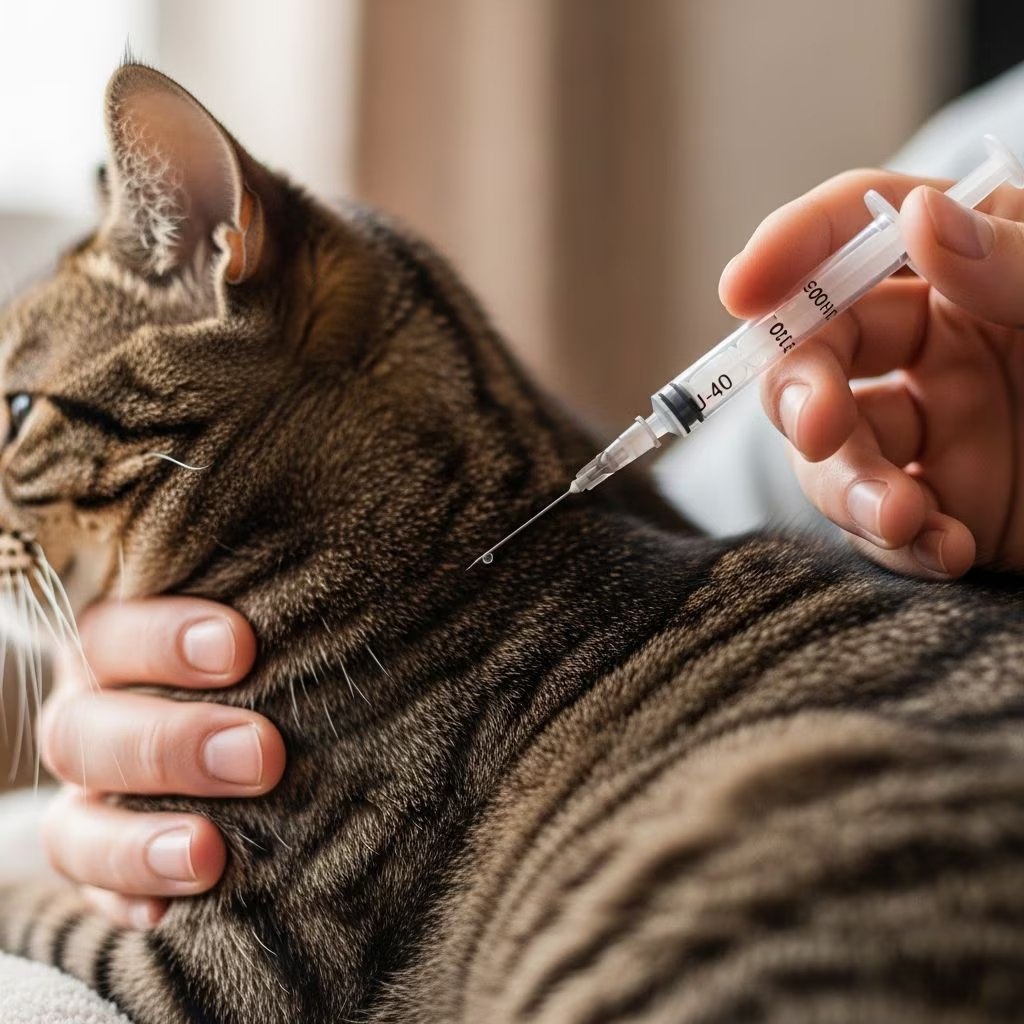
Understanding Feline Diabetes Mellitus and Insulin Treatment
Diabetes mellitus is a treatable endocrine disorder that affects cats of all ages, though it is more common in older and overweight felines. While the condition requires long-term management and commitment, many cat owners successfully manage their pet’s diabetes with proper insulin therapy and lifestyle modifications. Understanding the fundamentals of insulin treatment can help you provide the best care for your diabetic cat and potentially achieve remission.
What is Feline Diabetes Mellitus?
Feline diabetes mellitus occurs when a cat’s pancreas cannot produce adequate insulin or when the cat’s body cannot use insulin effectively. This results in elevated blood glucose levels and various clinical signs that affect the cat’s quality of life. Unlike in dogs, cats can potentially achieve diabetic remission with proper treatment, meaning they may no longer require insulin therapy after several months of successful management.
The Importance of Early Diagnosis
Early detection of diabetes mellitus is crucial for successful treatment outcomes. Veterinarians typically diagnose feline diabetes through blood glucose tests and urinalysis. If your cat shows signs such as increased thirst, frequent urination, weight loss despite increased appetite, or lethargy, schedule a veterinary appointment promptly. Some cats may present with more severe symptoms including weakness, vomiting, or diabetic ketoacidosis, a serious complication requiring immediate hospitalization and intensive care.
Insulin Therapy: The Foundation of Treatment
Why Insulin is Necessary
Insulin is the primary treatment for most cats with diabetes mellitus. This hormone helps regulate blood glucose levels by enabling cells to absorb glucose from the bloodstream. When a cat’s pancreas fails to produce sufficient insulin, injections become necessary to maintain normal blood sugar levels and prevent serious complications.
Administration Schedule
Most cats with diabetes require twice-daily insulin injections, typically administered approximately 12 hours apart and after meals. The injections are given subcutaneously, meaning under the skin, usually in the scruff of the neck area. The procedure is painless for cats when using modern small-gauge needles. Many cat owners initially worry about administering injections, but most cats tolerate the procedure remarkably well, and owners quickly become comfortable with the routine. Insulin “pens” have made administration even easier and more convenient for pet owners.
Selecting the Right Insulin Type
Several insulin types are available for feline diabetic management. Glargine (Lantus) insulin is frequently recommended for newly diagnosed, uncomplicated cases of feline diabetes. This insulin has shown excellent results in helping cats achieve diabetic remission, potentially eliminating the need for ongoing insulin therapy. While Lantus can be more expensive than other insulin options, the possibility of remission may make it the most economical choice long-term, as cats may eventually discontinue insulin therapy and reduce veterinary visits.
Your veterinarian will determine the most appropriate insulin type based on your cat’s medical history, current health status, and individual response to treatment. The choice of insulin significantly influences the likelihood of achieving remission.
Determining the Correct Dosage
Establishing the correct insulin dose is essential for effective diabetes management. Some veterinarians recommend hospitalizing cats on the first day of insulin treatment to monitor for hypoglycemia (dangerously low blood sugar). If blood sugar drops too low, the veterinarian may reduce the initial dose. Importantly, insulin doses are typically not increased after the first day, as insufficient time has passed for the cat to adjust to the treatment.
Your veterinarian will establish an insulin protocol specific to your cat’s needs and adjust it based on blood glucose monitoring results and clinical response to therapy.
Dietary Management and Nutrition
The High-Protein, Low-Carbohydrate Diet
Diet modification is the second pillar of feline diabetes management and plays a crucial role in achieving remission. A high-protein, low-carbohydrate diet allows insulin to work more effectively and helps cats lose weight naturally. This dietary approach differs significantly from standard commercial cat foods, which often contain higher carbohydrate levels.
Food Type Recommendations
Wet or canned food is strongly preferred over dry kibble for diabetic cats. Canned food offers several advantages:
- Significantly lower carbohydrate content
- Lower calorie density, supporting weight loss
- Higher moisture content, promoting hydration
- Better insulin sensitivity and glycemic control
Prescription diets formulated specifically for feline diabetes can reduce the amount of insulin your cat requires while improving overall metabolic health.
Weight Management
Obesity is a significant risk factor for feline diabetes. Weight normalization can lead to resolution of the condition in some cats. Weight loss should be gradual, ideally one-half to one percent of total body weight per week. Rapid weight loss can cause additional health complications in cats, so a slow, steady approach is essential.
Monitoring Your Diabetic Cat at Home
Clinical Sign Observation
Home monitoring is critical for successful diabetes management. Watch for positive indicators of treatment response, including:
- Increased activity and alertness
- Decreased water consumption
- Reduced urination frequency
- Weight stabilization or gain
- Normalized appetite
These improvements often appear before laboratory values normalize, and they indicate that the treatment plan is working effectively.
Blood Glucose Monitoring
Regular blood glucose testing is essential for optimizing insulin therapy. Your veterinarian may request periodic blood glucose readings at home or schedule frequent in-clinic tests to adjust insulin doses appropriately. Some cats may require blood glucose curves, where multiple readings are taken throughout the day to understand how the insulin is affecting blood sugar levels.
Recognizing Hypoglycemia
While treating diabetes, cats may experience hypoglycemia (low blood sugar), a potentially serious condition. Watch for these warning signs:
- Weakness or wobbliness
- Disorientation or confusion
- Excessive drooling
- Seizures or collapse
- Loss of consciousness
If you observe these signs, administer a small amount of sugar water, Karo syrup, or honey and contact your veterinary hospital immediately. Never attempt oral glucose administration if your cat is seizing or comatose; seek emergency veterinary care instead.
Treatment Goals and Expected Outcomes
Primary Treatment Objectives
The main goals of feline diabetes treatment include:
- Maintaining healthy blood glucose levels
- Stopping or controlling unintended weight loss
- Reducing or eliminating signs of excess thirst and urination
- Preventing hypoglycemic episodes
- Normalizing appetite and activity levels
- Improving overall quality of life
Diabetic Remission in Cats
Unlike dogs, many cats can achieve diabetic remission with proper insulin therapy and dietary management. Remission means that the cat no longer requires insulin therapy for at least four months while maintaining normal blood glucose levels. This outcome is possible because some cats’ pancreases can recover function with appropriate management.
Cats have the greatest chance of achieving remission when started on Lantus insulin combined with a high-protein, low-carbohydrate diet and gradual weight loss. However, remission is not achievable in every diabetic cat. Those in remission must continue their specialized diet and undergo regular blood glucose monitoring to ensure they don’t relapse.
Alternative Treatment Options
Oral Diabetes Medications
While insulin injections remain the standard treatment, oral diabetes medications are available for specific situations. Drugs such as Glipizide can be administered by mouth, making them suitable for cats whose owners are extremely uncomfortable with injections or for cats that resist injections but will consume oral medication in food.
Most veterinarians prefer injectable insulin because oral medications are generally less effective in cats and may not provide the same remission potential. However, oral options serve as valuable alternatives when insulin administration is not feasible.
New FDA-Approved Treatments
Recent advances in feline diabetes treatment include new FDA-approved oral medications. Bexacat (bexagliflozin tablets) and Senvelgo (velagliflozin oral solution) are sodium-glucose cotransporter 2 (SGLT2) inhibitors designed for cats that produce some insulin but don’t respond to it effectively. These medications represent an important option for specific types of feline diabetes.
It’s important to note that cats previously treated with insulin should not take these new medications due to an increased risk of diabetic ketoacidosis.
Initial Treatment Steps and Stabilization
Removing Predisposing Factors
Before initiating insulin therapy, your veterinarian will address underlying causes of diabetes when possible. Some medications, particularly corticosteroids, can predispose cats to develop diabetes, and withdrawing these drugs may resolve the condition. Treating obesity through weight management may also lead to diabetes resolution in some cases.
Stabilization Timeline
Most cats achieve initial stabilization within a few days to a few weeks of starting insulin therapy. During this period, your veterinarian will monitor your cat’s response and adjust insulin doses as needed. Once stabilized, cats typically require once- or twice-daily insulin injections on a long-term basis, though some cats eventually achieve remission.
Long-Term Diabetes Management
Feline diabetes mellitus is a chronic condition requiring lifelong management and dedication. However, successful long-term management is rewarding and significantly improves your cat’s quality of life. Regular veterinary visits, consistent insulin administration, dietary adherence, and home monitoring are essential components of maintaining your cat’s health.
Even cats achieving remission require ongoing monitoring, as some may relapse and require insulin therapy again. Your veterinarian will recommend an appropriate monitoring schedule and provide guidance on maintaining your cat’s health status.
Frequently Asked Questions
Q: Will my cat need insulin injections for life?
A: Not necessarily. Many cats can achieve diabetic remission with proper insulin therapy, dietary management, and weight loss, meaning they may no longer require insulin. However, some cats will require long-term insulin therapy. Your veterinarian will monitor your cat’s progress and discuss the likelihood of remission based on your cat’s individual circumstances.
Q: How difficult is it to give my cat insulin injections?
A: Most cat owners find insulin administration becomes routine within a short time. Modern needles are extremely small and cause no pain to cats. With proper training from your veterinarian and the use of insulin pens, even people initially anxious about injections become comfortable with the procedure.
Q: What should I do if my cat misses an insulin injection?
A: Contact your veterinarian for specific guidance. Depending on the time elapsed since the missed dose, your veterinarian may recommend giving the injection immediately, waiting until the next scheduled time, or other adjustments to prevent blood sugar fluctuations.
Q: Can dietary changes alone treat cat diabetes?
A: While diet is a critical component of diabetes management, most newly diagnosed diabetic cats require insulin therapy. However, proper diet combined with weight loss may allow for insulin dose reduction or potentially lead to remission over time.
Q: How often should I have my cat’s blood glucose checked?
A: Your veterinarian will establish a monitoring schedule based on your cat’s response to treatment. This typically includes regular in-clinic visits and may involve home blood glucose monitoring. As your cat stabilizes, monitoring frequency may decrease.
Q: What are the signs that my cat’s diabetes is improving?
A: Positive signs include increased activity, decreased water consumption, reduced urination, stable or increasing weight, and normalized appetite. These improvements often appear before blood glucose levels fully normalize.
Conclusion
Feline diabetes mellitus is a treatable condition that responds well to a comprehensive approach combining insulin therapy, dietary modification, weight management, and careful monitoring. While the condition requires commitment, many cats achieve excellent outcomes and some achieve complete remission. By working closely with your veterinarian, administering insulin consistently, maintaining appropriate nutrition, and monitoring your cat at home, you can significantly improve your pet’s quality of life and potentially eliminate the need for insulin therapy altogether. The key to success is early diagnosis, appropriate treatment initiation, and dedicated long-term management.
References
- Diabetes in Cats: Prevention and Treatment — Medical District Vet. 2025. https://www.medicaldistrictvet.com/blog/diabetes-in-cats-prevention-and-treatment/
- Cat Diabetes: Symptoms, Diagnosis, Treatment — Best Friends Animal Society. 2025. https://bestfriends.org/pet-care-resources/cat-diabetes-symptoms-diagnosis-treatment
- Diabetes in Cats: Signs, Treatment, and Prognosis — PetMD. 2025. https://www.petmd.com/cat/conditions/endocrine/c_ct_diabetes_mellitus
- Two New Drugs to Treat Diabetes in Cats — U.S. Food and Drug Administration. 2024. https://www.fda.gov/animal-veterinary/animal-health-literacy/two-new-drugs-treat-diabetes-cats-one-right-your-cat
- Diabetes Mellitus in Cats – Overview — VCA Animal Hospitals. 2025. https://vcahospitals.com/know-your-pet/diabetes-mellitus-in-cats-overview
- What Medication Will My Cat Need to Control Diabetes? — Blue Cross. 2025. https://www.bluecross.org.uk/advice/cat/health-and-injuries/diabetes-in-cats
- Feline Diabetes: How to Detect and Treat It — Boehringer Ingelheim Animal Health. 2025. https://www.boehringer-ingelheim.com/animal-health/companion-animals-horses/pets/feline-diabetes-how-detect-and-treat-it



