

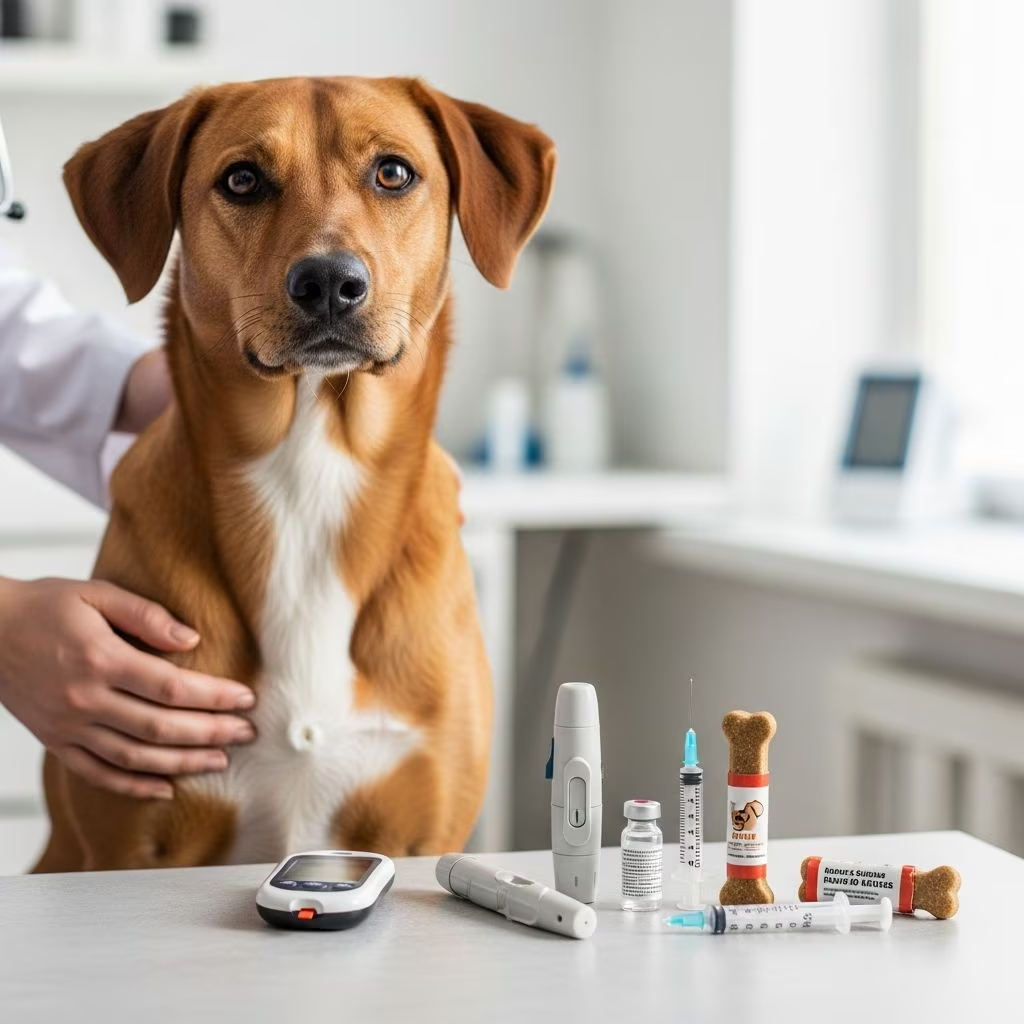
Understanding Diabetes Mellitus in Dogs
Diabetes mellitus is one of the most common endocrine disorders affecting dogs today. This metabolic disease occurs when a dog’s body cannot properly regulate blood sugar levels, leading to elevated glucose in both the bloodstream and urine. Understanding this condition is crucial for dog owners, as early detection and proper management can significantly improve a dog’s quality of life and longevity. With advances in veterinary medicine and improved owner education, dogs with diabetes can live long, comfortable lives when provided with appropriate care and monitoring.
The Four Main Symptoms of Diabetes Mellitus
Recognizing the early signs of diabetes mellitus in dogs is essential for timely intervention. The four primary symptoms that veterinarians look for include:
- Increased Thirst (Polydipsia): Dogs with diabetes often drink significantly more water than usual, as their bodies attempt to dilute excess glucose in the bloodstream.
- Increased Urination (Polyuria): Excessive urination typically accompanies increased thirst, as the kidneys work overtime to filter and eliminate excess glucose through urine.
- Weight Loss: Despite eating normally or even more than usual, diabetic dogs often experience unexplained weight loss due to their bodies’ inability to properly utilize glucose for energy.
- Increased Appetite (Polyphagia): Many diabetic dogs display an insatiable appetite, constantly seeking food as their cells struggle to access the glucose they need for proper function.
Additional symptoms may include lethargy, weakness, vision problems, and in severe cases, vomiting. If you notice any combination of these signs in your dog, it is important to schedule a veterinary appointment promptly for proper evaluation and testing.
Types of Diabetes Mellitus in Dogs
While all types of diabetes mellitus involve the body’s failure to regulate blood sugar effectively, the underlying mechanisms differ significantly. Understanding these differences helps veterinarians develop the most appropriate treatment plan for each individual dog.
Type I Diabetes Mellitus
Type I diabetes mellitus, also known as insulin-dependent diabetes mellitus, represents the most common form of diabetes in dogs. This type results from total or near-complete destruction of the insulin-producing beta cells in the pancreas. Without adequate insulin production, the body cannot effectively transport glucose into cells for energy use. Dogs with Type I diabetes require daily insulin injections to manage their blood sugar levels and are dependent on external insulin for survival. This condition typically develops when the pancreas is damaged or dysfunctional, preventing it from producing sufficient amounts of this critical hormone.
Type II Diabetes Mellitus
Type II diabetes occurs when the pancreas produces insulin, but the dog’s body cannot utilize it effectively. This condition, known as insulin-resistance diabetes, involves the cells’ inability to respond appropriately to available insulin. While this type is less common in dogs than in cats, it can develop secondary to various underlying conditions. Managing Type II diabetes often involves dietary modifications and weight management, though insulin may eventually be necessary as the disease progresses.
Type III Diabetes Mellitus
Type III diabetes represents secondary diabetes that develops as a result of other underlying health conditions or medications. Conditions such as hyperadrenocorticism (Cushing’s disease), pancreatitis, and chronic use of corticosteroids can trigger secondary diabetes mellitus. Additionally, pregnancy and diestrus in female dogs can predispose them to temporary insulin resistance and diabetes development. Obesity is another significant risk factor that increases insulin resistance in both dogs and cats, making weight management a critical component of prevention and treatment strategies.
Causes and Risk Factors
Multiple factors contribute to the development of diabetes mellitus in dogs. Understanding these risk factors can help owners take preventative measures and monitor high-risk pets more closely.
Genetic Predisposition: Genetics plays a significant role in diabetes development, with certain breeds showing higher susceptibility to the condition. Genetics likely contributes substantially to which dogs develop diabetes, making family history an important consideration.
Obesity: Excess weight significantly predisposes both dogs and cats to insulin resistance and diabetes mellitus. Maintaining a healthy weight through proper diet and regular exercise is one of the most effective preventative strategies available to dog owners.
Spaying: Female dogs, particularly those that have been spayed, appear to have an increased risk of developing diabetes. The hormonal changes associated with spaying may contribute to metabolic alterations that increase diabetes susceptibility.
Age: Diabetes can affect dogs of any age, though it is more commonly diagnosed in middle-aged and senior dogs. The incidence increases with age as pancreatic function naturally declines over time.
Underlying Medical Conditions: Chronic pancreatitis, hyperadrenocorticism, and other endocrine disorders can precipitate secondary diabetes mellitus. Infections and certain medications, particularly long-term corticosteroid use, also significantly increase diabetes risk.
Diagnosis of Diabetes Mellitus
Accurate diagnosis of diabetes mellitus requires specific laboratory testing and veterinary evaluation. Veterinarians typically use several diagnostic approaches to confirm the condition and rule out other possibilities.
Blood Glucose Testing: The primary diagnostic tool involves measuring fasting blood glucose levels. Persistently elevated blood glucose levels are the hallmark of diabetes mellitus. Diagnosis is based on the documentation of persistent hyperglycemia and glucosuria, with clinical signs reflecting the body’s inability to regulate blood sugar effectively.
Urinalysis: Elevated glucose levels in the urine (glucosuria) strongly suggest diabetes mellitus, as healthy dogs should not have glucose present in their urine. The presence of glucose in urine indicates that blood glucose levels are so high that the kidneys cannot reabsorb all the filtered glucose.
Fructosamine Testing: In cats, measurement of fructosamine can be helpful to distinguish stress-induced hyperglycemia from true diabetes mellitus. This test provides information about average glucose levels over the previous two to three weeks, helping establish whether elevated glucose is chronic or temporary.
Initial Hospitalization: When diabetes is newly diagnosed, your dog may require hospitalization for a few days to address any immediate health crises and to begin insulin regulation. If your dog is severely ill and has stopped eating and drinking, he may be experiencing diabetic ketoacidosis, which requires several days of intensive care. Otherwise, initial hospitalization may last only one to two days while the dog’s initial response to insulin injections is evaluated.
Treatment of Diabetes in Dogs
Unlike humans, all dogs with diabetes require insulin injections for treatment. The cornerstone of therapy involves replacing the insulin that the pancreas cannot produce or utilizing insulin the body cannot effectively use. Successful treatment of diabetes mellitus depends on several critical factors including excellent client communication, appropriate dietary management, and frequent monitoring.
Insulin Therapy
Insulin injections represent the fundamental component of diabetes management in dogs. Dogs with diabetes mellitus generally require two insulin injections each day, administered after meals. After the correct type and dose of insulin are determined by a veterinarian, injections can be easily administered from home with proper instruction.
In general, either neutral protein Hagedorn (NPH) or lente insulins are the initial choices, starting at dosages of 0.25–0.5 U/kg administered subcutaneously every 12 hours. Most dogs require two doses of insulin per day, with twice-daily injections coordinated with two meals of equal calories given immediately before insulin administration.
Important Considerations: It is critical not to alter the insulin type or dose without veterinary consultation, as different types of insulins exist and insulin doses are patient-dependent. Low blood sugar (hypoglycemia) is the most common complication of insulin treatment and warrants immediate veterinary consultation as it can be fatal.
Dietary Management
Nutrition plays an essential role in managing canine diabetes. Your veterinarian will recommend the best type of diet for your diabetic dog, usually including good-quality protein, fiber, and complex carbohydrates that slow glucose absorption. Your veterinarian may also recommend a diet with relatively low-fat content to support overall metabolic health.
A high-protein, low-carbohydrate diet helps maintain stable blood glucose levels and supports pancreatic health. Canned foods are often preferred over dry foods for their higher moisture content and lower carbohydrate composition. Dietary management and weight loss alone will not control diabetes mellitus, so initial treatment with insulin is required alongside dietary modifications.
Weight Management and Exercise
Maintaining a healthy weight and appropriate exercise routine is vital for diabetic dogs. To help avoid sudden spikes or drops in glucose levels, diabetic dogs should maintain a moderate but consistent exercise routine. Regular physical activity improves insulin sensitivity and helps prevent complications. However, exercise should be carefully monitored and consistent, as sudden increases or decreases in activity can affect blood glucose levels.
Weight loss alone will not control diabetes, but combined with proper nutrition and insulin therapy, it significantly improves disease management and may lead to improved glucose control over time.
Managing Complications
Uncontrolled or advanced diabetes can lead to serious secondary conditions that require immediate veterinary attention.
Hypoglycemia: Low blood sugar represents the most common complication of insulin treatment. Signs include trembling, confusion, seizures, or loss of consciousness. This condition requires immediate veterinary attention as it can be fatal.
Diabetic Ketoacidosis (DKA): In uncontrolled, advanced stages of diabetes, diabetic ketoacidosis represents a severe, life-threatening complication. These patients often appear lethargic, are unwilling to eat, and require immediate veterinary attention. Regular insulin (a potent, short-acting insulin) is most commonly used for acute management of DKA. Patients with DKA are critically ill and require intensive care management.
Secondary Infections: Other common conditions that develop as a result of high circulating glucose levels include urinary tract infections, and skin and ear infections. Managing the underlying diabetes helps prevent these secondary complications.
Long-Term Management and Monitoring
The management and treatment of diabetes mellitus is lifelong. From determining the correct insulin dose to intermittent blood glucose monitoring (both in-clinic and at home), multiple follow-up visits are required throughout your dog’s life. Successful long-term treatment depends on owner understanding, cooperation, and commitment to the management plan.
Regular monitoring helps veterinarians adjust insulin doses as needed and identify any complications early. Many owners successfully manage their dog’s diabetes at home after proper instruction, performing regular blood glucose checks and administering insulin injections as prescribed.
Prognosis and Prevention
With early detection and proper treatment, dogs have a good prognosis for managing diabetes mellitus. Most dogs can live comfortably for years with appropriate care, though the disease is typically lifelong in dogs (unlike cats, where remission is sometimes possible).
Several preventative measures can help reduce the risk of diabetes development or severity:
- Maintaining a healthy weight through proper nutrition and regular exercise
- Ensuring spaying is performed at an appropriate age, as this procedure affects diabetes risk
- Having regular veterinary visits to detect diabetes early
- Managing underlying health conditions that increase diabetes risk
- Avoiding unnecessary long-term use of corticosteroids when possible
Is Diabetes Mellitus Common in Dogs?
Diabetes mellitus is common in dogs and represents one of the most frequently encountered endocrine disorders in veterinary practice. The prevalence continues to increase, likely due to rising obesity rates and our aging dog population. This prevalence makes early recognition and proper management increasingly important for pet owners.
Frequently Asked Questions
Q: What is the difference between Type I and Type II diabetes in dogs?
A: Type I diabetes results from destruction of insulin-producing beta cells and requires insulin injections. Type II diabetes occurs when the pancreas produces insulin but the dog’s body cannot use it effectively (insulin resistance). Type I is far more common in dogs.
Q: How often do diabetic dogs need insulin injections?
A: Most diabetic dogs require two insulin injections per day, administered after meals. These injections are typically given 12 hours apart to maintain consistent blood glucose levels throughout the day.
Q: Can diabetes in dogs be cured?
A: While remission is possible in cats, diabetes in dogs is generally lifelong and requires ongoing insulin therapy and management. However, with proper treatment and lifestyle modifications, many dogs live comfortably for years.
Q: What should I do if my dog shows signs of hypoglycemia?
A: If your dog shows signs of hypoglycemia (trembling, confusion, lethargy), immediately rub a small amount of honey or syrup on their gums and contact your veterinarian. Hypoglycemia can be life-threatening and requires prompt medical attention.
Q: Can diet alone manage canine diabetes?
A: No. While dietary management is an important component of diabetes care, it alone cannot control the disease. Insulin therapy is essential for dogs with diabetes, combined with proper nutrition and weight management.
Q: How much will diabetes management cost?
A: Costs vary depending on your location, veterinarian, and insulin type. Expenses typically include regular insulin supplies, veterinary visits for monitoring and dose adjustments, blood glucose testing, and potential complications management. However, preventing the disease through weight management and early detection is more cost-effective than treating advanced diabetes.
Q: What are the signs of diabetic ketoacidosis?
A: Signs include lethargy, refusal to eat, vomiting, weakness, and rapid or difficult breathing. Diabetic ketoacidosis is a medical emergency requiring immediate veterinary attention and intensive care hospitalization.
References
- Diabetes Mellitus in Dogs and Cats – Endocrine System — Merck Veterinary Manual. 2024. https://www.merckvetmanual.com/endocrine-system/the-pancreas/diabetes-mellitus-in-dogs-and-cats
- Diabetes in Dogs: Symptoms, Causes, Diagnosis, & Treatment — American Kennel Club. 2024. https://www.akc.org/expert-advice/health/diabetes-in-dogs/
- Diabetes Mellitus in Dogs – Overview — VCA Animal Hospitals. 2024. https://vcahospitals.com/know-your-pet/diabetes-mellitus-in-dogs-overview
- Diabetes Mellitus in Dogs – Causes, Treatment and Management — Vetster. 2024. https://vetster.com/en/conditions/dog/diabetes-mellitus
- Managing Canine Diabetes — Cornell University College of Veterinary Medicine, Riney Canine Health Center. 2024. https://www.vet.cornell.edu/departments-centers-and-institutes/riney-canine-health-center/canine-health-information/managing-canine-diabetes
- Managing Diabetes in Dogs & Cats: A Guide for Pet Owners — Cobb & Co. Veterinary Practice. 2024. https://cobb.vet/managing-diabetes-in-dogs-cats-a-guide-for-pet-owners/



