

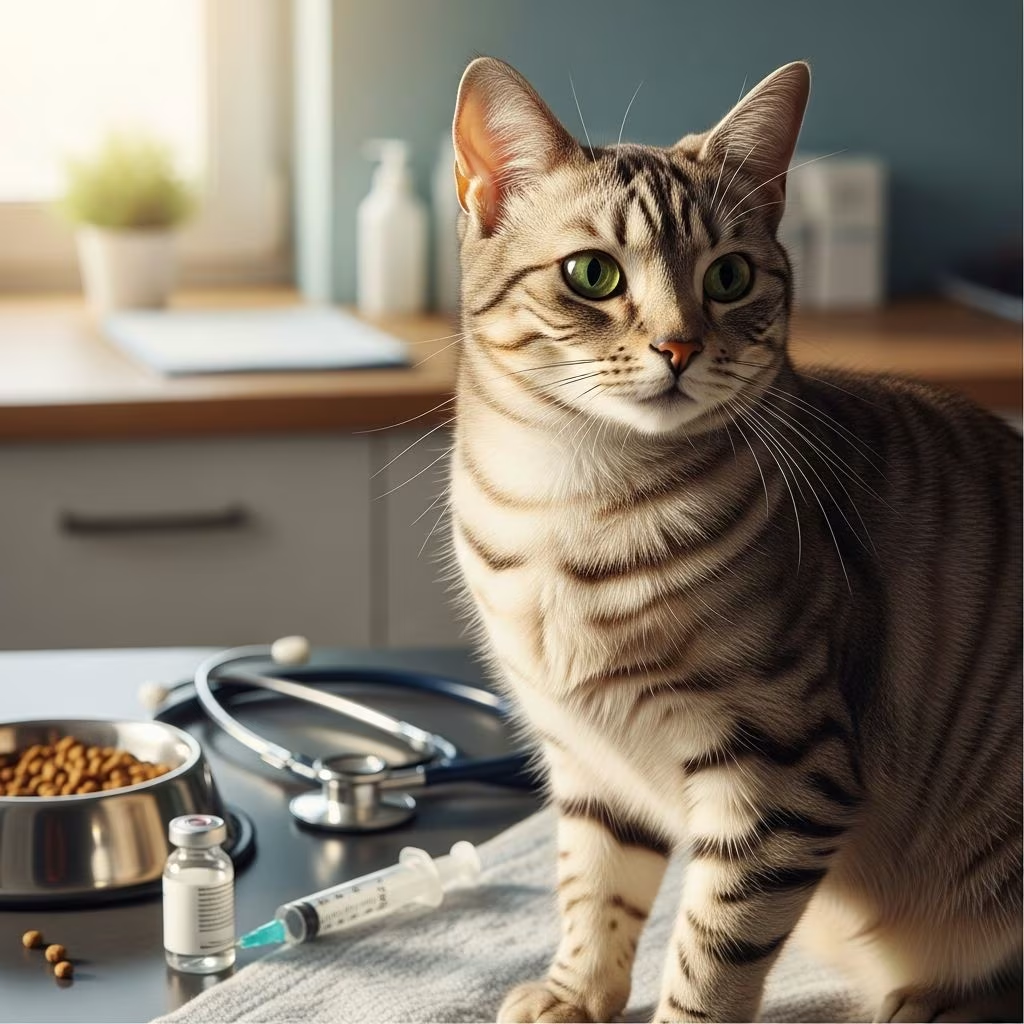
Understanding Diabetes Mellitus in Cats
Diabetes mellitus is a common endocrine disorder affecting cats of all ages, though it occurs more frequently in older and overweight felines. This metabolic disease develops when the pancreas fails to produce sufficient insulin or when the body cannot effectively utilize the insulin that is produced. Understanding this condition is crucial for cat owners, as early detection and appropriate management can significantly improve a cat’s quality of life and may even lead to remission in many cases.
The condition occurs when blood glucose levels become abnormally elevated because cells cannot absorb glucose without adequate insulin signaling. This results in hyperglycemia, which triggers various clinical signs that alert owners to seek veterinary care. With proper treatment combining insulin therapy, dietary modifications, and weight management, many cats can achieve excellent glycemic control and potentially enter remission.
Types and Classification of Feline Diabetes
Feline diabetes is typically classified into two main categories: insulin-dependent diabetes mellitus (IDDM) and non-insulin-dependent diabetes mellitus (NIDDM). Understanding these classifications helps veterinarians determine the most appropriate treatment approach for each individual cat.
Type I Diabetes (Insulin-Dependent) occurs when the pancreas produces little to no insulin, necessitating lifelong insulin replacement therapy. This form is less common in cats and typically requires permanent treatment.
Type II Diabetes (Non-Insulin-Dependent) is the most prevalent form in cats, representing up to 90% of feline diabetes cases. In this type, the pancreas produces insulin, but the body’s cells resist its effects, a condition known as insulin resistance. This type has the highest potential for remission with appropriate dietary and weight management interventions.
Causes and Risk Factors
Several factors increase a cat’s susceptibility to developing diabetes mellitus. Obesity stands as the most significant risk factor, as excess adipose tissue increases insulin resistance and metabolic dysfunction. Older cats, particularly those over seven years of age, face elevated risk due to age-related changes in pancreatic function and insulin sensitivity.
Genetic predisposition plays a role, with certain breeds showing higher incidence rates. Environmental factors such as stress and lack of physical activity contribute to disease development. Additionally, certain medications—particularly corticosteroids—can predispose cats to diabetes by increasing insulin antagonism. Some underlying conditions like pancreatitis, hyperthyroidism, and chronic kidney disease can also precipitate diabetes development.
Clinical Signs and Symptoms
Cat owners should remain vigilant for characteristic symptoms that may indicate diabetes mellitus. The classic presentation includes the “classic four”: polydipsia (excessive thirst), polyuria (excessive urination), polyphagia (increased appetite), and weight loss despite adequate food intake.
Primary Clinical Signs:
– Increased thirst and frequent drinking from water bowls or faucets
– Increased urination, including accidents outside the litter box
– Increased appetite without corresponding weight gain
– Unexplained weight loss despite normal or increased food consumption
– Lethargy or decreased activity levels
– Poor coat quality and unkempt appearance
– Weakness, particularly in the hind limbs
In severe cases where diabetic ketoacidosis develops, additional symptoms may manifest, including vomiting, diarrhea, weakness, labored breathing, and behavioral changes. If a cat exhibits these signs, immediate veterinary attention is essential, as diabetic ketoacidosis represents a life-threatening emergency requiring intensive hospitalization.
Diagnosis of Feline Diabetes
Veterinary diagnosis of diabetes mellitus involves several diagnostic approaches to confirm the condition and assess its severity. The diagnostic process begins with a thorough physical examination and detailed history of clinical signs.
Primary Diagnostic Tests:
– Fasting Blood Glucose: A blood sample taken after an 8-12 hour fast revealing elevated glucose levels (typically above 250 mg/dL in cats)
– Random Blood Glucose: Blood glucose measurement taken without fasting, which may be elevated during acute illness or stress
– Urinalysis: Detection of glucose in the urine (glycosuria), which indicates blood glucose levels have exceeded the renal threshold
– Serum Fructosamine: Measures average blood glucose over the previous 2-3 weeks, providing insight into long-term glycemic control
– Hemoglobin A1c: Reflects blood glucose control over 2-3 months, though this test is less commonly used in veterinary medicine
Additional blood work including a complete blood count, chemistry panel, and thyroid function tests help identify underlying conditions that may contribute to diabetes or affect treatment decisions. Some cats may require abdominal ultrasound to assess pancreatic health and rule out other pathology.
Treatment Options for Diabetic Cats
Diabetes mellitus in cats is treatable, though management requires commitment and consistent care. Treatment approaches have evolved significantly, offering cat owners multiple options to choose from based on their individual circumstances and their cat’s specific needs.
Initial Management Steps
Before initiating insulin or oral medications, veterinarians address underlying predisposing factors. Withdrawal of insulin-antagonizing medications, particularly corticosteroids, may resolve diabetes in some cases. Weight normalization through careful dietary management and increased physical activity represents a critical component of initial therapy. For obese cats, even modest weight loss can dramatically improve insulin sensitivity and may lead to diabetes remission.
Insulin Therapy
Injectable insulin remains the gold standard and most effective treatment for feline diabetes, with the highest success rates for achieving remission. Insulin therapy works by replacing the hormone the pancreas fails to produce or helping overcome insulin resistance at the cellular level.
Common Insulin Types Used in Cats:
– Insulin Glargine (Lantus): A long-acting basal insulin with a 24-hour duration, frequently recommended for newly diagnosed cases due to superior remission rates
– Protamine Zinc Insulin (PZI/ProZinc): Intermediate to long-acting insulin with comparable efficacy to glargine
– Insulin Lente (Vetsulin): Intermediate-acting insulin providing good glycemic control
– Insulin Detemir (Levemir): Long-acting basal insulin associated with favorable remission outcomes
Administration Protocol: Most cats receive insulin injections twice daily, approximately 12 hours apart, administered subcutaneously (under the skin) using very small needles that cause minimal discomfort. Starting doses typically range from 0.25-0.5 U/kg twice daily, with adjustments based on blood glucose response. The vast majority of cats tolerate injections well, and owners quickly adapt to the routine. Modern insulin pens have simplified administration, making the process more convenient for pet owners.
Cost Considerations: While insulin glargine is more expensive than alternative insulins, its superior remission rates may prove more economical long-term, as successful remission eliminates the need for continued insulin therapy and associated veterinary visits.
Dietary Management
Nutritional therapy serves as a cornerstone of diabetes management and significantly influences treatment success. The optimal diabetic diet for cats emphasizes high protein and low carbohydrate content, mirroring feline nutritional requirements evolved through their obligate carnivorous nature.
Dietary Recommendations: Wet or canned foods are strongly preferred over dry kibble, as they contain significantly lower carbohydrate levels and higher moisture content. Prescription diabetic diets specifically formulated for glucose management are typically recommended. These specialized diets support weight loss in overweight cats while maintaining lean muscle mass, and they help stabilize blood glucose levels, potentially reducing insulin requirements.
Weight normalization should be gradual and carefully monitored, with target reductions of approximately 1-2% of body weight per week. Rapid weight loss can precipitate hepatic lipidosis, a serious liver condition in cats. Dietary changes should be implemented in consultation with a veterinarian to ensure nutritional adequacy and safe weight loss progression.
Oral Medications
New oral medication options have expanded treatment possibilities for certain cats, though these remain secondary to insulin therapy in most cases.
Sulfonylurea Class: Glipizide and glimepiride stimulate remaining pancreatic beta cells to release insulin. While convenient, these medications show disappointing long-term success rates (approximately 15% sustained remission beyond one year) and should not be used in thin cats or those with ketonuria indicating absolute insulin deficiency.
SGLT2 Inhibitors: Bexacat and Senvelgo represent newer drug classes approved by the FDA for feline diabetes treatment. These medications work through distinct mechanisms, reducing glucose reabsorption in the kidneys and promoting urinary glucose excretion. However, cats previously treated with insulin should not receive these medications due to increased diabetic ketoacidosis risk.
Monitoring and Management
Successful diabetes management requires regular monitoring to assess treatment effectiveness and adjust therapy as needed. Home blood glucose monitoring has become increasingly important, allowing owners to track their cat’s response to treatment between veterinary visits. Cats benefit from frequent assessment during initial stabilization, typically occurring within days to weeks of treatment initiation.
Monitoring Schedule:
– Initial Phase: Veterinary reassessment every 1-2 weeks after treatment initiation
– Stabilization Phase: Monthly assessments until stable glycemic control achieved
– Maintenance Phase: Every 3-6 months once stable, with more frequent monitoring if changes occur
Owners should monitor for signs of hypoglycemia (excessively low blood sugar) including lethargy, weakness, tremors, seizures, or loss of consciousness. These indicate over-treatment and require immediate veterinary attention.
Diabetic Remission in Cats
One of the most encouraging aspects of feline diabetes management is the realistic possibility of remission, where cats no longer require insulin therapy despite being diabetic. Studies indicate that 40-60% of treated cats achieve remission, particularly when diagnosed early and managed aggressively.
Predictors of Remission Include:
– Achieving excellent glycemic control within six months of diagnosis
– Using insulin glargine or detemir as initial insulin therapy
– Implementing intensive home monitoring protocols
– Feeding low-carbohydrate, high-protein diets
– Achieving and maintaining ideal body weight
– Discontinuing insulin-antagonizing medications
Cats that achieve remission should continue receiving diabetic diet and weight management indefinitely, as diabetes recurrence remains possible if previous predisposing factors return.
Treatment Goals and Quality of Life
The primary objectives of feline diabetes treatment extend beyond simply lowering blood glucose values. Comprehensive treatment goals include:
– Restoring normal blood glucose concentrations
– Eliminating excessive thirst and urination
– Stopping or controlling weight loss
– Preventing inappropriately low blood sugar from treatment
– Avoiding diabetes-related complications including neuropathy and ketoacidosis
– Maintaining excellent quality of life and owner satisfaction
Successful management means minimal clinical signs, good quality of life perception by owners, favorable treatment response, and prevention of serious complications.
Long-Term Commitment
Managing feline diabetes represents a long-term commitment requiring consistent effort from dedicated cat owners. However, with proper treatment, monitoring, and owner dedication, most diabetic cats live high-quality lives for years following diagnosis. The combination of insulin therapy, appropriate diet, weight management, and regular veterinary oversight provides cats with the best opportunity for improved health outcomes and potential remission.
Frequently Asked Questions
Q: Can cats recover from diabetes?
A: Yes, many cats can achieve remission with proper treatment. Approximately 40-60% of treated cats no longer require insulin therapy, particularly when diagnosed early, managed with insulin glargine, fed low-carbohydrate diets, and maintain ideal body weight.
Q: How often do diabetic cats need insulin injections?
A: Most diabetic cats receive insulin injections twice daily, approximately 12 hours apart. Some cats stabilize on once-daily injections, though twice-daily dosing is standard. Your veterinarian will determine the appropriate frequency for your cat.
Q: Will my cat be in pain from insulin injections?
A: No, modern insulin syringes use very small needles that cause minimal to no discomfort. The vast majority of cats tolerate injections well, and most owners become comfortable administering them quickly.
Q: What diet is best for diabetic cats?
A: Wet or canned foods with high protein and low carbohydrate content are preferred over dry kibble. Prescription diabetic diets formulated specifically for glucose management are typically recommended by veterinarians.
Q: What should I do if my diabetic cat shows signs of hypoglycemia?
A: If your cat exhibits lethargy, weakness, tremors, or seizures, contact your veterinarian immediately, as these signs indicate dangerously low blood sugar requiring emergency treatment.
Q: Are there non-insulin treatment options for diabetic cats?
A: Yes, oral medications including sulfonylureas and newer SGLT2 inhibitors (Bexacat, Senvelgo) are available. However, insulin therapy remains the most effective treatment with the highest remission rates. Oral medications may be appropriate for specific cats based on their medical history.
References
- Cat Diabetes: Symptoms, Diagnosis, Treatment — Best Friends Animal Society. 2024. https://bestfriends.org/pet-care-resources/cat-diabetes-symptoms-diagnosis-treatment
- Diabetes Mellitus in Dogs and Cats – Endocrine System — Merck Veterinary Manual. 2024. https://www.merckvetmanual.com/endocrine-system/the-pancreas/diabetes-mellitus-in-dogs-and-cats
- Feline Diabetes — Cornell University College of Veterinary Medicine. 2024. https://www.vet.cornell.edu/departments-centers-and-institutes/cornell-feline-health-center/health-information/feline-health-topics/feline-diabetes
- 2018 AAHA Diabetes Management Guideline for Dogs and Cats — American Animal Hospital Association. 2018. https://www.aaha.org/resources/2018-aaha-diabetes-management-guideline-for-dogs-and-cats/cats/
- Diabetes in Cats: Signs, Treatment, and Prognosis — PetMD. 2024. https://www.petmd.com/cat/conditions/endocrine/c_ct_diabetes_mellitus
- Diabetes Mellitus in Cats – Overview — VCA Animal Hospitals. 2024. https://vcahospitals.com/know-your-pet/diabetes-mellitus-in-cats-overview
- Two New Drugs to Treat Diabetes in Cats — U.S. Food and Drug Administration. 2024. https://www.fda.gov/animal-veterinary/animal-health-literacy/two-new-drugs-treat-diabetes-cats-one-right-your-cat



