

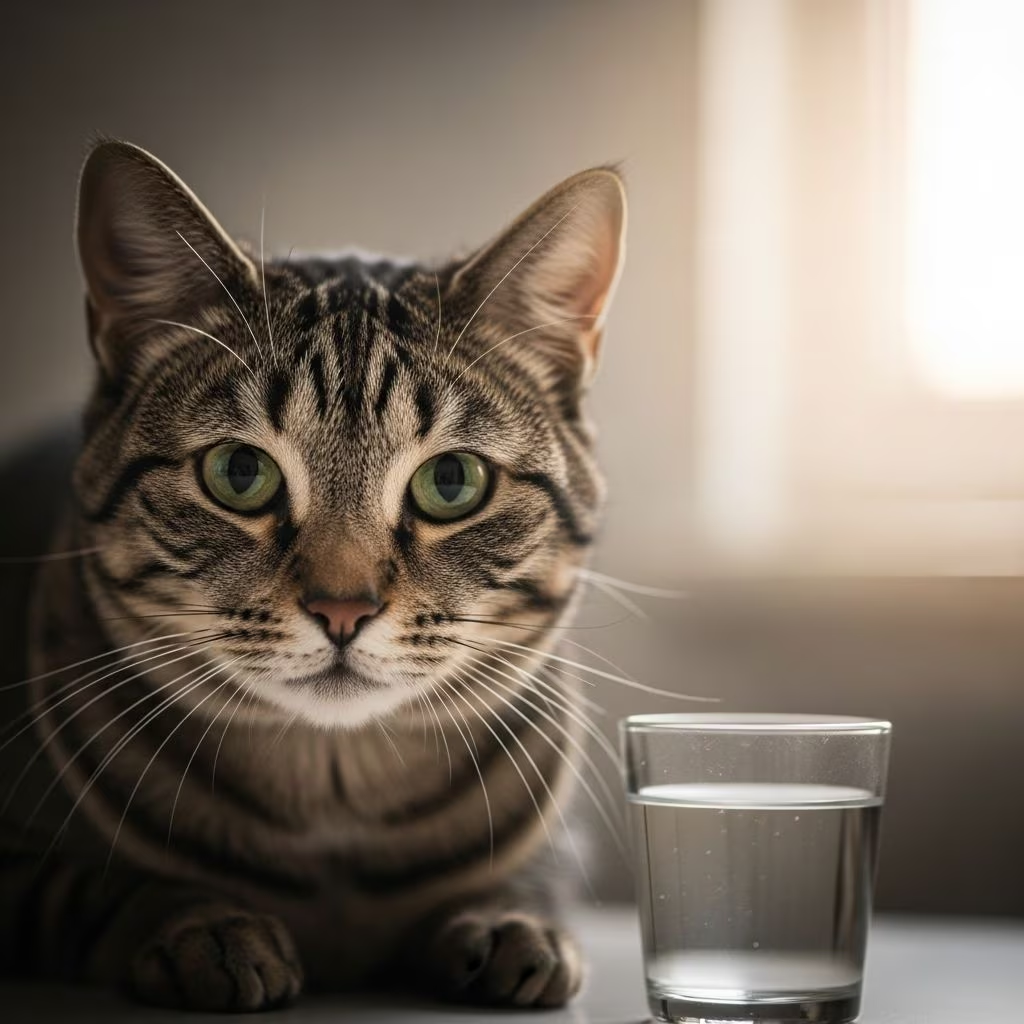
Understanding Diabetes Insipidus in Cats
Diabetes insipidus (DI) is a relatively rare endocrine disorder in cats that affects the body’s ability to regulate water balance. Unlike diabetes mellitus, which involves blood sugar regulation, diabetes insipidus results from either a deficiency of antidiuretic hormone (ADH) or the kidneys’ inability to respond to this hormone. ADH is a crucial hormone produced by the pituitary gland that helps regulate water reabsorption in the kidneys, maintaining proper hydration and electrolyte balance in the body.
This condition can significantly impact a cat’s quality of life if left untreated, but with proper diagnosis and management, cats with diabetes insipidus can maintain relatively normal, healthy lives. Understanding the causes, recognizing early symptoms, and implementing appropriate treatment strategies are essential for pet owners whose cats have been diagnosed with this condition.
Types of Diabetes Insipidus in Cats
Diabetes insipidus in cats manifests in two distinct forms, each with different underlying causes and treatment approaches:
Central Diabetes Insipidus (CDI)
Central diabetes insipidus occurs when the pituitary gland fails to produce adequate amounts of antidiuretic hormone. This type results from damage or dysfunction of the brain’s pituitary gland, which can be caused by trauma, tumors, infections, or other neurological conditions. CDI is the most common form of diabetes insipidus in cats and is often associated with head trauma in younger cats, particularly those with outdoor or indoor-outdoor lifestyles.
Nephrogenic Diabetes Insipidus (NDI)
Nephrogenic diabetes insipidus develops when the kidneys are unable to respond appropriately to antidiuretic hormone, even though the hormone is being produced in normal quantities. This form of the condition can result from chronic kidney disease, pyelonephritis, hypercalcemia, or certain medications. The kidneys’ resistance to ADH leads to excessive water loss and the characteristic symptoms of the disease.
Recognizing Symptoms and Signs
Early detection of diabetes insipidus is crucial for effective management and preventing complications. Pet owners should be vigilant for the following symptoms:
- Excessive thirst (polydipsia) – Cats with diabetes insipidus will drink abnormally large amounts of water throughout the day
- Frequent urination (polyuria) – Increased frequency of urination with larger volumes of dilute urine
- Urinary accidents – Inappropriate urination outside the litter box due to inability to control frequent urination
- Dehydration signs – Dry mucous membranes, sunken eyes, or reduced skin elasticity despite increased water consumption
- Weight loss – Unintentional weight loss as the body compensates for increased water and nutrient loss
- Lethargy and weakness – General decrease in energy levels and activity
- Decreased appetite – Reduced interest in food
- Neurological abnormalities – In severe cases, seizures, disorientation, or incoordination may occur if dehydration becomes severe
If water access becomes restricted in untreated cats, severe dehydration can rapidly develop, leading to stupor, coma, and potentially death. Therefore, ensuring continuous access to fresh water is critical for any cat suspected of having this condition.
Diagnosis of Diabetes Insipidus
Diagnosing diabetes insipidus requires a systematic approach combining clinical evaluation, laboratory tests, and response to specific medications. The diagnostic process typically includes:
Initial Assessment
Your veterinarian will begin by reviewing your cat’s medical history, noting the onset and progression of symptoms. They will perform a complete physical examination and may recommend baseline laboratory work, including blood work and urinalysis to assess kidney function and urine concentration.
Water Deprivation Test
One of the primary diagnostic tools is the water deprivation test. During this test, water intake is carefully restricted while urine production and concentration are monitored. In healthy cats, the kidneys respond by producing more concentrated urine. Cats with diabetes insipidus will continue producing dilute urine despite water restriction, demonstrating their inability to concentrate urine appropriately.
Desmopressin Response Trial
Following the water deprivation test, your veterinarian may conduct a desmopressin response trial. The cat is given a dose of desmopressin (synthetic ADH), and urine output and concentration are measured over the following hours or days. In cats with central diabetes insipidus, urine concentration improves significantly after desmopressin administration. Cats with nephrogenic diabetes insipidus typically show minimal or no response to desmopressin, helping differentiate between the two types.
Serum Osmolality Assessment
Blood tests measuring serum osmolality can provide additional diagnostic information. Cats with diabetes insipidus typically have elevated serum osmolality due to excessive water loss and dehydration.
Treatment Options and Management
The treatment approach for diabetes insipidus depends on whether your cat has been diagnosed with central or nephrogenic diabetes insipidus, as each type responds to different therapeutic strategies.
Managing Central Diabetes Insipidus (CDI)
Central diabetes insipidus is primarily managed through hormone replacement therapy. The standard treatment involves:
- Desmopressin (DDAVP) Administration – A synthetic form of antidiuretic hormone that replaces the hormone the body is not producing adequately. This medication can be administered in several forms: eye drops (1-4 drops into the conjunctival sac every 12 hours), oral tablets (0.1-0.2 mg every 12 hours), or subcutaneous injections
- Unlimited Water Access – Cats must have 24/7 access to fresh water and unrestricted access to litter boxes for urination
- Regular Monitoring – Frequent veterinary check-ups to monitor response to therapy and adjust dosages as needed
- Supportive Care – Additional supportive therapy options may be recommended based on your individual cat’s needs
In some cases, if a cat with CDI has unrestricted access to water and litter facilities, treatment may not be strictly necessary. However, medication significantly improves the cat’s quality of life and reduces the burden of excessive urination and thirst. Interestingly, in rare cases where central diabetes insipidus is caused by head trauma, some cats may eventually recover spontaneous ADH production over time.
Treating Nephrogenic Diabetes Insipidus (NDI)
Nephrogenic diabetes insipidus management takes a different approach since the kidneys cannot respond to ADH. Treatment focuses on:
- Thiazide Diuretics – Oral hydrochlorothiazide (HydroDiuril) helps concentrate urine and reduce urination frequency
- Low-Sodium Diet – Dietary modifications restricting sodium intake help reduce urine output
- Underlying Disease Treatment – Addressing and treating any underlying conditions contributing to nephrogenic diabetes insipidus, such as chronic kidney disease or infections
- Kidney Function Monitoring – Regular laboratory work to assess kidney function and electrolyte balance
General Care Considerations
Regardless of the type of diabetes insipidus, all affected cats require consistent medication administration, regular veterinary check-ups, and careful monitoring. Pet parents should watch for signs of overhydration when treating with desmopressin, including vomiting, diarrhea, difficulty breathing, or changes in mentation. These symptoms indicate that doses may need adjustment.
Long-Term Prognosis and Quality of Life
Can cats with diabetes insipidus live normal lives? The answer is yes, with proper treatment and management. While diabetes insipidus cannot be cured in most cases—except in rare instances where trauma-induced CDI spontaneously resolves or NDI cases where the underlying cause can be completely treated—the condition can usually be successfully controlled.
Cats receiving appropriate treatment can maintain excellent quality of life, with symptom management reducing excessive thirst and urination to near-normal levels. Long-term care requirements include consistent medication administration, maintaining proper hydration, monitoring for complications, and regular veterinary assessments of kidney function and electrolyte status.
Without treatment, the prognosis differs significantly between the two types. While untreated CDI may result in a relatively acceptable quality of life if water access remains unlimited, untreated NDI inevitably leads to progressive dehydration, stupor, coma, and death. Therefore, seeking proper diagnosis and treatment is essential for all cats showing signs of diabetes insipidus.
Managing Desmopressin Treatment
For cat owners managing central diabetes insipidus with desmopressin, understanding proper administration and potential side effects is crucial. Desmopressin can be applied as eye drops, administered orally, or given by injection. Most cats receive doses administered twice daily, though dosing frequency and amount may vary based on individual response.
Potential side effects of desmopressin include water retention, electrolyte imbalances, and occasional digestive issues. Regular monitoring by your veterinarian helps identify and prevent complications. Some pet owners find oral tablets more convenient than eye drops or nasal administration, and several studies have shown oral desmopressin to be an effective alternative treatment route.
Frequently Asked Questions
Q: What is the difference between diabetes insipidus and diabetes mellitus in cats?
A: Diabetes insipidus involves water regulation and ADH hormone deficiency, while diabetes mellitus involves blood glucose regulation and insulin deficiency. These are completely different conditions requiring different treatments.
Q: Can diabetes insipidus be cured in cats?
A: Diabetes insipidus cannot be cured in most cases, but it can be successfully managed with appropriate treatment. Rare exceptions include trauma-induced cases that may spontaneously resolve or some NDI cases where underlying causes are completely treated.
Q: How often does my cat need veterinary check-ups if diagnosed with diabetes insipidus?
A: Cats with diabetes insipidus require regular veterinary check-ups to monitor response to therapy, adjust medication dosages as needed, and assess kidney function and electrolyte balance through laboratory work.
Q: What should I do if my cat shows signs of overhydration while on desmopressin?
A: Signs of overhydration include vomiting, diarrhea, difficulty breathing, or changes in mentation. Contact your veterinarian immediately, as dose adjustment may be necessary.
Q: Can I prevent diabetes insipidus in my cat?
A: While not all cases can be prevented, reducing head trauma risk by providing a safe environment, particularly for outdoor and indoor-outdoor cats, may help prevent trauma-induced central diabetes insipidus.
Q: Is diabetes insipidus painful for cats?
A: Diabetes insipidus itself is not painful, but the symptoms of excessive urination, dehydration, and electrolyte imbalances can cause discomfort. Proper treatment effectively manages these symptoms.
References
- Diabetes Insipidus in Cats — VCA Animal Hospitals. https://vcahospitals.com/know-your-pet/diabetes-insipidus-in-cats
- Diabetes Insipidus in Cats — PetMD. https://www.petmd.com/cat/conditions/endocrine/c_ct_diabetes_insipidus
- Central diabetes insipidus in five cats — PubMed Central. 2005. https://pubmed.ncbi.nlm.nih.gov/15927500/
- Diabetes Insipidus in Animals – Endocrine System — MSD Veterinary Manual. https://www.msdvetmanual.com/endocrine-system/the-pituitary-gland/diabetes-insipidus-in-animals
- Diabetes Insipidus in Animals – Endocrine System — Merck Veterinary Manual. https://www.merckvetmanual.com/endocrine-system/the-pituitary-gland/diabetes-insipidus-in-animals



