

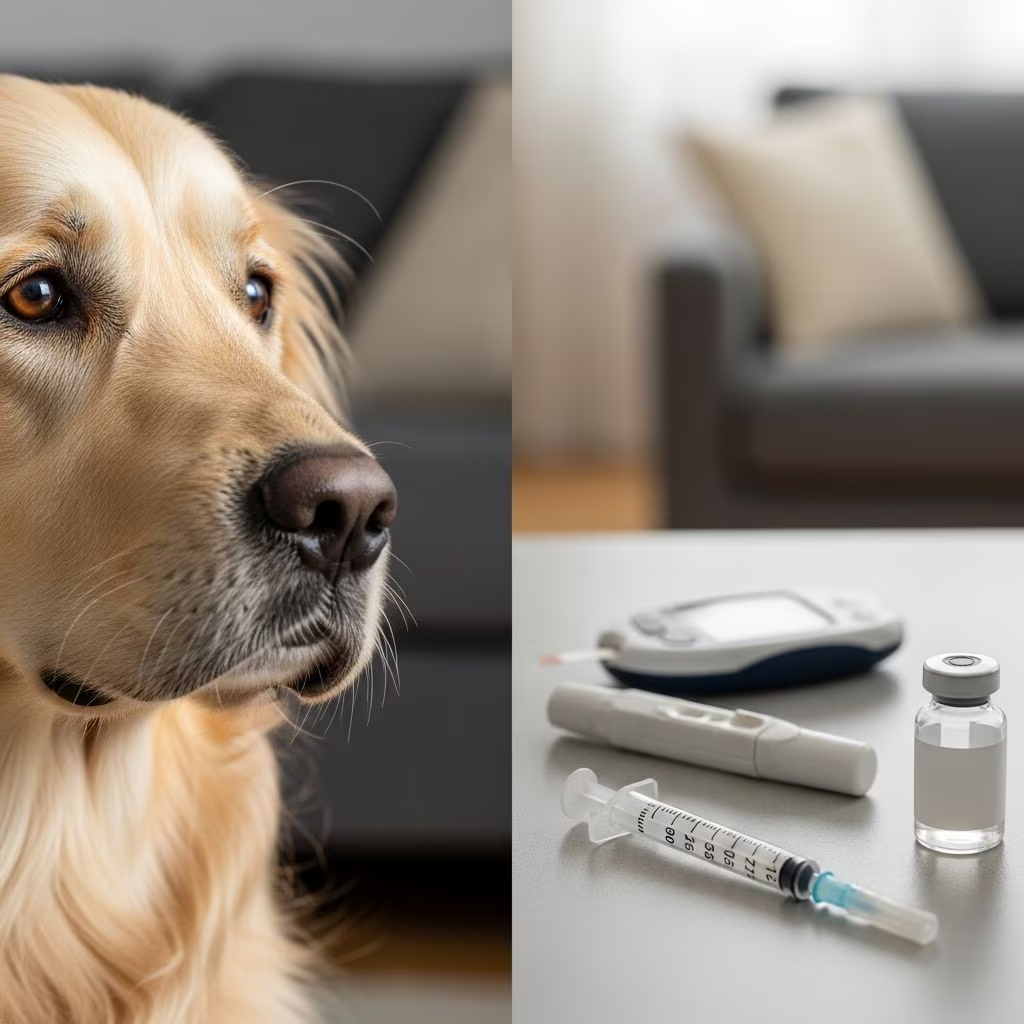
Understanding Diabetes in Dogs
Diabetes mellitus is a serious health condition that affects numerous dogs each year. This endocrine disorder occurs when a dog’s pancreas fails to produce adequate amounts of insulin, or the body cannot effectively utilize the insulin that is produced. When left unmanaged, diabetes can significantly impact your dog’s quality of life and lead to serious complications.
For dog owners, understanding the basics of canine diabetes is essential for recognizing early warning signs and seeking timely veterinary care. While diabetes is not curable, it can be successfully managed with proper treatment, consistent diet, regular exercise, and close monitoring. Many diabetic dogs go on to live long, happy lives when their condition is well-controlled.
Types of Diabetes in Dogs
Understanding the different types of diabetes is crucial for pet owners, as each type may have different underlying causes and management strategies.
Insulin-Deficiency Diabetes (Type 1)
Insulin-deficiency diabetes, also known as Type 1 diabetes, is the most common form of diabetes in dogs. This type occurs when the pancreas fails to produce sufficient amounts of insulin to regulate blood sugar levels. The condition typically results from destruction or damage to the insulin-producing beta cells in the pancreas. Dogs with insulin-deficiency diabetes require daily insulin injections to replace the missing hormone and maintain proper blood glucose levels. This is similar to Type 1 diabetes in humans and represents the majority of canine diabetes cases.
Insulin-Resistance Diabetes (Type 2)
Insulin-resistance diabetes occurs when the pancreas is producing some insulin, but the dog’s body isn’t utilizing it effectively. In this type, the cells aren’t responding to insulin’s message, preventing glucose from entering the cells and remaining elevated in the bloodstream. This form of diabetes is particularly common in older dogs and those who are overweight or obese. Female dogs may also experience temporary insulin resistance while in heat or during pregnancy.
Common Symptoms of Diabetes in Dogs
Early detection of diabetes is crucial for effective management and preventing serious complications. Dog owners should watch for the following symptoms:
Primary Symptoms
- Excessive thirst (polydipsia)
- Increased urination, particularly accidents in the house
- Unexplained weight loss despite normal or increased appetite
- Lethargy and lack of energy
- Changes in appetite, either increase or decrease
- Poor coat condition
- Vomiting
Additional Warning Signs
Beyond the primary symptoms, dog owners should be alert to other indicators of diabetes, including recurrent urinary tract infections, cloudy eyes or vision changes, weakness, and a sweet-smelling breath. Some diabetic dogs may also experience seizures or display depressed attitudes. If your dog exhibits any combination of these symptoms, schedule a veterinary appointment as soon as possible for proper evaluation and testing.
Causes and Risk Factors
Several factors can contribute to the development of diabetes in dogs, and understanding these can help with prevention and early management.
Primary Causes
The most common cause of insulin-deficiency diabetes in dogs is a dysfunctional immune system that attacks and damages the pancreas, or pancreatic injury from an inflammatory condition called pancreatitis. Chronic or repeated pancreatitis can eventually cause extensive damage to the pancreas, resulting in diabetes development.
Contributing Risk Factors
Several factors increase a dog’s risk of developing diabetes:
- Obesity: Approximately 60% of dogs in the United States are overweight, and obesity significantly contributes to insulin resistance. Excess weight also increases the risk of pancreatitis.
- Medication Side Effects: Certain medications, particularly steroids, can trigger diabetes development as a side effect.
- Endocrine Disorders: Conditions like Cushing’s disease or excess hormone production can lead to diabetes. Female dogs that have not been spayed may be at higher risk.
- Age: Older dogs are more susceptible to developing diabetes.
- Breed Predisposition: Some breeds appear to have genetic predispositions to diabetes.
Diagnosis of Canine Diabetes
If your veterinarian suspects your dog has diabetes, they will perform a comprehensive diagnostic evaluation to confirm the diagnosis and establish a baseline for treatment.
Diagnostic Tests
The diagnosis of diabetes typically involves blood tests to measure glucose levels and urinalysis to detect glucose in the urine. Your veterinarian will conduct a thorough physical examination and review your dog’s medical history. Fasting blood glucose levels significantly elevated above normal ranges typically indicate diabetes. Additional tests may be performed to rule out other underlying conditions or complications.
Treatment Options for Diabetic Dogs
While diabetes cannot be cured in dogs, it can be effectively managed with a comprehensive treatment approach. The goal of treatment is to regulate blood glucose levels, alleviate symptoms, and prevent serious complications like diabetic ketoacidosis.
Insulin Therapy
Insulin is the cornerstone of diabetes treatment in dogs and the primary method for regulating blood glucose. The vast majority of diabetic dogs require insulin injections for life once diagnosed. Most dogs require two daily insulin injections to maintain stable blood sugar levels throughout the day.
Several types of insulin are available for dogs, with the most commonly used being Vetsulin (Caninsulin), Humulin N, and Detemir (Levemir). Other available options include Glargine (Lantus) and Protamine Zinc (ProZinc). Your veterinarian will determine which insulin type is best suited for your dog based on their individual needs and response to treatment.
Administering Insulin
While the thought of giving insulin injections may seem daunting initially, most owners find the process manageable with proper training. Your veterinarian will train you on proper injection techniques to ensure safe and effective administration. Consistency is vital—insulin should be given at the same times each day, and your dog should eat before receiving an injection. If your dog doesn’t eat or only partially eats, administer only half the scheduled insulin dose, as insulin cannot be removed from the body once injected.
Dietary Management
Diet plays a crucial role in managing canine diabetes. Your veterinarian will recommend a diet specifically formulated to support your dog’s condition. Ideally, a diabetic dog’s diet should include:
- High-quality protein for muscle maintenance
- Complex carbohydrates that slow glucose absorption
- Adequate fiber for digestive health
- Lower fat content as recommended by your veterinarian
A consistent feeding schedule is essential, as it helps regulate blood glucose levels and works in conjunction with insulin therapy. Feed your dog at the same times each day to maintain predictable glucose patterns.
Exercise and Physical Activity
Regular, moderate exercise is an important component of diabetes management. Consistent physical activity helps prevent sudden spikes or drops in glucose levels and contributes to maintaining a healthy weight. Daily walks, playtime, and mental stimulation appropriate to your dog’s age and health status can significantly support diabetes management. However, exercise routines should be consistent; sudden increases in activity can cause blood glucose levels to drop unexpectedly.
Managing Your Diabetic Dog’s Daily Life
Successful diabetes management requires commitment and consistency from pet owners. Several lifestyle factors are critical for maintaining your dog’s health.
Creating a Stable Environment
Your diabetic dog should live indoors to minimize uncontrollable variables that can disrupt regulation. A stable, stress-free lifestyle is important, as stress can affect blood glucose levels. Maintaining consistent routines for feeding, exercise, and insulin administration helps your dog’s body maintain stable glucose levels.
Regular Veterinary Monitoring
Regular veterinary examinations are essential for monitoring your dog’s diabetes management. Your veterinarian will assess how well your dog’s diabetes is controlled and may adjust insulin doses as needed. Regular blood tests and urinalysis help track your dog’s response to treatment and identify any complications early.
Recognizing Complications
Pet owners should be aware of serious complications that can develop if diabetes is not well-managed. Diabetic ketoacidosis is a potentially life-threatening acute condition that can be accompanied by rapid breathing, dehydration, lethargy, vomiting, or sweet-smelling breath. This condition can be triggered by stress, surgery, infection, or fasting combined with low insulin levels. Owners should keep ketone testing sticks on hand and test their dog’s urine if any concerning symptoms occur. If the urine tests positive for ketones, contact an emergency veterinarian immediately.
Other potential complications include kidney failure, hypoglycemia (low blood sugar), and recurrent urinary tract infections, which can develop due to excess glucose in the urine creating an ideal environment for bacterial growth.
Treatment Comparison Table
| Management Strategy | Description | Frequency | Importance |
|---|---|---|---|
| Insulin Injections | Primary treatment to regulate blood glucose | Twice daily | Essential |
| Diet Management | High-protein, high-fiber diet with complex carbs | Consistent daily schedule | Critical |
| Regular Exercise | Moderate, consistent physical activity | Daily | Important |
| Veterinary Monitoring | Blood tests and physical examinations | Regular intervals | Essential |
| Weight Management | Maintaining healthy body weight | Ongoing | Important |
Prognosis and Quality of Life
With proper management, many diabetic dogs live long, happy, and fulfilling lives. The prognosis for a newly diagnosed diabetic dog is generally favorable when owners commit to consistent treatment and lifestyle management. Some dogs may even experience remission if underlying causes are addressed, such as managing obesity, treating Cushing’s disease, or spaying female dogs.
Frequently Asked Questions About Dog Diabetes
Q: Is dog diabetes curable?
A: Unfortunately, diabetes is not curable in dogs, and the vast majority of diabetic dogs require insulin injections for life once diagnosed. However, addressing underlying causes and maintaining consistent management can help your dog live a long, healthy life.
Q: How often does a diabetic dog need insulin injections?
A: Most diabetic dogs require two insulin injections daily. Your veterinarian will establish a specific schedule based on your dog’s individual needs and response to treatment.
Q: Can a dog go without insulin for a day?
A: While a dog can technically go a day or so without insulin without immediate crisis, this should not be a regular occurrence. Consistent daily insulin administration is vital for proper diabetes management and preventing serious complications.
Q: What should I do if my dog doesn’t eat before an insulin injection?
A: If your dog doesn’t eat or only eats half of their meal, administer only half the scheduled insulin dose. Never give a full dose if food intake is reduced, as this can cause dangerous low blood sugar levels.
Q: Are certain dog breeds more prone to diabetes?
A: While some breeds may have genetic predispositions to diabetes, any dog can develop the condition. Older dogs, obese dogs, and female dogs that have not been spayed are at higher risk.
Q: Can diet alone manage dog diabetes?
A: For most dogs with insulin-deficiency diabetes, diet alone cannot manage the condition. Dogs with this type require insulin injections combined with proper diet and exercise for effective management.
References
- How to Treat Diabetes in Dogs — LakeCross Veterinary Hospital. 2020-06-12. https://www.lakecross.com/site/blog-huntersville-vet/2020/06/12/how-treat-diabetes-dogs
- Diabetes Mellitus: Insulin Treatment in Dogs — VCA Animal Hospitals. https://vcahospitals.com/know-your-pet/diabetes-mellitus-insulin-treatment-in-dogs
- Diabetes in Dogs: Symptoms, Causes, Diagnosis, & Treatment — American Kennel Club. https://www.akc.org/expert-advice/health/diabetes-in-dogs/
- Diabetes in Dogs: Symptoms & Treatment, Oklahoma City Vet — Putnam North Animal Hospital. 2024-01-15. https://www.putnamnorthanimalhospital.com/site/blog/2024/01/15/diabetes-dogs
- Diagnosing and Treating Diabetes in Pets — ASPCA. https://www.aspca.org/news/diagnosing-and-treating-diabetes-pets
- Managing Canine Diabetes — Cornell University College of Veterinary Medicine Riney Canine Health Center. https://www.vet.cornell.edu/departments-centers-and-institutes/riney-canine-health-center/canine-health-information/managing-canine-diabetes



