

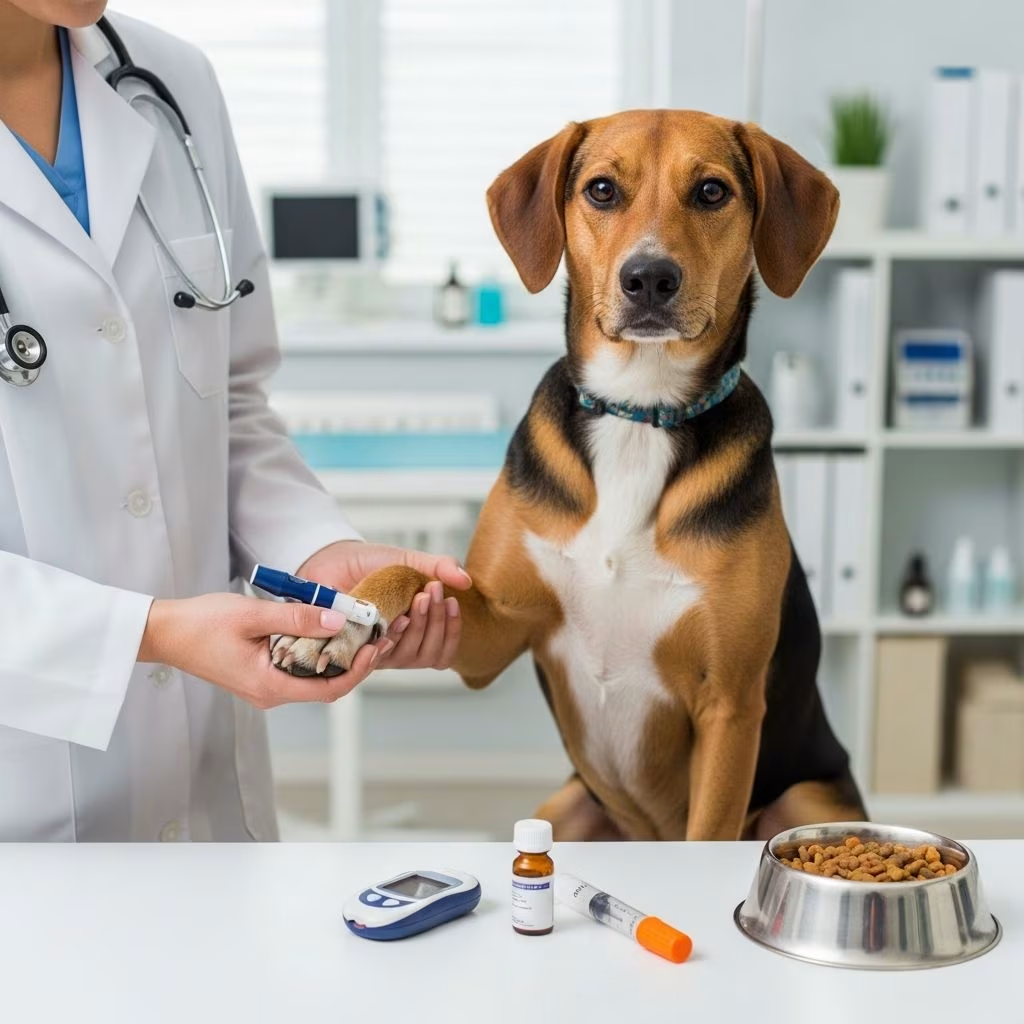
Diabetes mellitus represents a significant health challenge for dogs, disrupting their ability to regulate blood sugar levels effectively. This condition arises primarily from insufficient insulin production or poor insulin response, leading to elevated glucose in the bloodstream. While incurable, proactive management allows many affected dogs to enjoy extended, active lives. Pet owners play a crucial role in monitoring and treatment adherence.
Understanding the Fundamentals of Canine Diabetes
At its core, diabetes in dogs stems from dysfunction in the pancreas, the organ responsible for insulin secretion. Insulin facilitates glucose entry into cells for energy use. Without adequate insulin, glucose accumulates in the blood, prompting the kidneys to excrete excess via urine, which explains common initial signs.
Two primary forms exist: insulin-deficient diabetes, akin to Type 1 in humans, where the pancreas fails to produce sufficient insulin due to beta-cell destruction. This predominates in canines, necessitating lifelong injections. The second, insulin-resistance diabetes, involves normal or elevated insulin production but cellular insensitivity, often linked to obesity or hormonal shifts in unspayed females.
Recognizing Early Warning Signs
Detecting diabetes early improves outcomes. Owners should watch for these key indicators:
- Increased thirst and urination: Dogs drink and urinate excessively as kidneys flush surplus glucose.
- Unexplained weight loss: Despite normal or heightened appetite, muscles waste from energy deprivation.
- Lethargy and weakness: Reduced energy due to cells starving for glucose.
- Loss of appetite or vomiting: Advanced cases may involve gastrointestinal upset.
- Cloudy eyes or cataracts: High glucose promotes lens sugar buildup, impairing vision.
These symptoms often develop gradually, but sudden onset can signal emergencies like diabetic ketoacidosis (DKA), marked by rapid breathing, dehydration, and sweet breath from ketone production. Prompt veterinary consultation is essential upon noticing clusters of these signs.
Risk Factors and Predisposing Conditions
Certain breeds like Poodles, Dachshunds, and Miniature Schnauzers face higher susceptibility, alongside middle-aged or senior females. Obesity affects 60% of U.S. dogs, fostering insulin resistance and pancreatitis risk, a frequent diabetes precursor.
Chronic pancreatitis scars the pancreas, halting insulin output. Autoimmune attacks or toxins may also contribute. Intact females experience transient resistance during heat cycles, underscoring spaying benefits. Poor diets high in simple carbs or fats exacerbate issues, promoting inflammation and weight gain.
| Risk Factor | Description | Prevention Tip |
|---|---|---|
| Obesity | Leads to insulin resistance | Maintain ideal weight via portion control |
| Pancreatitis History | Damages insulin-producing cells | Avoid fatty meals |
| Breed Predisposition | Genetic vulnerability in specific breeds | Regular health screenings |
| Unspayed Females | Hormonal interference | Consider spaying |
Diagnostic Process: Confirming the Condition
Veterinarians employ blood and urine tests for diagnosis. Elevated fasting glucose, glucosuria, and fructosamine levels confirm chronic hyperglycemia. Glucose curves track post-meal fluctuations, while ruling out concurrent issues like urinary infections or Cushing’s disease is vital. Hospitalization may precede treatment for unstable cases.
Core Treatment Strategies: Insulin and Beyond
Treatment hinges on insulin therapy, diet, exercise, and monitoring. Dogs typically require two daily injections, administered post-meal for safety. Common insulins include Vetsulin, Humulin N, and ProZinc, selected based on veterinary assessment.
Dietary Management: Opt for high-protein, high-fiber, low-carb formulas to moderate glucose absorption. Low-fat options suit pancreatitis-prone dogs. Consistency in feeding times aligns with insulin dosing.
Exercise Regimen: Daily moderate activity, like walks, stabilizes levels but must remain routine to prevent hypoglycemia.
Monitoring Protocols: Track water intake, appetite, and urine output daily. Home glucometers or vet fructosamine tests guide adjustments. Ketone strips detect DKA risks.
Daily Management Routines for Success
Success demands commitment. Sample daily schedule:
- 7 AM: Insulin injection + measured meal
- 12 PM: Moderate walk
- 5 PM: Second injection + meal
- Evening: Monitor for hypo/hyperglycemia signs
- Weekly: Log weights, thirst levels
Hypoglycemia (low blood sugar) presents as tremors, disorientation, or seizures—treat immediately with honey or corn syrup followed by food. Stress-free indoor living minimizes variables.
Potential Complications and How to Mitigate Them
Untreated diabetes invites infections, cataracts, neuropathy, and DKA. Regular vet visits (every 3-6 months) enable dose tweaks via curves. Concurrent conditions like UTIs or endocrine disorders require targeted therapy. Many dogs regain vitality post-stabilization.
Prognosis and Long-Term Outlook
With diligent care, diabetic dogs often live normal lifespans. Early intervention and owner compliance are pivotal. Euthanasia considerations arise in refractory cases or with comorbidities, but most thrive.
Prevention: Proactive Steps for Healthy Canines
Maintain lean body weight, balanced nutrition, and routine exercise. Annual checkups catch predispositions early. Spay females to avert hormonal diabetes.
Frequently Asked Questions (FAQs)
Can dogs with diabetes eat treats?
Yes, in moderation—choose low-sugar, vet-approved options timed with meals to avoid glucose spikes.
How much does treating dog diabetes cost?
Monthly expenses range from $100-300 for insulin, supplies, and food, varying by dog size and clinic.
Is there a cure for diabetes in dogs?
No, but effective management mimics a cure, controlling symptoms lifelong.
What if I miss an insulin dose?
Contact your vet; a single miss rarely crises, but consistency prevents complications.
Can diet alone manage diabetes?
Rarely—insulin remains essential for most cases.
Partnering with Your Veterinarian
Regular communication ensures optimal control. Educate on injection techniques, storage (refrigerate, avoid freezing), and syringe disposal. Nutritional counseling tailors diets.
Empowerment through knowledge transforms diabetes from daunting to manageable, fostering joyful bonds.
References
- Diabetes in Dogs: Symptoms & Treatment — Putnam North Animal Hospital. 2024-01-15. https://www.putnamnorthanimalhospital.com/site/blog/2024/01/15/diabetes-dogs
- Diabetes in Dogs: Symptoms, Causes, & Treatment — American Kennel Club. N/A. https://www.akc.org/expert-advice/health/diabetes-in-dogs/
- Diabetes Mellitus: Insulin Treatment in Dogs — VCA Animal Hospitals. N/A. https://vcahospitals.com/know-your-pet/diabetes-mellitus-insulin-treatment-in-dogs
- Diabetes in Dogs: Treatment & When Euthanasia May Help — Paws at Peace. N/A. https://pawsatpeace.com/diabetes-dogs/
- Managing Diabetes in Dogs & Cats: A Guide for Pet Owners — Cobb Veterinary Clinic. N/A. https://cobb.vet/managing-diabetes-in-dogs-cats-a-guide-for-pet-owners/
- Managing Canine Diabetes — Cornell University College of Veterinary Medicine. N/A. https://www.vet.cornell.edu/departments-centers-and-institutes/riney-canine-health-center/canine-health-information/managing-canine-diabetes
- Diabetes in Dogs: Common Symptoms and Treatment Options — CareCredit. N/A. https://www.carecredit.com/well-u/pet-care/dog-diabetes/



