

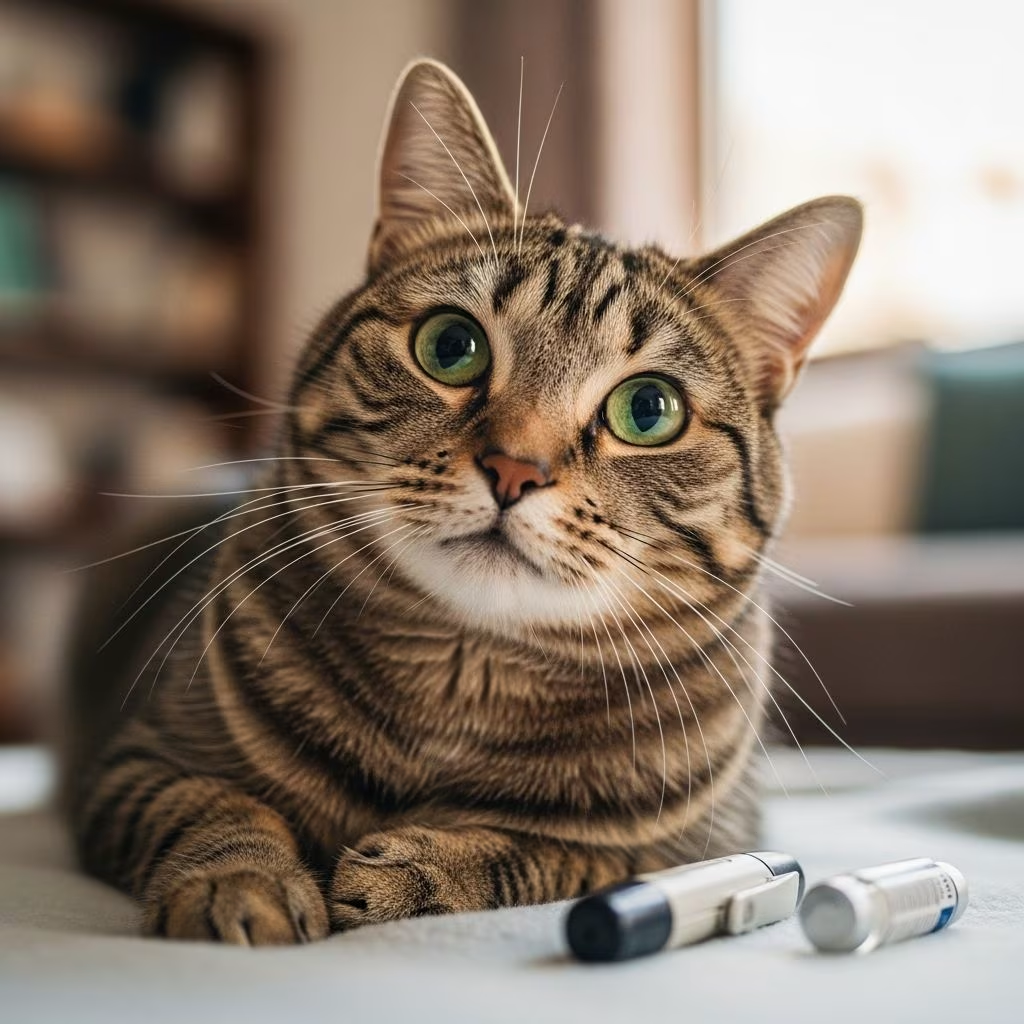
Diabetes mellitus (DM) is a common endocrine disease in cats, characterized by high blood glucose levels due to insufficient insulin production or ineffective insulin use. It affects cats’ ability to regulate blood sugar, leading to symptoms like increased thirst and urination. With proper management, including insulin therapy, low-carbohydrate diets, and monitoring, many cats achieve remission or stable control.
What Is Diabetes in Cats?
Diabetes in cats occurs when the pancreas fails to produce enough insulin or when the body becomes resistant to it, resulting in hyperglycemia. There are two main types: Type 1, involving absolute insulin deficiency, and Type 2, more common in cats, featuring insulin resistance often linked to obesity and inactivity. Unlike humans, feline diabetes is predominantly Type 2, reversible in many cases with early intervention.
The disease progresses silently at first but leads to weight loss despite increased appetite, polyuria (excessive urination), polydipsia (excessive thirst), and lethargy. Untreated, it can cause severe complications like diabetic ketoacidosis (DKA), a life-threatening condition involving ketone buildup.
Symptoms of Diabetes in Cats
Recognizing early signs is crucial for timely diagnosis and better outcomes. Common symptoms include:
- Increased thirst (polydipsia): Cats drink more water, often from unusual sources like sinks or toilets.
- Frequent urination (polyuria): Larger clumps in the litter box or accidents outside it.
- Weight loss: Despite normal or increased eating, muscle wasting occurs due to inability to use glucose for energy.
- Increased appetite (polyphagia): Hunger persists as cells starve for glucose.
- Lethargy and weakness: Reduced activity levels from energy deficits.
- Blurry vision or cataracts: High glucose affects the lens.
- Dehydration and poor coat condition: Secondary to fluid loss.
Owners often notice litter box changes first. If your cat shows these signs, consult a vet immediately.
Causes and Risk Factors of Diabetes in Cats
Several factors contribute to feline diabetes:
- Obesity: The primary risk factor; overweight cats develop insulin resistance.
- Age: Most common in cats over 7 years.
- Sex: Males are more prone.
- Breed: Burmese cats have higher genetic risk.
- Genetics: Hereditary predisposition in some lines.
- Other diseases: Pancreatitis, hyperthyroidism, or hypersomatotropism (acromegaly) exacerbate it.
- Medications: Glucocorticoids increase risk.
- Diet: High-carbohydrate dry foods promote insulin resistance.
Managing obesity through diet and exercise prevents many cases.
How Is Diabetes in Cats Diagnosed?
Diagnosis involves clinical history, physical exam, and tests:
- Blood glucose test: Levels above 200 mg/dL (11.1 mmol/L) suggest diabetes; confirmed if persistent.
- Urinalysis: Checks for glucose in urine (glucosuria) and ketones.
- Fructosamine test: Measures average glucose over 1-3 weeks, ruling out stress hyperglycemia.
- Complete blood count (CBC) and chemistry panel: Assesses organ function and comorbidities.
- Imaging or specific tests: For hypersomatotropism if suspected.
Vets differentiate from other conditions like kidney disease or hyperthyroidism.
Treatment Options for Diabetes in Cats
Treatment aims to normalize glucose, halt weight loss, reduce thirst/urination, and prevent hypoglycemia. Options include:
Insulin Therapy
Injectable insulin is the traditional mainstay. Types include:
- Lente (Vetsulin): Intermediate-acting.
- Glargine (Lantus) or ProZinc: Long-acting, often twice daily.
Start with low doses (0.25-0.5 U/kg q12h), adjust based on monitoring. Administer subcutaneously after feeding.
Oral Medications (SGLT2 Inhibitors)
Newer options like velagliflozin or bexagliflozin promote glucose excretion in urine. Suitable for some newly diagnosed cats, not those already on insulin due to DKA risk. Monitor ketones closely.
Dietary Therapy
Low-carbohydrate (<12% calories from carbs) diets are essential. Prescription wet foods preferred over dry to increase hydration and reduce carbs.
- Feed 2-3 small meals daily, timed with insulin.
- Aim for weight loss in obese cats: 1-2% body weight/week.
Exercise
Daily play increases insulin sensitivity. Indoor cats benefit from interactive toys.
Monitoring Your Diabetic Cat
Regular checks ensure control and detect issues early.
- Clinical signs: Use ALIVE Diabetic Clinical Score (DCS) assessing appetite, lethargy, vomiting, energy (0-12 scale; lower better).
- Home monitoring: Weight, water intake, urine output, BG via glucometer or continuous glucose monitor (CGM).
- Vet visits: Weeks 1,2,4 post-diagnosis; then monthly. Blood glucose curves every 3-6 months.
- Fructosamine/ketones: Track long-term control and complications.
Target BG: 5-20 mmol/L (90-360 mg/dL). Adjust insulin 1U increments.
Complications of Diabetes in Cats
Untreated or poorly managed diabetes leads to:
- Hypoglycemia: Too much insulin causes weakness, seizures. Treat with corn syrup on gums.
- Diabetic Ketoacidosis (DKA): Acidic blood from ketones; emergency requiring hospitalization.
- Plantar pododermatitis: Cracked footpads from glucose.
- Urinary infections: From glucosuria.
- Organ damage: Kidneys, nerves, eyes.
Diabetes Remission in Cats
Up to 80% of cats achieve remission with early, aggressive treatment: low-dose glargine, strict low-carb diet, weight loss. Remission means no insulin needed, but lifelong monitoring/diet required. Less likely after 6 months.
Living with a Diabetic Cat: Tips for Owners
- Establish routine: Consistent feeding/insulin times.
- Keep log: BG, food, signs via app.
- Bond through care: Treats post-injection.
- Emergency kit: Glucose, syringes.
Frequently Asked Questions (FAQs)
Can diabetes in cats be cured?
Many achieve remission, especially early-diagnosed Type 2 cases, but it’s managed lifelong.
How often do I give insulin to my cat?
Typically twice daily; vet determines schedule.
What diet is best for diabetic cats?
Low-carb prescription wet food.
What are signs of low blood sugar in cats?
Grogginess, tremors, seizures; rub corn syrup on gums.
Can my cat still go into remission on oral meds?
Possible, but insulin with diet offers highest rates; discuss with vet.
References
- iCatCare 2025 consensus guidelines on the diagnosis and management of diabetes mellitus in cats — Journal of Feline Medicine and Surgery. 2025. https://pmc.ncbi.nlm.nih.gov/articles/PMC12612538/
- Feline Diabetes — Cornell University College of Veterinary Medicine. Accessed 2026. https://www.vet.cornell.edu/departments-centers-and-institutes/cornell-feline-health-center/health-information/feline-health-topics/feline-diabetes
- Diabetes Mellitus in Cats – Owner Instructions — UC Davis School of Veterinary Medicine. Accessed 2026. https://healthtopics.vetmed.ucdavis.edu/health-topics/feline/diabetes-mellitus-cats-owner-instructions
- Managing Diabetes in Cats and Dogs: A Guide for Pet Owners — Charlotte Pet Vet. Accessed 2026. https://charlottepetvet.com/managing-diabetes-in-cats-and-dogs-a-guide-for-pet-owners/



