

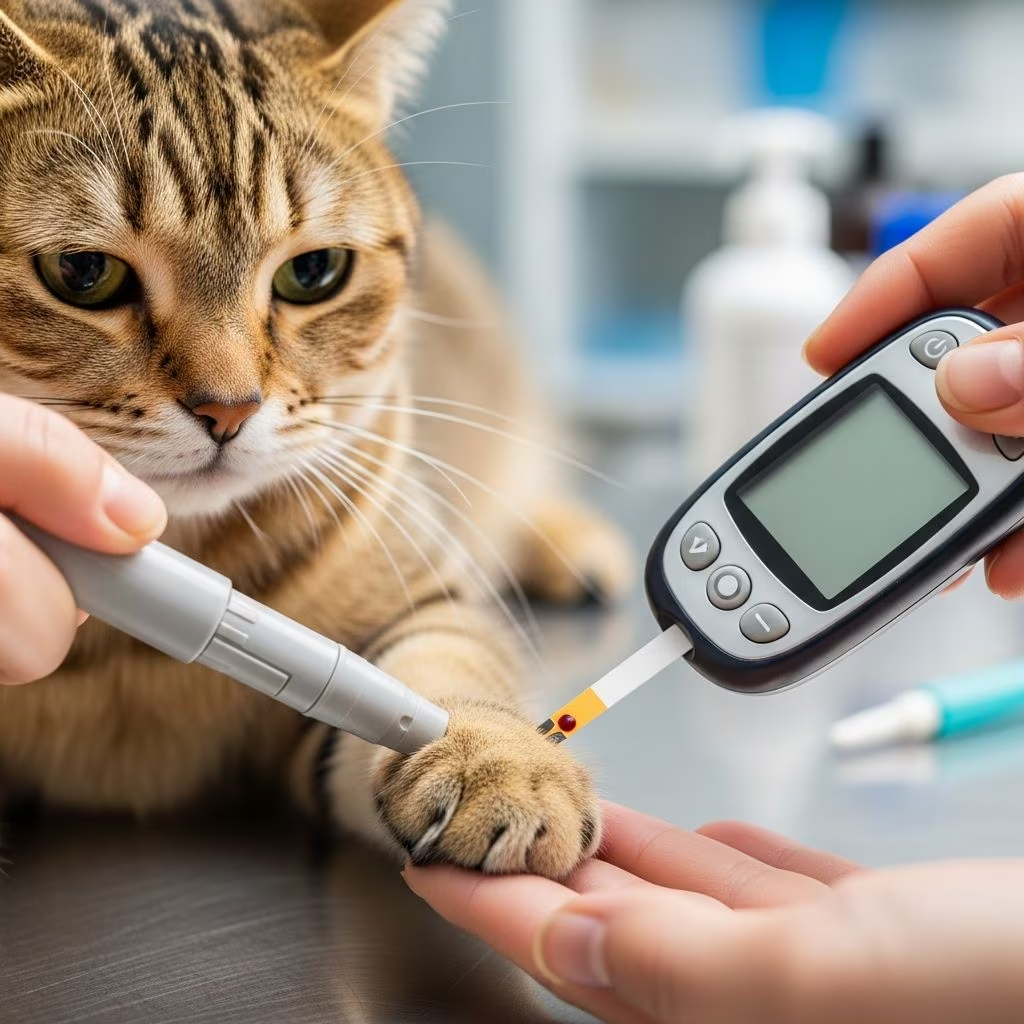
Understanding Feline Diabetes: Testing and Monitoring
Diabetes mellitus is one of the most common endocrine disorders affecting cats today. While the condition cannot be cured, proper testing and monitoring can help manage symptoms effectively and potentially achieve remission in some cases. This comprehensive guide covers everything cat owners need to know about diabetes diagnosis, testing protocols, and ongoing monitoring strategies to ensure their feline companions receive optimal care.
Why Testing and Monitoring Matter
Regular testing and monitoring are essential components of successful diabetes management in cats. These practices help veterinarians determine the appropriate insulin dosage, track treatment effectiveness, and identify any complications early. Monitoring also allows owners to detect changes in their cat’s condition and adjust treatment plans accordingly. Without proper testing and monitoring, cats may experience dangerous blood sugar fluctuations that can lead to serious health complications.
Initial Diabetes Diagnosis
Before any monitoring can begin, cats must receive an accurate diabetes diagnosis. Initial diagnosis typically involves a combination of clinical signs, physical examination, and laboratory tests.
Clinical Signs That Warrant Testing
Cat owners should watch for classic symptoms that may indicate diabetes. The most common signs include increased thirst and urination, increased appetite, and unexplained weight loss. These symptoms occur because the cat’s body cannot properly utilize glucose for energy, leading to metabolic imbalances. If a cat displays any of these signs, particularly in combination, a veterinary visit is warranted for diagnostic testing.
Diagnostic Testing Protocol
A proper diabetes diagnosis requires both blood and urine tests, as relying on blood glucose levels alone can be misleading. Cats experience stress-induced hyperglycemia, meaning their blood glucose can spike significantly during veterinary visits due to anxiety. This temporary elevation does not necessarily indicate diabetes. However, glucose typically does not spill into the urine during stress-related spikes. A urinalysis that shows glucose in the urine, combined with elevated blood glucose levels, provides a more reliable diagnosis.
The complete diagnostic workup includes a complete blood count (CBC), comprehensive metabolic panel, urine analysis with culture, and thyroid function tests (T4 levels in cats). This comprehensive approach helps rule out other conditions with similar symptoms, such as hyperthyroidism, urinary tract infections, or pancreatitis, which may mimic or contribute to diabetes symptoms.
Blood Glucose Monitoring
Once diabetes is confirmed, blood glucose monitoring becomes a cornerstone of ongoing management. Regular monitoring helps veterinarians fine-tune insulin therapy and allows owners to understand their cat’s response to treatment.
Veterinary Blood Testing
Veterinarians typically perform blood glucose tests at scheduled intervals during the initial treatment phase. These tests are essential for determining the appropriate insulin dose and identifying the best insulin type for each individual cat. The testing frequency usually decreases once the cat’s condition stabilizes, but periodic veterinary testing remains important throughout the cat’s life to ensure the current treatment plan remains effective.
Blood glucose curves are particularly valuable diagnostic tools. A glucose curve involves measuring blood glucose levels at multiple intervals throughout the day, typically at the time of insulin injection and at regular intervals thereafter. This comprehensive picture helps veterinarians identify if the chosen insulin type and dose are providing adequate blood sugar control throughout the entire 24-hour period.
Home Blood Glucose Monitoring
Many cat owners can learn to perform blood glucose testing at home using specialized glucometers designed for feline use. Home monitoring offers several advantages, including reduced stress on the cat compared to veterinary office visits and the ability to obtain multiple measurements that reflect the cat’s normal home environment rather than stress-induced readings.
Home glucose testing requires a small drop of blood obtained from the ear or paw pad. While some cats tolerate this procedure well, others may resist. Owners should work with their veterinarian to determine if home monitoring is appropriate for their cat and to receive proper training on collection techniques and equipment use. Some veterinarians may recommend starting with periodic professional testing before transitioning to home monitoring.
Understanding Glucose Monitoring Results
| Glucose Level (mg/dL) | Status | Clinical Significance |
|---|---|---|
| 70-100 | Normal Fasting | Ideal range for diabetic cats |
| 100-180 | Slightly Elevated | Generally acceptable with treatment |
| 180-250 | Elevated | May indicate need for dose adjustment |
| Below 70 | Low (Hypoglycemia) | Requires immediate attention |
| Above 300 | Very High | Risk of diabetic complications |
Understanding these ranges helps cat owners recognize when their pet may need veterinary attention or treatment adjustments. Target glucose ranges for diabetic cats typically fall between 100-250 mg/dL, though individual targets may vary based on each cat’s specific situation and response to therapy.
Monitoring Treatment Response
Clinical Signs of Improvement
Effective diabetes management produces noticeable improvements in clinical signs. Cats receiving appropriate treatment typically show decreased thirst and urination, normalized appetite, and gradual weight stabilization. Activity levels often increase as cats feel better and have more consistent energy availability. These observable improvements can be just as important as laboratory values in assessing treatment effectiveness.
Owners should maintain a record of their cat’s water consumption, litter box usage, appetite, and general demeanor. Noting changes in these areas helps both owners and veterinarians track progress and identify the need for treatment adjustments. Some cats begin showing improvement within days of starting insulin therapy, while others may require weeks to adjust.
Weight Monitoring
Regular weight monitoring is a critical component of diabetes management. Cats should be weighed at each veterinary visit and ideally at home monthly if owners have access to a reliable scale. Appropriate weight loss in overweight diabetic cats is one of the most important factors in achieving remission. However, weight loss should be gradual and controlled, typically no more than one to two pounds per month, as rapid weight loss can cause complications.
Identifying Hypoglycemia
While monitoring glucose levels and treating high blood sugar, owners must also watch for signs of hypoglycemia (low blood sugar). Hypoglycemia can occur if insulin doses are too high or if feeding schedules change unexpectedly. Signs of low blood sugar include weakness, disorientation, excessive drooling, wobbliness, seizures, or collapse. If owners notice these symptoms, they should immediately provide a small amount of sugar water or Karo syrup and contact their veterinarian. Severe hypoglycemia is a medical emergency requiring immediate veterinary care.
Dietary Management and Monitoring
Diet plays a crucial role in diabetes management and monitoring. A high-protein, low-carbohydrate diet helps many cats achieve better glycemic control and increases the likelihood of remission. Some cats benefit from prescription diabetic diets specifically formulated for their condition.
Owners should monitor their cat’s response to dietary changes, noting any improvements in symptoms or blood glucose readings following diet modification. Maintaining consistent feeding times and amounts helps stabilize blood glucose levels and makes insulin dosing more predictable. Changes to diet should be made gradually and discussed with the veterinarian, as sudden dietary shifts can affect insulin requirements.
Monitoring for Complications
While monitoring diabetes control, owners should also watch for potential complications. Diabetic cats can develop peripheral neuropathy affecting their hind legs, leading to a characteristic “plantigrade” stance where the hind legs appear bent. Diabetic cats may also be prone to urinary tract infections, which should be detected and treated promptly. Regular urinalysis and physical examinations help identify these complications early.
If diabetes goes untreated or becomes uncontrolled, cats can develop diabetic ketoacidosis (DKA), a life-threatening condition requiring intensive hospitalization. Monitoring and appropriate treatment prevent this serious complication from developing.
Achieving and Monitoring Remission
Some diabetic cats can achieve remission, meaning they no longer require insulin therapy. Remission is more likely when cats are diagnosed early, treated aggressively with appropriate insulin, maintain a high-protein low-carbohydrate diet, and successfully lose excess weight. Cats treated with glargine insulin (Lantus) have the highest remission rates.
Even cats in remission require ongoing monitoring to ensure their diabetes does not return. Regular blood glucose testing, weight monitoring, and clinical observation remain important. Cats should continue their specialized diet and maintain healthy weight. With proper monitoring, many cats in remission can enjoy years without requiring insulin therapy.
Monitoring Frequency Schedule
Monitoring frequency varies depending on the stage of treatment. During the initial diagnosis and insulin dose adjustment phase, veterinarians typically recommend weekly or biweekly blood glucose measurements. Once stable on an insulin dose, monitoring intervals may extend to monthly or quarterly visits. Senior cats and those with complications may require more frequent monitoring. Owners should follow their veterinarian’s specific recommendations for their cat’s situation.
Home monitoring frequency should be discussed with the veterinarian but typically involves testing several times per week to daily, depending on treatment phase and individual needs. Increased monitoring frequency during stress periods or when insulin doses change helps ensure safe management.
Frequently Asked Questions
Q: Can I test my cat’s blood glucose at home?
A: Yes, many cats can be monitored at home using portable glucometers designed for feline use. Your veterinarian can teach you proper collection and testing techniques. Home monitoring reduces stress and provides readings in your cat’s normal environment, though professional testing remains important for establishing treatment plans.
Q: How often should my diabetic cat be tested?
A: Testing frequency depends on your cat’s treatment stage. During initial diagnosis and insulin adjustment, weekly to biweekly testing is typical. Once stable, testing may occur monthly or quarterly. Your veterinarian will recommend the appropriate schedule for your cat’s specific situation.
Q: What do I do if my cat shows signs of low blood sugar?
A: If your cat displays weakness, disorientation, excessive drooling, or seizures, immediately provide a small amount of sugar water or Karo syrup and contact your veterinarian. Severe hypoglycemia is a medical emergency requiring prompt professional care.
Q: Can cats go into remission from diabetes?
A: Yes, some cats can achieve remission with proper treatment including appropriate insulin therapy, high-protein low-carbohydrate diet, and weight loss. Remission is most likely in newly diagnosed cats treated aggressively with glargine insulin. However, cats in remission still require ongoing monitoring and dietary management.
Q: Is monitoring necessary even if my cat seems fine?
A: Yes, regular monitoring is essential even when your cat appears healthy. Blood glucose levels may be inappropriate despite good appearance, and monitoring helps prevent serious complications like diabetic ketoacidosis from developing. Consistent monitoring also allows early detection of remission or the need for treatment adjustments.
Q: What if my cat’s glucose readings are inconsistent?
A: Inconsistent glucose readings are common and may indicate that your cat’s current insulin dose or type needs adjustment. Stress, diet changes, illness, or other factors can affect readings. Share your monitoring records with your veterinarian, who can determine if treatment modifications are needed based on the overall pattern of results.
References
- AAHA Diabetes Management Guideline for Dogs and Cats — American Animal Hospital Association. 2018. https://www.aaha.org/resources/2018-aaha-diabetes-management-guideline-for-dogs-and-cats/diagnosis-and-assessment/
- Feline Diabetes — Cornell University College of Veterinary Medicine, Department of Clinical Sciences. Accessed November 2025. https://www.vet.cornell.edu/departments-centers-and-institutes/cornell-feline-health-center/health-information/feline-health-topics/feline-diabetes
- Diabetes in Cats: Symptoms, Causes, and Treatments — GoodRx Pet Health. Accessed November 2025. https://www.goodrx.com/pet-health/cat/diabetes
- Cat Diabetes: Symptoms, Diagnosis, Treatment — Best Friends Animal Society. Accessed November 2025. https://bestfriends.org/pet-care-resources/cat-diabetes-symptoms-diagnosis-treatment
- Diabetes in Cats — Blue Cross UK. Accessed November 2025. https://www.bluecross.org.uk/advice/cat/health-and-injuries/diabetes-in-cats
- Guide to Feline Diabetes — Royal Veterinary College. Accessed November 2025. https://www.rvc.ac.uk/Media/Default/small-animal/documents/feline-diabetes-guide.pdf



